










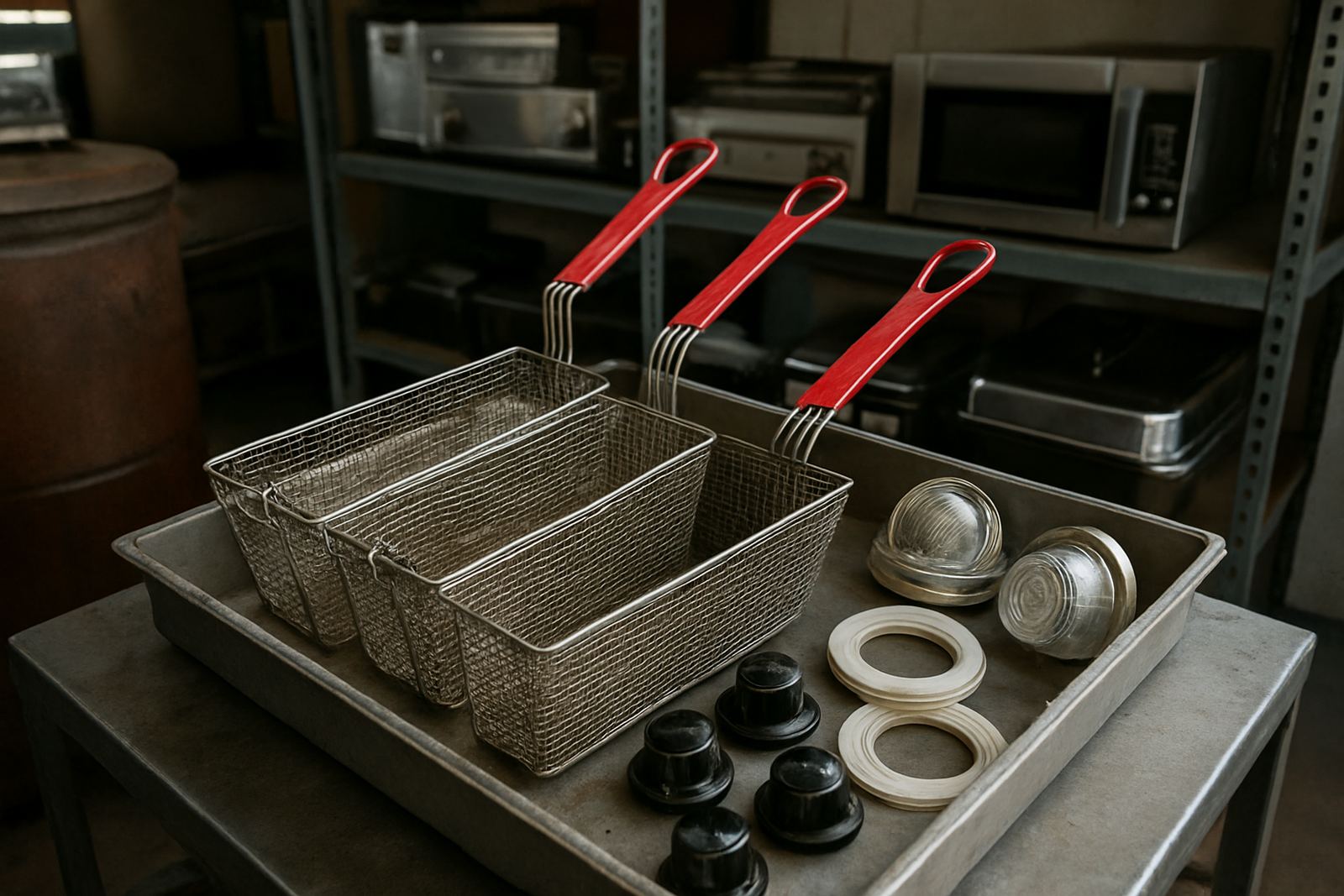
What these kitchen notes cover
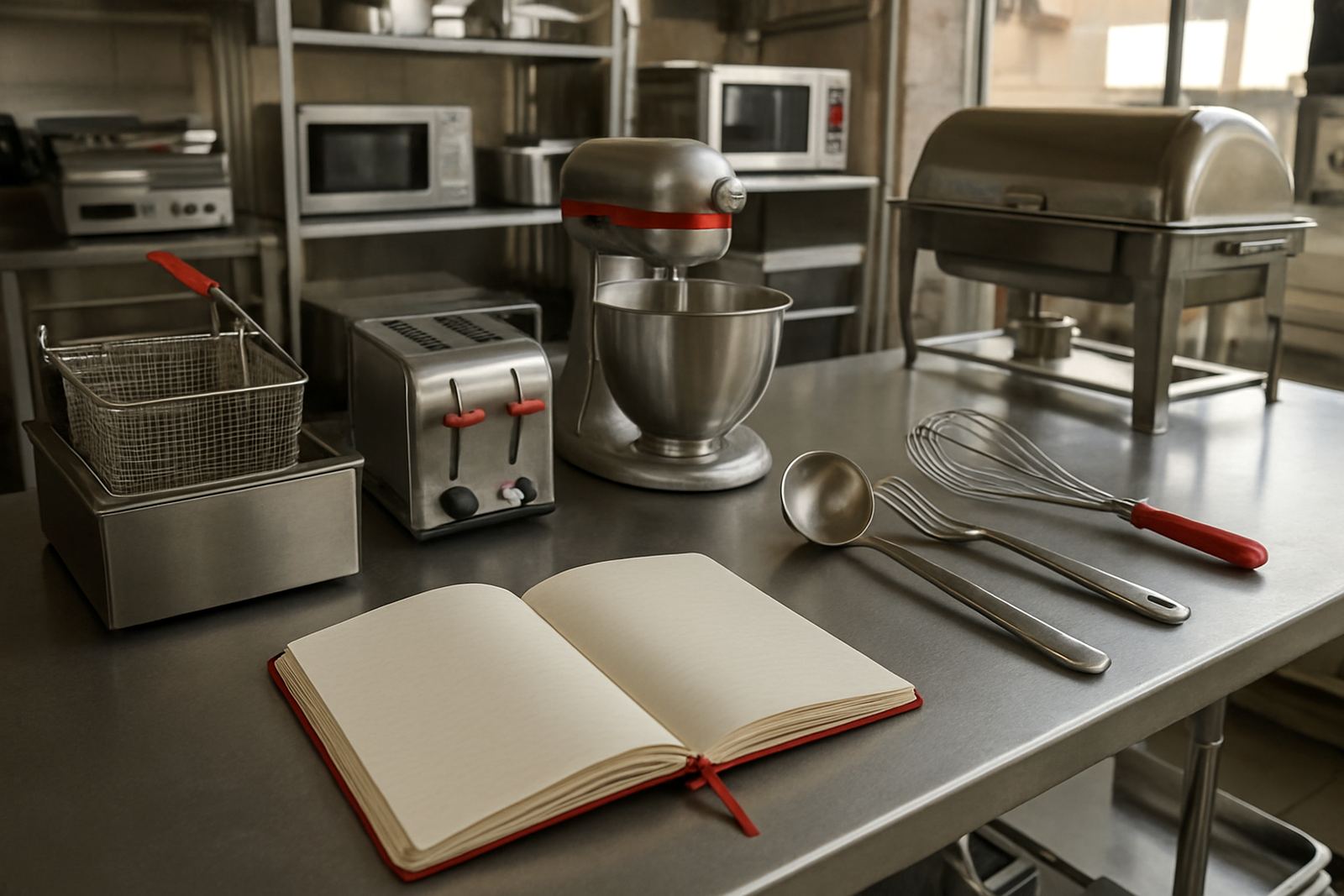
This section brings together short, useful articles for commercial kitchens in Pretoria and Gauteng. The focus is on day to day decisions, from choosing the right fryer or toaster to looking after mixers, microwaves and chafing dishes so they last through busy service.
If you run a café in Centurion, a takeaway in Pretoria Central, or a staff canteen in Midrand, the same basics still apply: size the equipment properly, allow for power supply, plan for cleaning, and keep space for safe movement around heat and grease. The notes are written to help you ask better questions before you buy, and to spot trouble early when something starts running hot, slow or noisy.
- Buying guidance for new and used equipment
- Operation tips for daily service
- Care and cleaning notes for longer life
- Repair and servicing pointers for kitchens under pressure
How to choose equipment for your menu
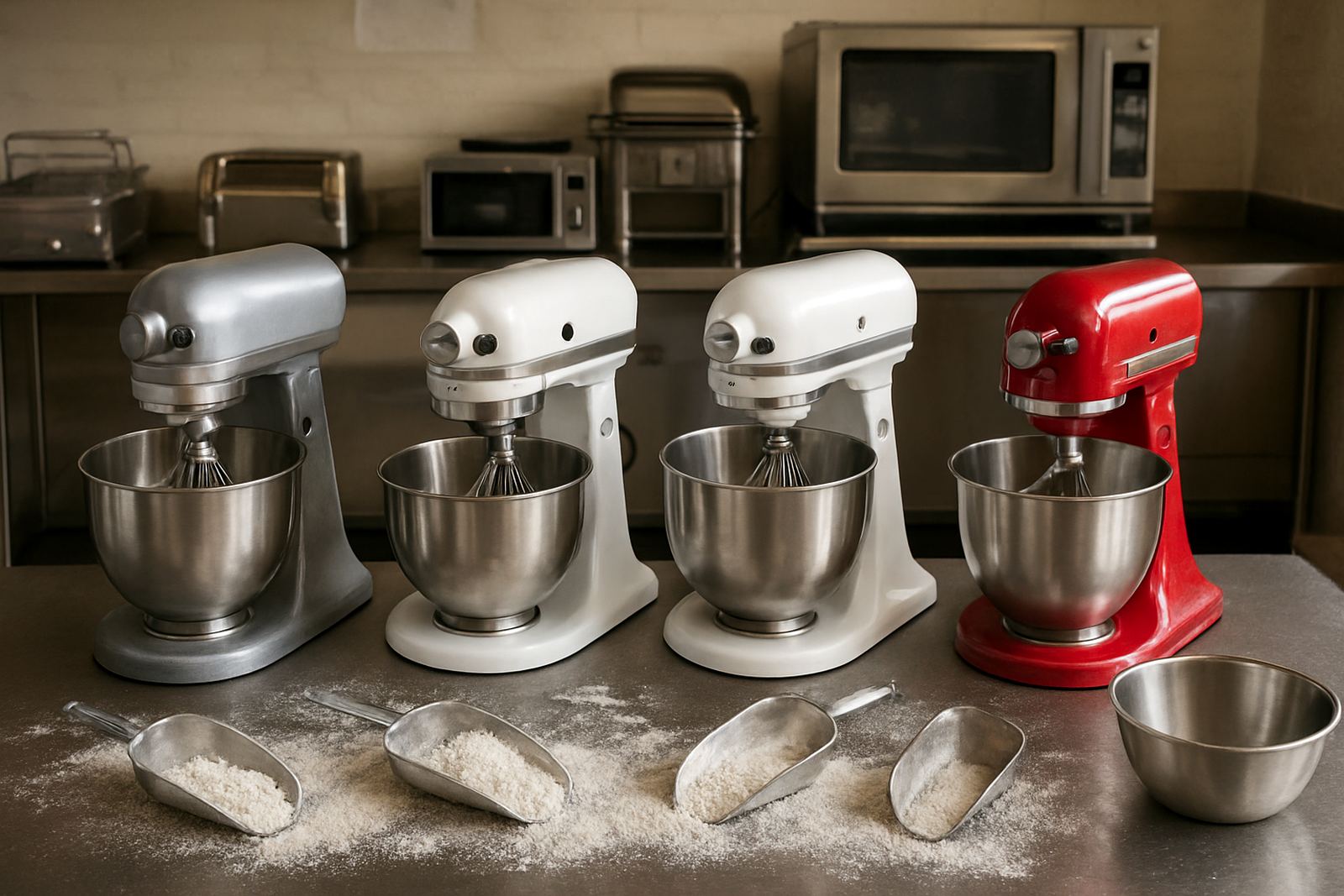
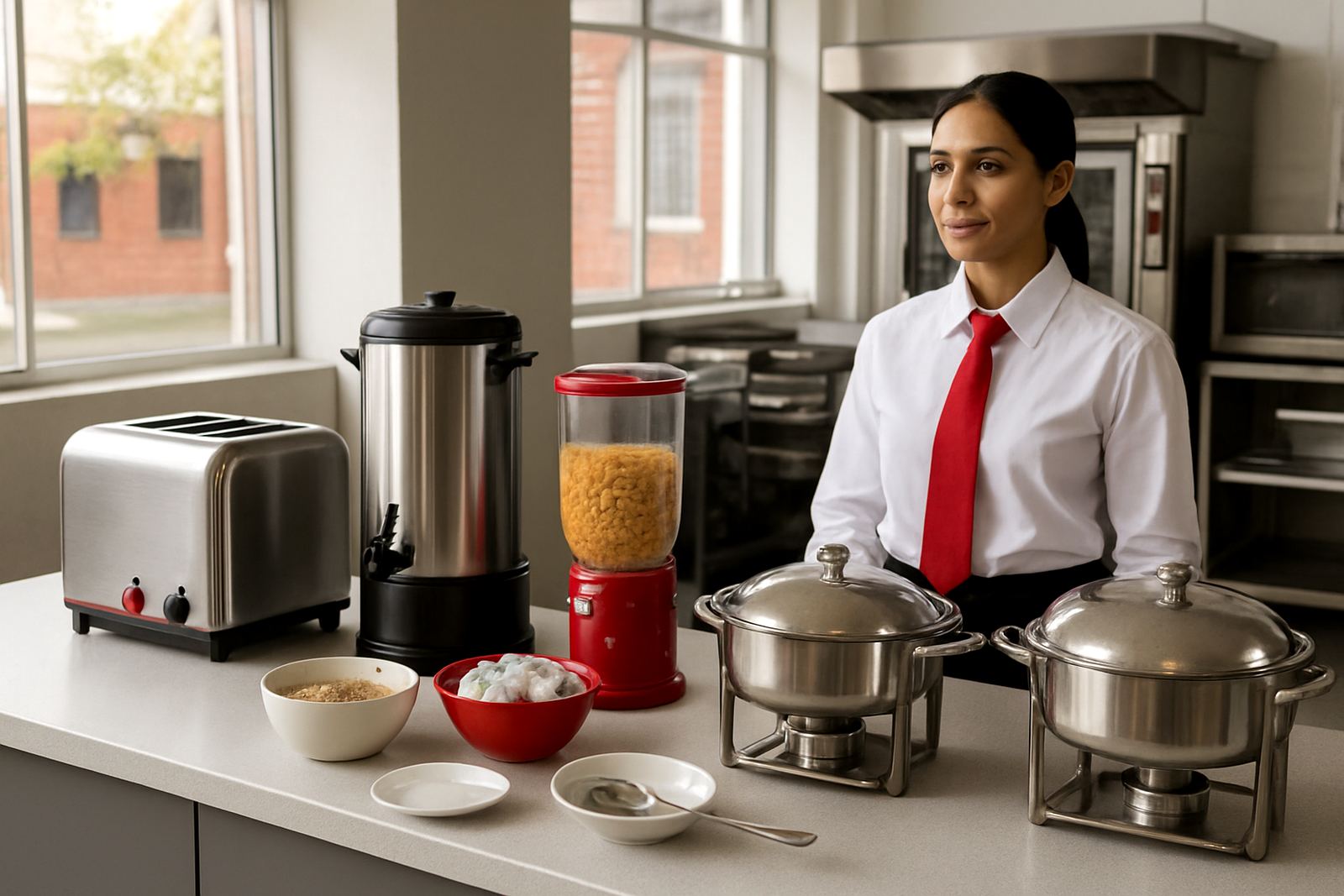
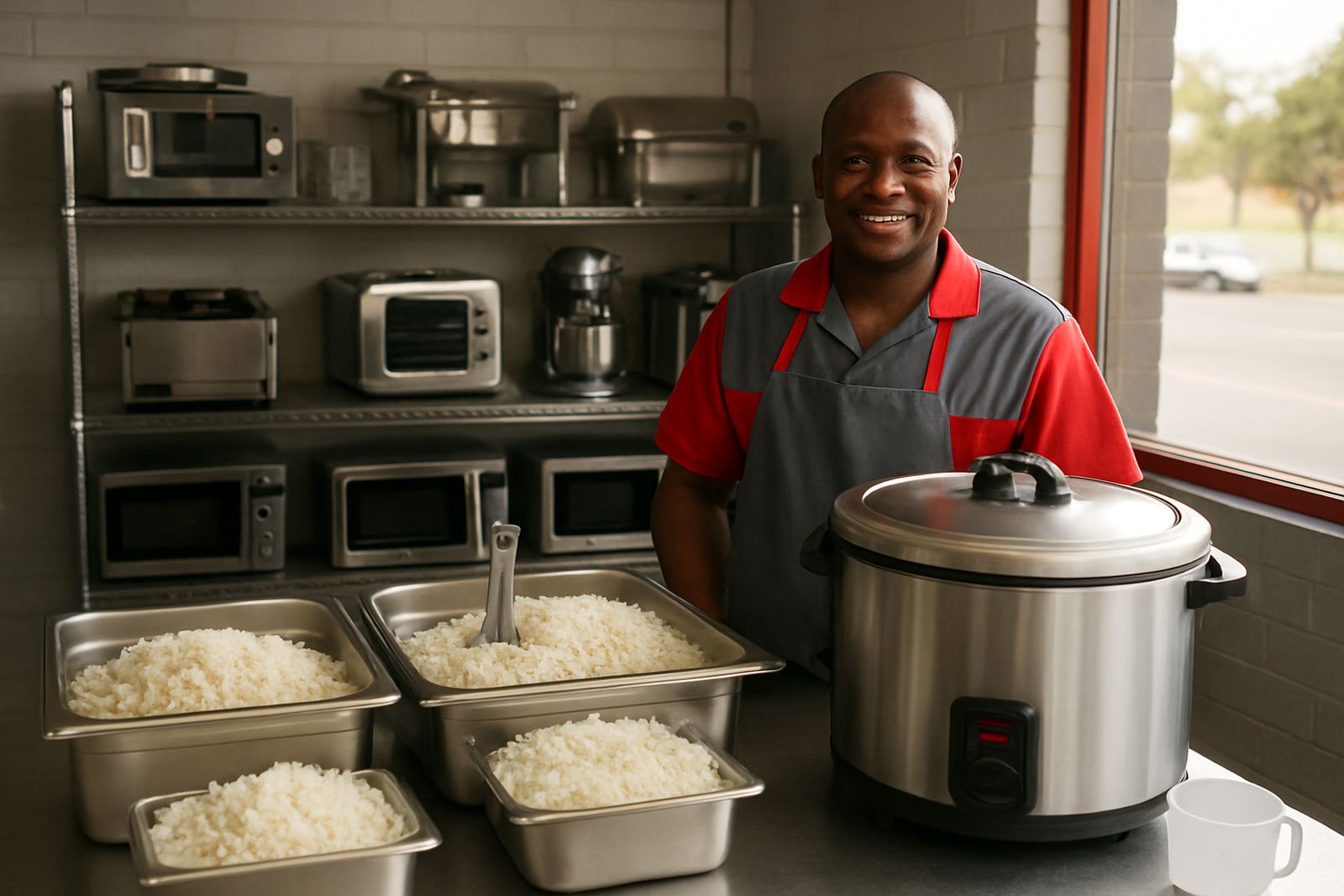
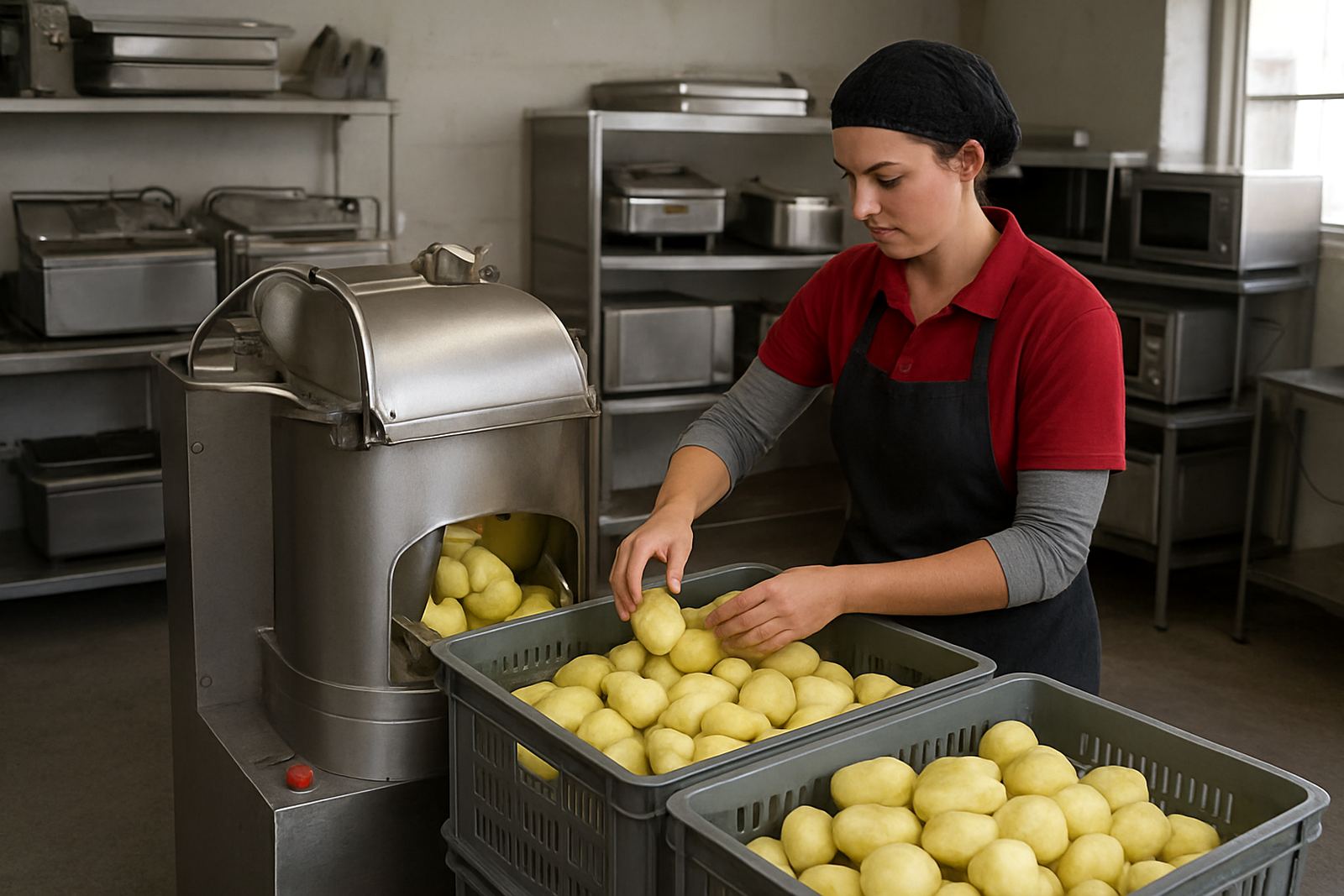
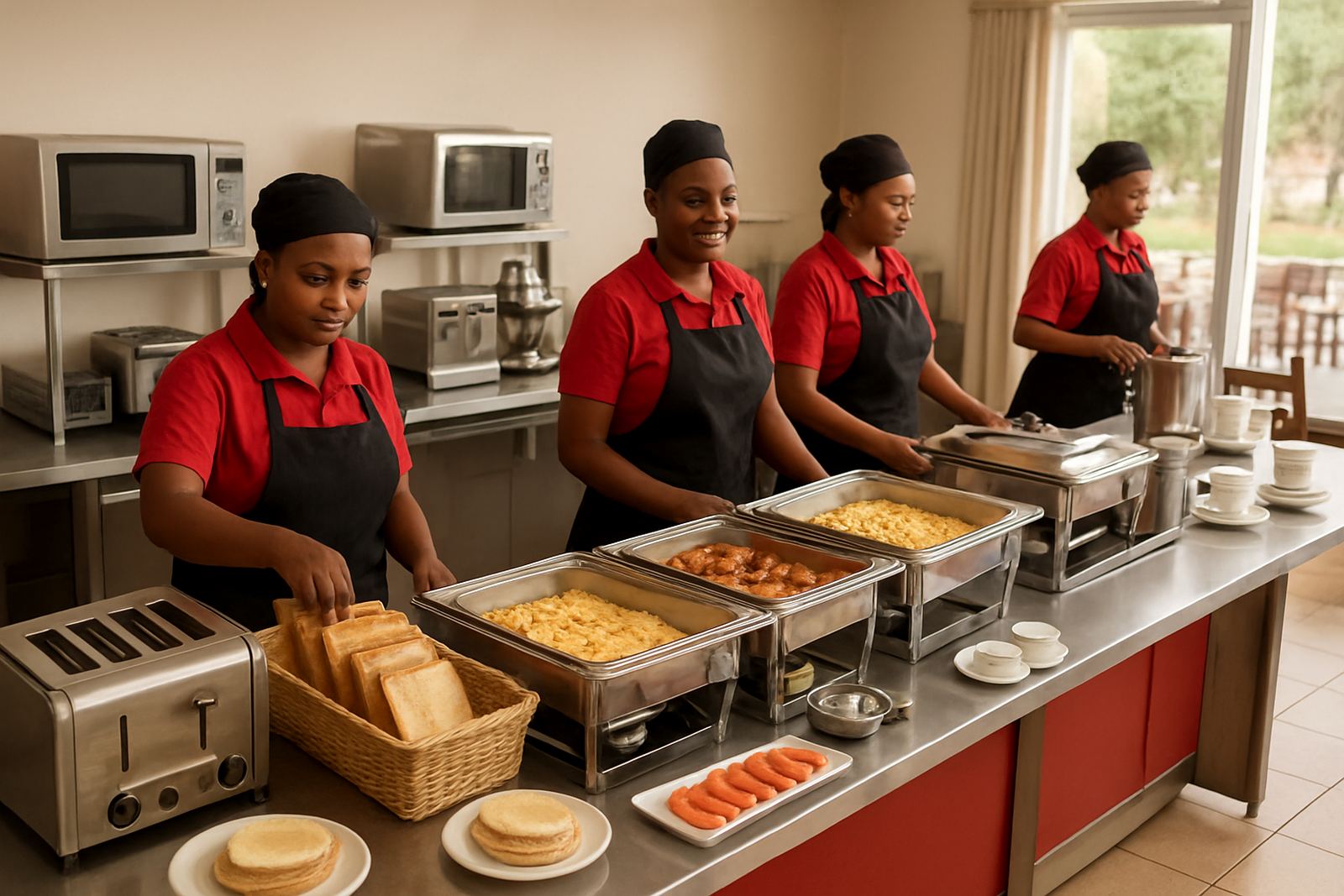
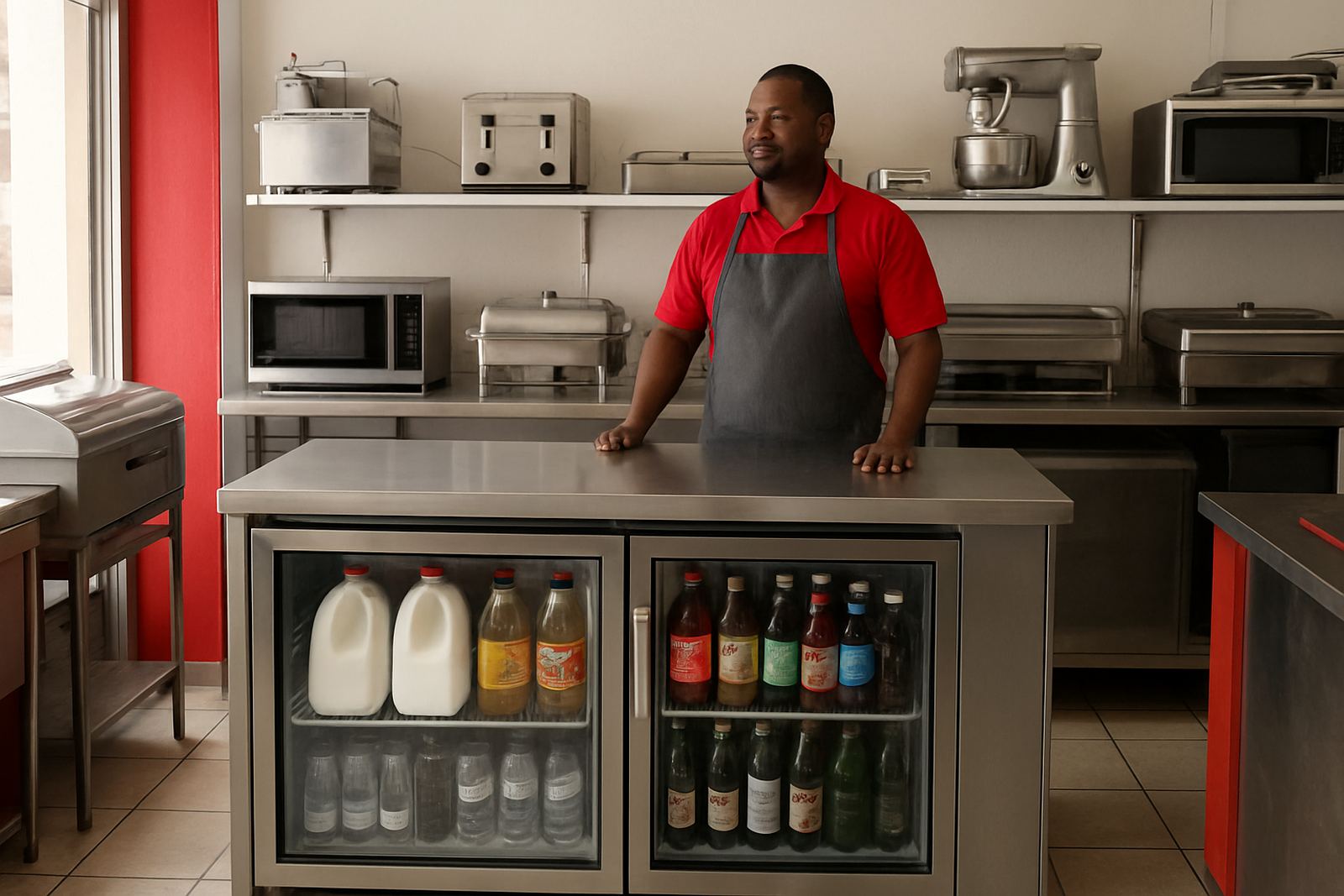
The right machine depends on what you serve, how many portions you turn out, and when your busiest hour lands. A small breakfast kitchen may only need a compact toaster and a single bowl mixer, while a site doing lunch trays or school meals will need more capacity, more backup and a clearer cleaning routine.
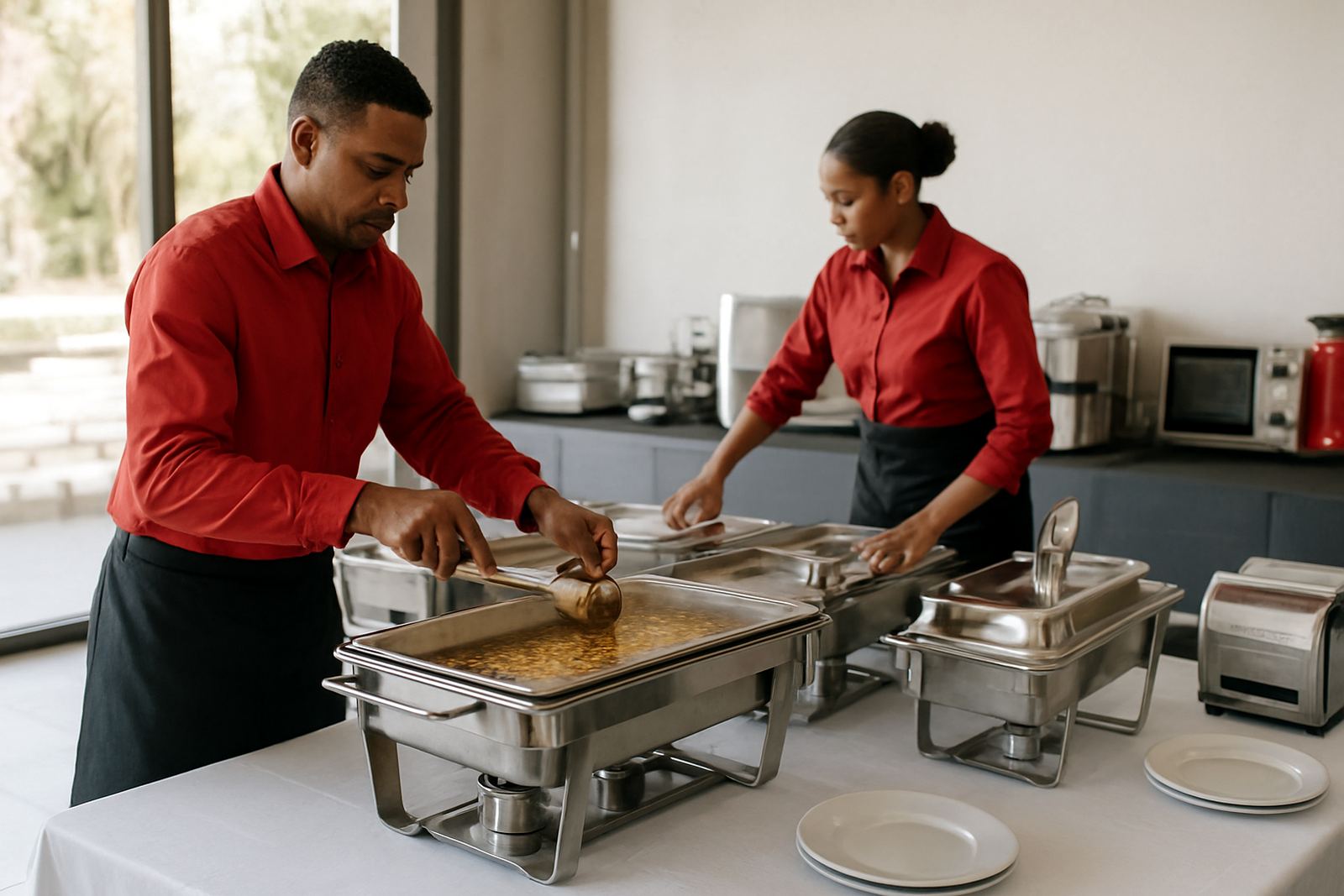
We suggest starting with output, then working back to power, space and staff handling. A fryer that suits a small snack counter may not cope with a rush from 120 to 150 meals in one hour. The same goes for microwaves and hot holding units: if the kitchen layout is tight, the team can lose time moving plates around, and that slows service down more than people expect.
- Check the peak meal count, not only the average day
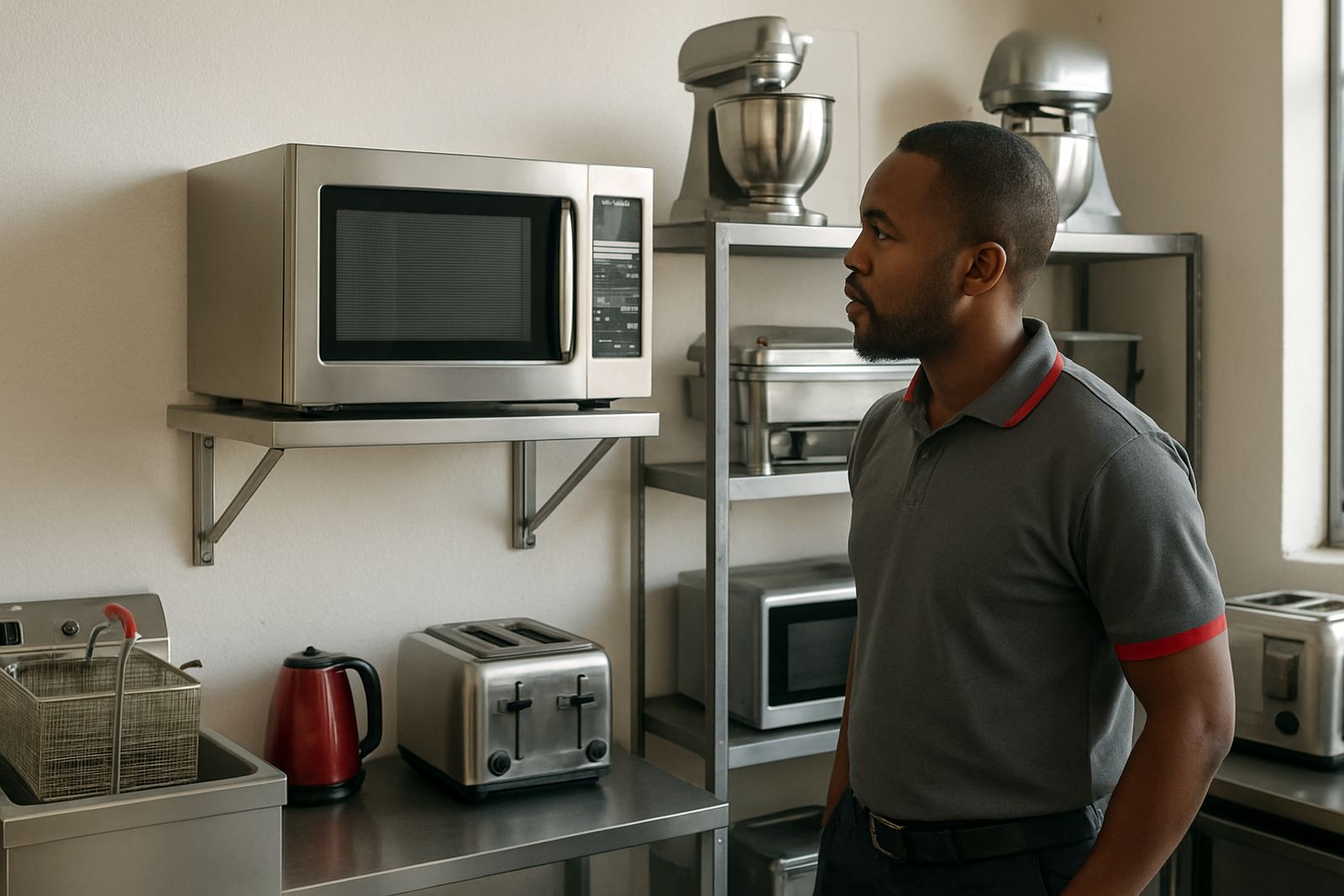
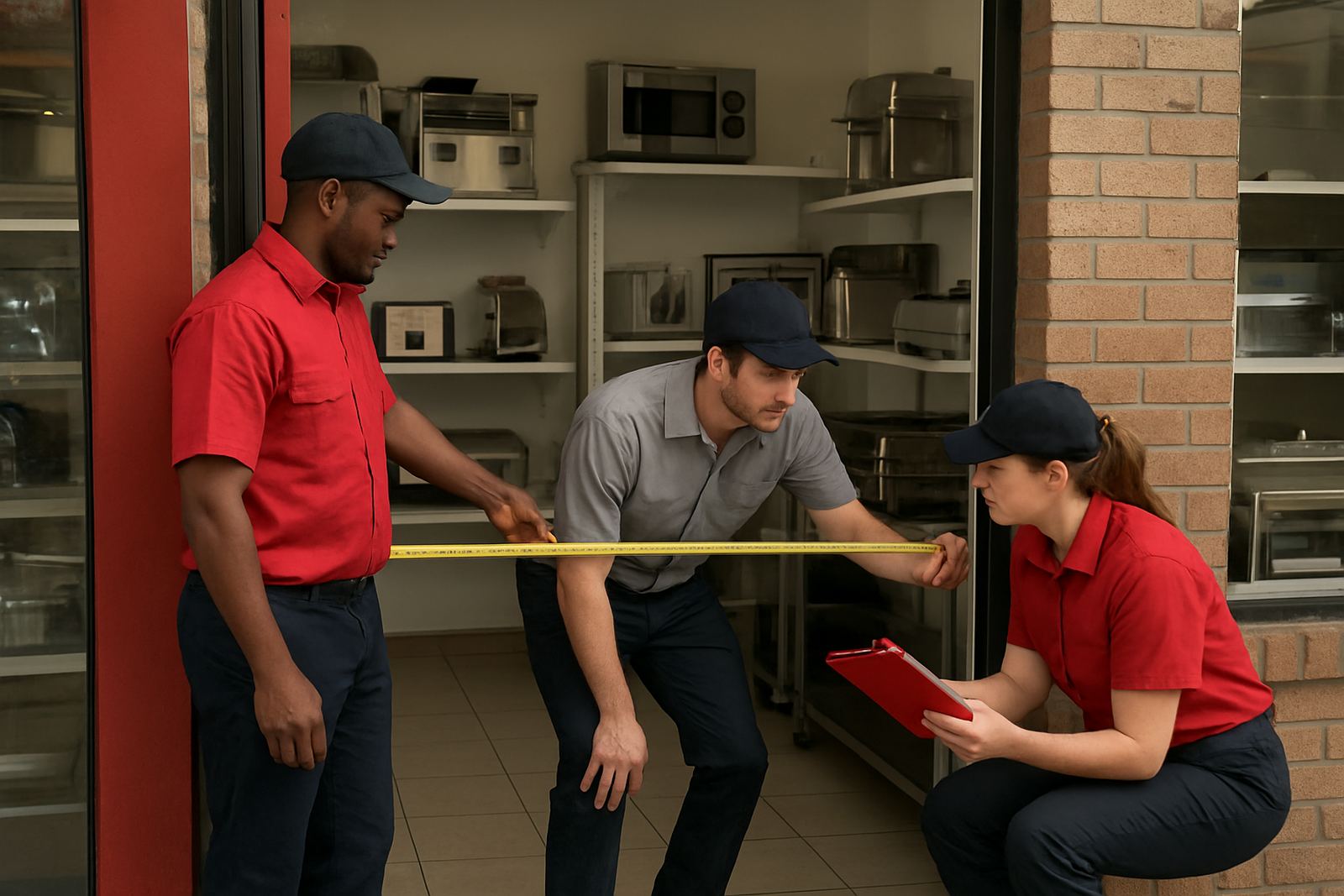
- Measure the exact floor space, including door swing and ventilation clearance
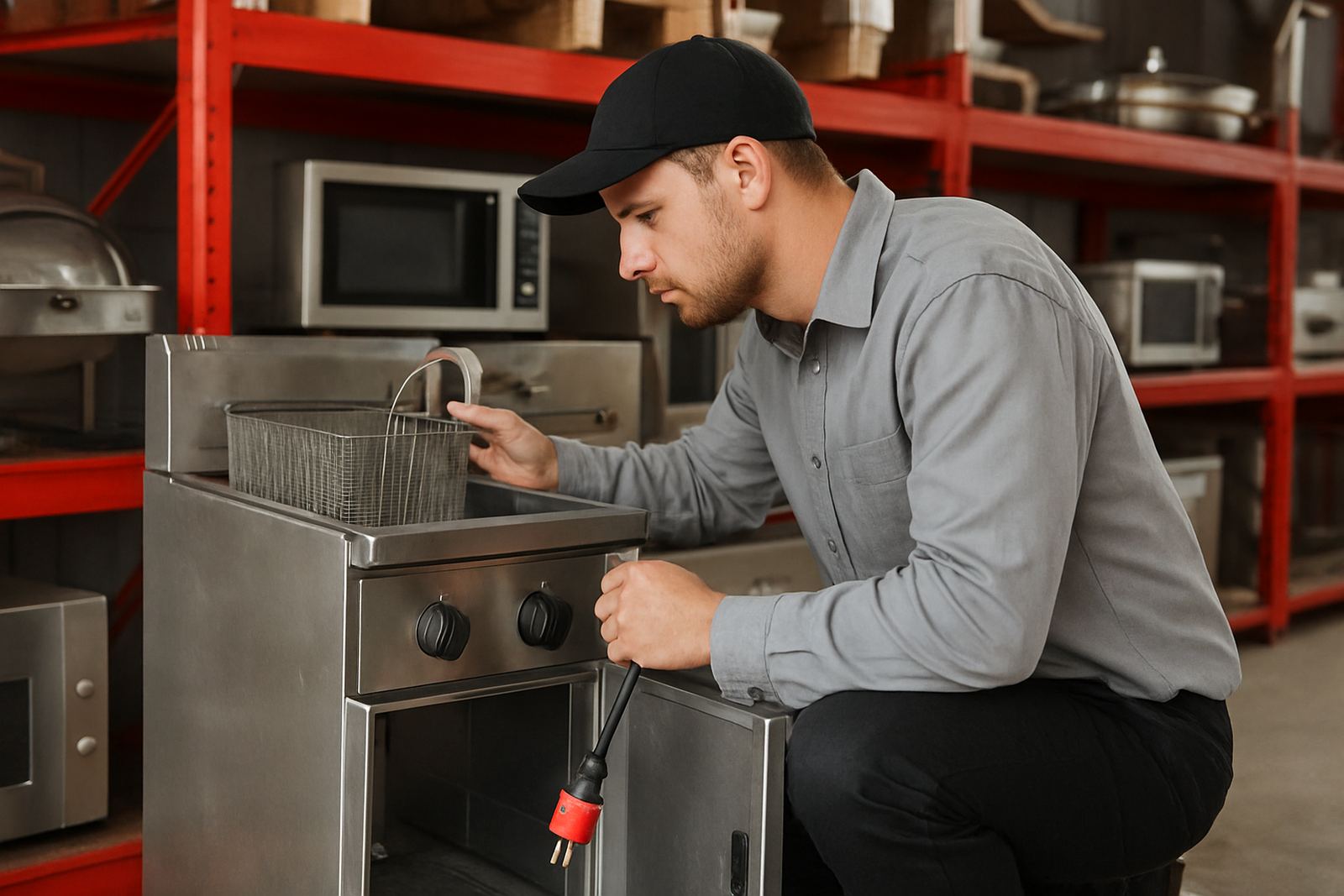
- Confirm the power supply before placing an order
- Allow room for cleaning access and safe handling of hot pans
New or used: what makes sense
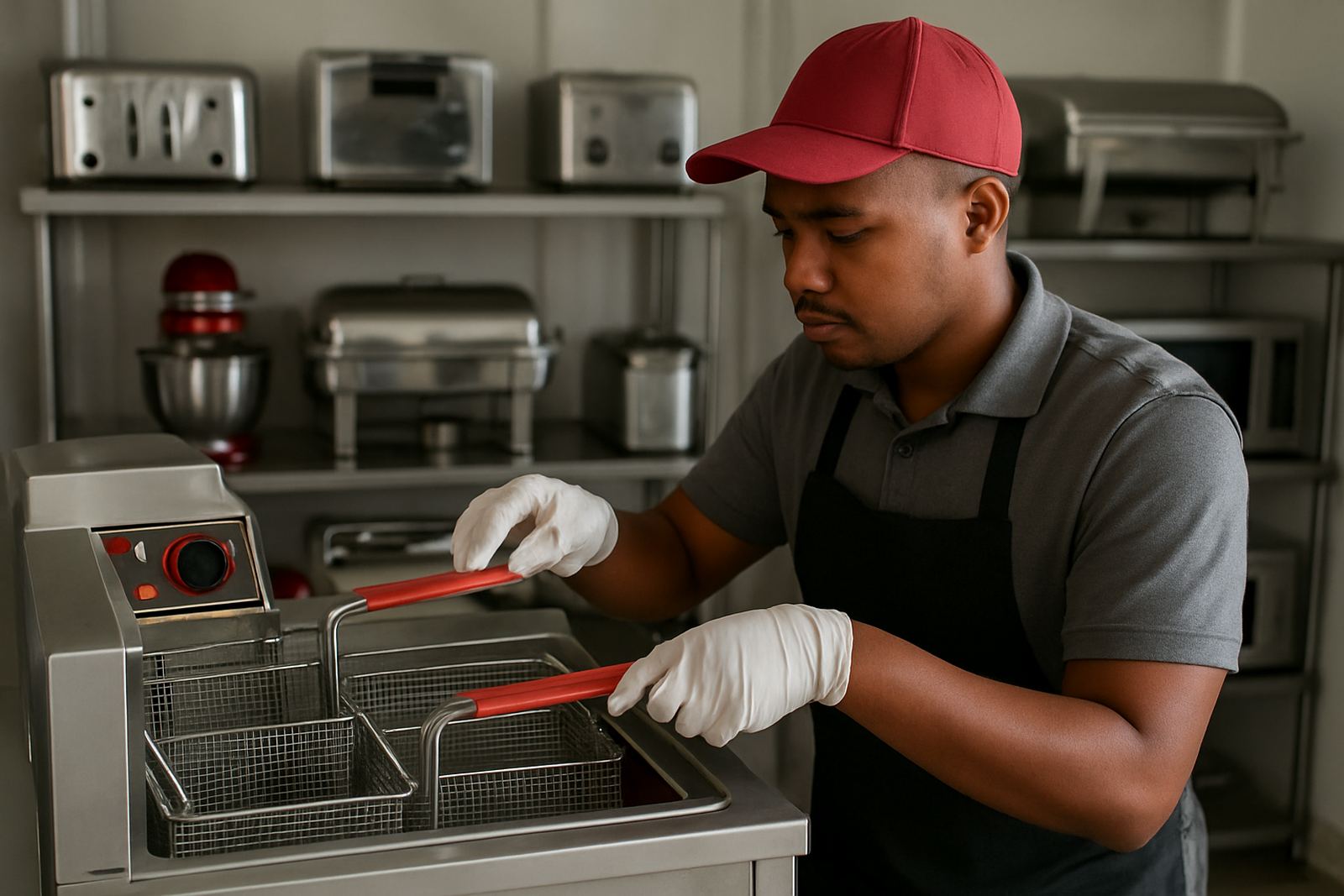
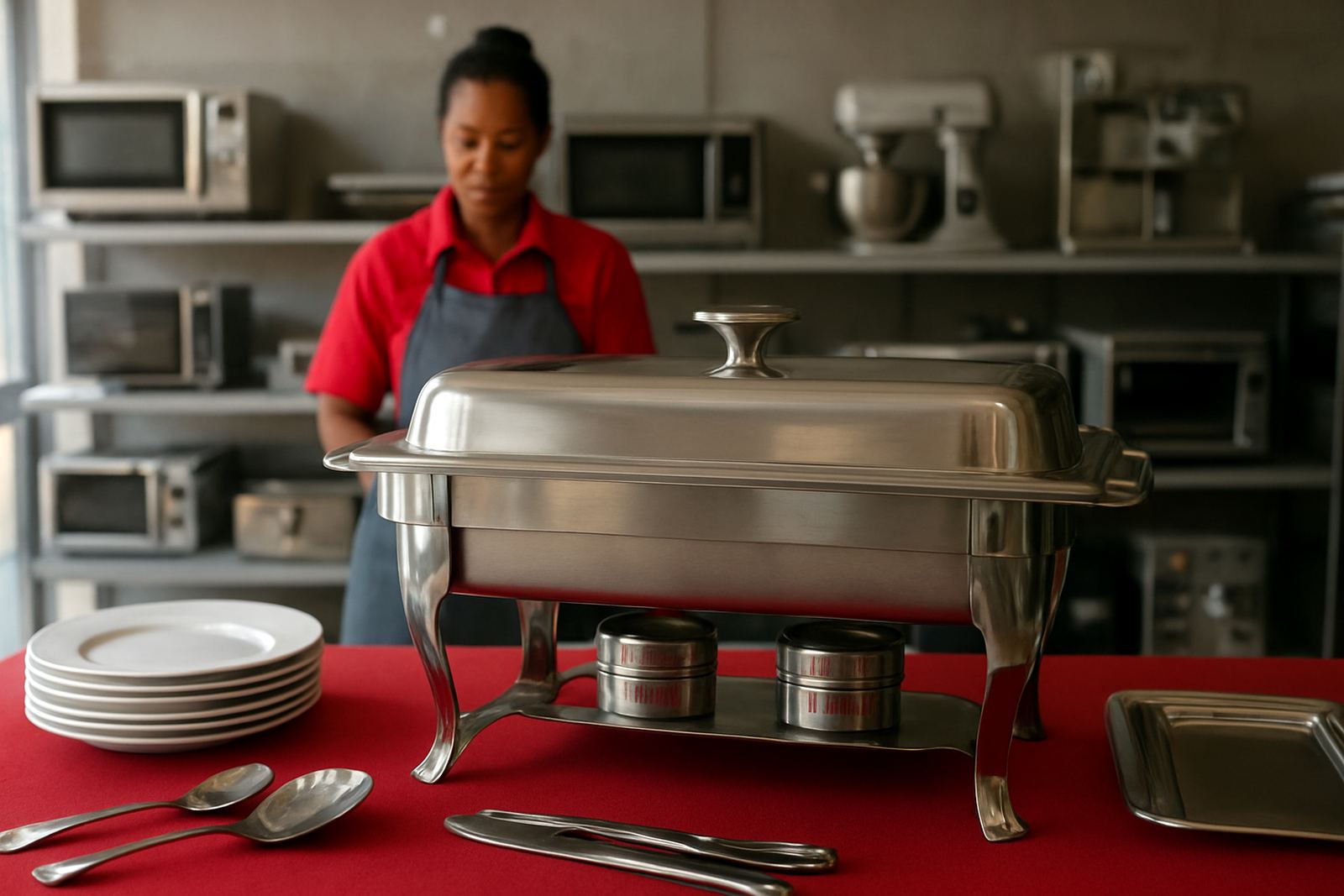
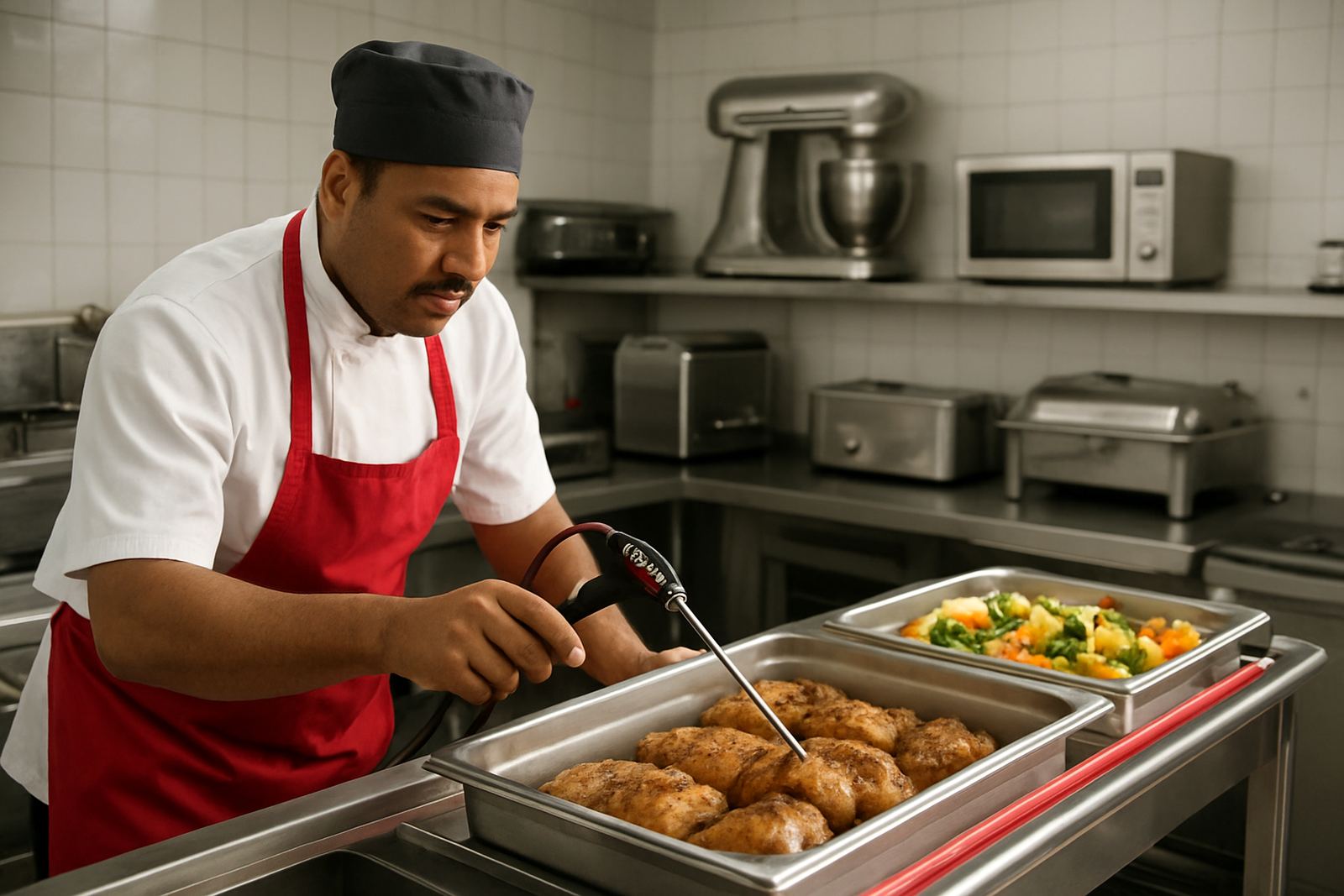
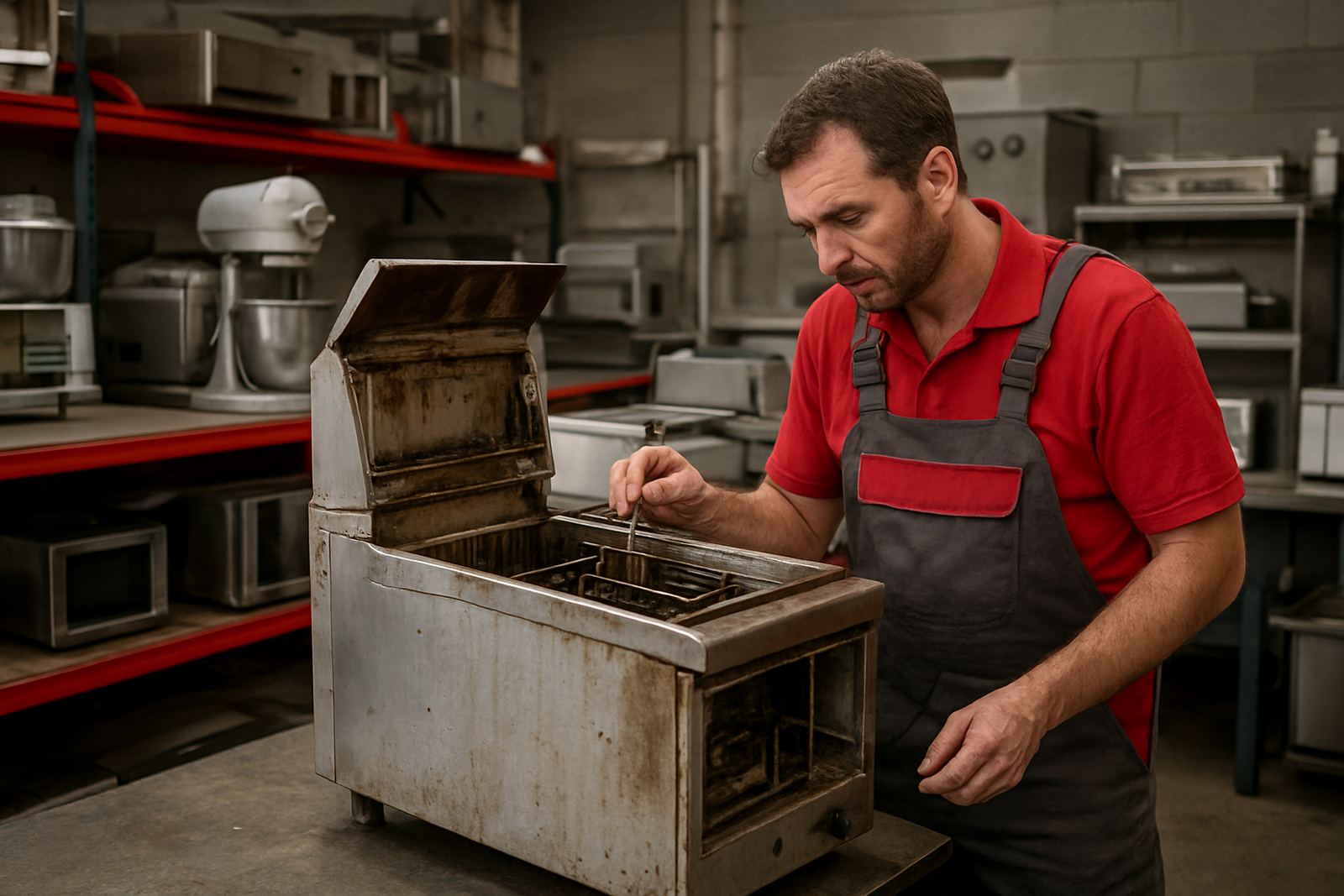
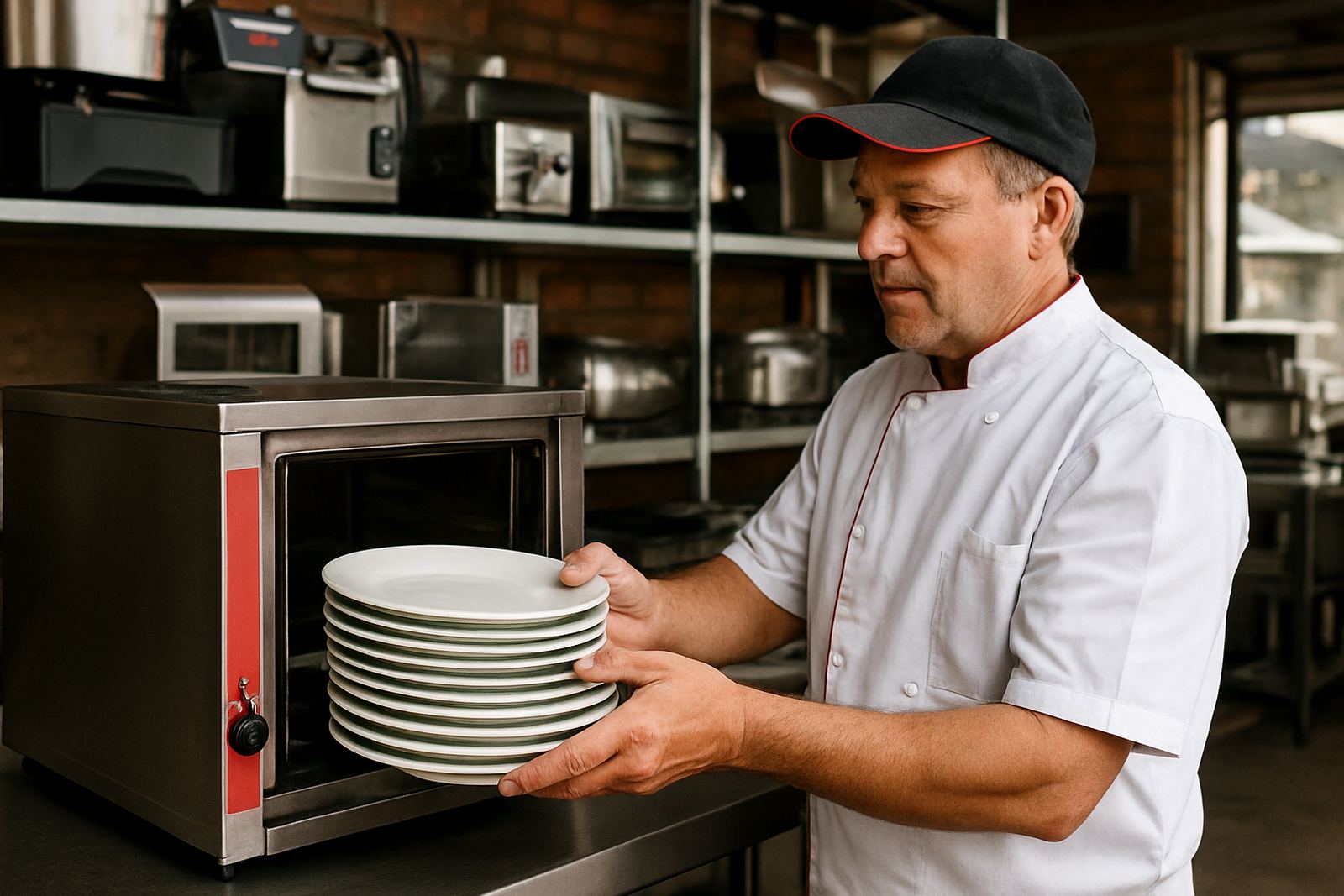
Used equipment can make good business sense when the budget is tight or when you need a short term solution. The key is condition, support and parts availability. A sound second hand fryer or chafing dish can still give years of service, but only if the heating elements, controls, seals and trays are checked before the kitchen depends on it.
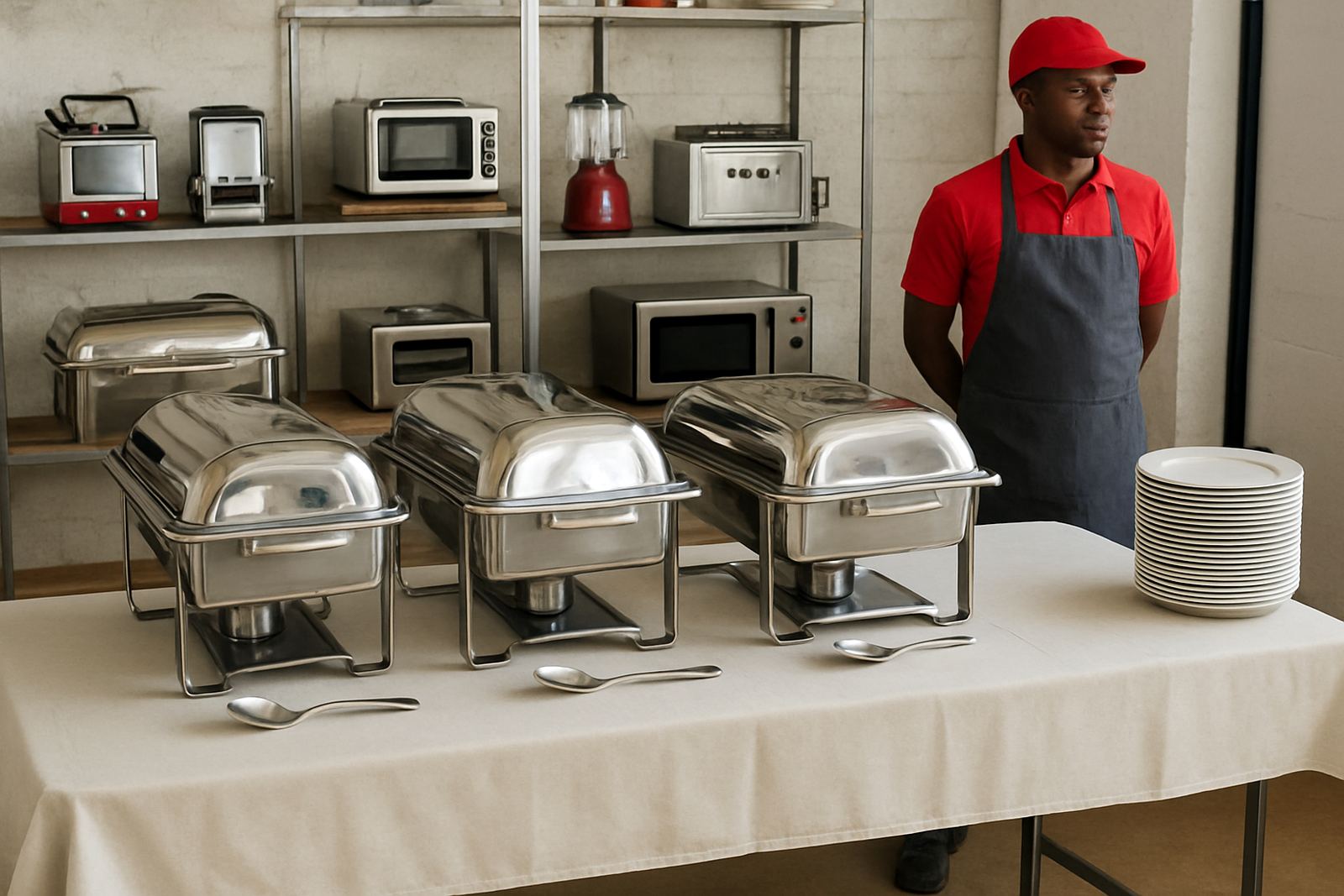
Some buyers want used stock for a backup station or a second branch, others need a stop gap while a main unit is being repaired. That can work well in Pretoria and surrounding areas, where delivery, site access and quick turnaround matter. We can quote on both new and used items, and we also assist with sourcing when a specific size or format is needed. If the unit has been sitting for months, ask about rust, wear, wiring and missing parts, because small faults become expensive later.
For coastal humidity or kitchens with heavy steam, even one loose fitting can turn into a bigger issue over time so inspection matters.
Keeping kitchens running through load shedding and long shifts
Power interruptions change how a kitchen is planned. Some equipment restarts cleanly after a cut, while other units need a reset, a cool down period or a check before use. Staff should know which machine can be switched back on immediately and which one must wait. That small bit of training saves time and avoids damage.
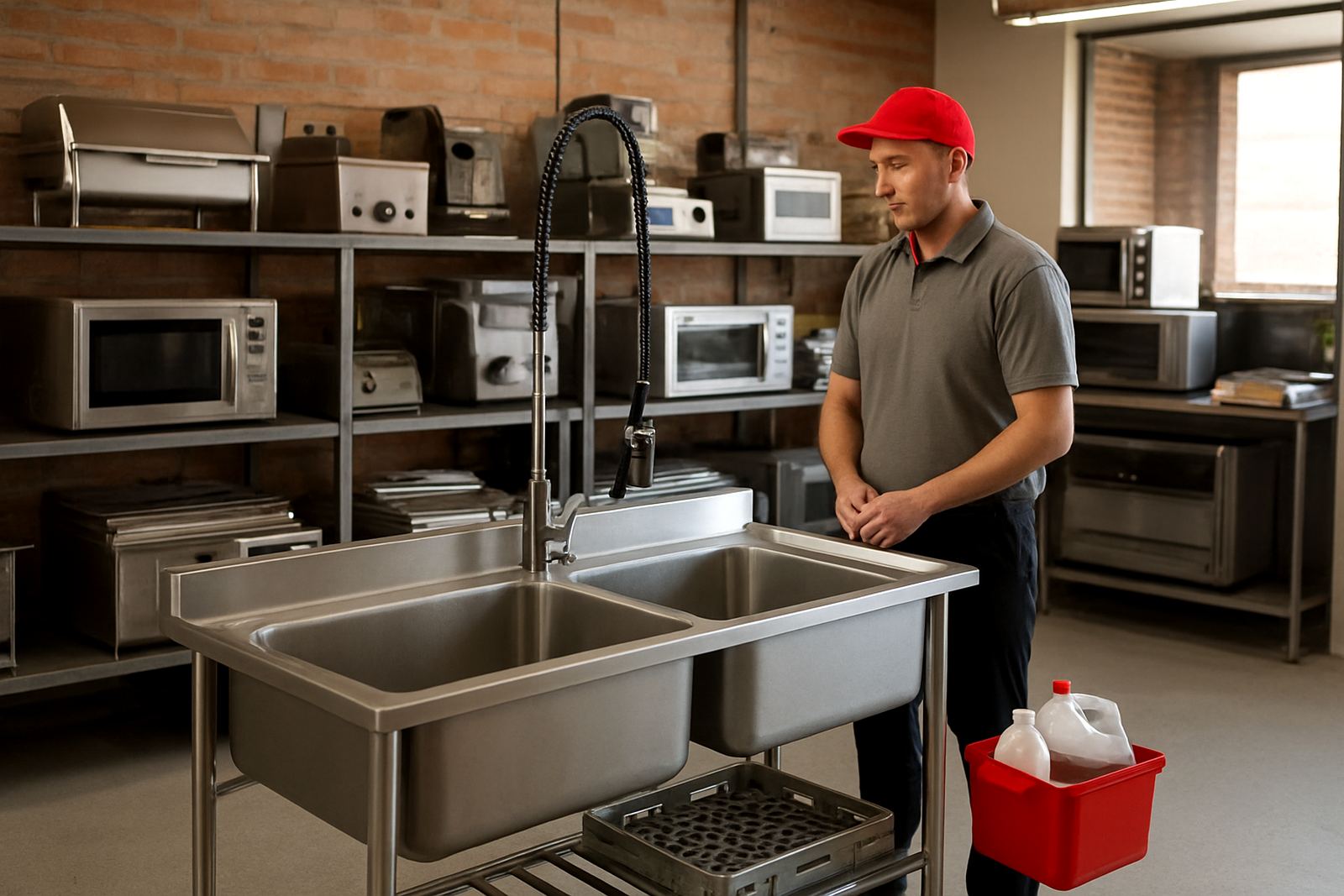
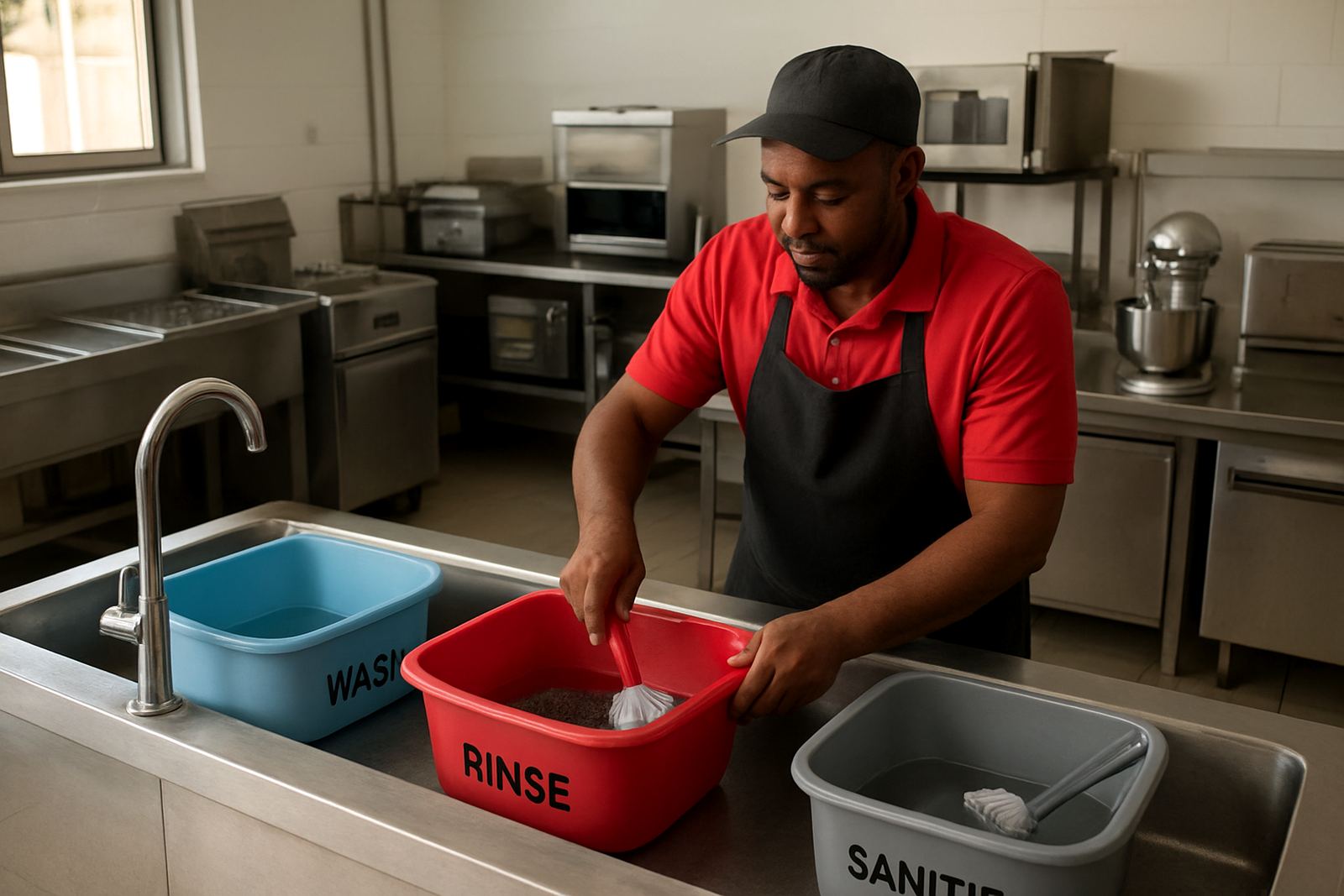
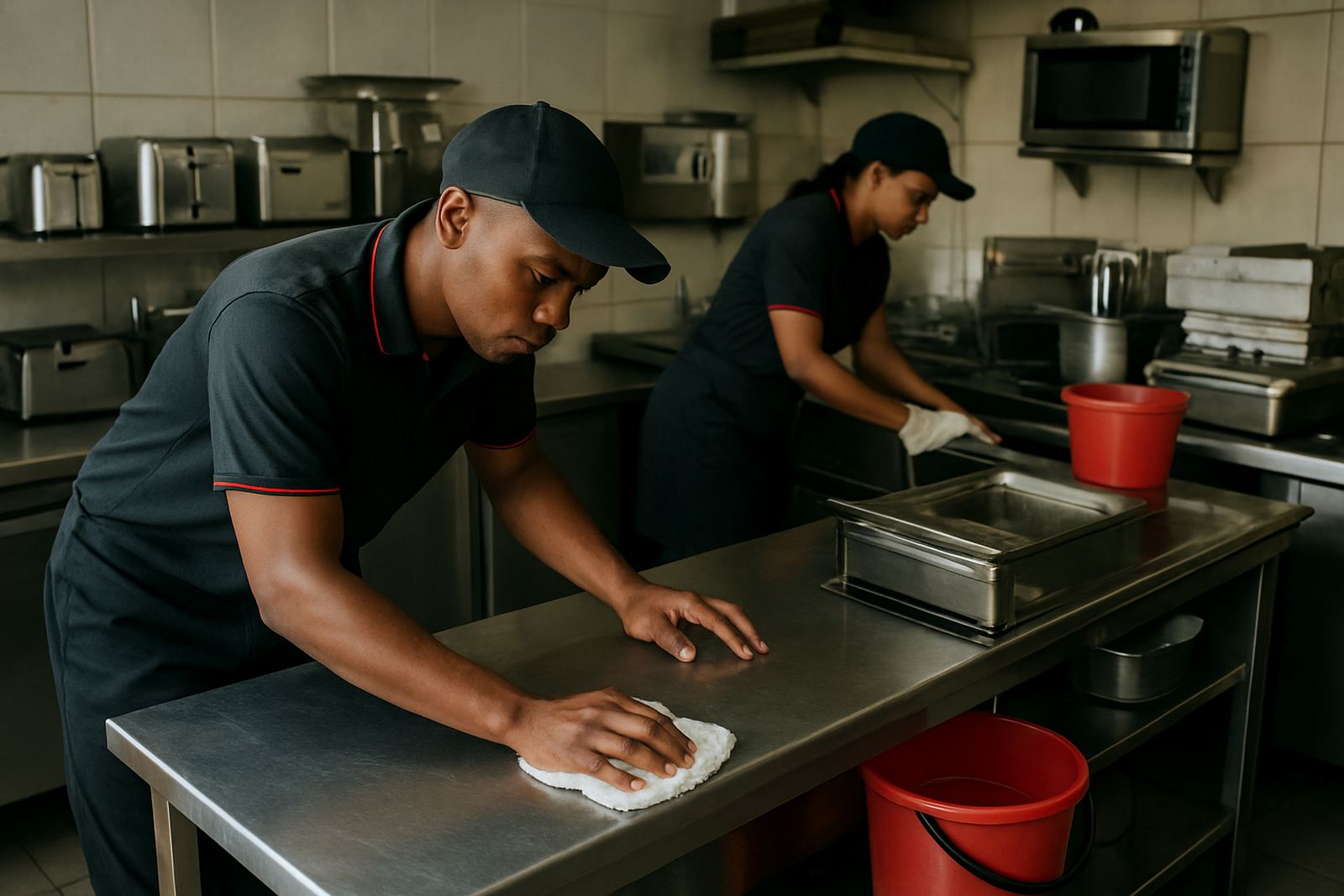
Long shifts also need routine care. Grease build-up, steam and constant opening and closing of doors all shorten the life of commercial equipment. A good checklist keeps the team focused on the basics, especially when the lunch rush is moving fast and everyone is under pressure.
- Switch off and isolate equipment before cleaning
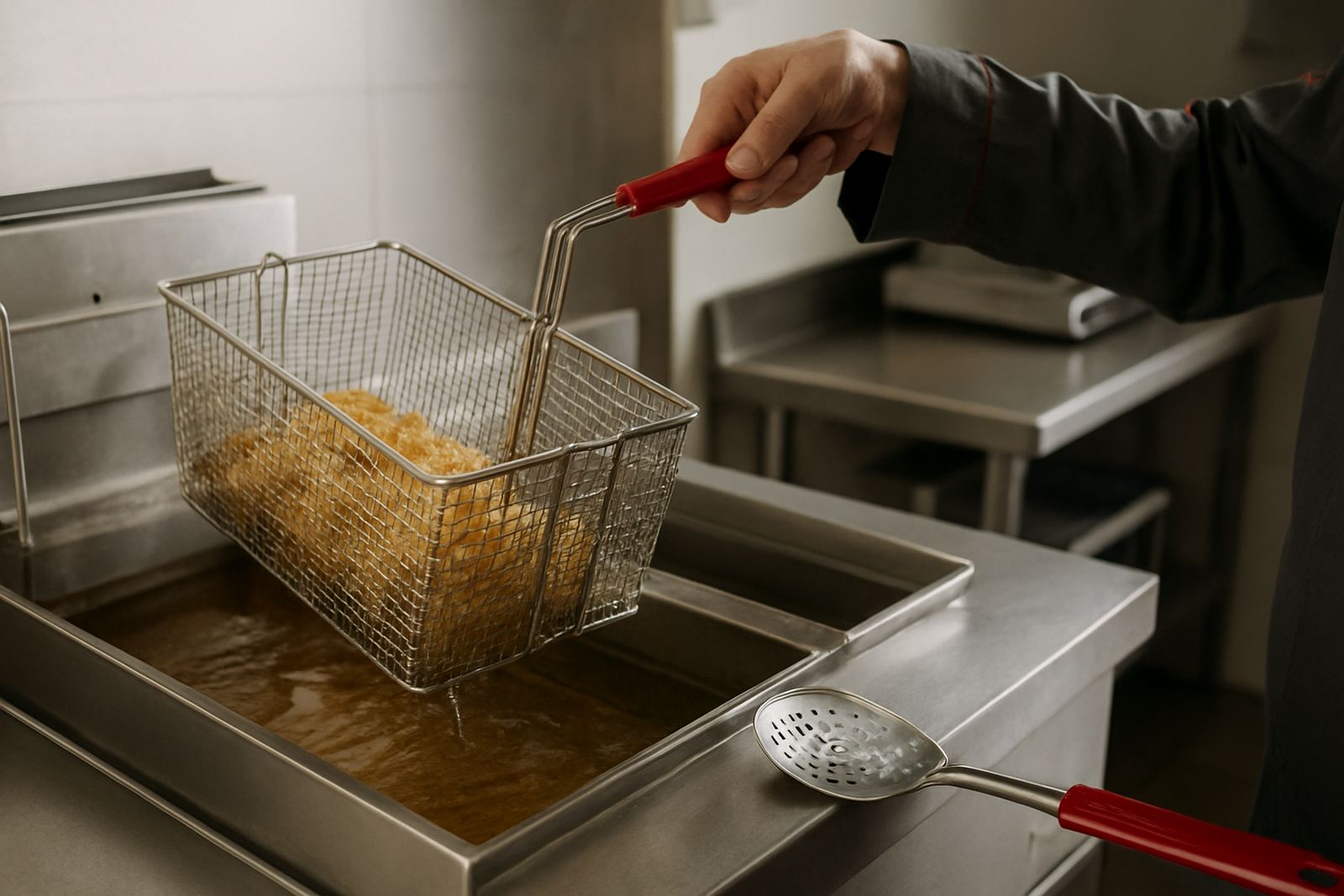
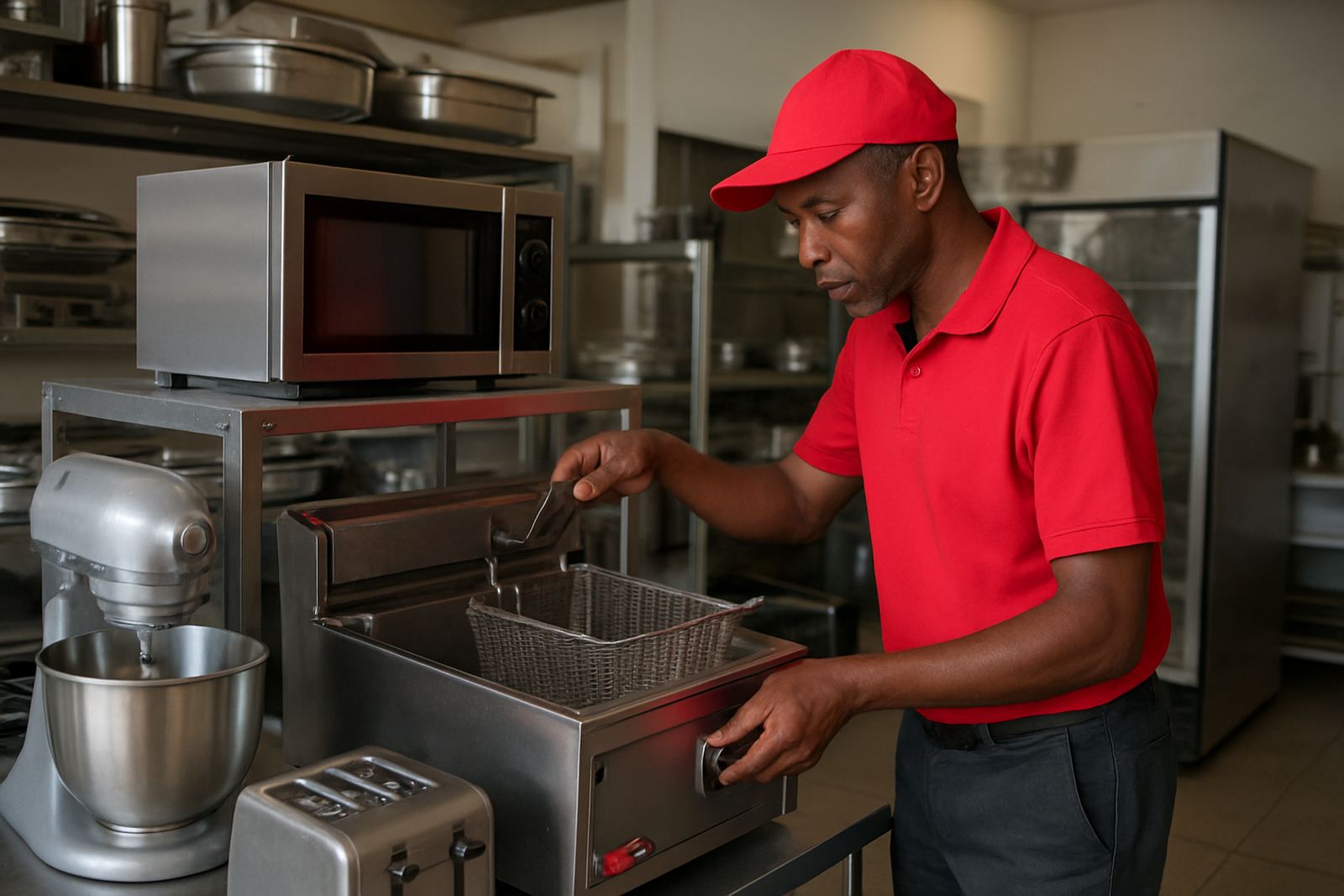
- Empty and filter fryers on schedule
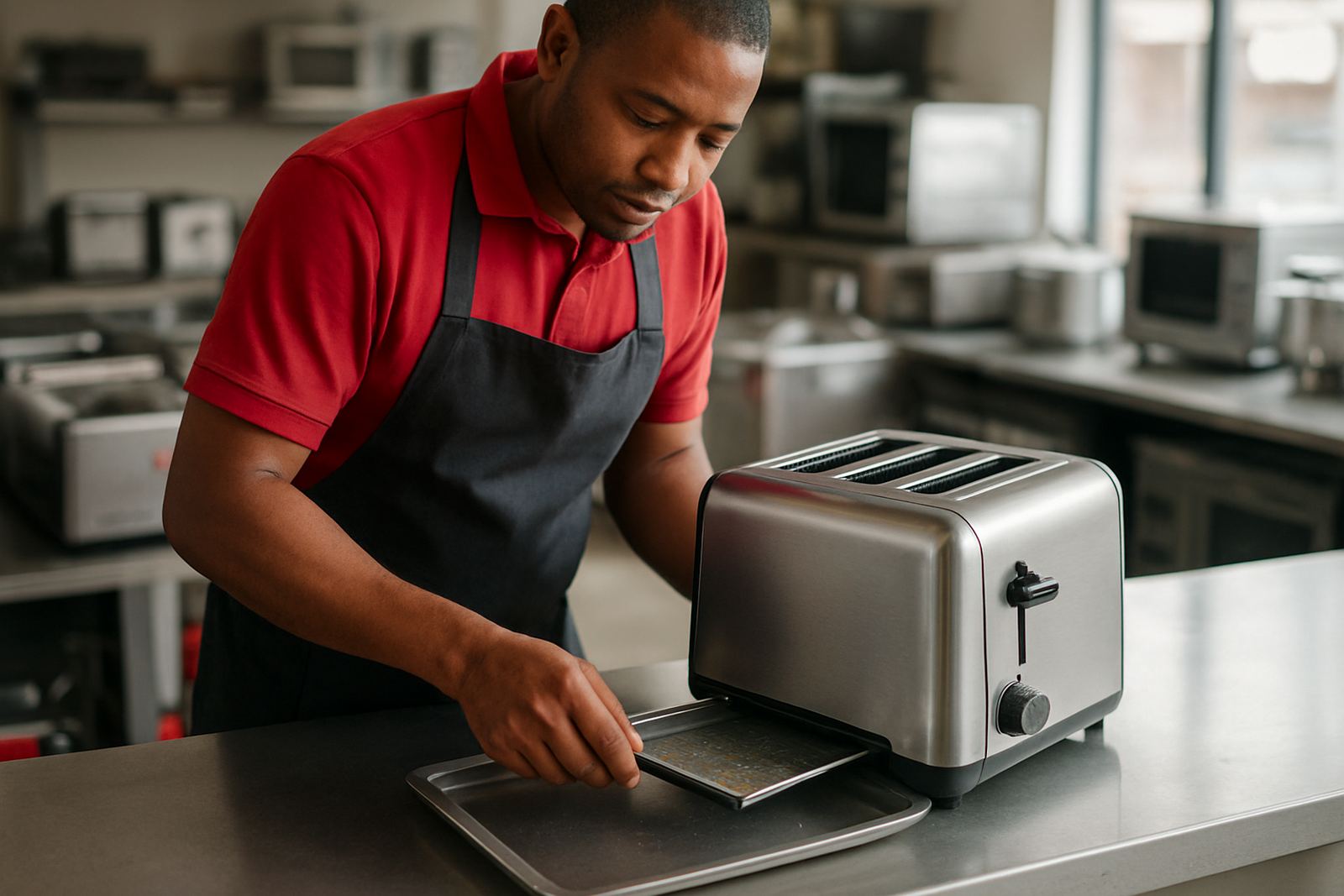
- Keep toaster slots clear of crumbs and burnt residue
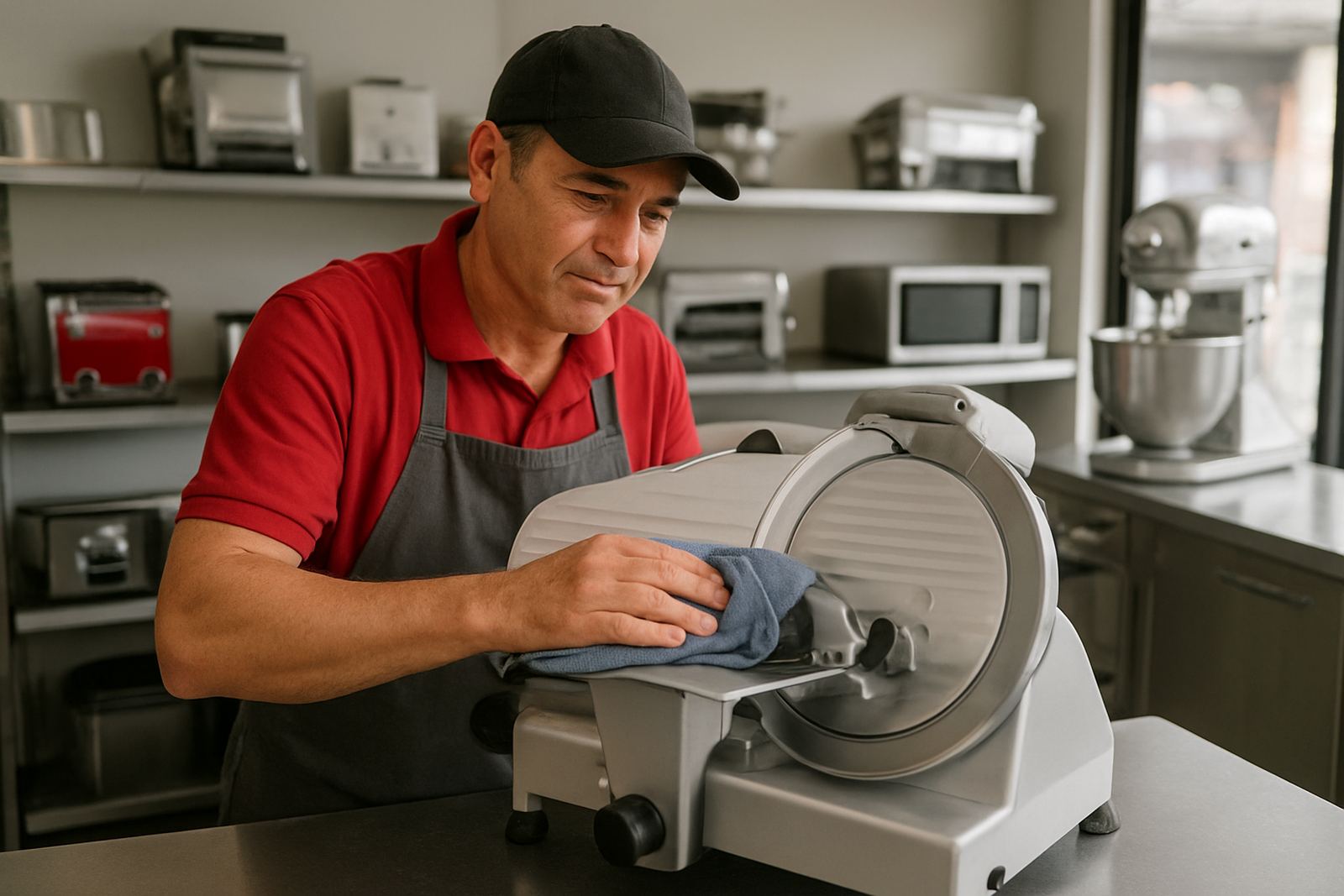
- Wipe seals, handles and control panels at the end of service
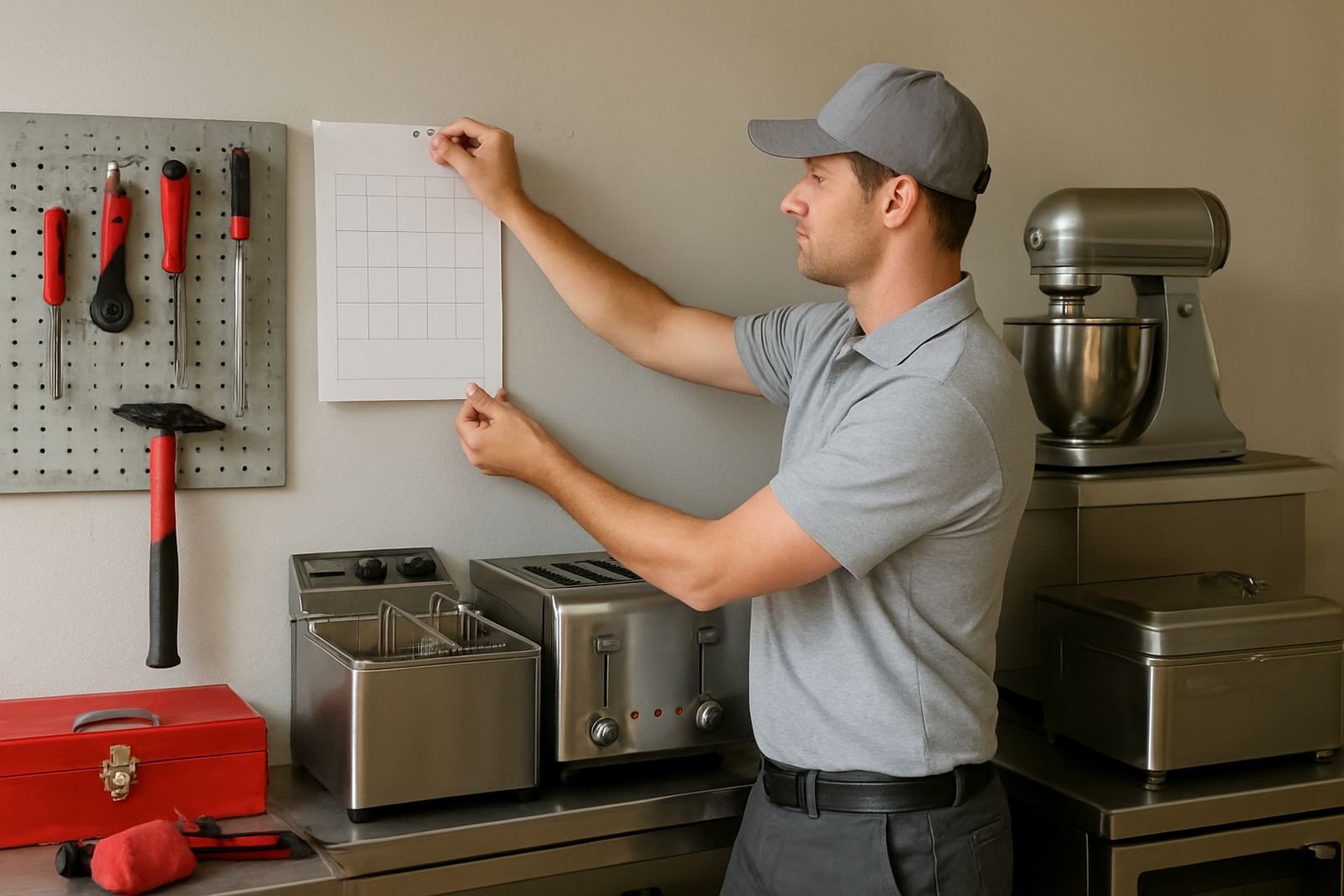
- Log faults early instead of waiting for a complete breakdown
When servicing and repairs make more sense than replacement
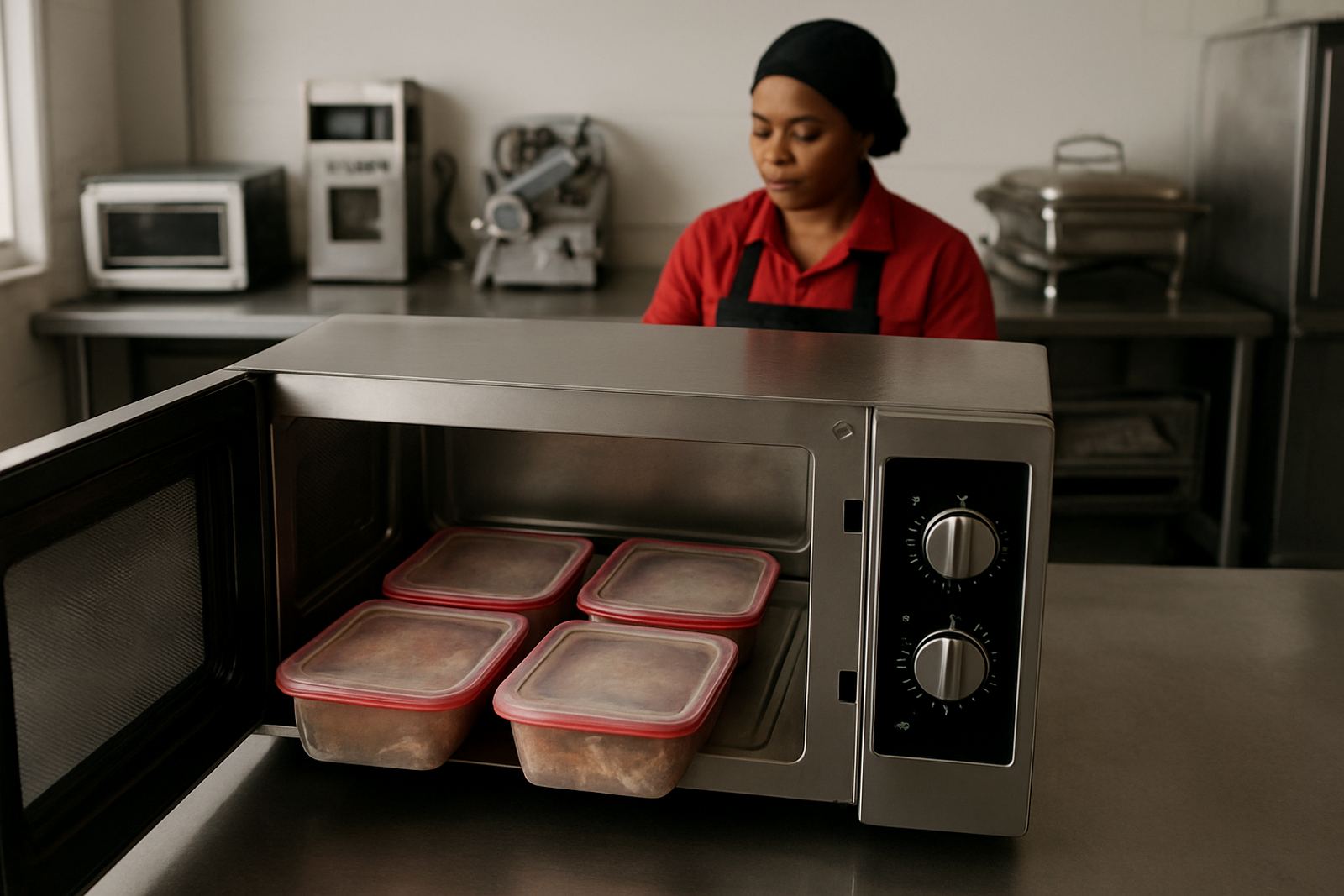
Not every fault means the unit must be replaced. Many kitchen problems start with wear items, blocked parts or loose connections. If the body of the machine is still sound, a repair or workshop refurbishment can be the better option. That is often the case with mixers, microwaves and heated holding equipment where the casing and structure are still fine, but the working parts need attention.
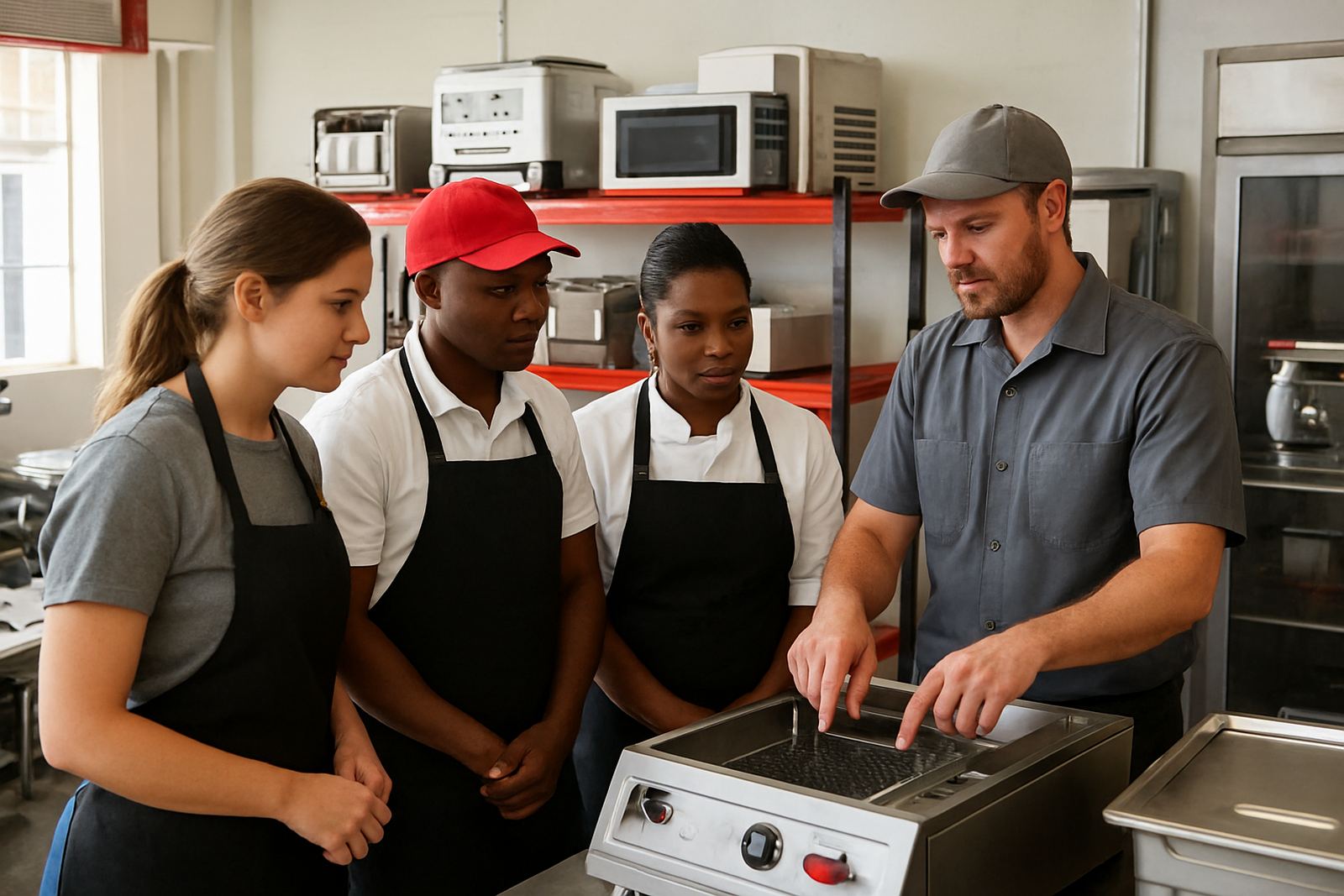
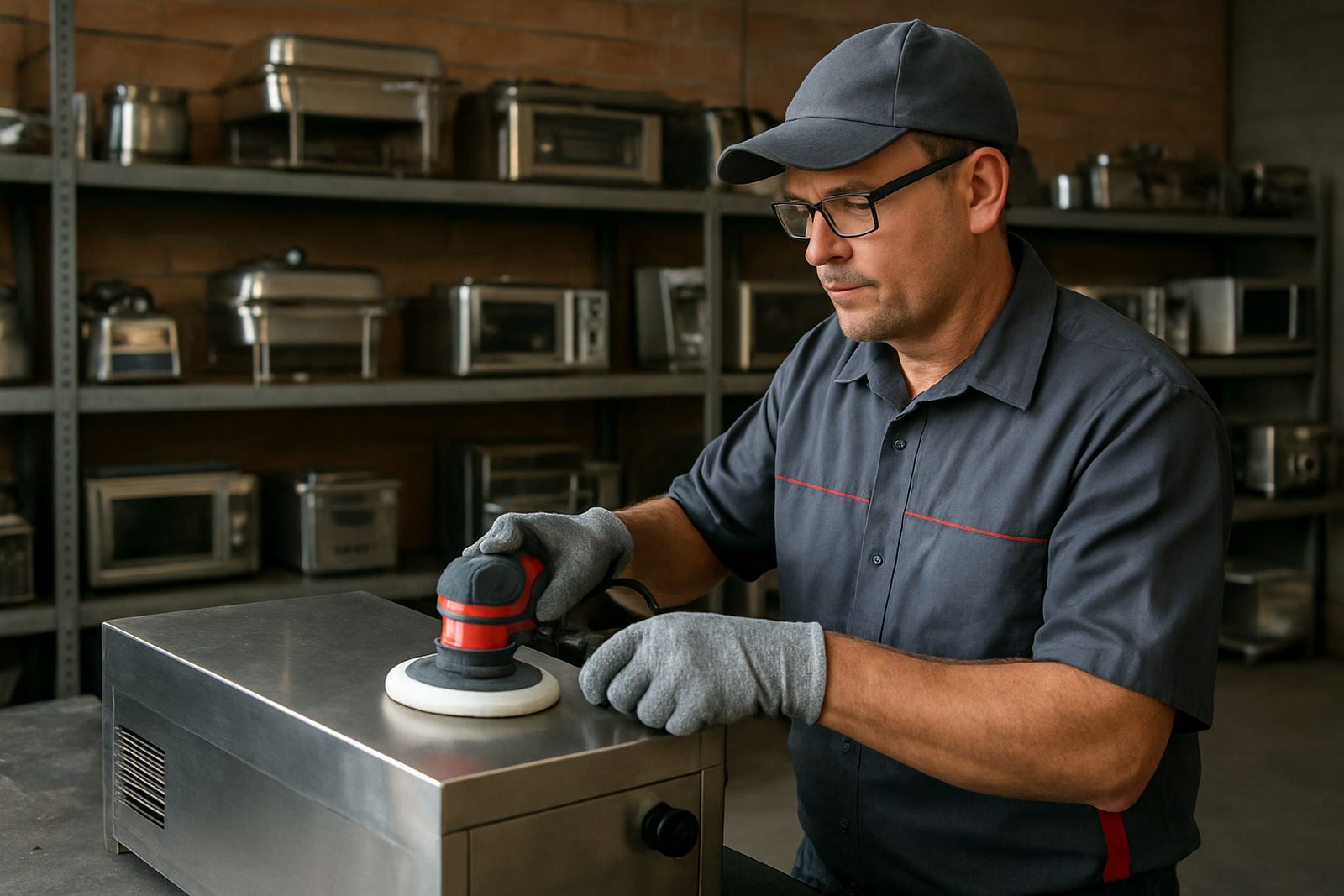
Our servicing work covers preventive maintenance, breakdown repairs, workshop refurbishment and handover training after installation. In practical terms, that means we look at the machine, explain what failed, and help you decide whether repair, refurbishing or replacement will give better value. In some kitchens, a planned service every few months is cheaper than losing trade during a busy week and calling for emergency help.
Using these notes to plan a better kitchen
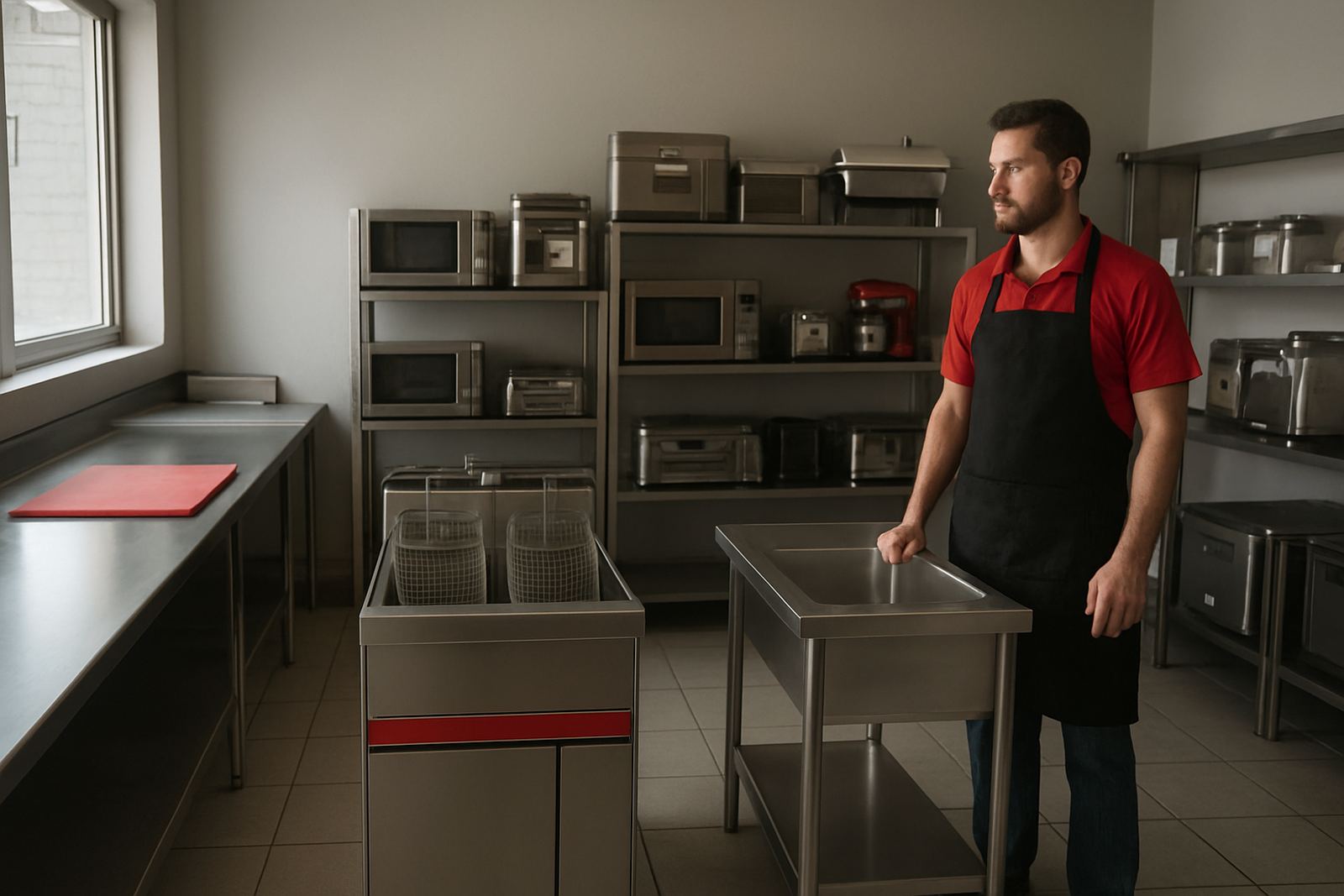
These articles are meant to help before purchase, after delivery and during daily use. They are also useful when a kitchen is being reconfigured or expanded, because the layout of equipment can affect labour, power use and food flow. A fryer placed too close to a prep table, or a microwave hidden in the wrong corner, creates extra steps and slows the line down.
When you read through the notes, think about your own site: who is using the equipment, where the busiest point sits, and what needs to happen if one machine goes down. That is the practical side of kitchen planning. If you want a quote, a site assessment or help sourcing equipment for Pretoria, Centurion, Midrand, Kempton Park, Boksburg or Randburg, send the details through and we will work from there.
The aim is simple: fewer surprises, cleaner handovers, and equipment that fits the way your team actually works.