Why a small spare stock matters in a working kitchen
Most kitchen breakdowns do not start with a dramatic failure. They usually begin with one worn seal, a tired element, a loose thermostat, or a switch that starts acting up after months of heat and moisture. If you run fryers, toasters, mixers, microwaves or chafing equipment, the first sign is often slower performance, uneven heating or strange noises. Catching that early can save a whole shift.
In a busy site, time is the expensive part. A fryer that is down for one lunch service can affect chips, chicken, catering packs and take-away sales at once. That is why many operators keep a short list of useful spare parts on site. It is not about filling a store room with boxes, it is about having the few items that stop a minor fault from becoming a long stoppage.
The spares most kitchens ask for first
There are a few parts that come up again and again during servicing and breakdown calls. These are the ones worth discussing when you do your equipment quotes or preventive servicing plan.
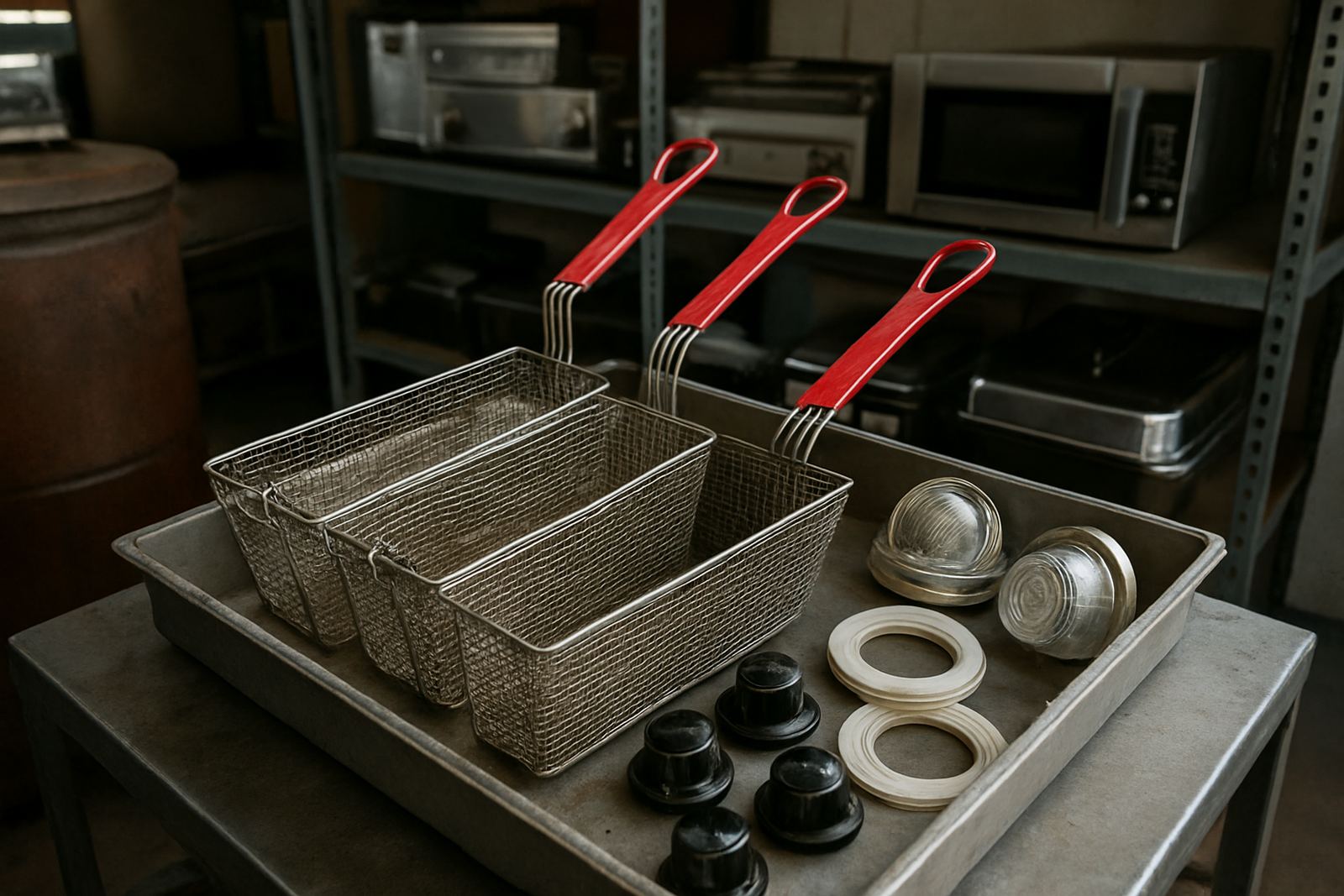
- Heating elements for fryers, hot cupboards and some ovens
- Thermostats and temperature probes
- Timer switches and control knobs
- Door seals and gaskets
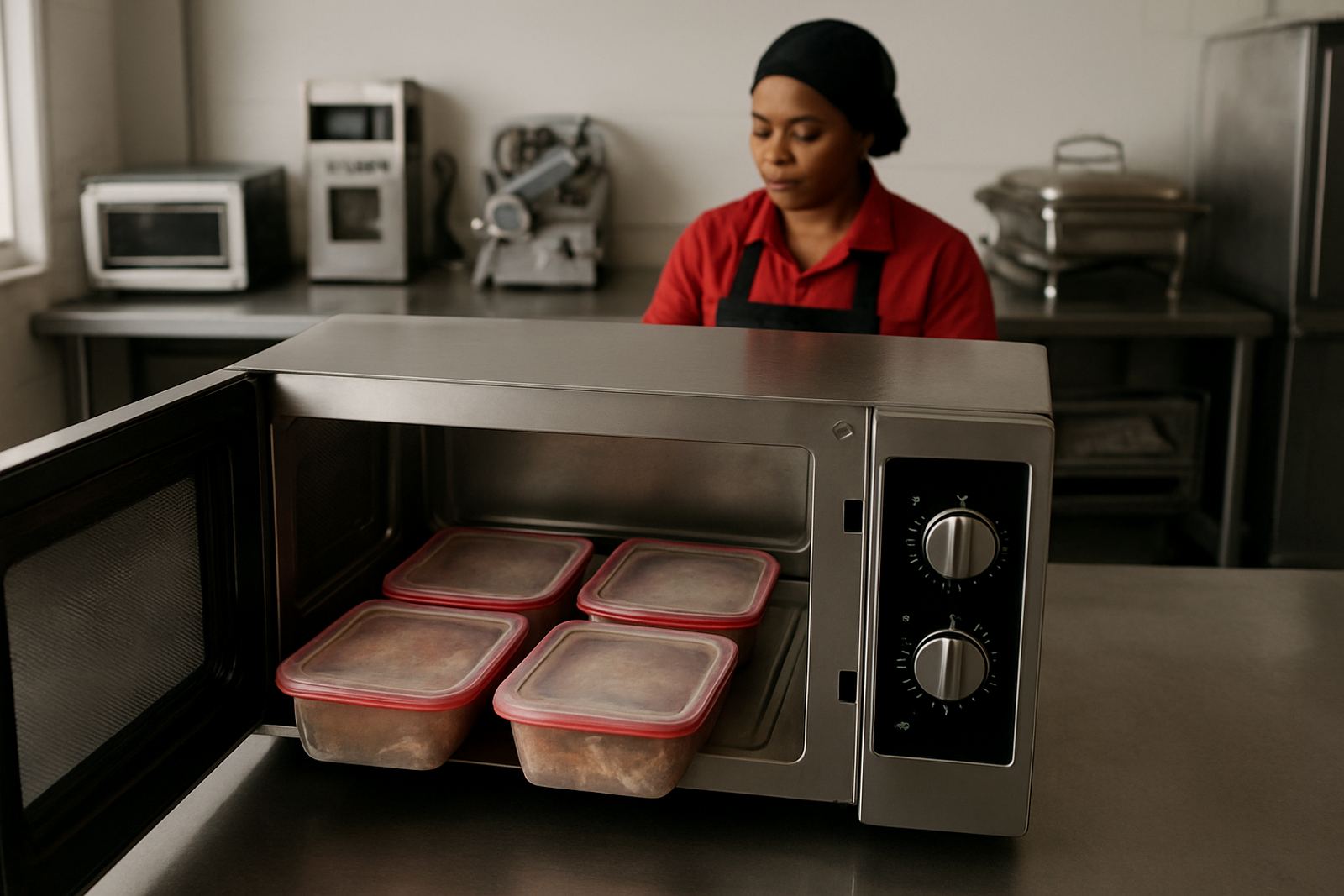
- Microwave magnetrons, fuses and door switches where suitable
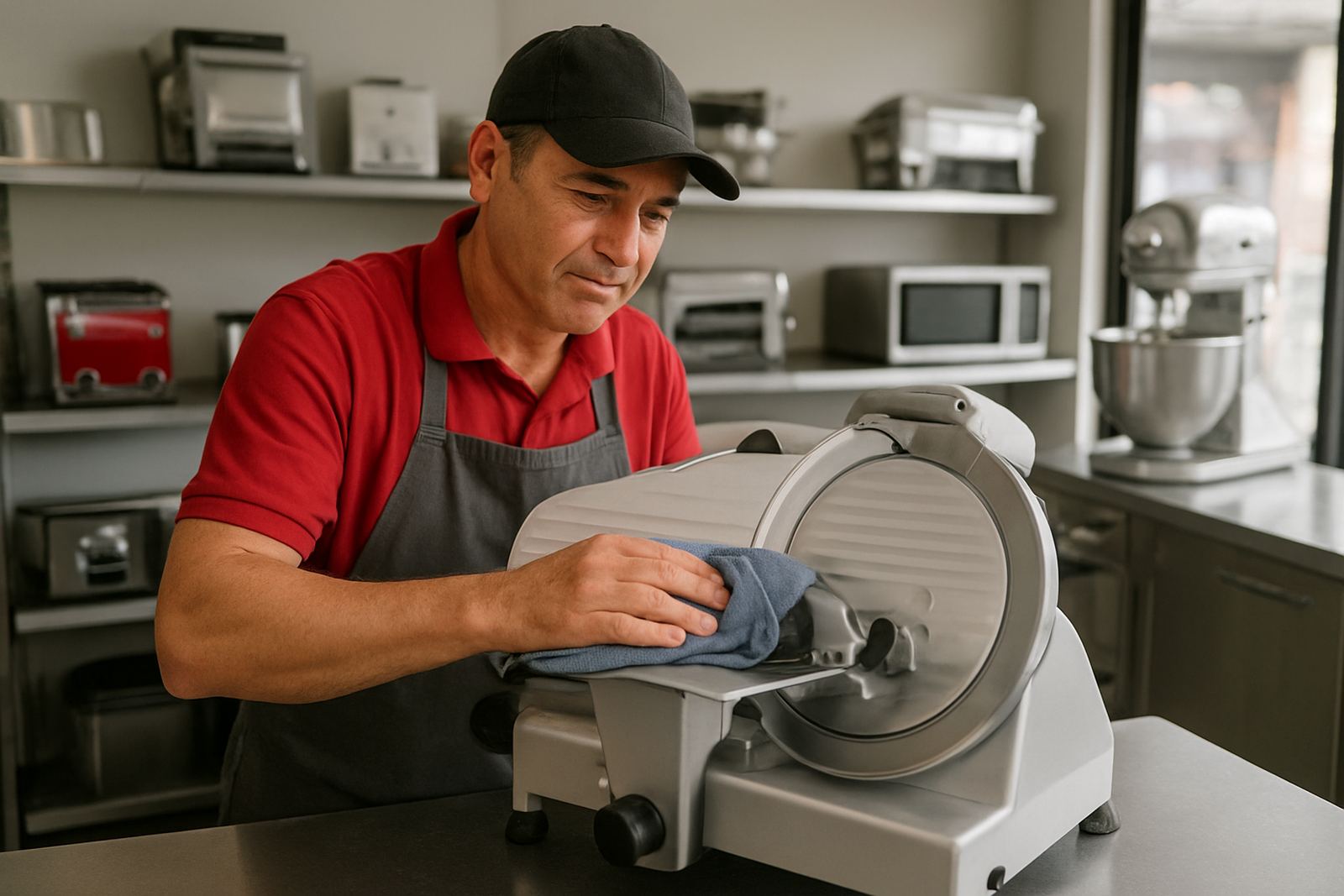
- Mixer beaters, bowls, belts and safety switches
- Toaster elements and crumb trays
- Tap washers, drain valves and strainers for some units
Not every item fits every machine, so model details matter. A part that looks similar can have a different rating or mounting point. That is why it helps to keep equipment labels clear and to send photos with your query when asking for quotes.
What to keep at the branch and what to order as needed
You do not need to stock everything. A good rule is to keep only the parts that fail often, are inexpensive, and stop service immediately when they go. For many kitchens that means fuses, knobs, pilot parts where applicable, door handles, filters, and a spare set of seals. Higher value items such as full control boards or motor assemblies are usually better ordered as needed unless the kitchen runs 7 days a week and a delay would be costly.
For a restaurant in Centurion or a school kitchen in Pretoria Central, the right stock level may be different from a small café in Randburg. Coastal humidity is not the issue in Gauteng, but grease build up, dust and heavy use still wear parts down. If your team is losing time to the same fault more than once, it is worth setting aside that part before the next service rush.
- Keep low-cost wear items on hand
- Match stock to your busiest equipment
- Replace parts before they fail completely
- Record part numbers and service dates
How useful spares reduce downtime during load-shedding
Load-shedding changes how kitchen equipment ages. Power cuts and restarts can put extra strain on heating circuits, controls and small motors. Staff may also rush restarts, which means more wear on switches and plugs. A kitchen that keeps a few spare parts nearby can get back to normal faster after a power interruption or a sudden fault.
In practice, this may mean replacing a blown fuse, a damaged thermostat or a worn contact part the same day instead of waiting for a return visit. If the unit still needs proper diagnosis, at least you have removed the first obstacle. That can keep breakfast moving, or save the lunch prep window before the next delivery arrives.
A Pretoria example: one small part saved the lunch trade
A busy canteen in Silverton called during the midday rush because one fryer was heating slowly and tripping its cut-out. The problem turned out to be a failed temperature control part, not the entire machine. Because the kitchen kept a few sensible spares from an earlier servicing plan, the team had the replacement on site and the fryer was back in use the same afternoon.
The cost of that part was modest. The saved value was in the meals that still went out, the staff time not wasted, and the fact that the kitchen did not need to shift the whole menu around for two days. That is the real value of useful spares. They do not solve every fault, but they often prevent one part from taking a whole line out of service.
Buying the right spares without wasting money
Useful spares should be chosen with care. It helps to work from the actual equipment on site rather than guessing from a photo or memory. Note the machine type, age, voltage and serial details where available. If the unit has already been repaired before, check whether the previous part was a temporary fix or the correct long-term item.
Afchain Catering Equipment handles quotes, servicing and sourcing for kitchens across Pretoria and Gauteng, including Centurion, Midrand, Kempton Park, Boksburg and Randburg. That means you can ask for help with part identification, installation, and whether the repair is worth doing on an older unit. Sometimes a lower-cost spare is all you need. Other times a full workshop refurbishment or replacement makes better sense.
- Send clear photos of the old part
- Share the equipment model and power details
- Ask if the part is new or used
- Confirm whether fitting is included
A simple spare-parts plan for busy kitchens
A practical spare-parts plan does not need to be complicated. Start with the items that fail most often, keep a short list with descriptions, and make sure the team knows where those parts are stored. Add the supplier contact, quote reference and service notes to the same folder so the next breakdown does not waste time. That one habit can save an hour when the pressure is on, maybe more.
If your kitchen uses mixed equipment, or if some of it is second-hand, a quick review after each service visit can help you decide what to keep. For many businesses, the best approach is a small box of useful spares, regular servicing, and a trusted technician who knows the site. It is a straightforward way to keep trading when equipment starts to misbehave.