1. A three-sink line gives the kitchen a proper wash path
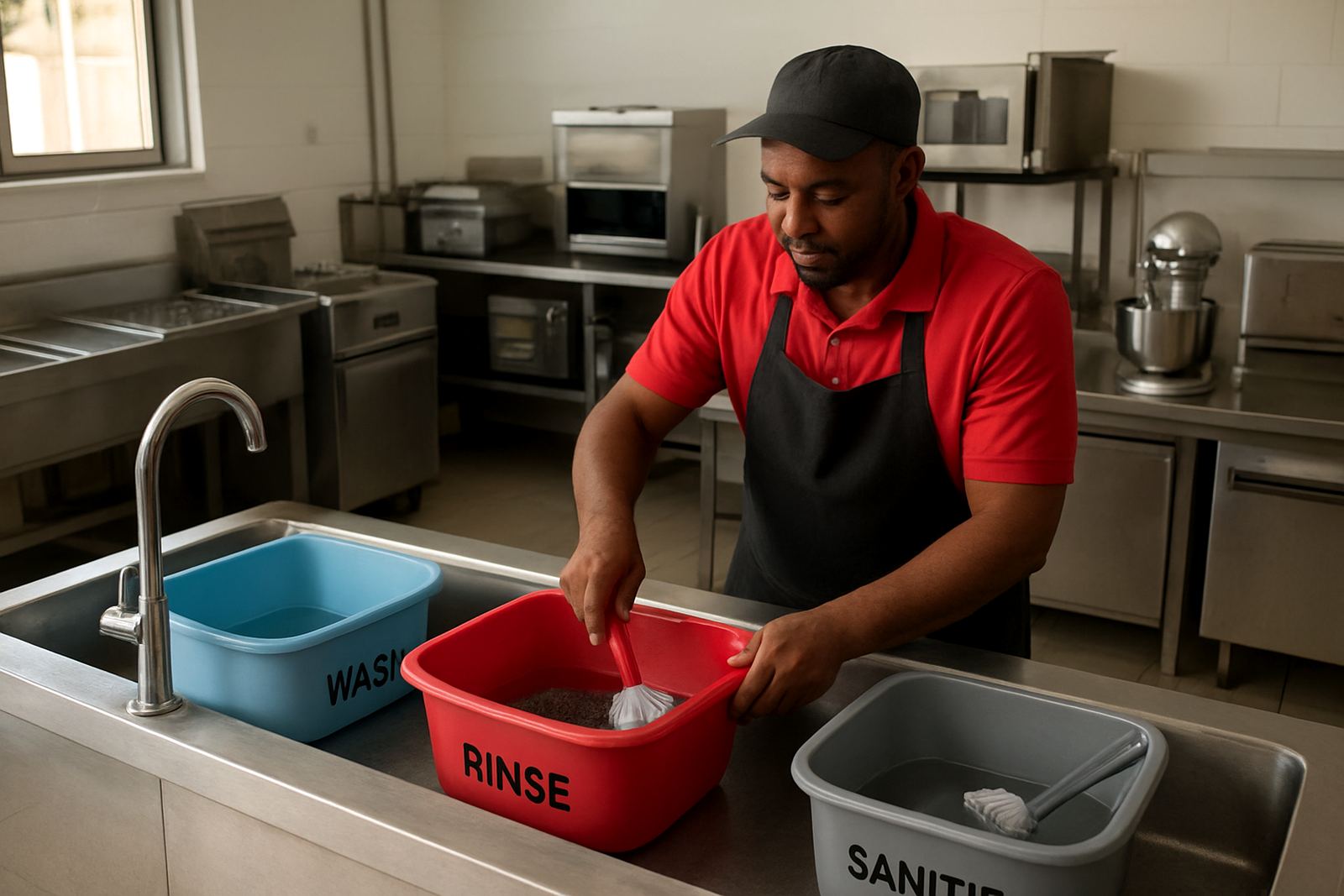
In a food business, washing up is not just about getting plates clean. It is about controlling what touches food next, and when. A three-sink setup separates the job into three clear stages: wash, rinse, and sanitise. That makes the process easier to train, easier to supervise, and less likely to go wrong during a rush.
When one sink does everything, staff often shortcut the process. Grease stays on trays, soap residue stays on cutlery, and sanitiser gets diluted because the water is already dirty. With three sinks, each basin has one job and the standard stays consistent even when the kitchen is short staffed or dealing with a lunch run.
2. Why compliance officers and health inspectors like it
Municipal environmental health officers usually want to see separation between soiled items and clean items. A three-sink setup helps show that your kitchen has a process, not just a place to stack dishes. That matters in canteens, takeaway kitchens, school kitchens and catering stores where inspection records and hygiene practices are checked more often.
The layout also supports daily discipline. Staff can be told exactly where to place pots, where to rinse, and where the sanitiser step starts. In a small operation in Pretoria Central or Centurion, that structure can make the difference between a smooth inspection and a long list of corrections.
- Dirty items enter on one side only
- Washing detergent stays in the first sink
- Clean rinse water is kept separate
- Sanitiser contact time is easier to monitor
3. It helps during load shedding, water pressure dips and busy service
Many Gauteng kitchens work through load shedding, low water pressure, and peak trading hours that never quite match the schedule. A three-sink setup gives the team a clearer routine when things are already under pressure. If the water heater slows down, or the geyser is being shared with another area, the wash station still functions in an organised way.
In practice, this means fewer delays at the pass and fewer trays waiting beside the fryer or toaster line. It also means staff are less tempted to wash, rinse and sanitise in one basin just to save time. That shortcut usually creates more work later, especially when grease builds up on gastronorm pans and serving spoons.
- Less backtracking between prep, service and washing
- Cleaner segregation of hot and cold kitchen tasks
- Better control when power or water supply is inconsistent
- Easier training for new staff and casual workers
4. Three sinks are useful beyond restaurants
People often think a three-sink setup is only for large restaurants, but the same logic helps bakeries, school kitchens, butcheries, church halls and mobile catering units. Any place that handles food in volume needs a reliable way to wash utensils, trays and small equipment without mixing dirty and clean items.
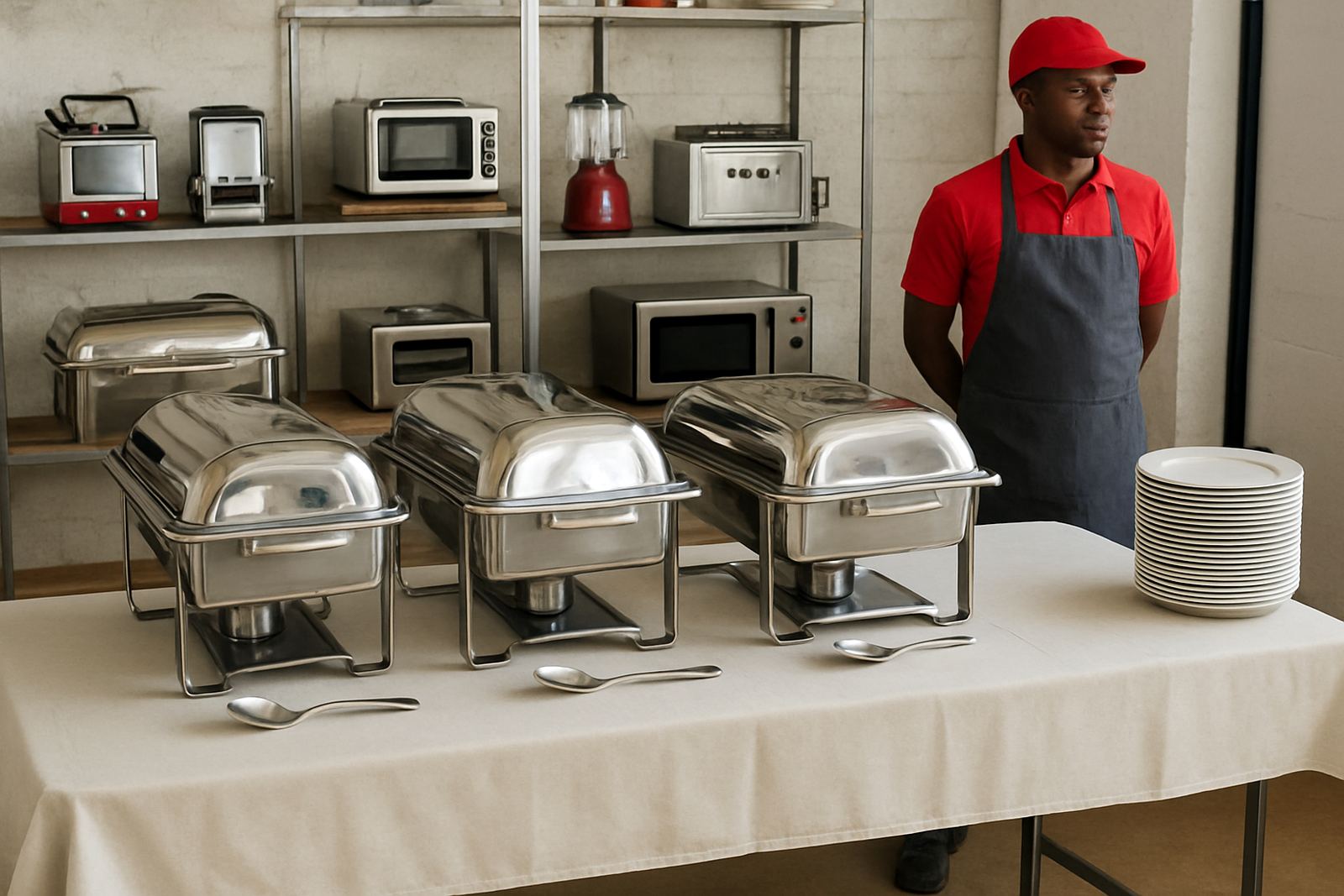
In Silverton, for example, a caterer doing functions across Pretoria might return from a wedding with serving tongs, chafing dish inserts, ladles and baking trays all at once. If the wash area is properly planned, the team can sort, soak, wash and sanitise without turning the floor into a traffic jam. That saves time and lowers breakages too.
5. The layout must suit the room, the drain points and the workflow
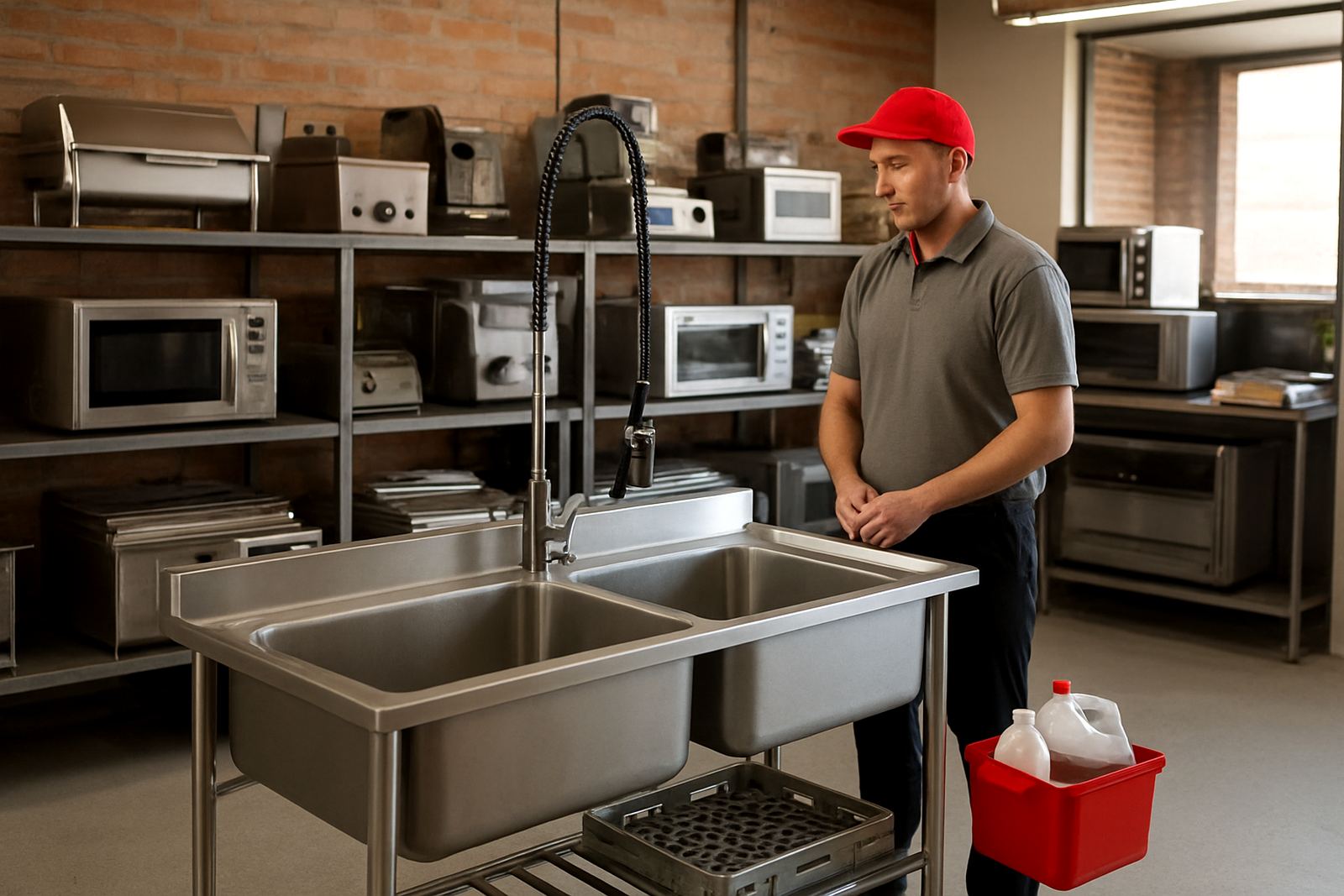
A good three-sink line is not only about buying three basins. The widths, depths, drain positions and wall clearances must fit the kitchen. Stainless steel is usually the preferred finish because it handles moisture well, but the surrounding setup matters too. You need enough landing space on both sides, safe access to hot water, and a floor that can handle splashes without pooling.
It is also worth planning where the clean side ends and the dirty side begins. If the sink is placed too close to dry storage or the final plating area, the whole benefit is reduced. Kitchens in Boksburg or Kempton Park, especially where the room is tight, often need a custom arrangement rather than a standard off-the-shelf fit.
- Measure the wall length before ordering sinks
- Check drain points and water inlet positions first
- Allow space for drying racks or a drain board
- Keep the sanitising sink separate from food prep surfaces
6. A practical Pretoria example makes the point clearly
Take a medium caterer in Pretoria Central preparing lunches for offices and functions. During the morning, the team uses mixers, trays, pots and serving utensils in quick succession. If all washing is done in one basin, the queue grows fast and the clean items end up being handled too soon. With three sinks, one person can handle wash, another can rinse, and another can sanitise and air-dry. The kitchen moves better and the workflow stays calm.
That is the real value of a three-sink setup. It does not only help with hygiene, it also helps with kitchen discipline. Staff know the sequence, managers can monitor it, and the risk of contamination drops. For many Gauteng businesses, that is a better investment than simply buying another appliance that looks busy but does not improve the way the kitchen works.
If you are fitting out a new site, reworking an older prep room, or replacing tired wash-up gear, it pays to think through the sink line at the same time as the fryers, toasters and other working equipment. The wash area is part of the production system, not an afterthought.