Why some food heats in patches
Microwave ovens do not heat every part of a meal at the same rate. Dense foods, thick sauces and tightly packed containers all absorb energy differently, so one corner can come out steaming while the middle is still cold. In a busy kitchen that means extra stirring, longer cycle times and more call backs from staff who need food ready now.
In Pretoria and the rest of Gauteng, where small takeaway counters, school kitchens and canteens often run at speed during lunch, this matters a lot. A microwaved curry, soup or pasta dish should not need three trips back to the oven before it is safe to serve. Better reheating begins with simple habits that keep the load even.
The good news is that you do not need a complicated machine setting to fix most of it. The container shape, portion size and loading pattern usually give faster results than changing power levels over and over.
Choose containers that spread food, not pile it up
Wide, shallow containers are usually better than tall ones. Food in a low layer is easier for the microwave to heat through, especially when you are dealing with thick mash, rice dishes, stews or mince. Deep tubs can trap cold spots in the centre and that slows everything down.
Use microwave safe containers with straight sides when possible, because they heat more evenly than awkward shapes with narrow bases. Lids should allow some venting so steam can move. A tight lid can build pressure and make the top of the food hot while the lower section stays behind. If you are reheating soups or sauces, leave enough headspace for movement and stirring.
Material matters too. Thin plastic, toughened glass and suitable food grade containers all behave differently, so test what works best for your menu. Avoid cracked or warped containers because they heat badly and make cleaning harder, especially where kitchens run through long shifts and there is not much time for sorting out damaged items.
- Use shallow, wide containers for stews, rice and pasta.
- Leave a little headspace so steam can circulate.
- Keep lids loose or vented to reduce cold centres.
- Replace damaged tubs that have warped corners or rough edges.
Load the microwave with even spacing
How you place the container inside the oven can be just as important as the container itself. A single tub should sit centred on the turntable if the oven has one, with no other trays, bowls or packets crowding the space. If the oven is full of different items, hot and cold spots become more likely and the outer edges of the load can block heat movement.
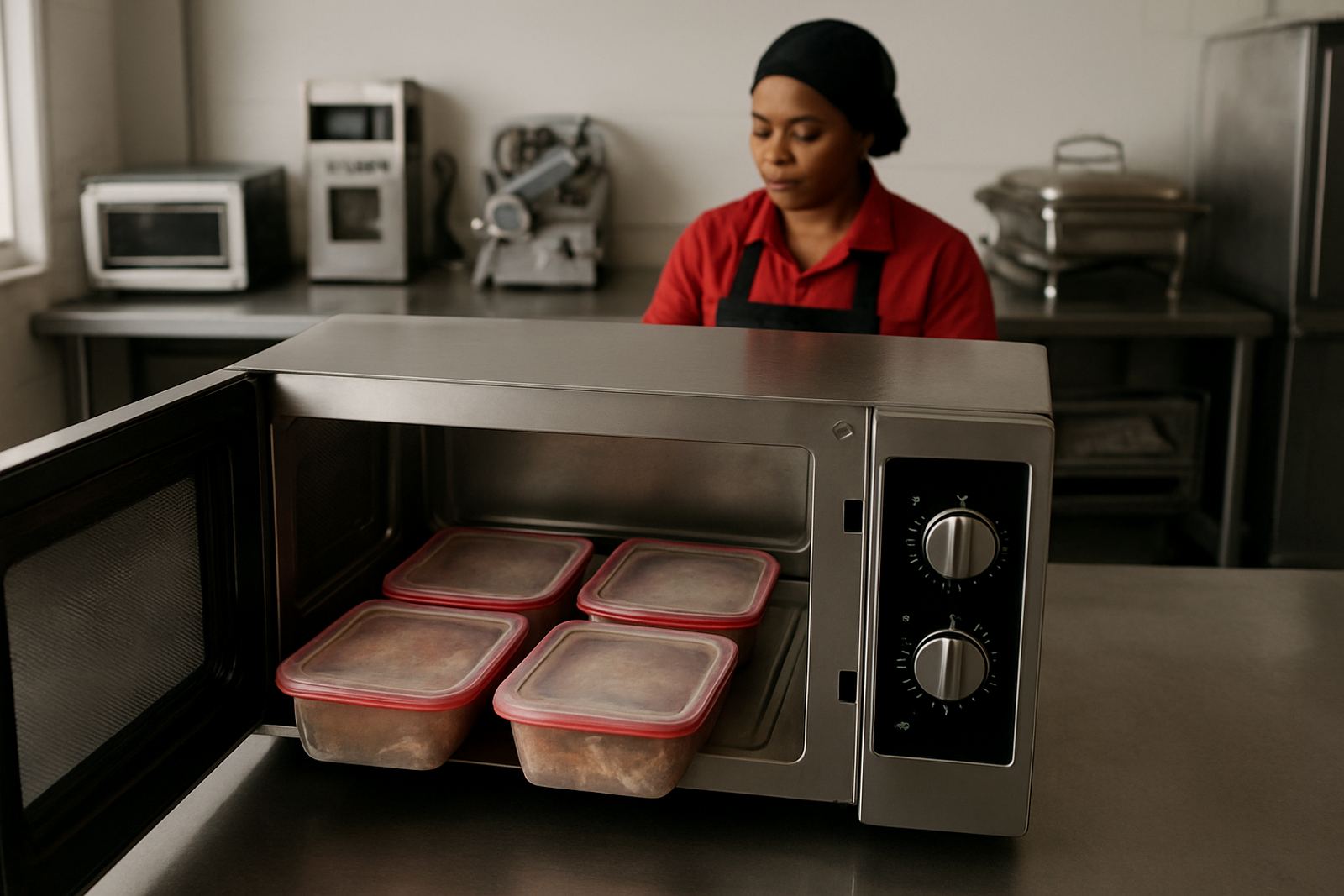
For multiple portions, leave a gap between each container so the microwave energy can reach more of the surface. Touching containers shield each other and the section between them often stays behind. In a school kitchen in Centurion, for example, reheating six lunch tubs at once may look efficient but the middle pair usually need extra time unless they are staggered properly.
When reheating the same product in batches, keep portions as close as possible in size. One half full tub next to a full tub creates different heating times and the staff then have to guess which one needs another 20 seconds. That is where consistency breaks down.
- Centre single containers on the turntable.
- Do not crowd multiple portions together.
- Match portion sizes before starting a batch.
- Keep foil, metal lids and metal trays out of the cavity unless the oven is designed for them.
Stir, rotate and rest for better results
Most food improves when it is stirred part way through the cycle. That breaks up hot edges and brings the colder middle into the warmer zone. Soups, sauces, mince and vegetables all respond well to a quick mix halfway. For solid foods, rotating the container can help if the oven does not already spread heat well.
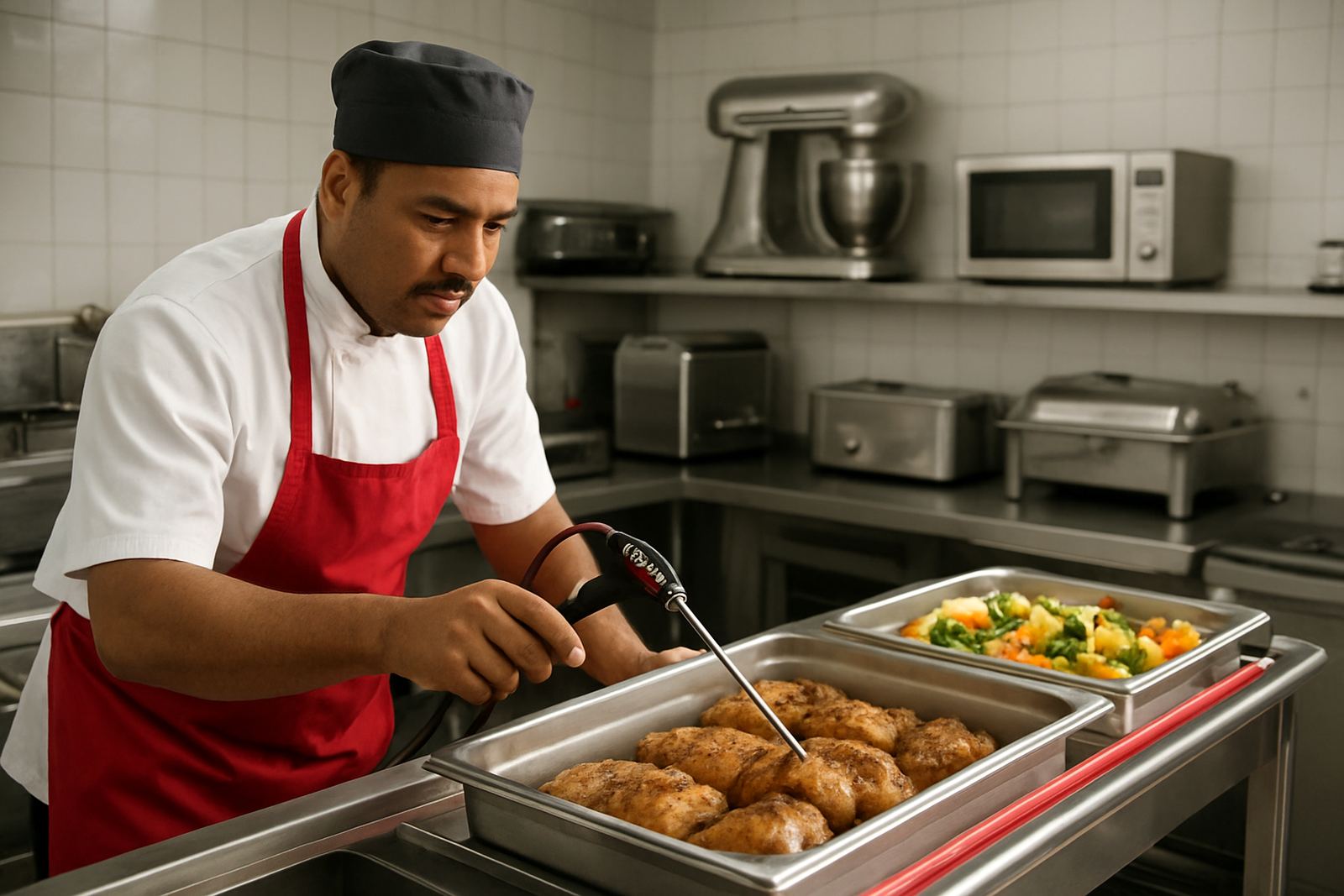
Rest time matters too. A meal that looks uneven the moment the timer stops may settle into a more even temperature after 30 to 60 seconds. The heat continues moving from the outside toward the centre, so give the food a moment before serving. This is especially useful for meals that have been in a cold room or fridge for several hours.
If you are heating starch-heavy foods like rice or samp, add a small splash of water and cover them lightly. That helps the steam move through the container and reduces dry spots. Just do not overdo it, because too much liquid can leave one part soggy and another still cool.
Match the microwave to the job
Not every kitchen needs the same size or power rating. A small office kitchen in Randburg may only need light duty reheating, while a takeaways counter in Boksburg or a canteen near Pretoria Central may need repeated cycles all day. If the oven is underpowered for the volume, staff will keep adding time and that often leads to dry edges and cold middles.
When choosing equipment, think about what is reheated most often. A soup station needs different handling from a bakery counter or a staff lunchroom. Load-shedding is another local issue, because a kitchen that runs on backup power needs equipment that starts quickly and reheats without wasting electricity. If the supply is unstable, the machine should still recover well after a short interruption.
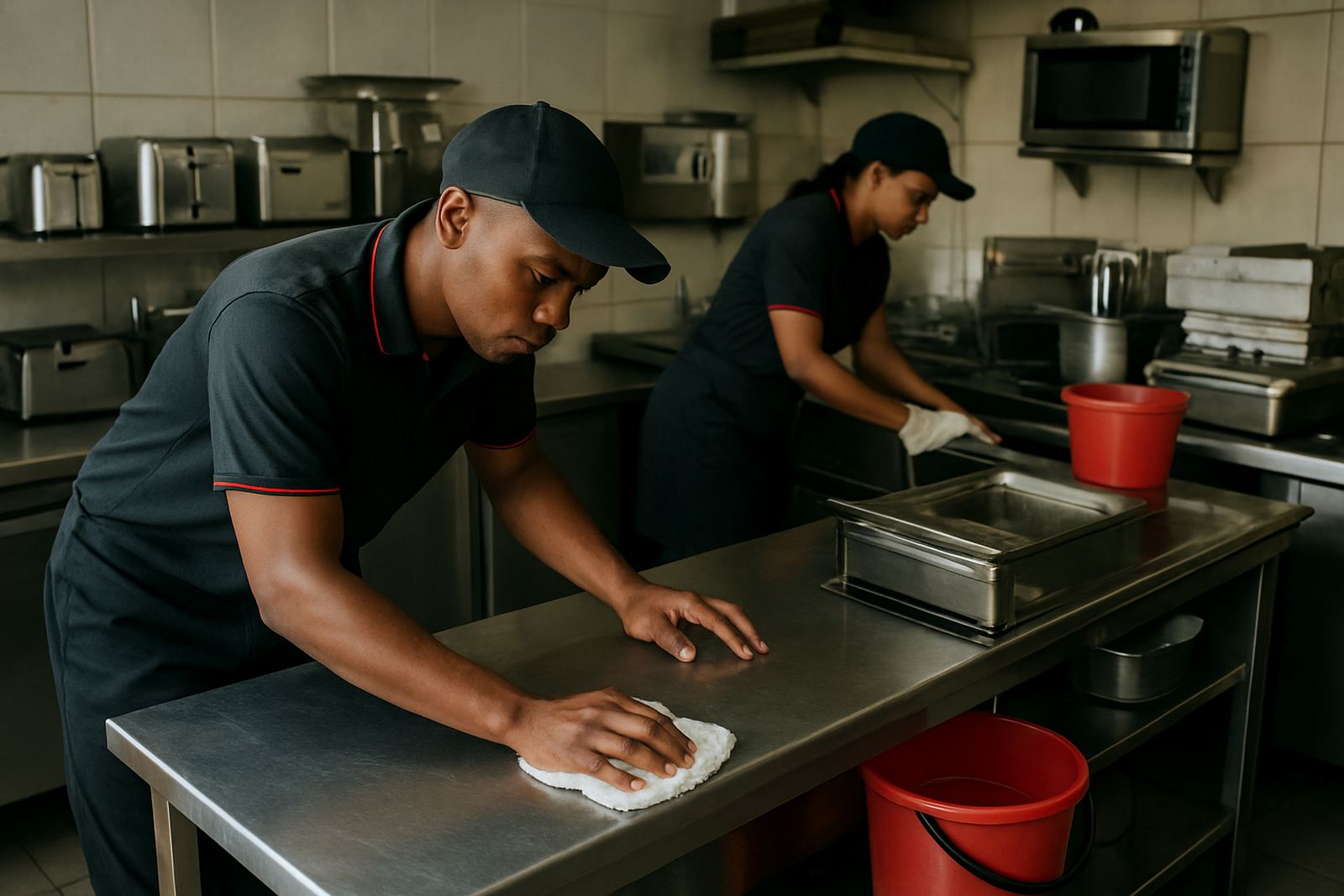
African summer humidity and coastal air can also affect stored containers and fitted equipment parts. In practice, that means keeping door seals clean, vents clear and the cavity dry. Good servicing helps the oven maintain output and makes temperature spread more predictable over time. If a microwave begins taking longer than usual or food heats unevenly from one side to the other, it is worth checking before the problem grows.
A practical Gauteng example from service counters
A catering site in Midrand serving staff meals had the same complaint every afternoon: the centre of the food was cool while the edges were too hot. The kitchen was using deep plastic tubs and stacking them too close together during peak rushes. After changing to wider containers, spacing the portions and adding a short stir halfway through, the team cut reheating time and reduced waste. The food came out more consistent, and the serving line moved faster.
That sort of fix is usually not about replacing everything at once. It starts with the basics and then gets adjusted to the actual menu. A curry kitchen, a breakfast counter and a school feeding line all need different loading habits, so there is no single setting that solves every case. The point is to make the microwave work with the food, not against it.
At Afchain Catering Equipment in Silverton, Pretoria, we supply microwaves and other catering equipment for businesses across Pretoria Central, Centurion, Midrand, Kempton Park, Boksburg and Randburg. We also assist with quotes, servicing, repairs and practical kitchen changes when the current setup is causing uneven heating. If you need advice on what fits your menu, the container choice and the layout together make a strong start.
When to ask for servicing or a layout check
If reheated food keeps coming out unevenly even after you have changed containers and loading habits, the machine may need attention. Worn door seals, weak heating components, dirty vents or a tired turntable system can all affect the result. Sometimes the issue is not the microwave itself but the way it sits in the kitchen, with no space for airflow or with repeated overloading during peak hours.
A quick site assessment can help you see whether the answer is a servicing visit, a better container plan or a small kitchen reconfiguration. For some teams the fix is as simple as moving the microwave to a better position and setting a clear reheating routine for staff. For others it may mean a used replacement unit, a repair in the workshop or a proper installation with handover training.
For quotes and practical support, email quotes@afchain.co.za. A small change in how food is loaded can save time every day and keep service more even across the whole shift.