Why buffet fuel needs proper handling
Chafing fuel looks simple, but it sits under hot pans, open lids and busy serving lines where people move quickly. At a function in Pretoria or Midrand, that often means children near the buffet, staff topping up food, and guests reaching across trays, so the fuel must be placed and monitored with care.
Good fuel use is not only about heat. It is also about stability, ventilation and keeping the serving area tidy so nothing tips over. If a buffet runs for two hours or longer, one rushed refill or a tilted stand can cause a problem very quickly.
- Keep fuel tins away from table edges and loose cloths.
- Use on level surfaces only, not on uneven paving or soft grass.
- Make sure the food lane stays clear for servers and guests.
Set up the buffet before lighting anything
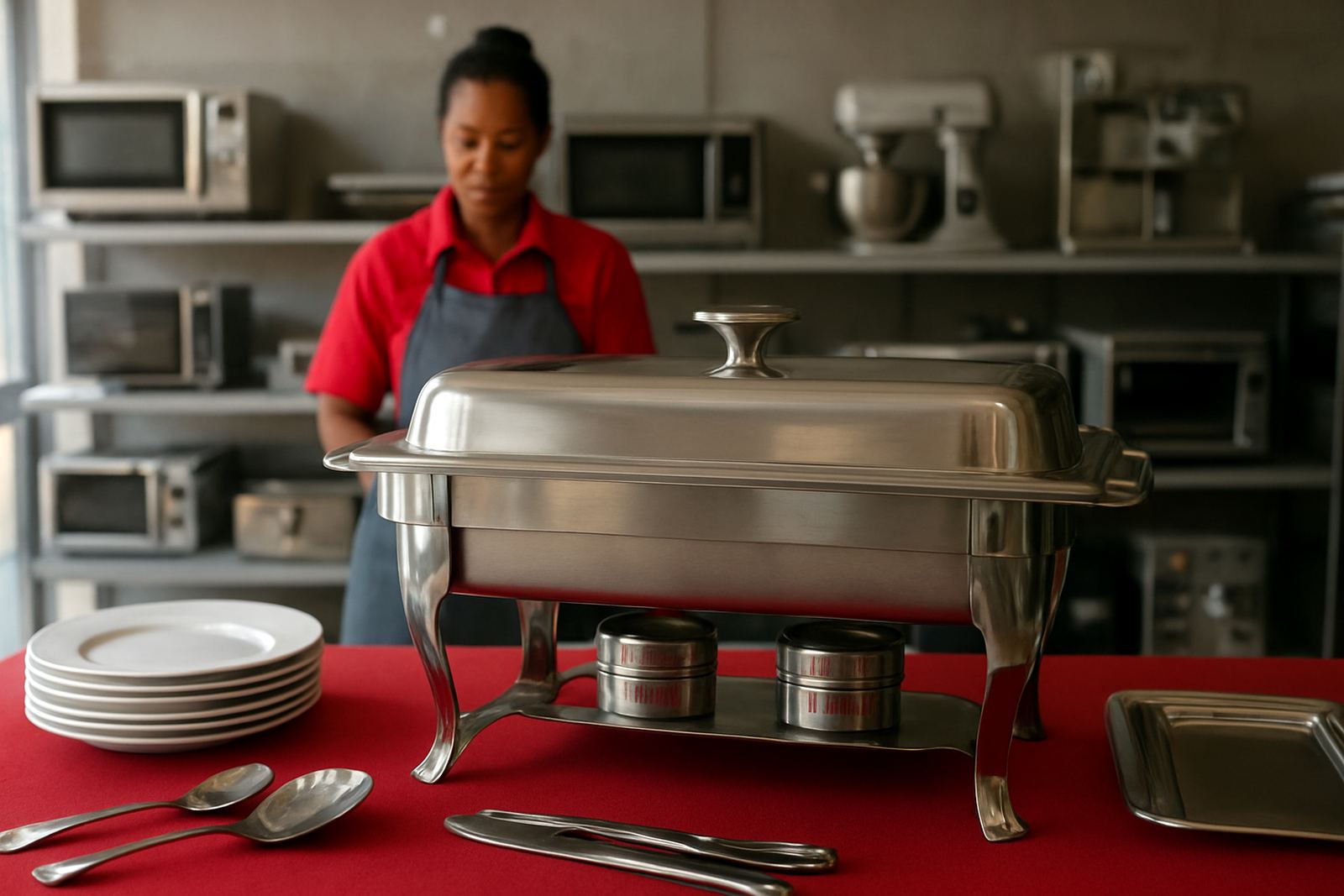
Before any fuel is opened, arrange the whole serving line first. That includes the chafing dishes, food pans, serving spoons, lids, drip trays and a space for used utensils. Once the flame is lit, you should not be moving equipment around or carrying a hot pan across the room.
Check the surface under each dish. A stable trestle table, tiled floor or solid counter is far better than a wobbly table. In places like Centurion, Boksburg or Randburg, event rooms are often shared with other functions, so it helps to keep the buffet compact and well marked.
- Set up away from curtains, décor sprays and paper serviettes.
- Leave enough space for staff to lift lids without crowding guests.
- Place a fire blanket or suitable extinguisher nearby where allowed.
Open, light and adjust fuel with care
Always open fuel cans or cups slowly and keep them upright. If you are using gel fuel, use only the amount needed for the service period and close the container again straight after use. Never decant fuel into another container that was once used for food or drinks.
Light fuel with a proper long lighter and stand to the side, not over the flame. Once alight, check the flame height before guests are served. A strong flame can overheat the water bath, while a weak flame may not keep the food at a safe serving temperature.
- Never top up a live flame.
- Let used fuel cool fully before removing it.
- Keep children and unauthorised helpers away from the line.
Keep food warm without drying it out
Fuel is there to support the buffet, not to cook the food. The food should arrive hot and then be held at serving temperature in the chafing dish. If the lids stay open too long, the steam escapes and the chicken, rice or vegetables dry out faster than people expect.
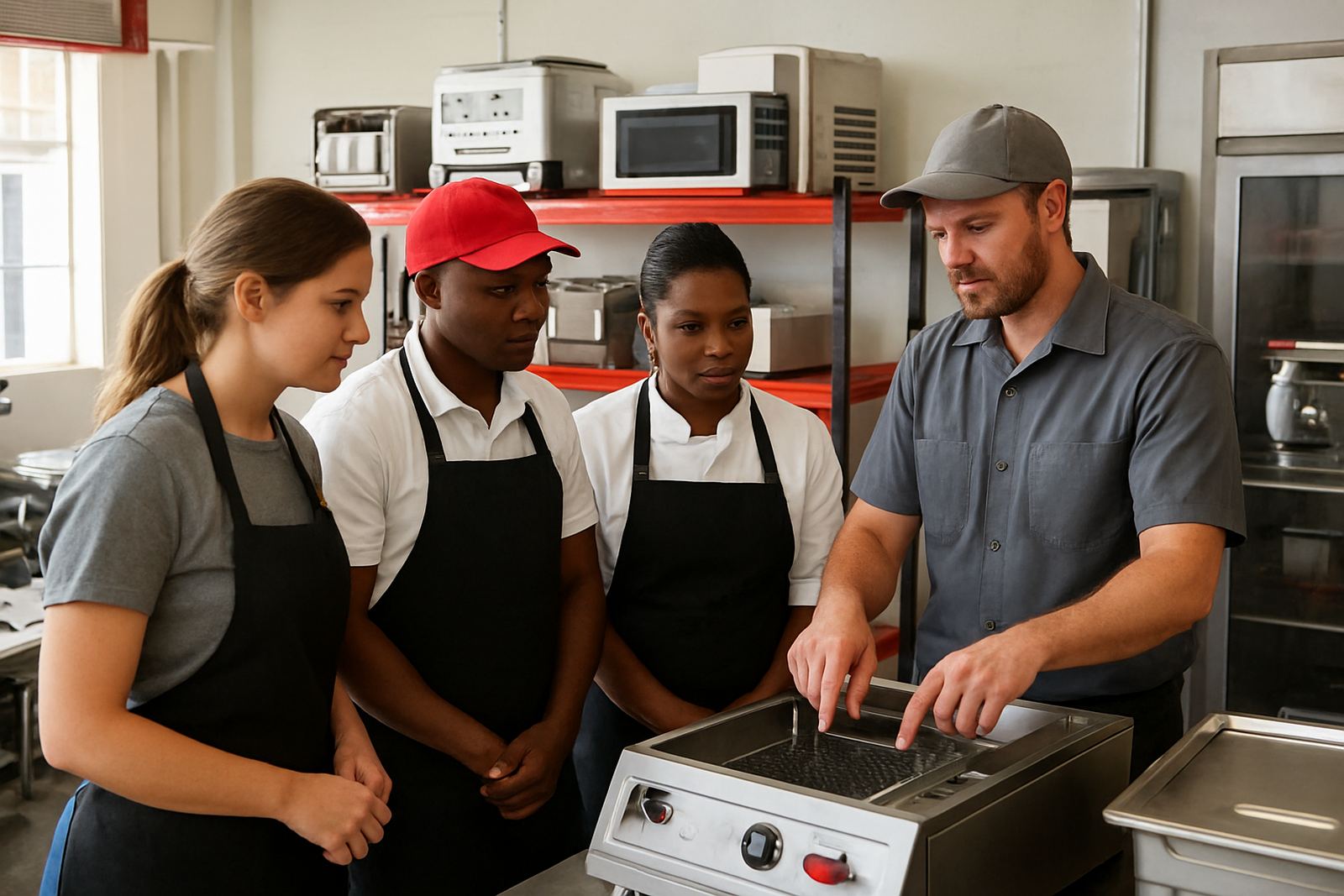
At busy events, assign one person to watch each station. That person can replace lids, stir sauces gently and make sure pans do not run empty. In Gauteng, where load shedding can interrupt kitchen prep, this is especially useful because food sometimes reaches the venue later than planned and needs tighter control during service.
- Preheat the water pan before adding the food pan.
- Do not overload pans to the brim.
- Refill in smaller batches so the buffet stays neat.
A Pretoria example from a church function
At a church function in Silverton, a small buffet for about 80 guests had three chafing dishes on a long table in the hall. The team set the dishes near a side wall, with enough room for one server to manage lids and another to bring out refills from the kitchen. The fuel was lit only after all the food was in place, and each station was checked every 20 minutes.
Because the hall had a few open windows and a steady flow of guests, the team kept the tablecloth tucked back from the burners and removed any loose paper decorations. The result was simple: the food stayed warm, the table remained orderly, and there were no hurried fuel changes in front of guests.
Cleaning up safely after service
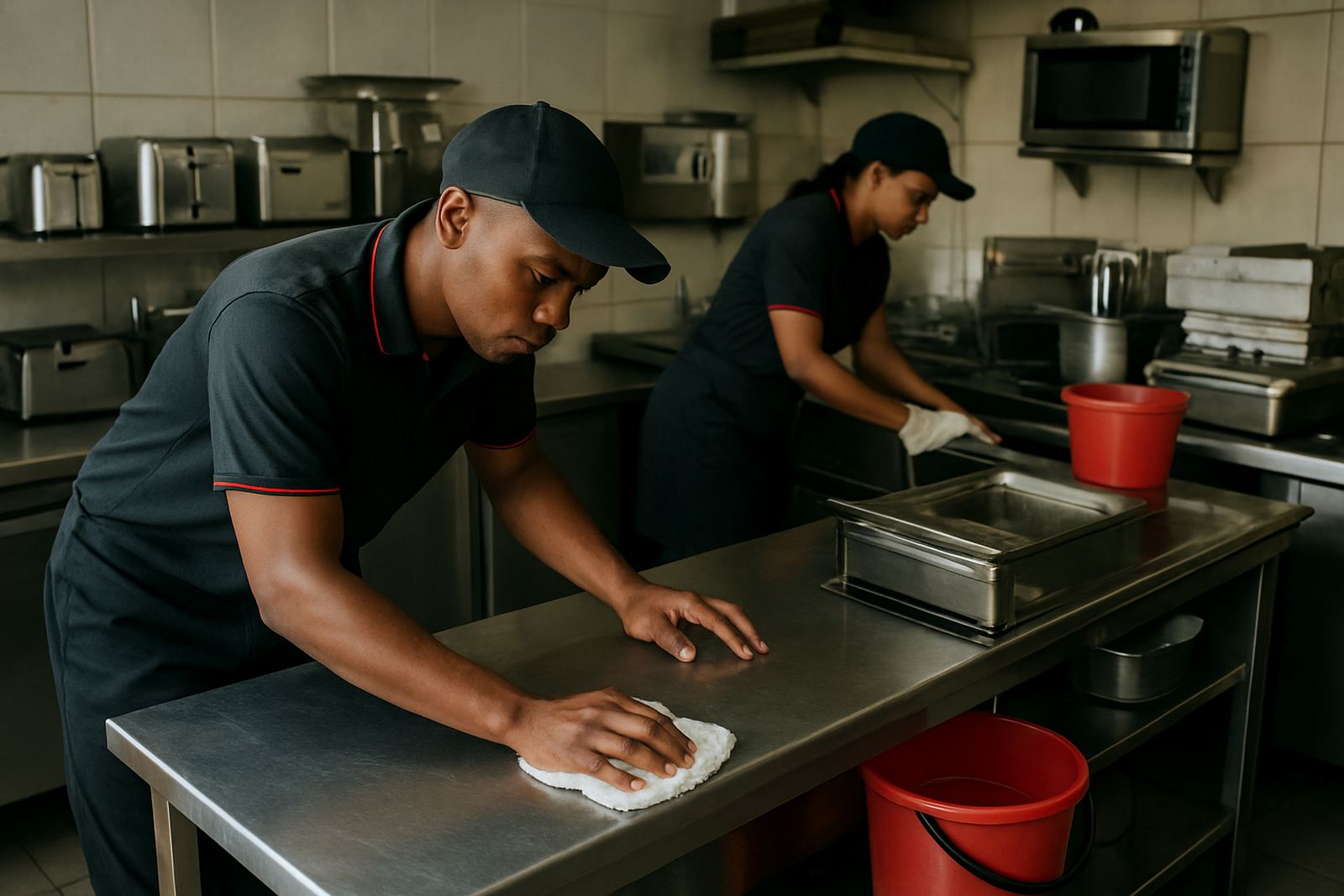
After the event, let every burner cool fully before moving it. Do not throw away a can or cup that still feels warm, even if the flame looks out. If there is any spilt fuel, clean it up carefully and keep it off concrete floors, fabric and packaging.
Store unused fuel in a dry, ventilated place, away from direct sun and away from kitchen heat. If you are servicing functions in coastal areas or humid venues, moisture can affect packaging and labels, so keep stock sealed and off the floor. Good storage also makes stock control easier when you have back-to-back jobs in Pretoria Central, Kempton Park or Midrand.
- Allow all parts to cool before stacking.
- Wipe down holders and inspect for dents or rust.
- Replace bent frames, cracked pans or unstable stands before the next hire or function.