




Start with the job the equipment must do
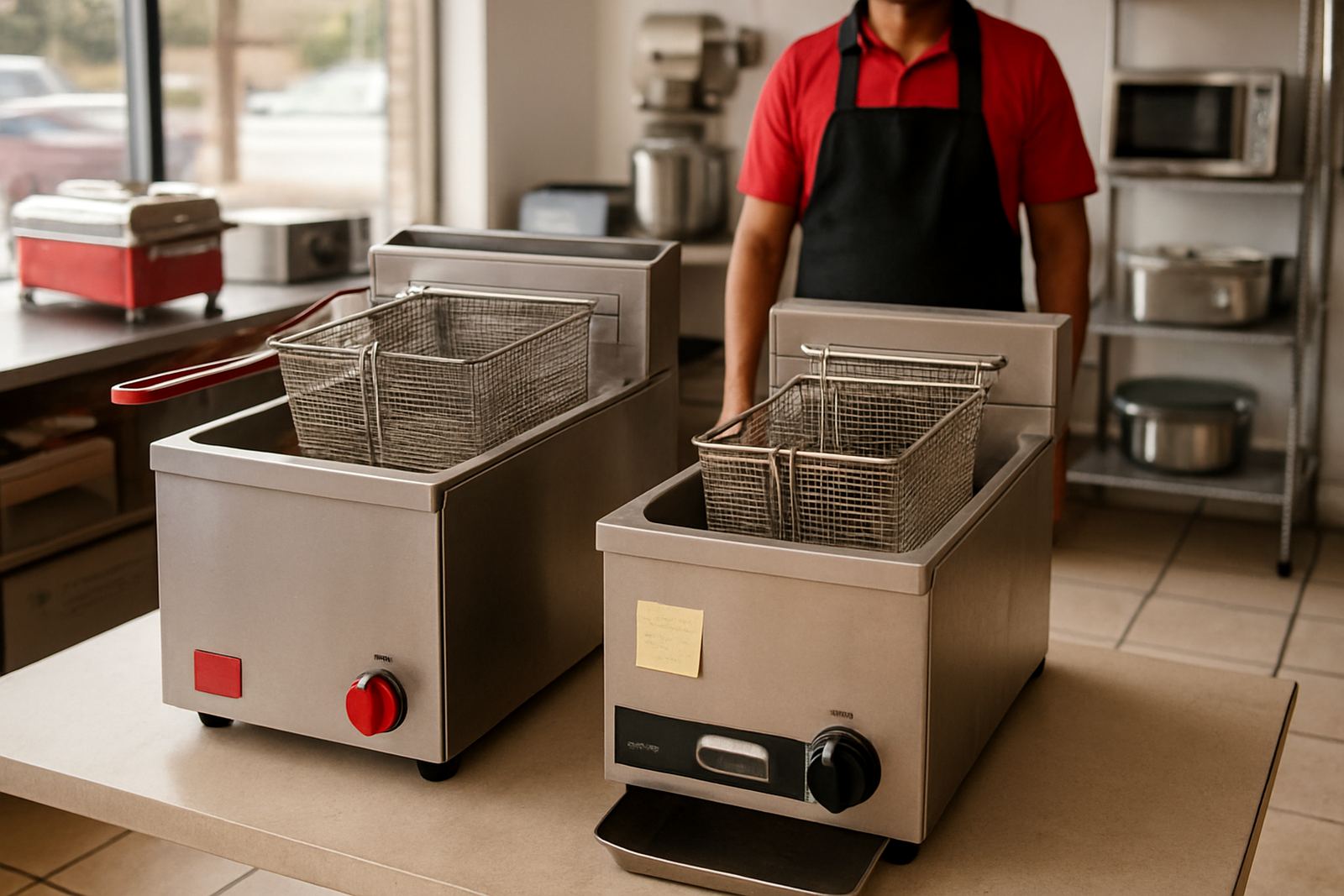
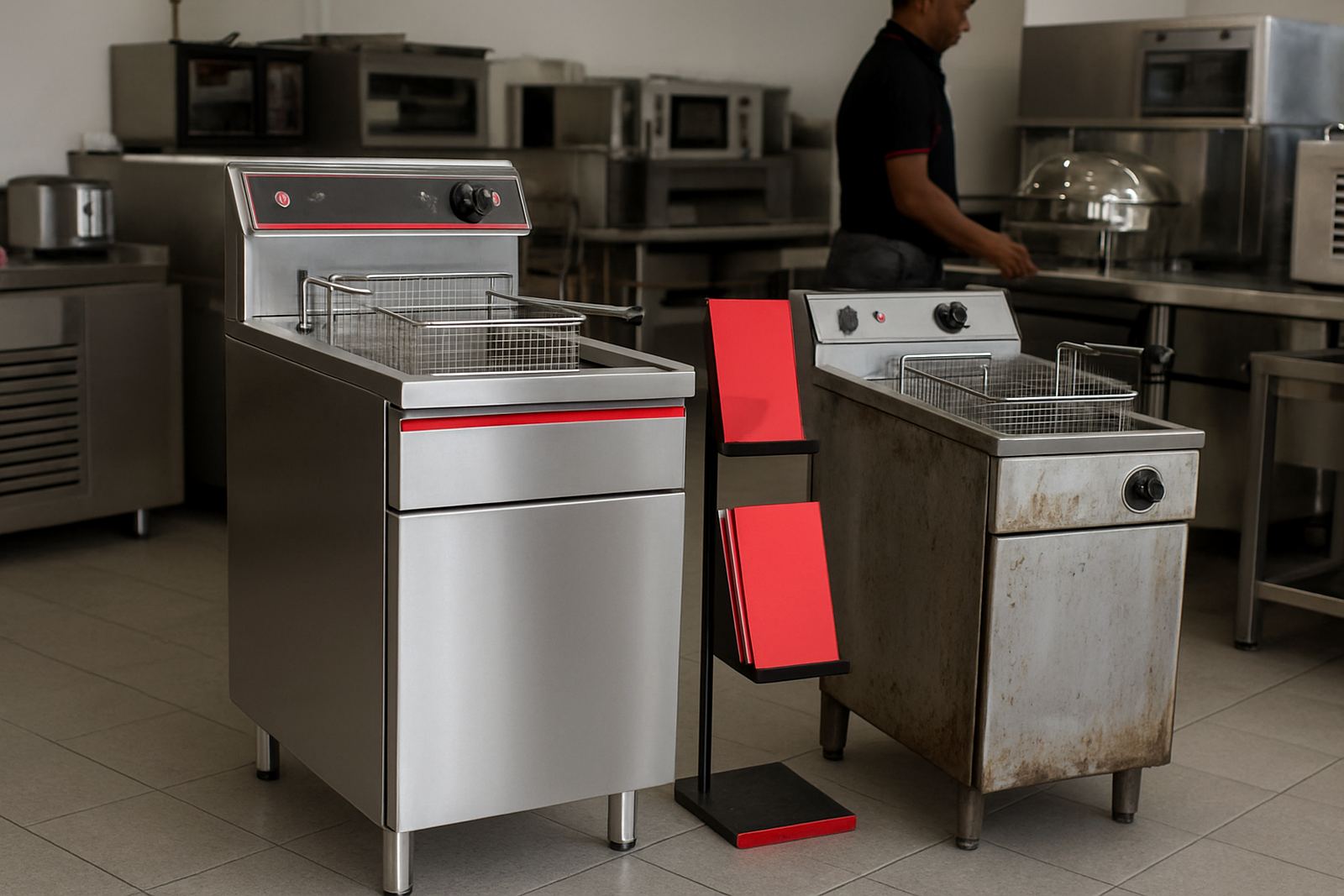
Before you compare models, decide what the unit must do during a normal service and during your busiest hour. A 10 litre fryer may suit a small takeaway in Centurion, while a larger kitchen in Midrand may need two vats to keep up when chips, chicken and vetkoek are all moving at once. Think about portion size, recovery time, and who will use the equipment on a daily basis.
If you are fitting out a new kitchen in Pretoria Central or adjusting a run-down site in Boksburg, the right choice is not always the biggest machine. Sometimes a smaller unit with the correct basket size, faster heating and easier cleaning gives better results and lower running costs.
Check size, power and placement before you buy
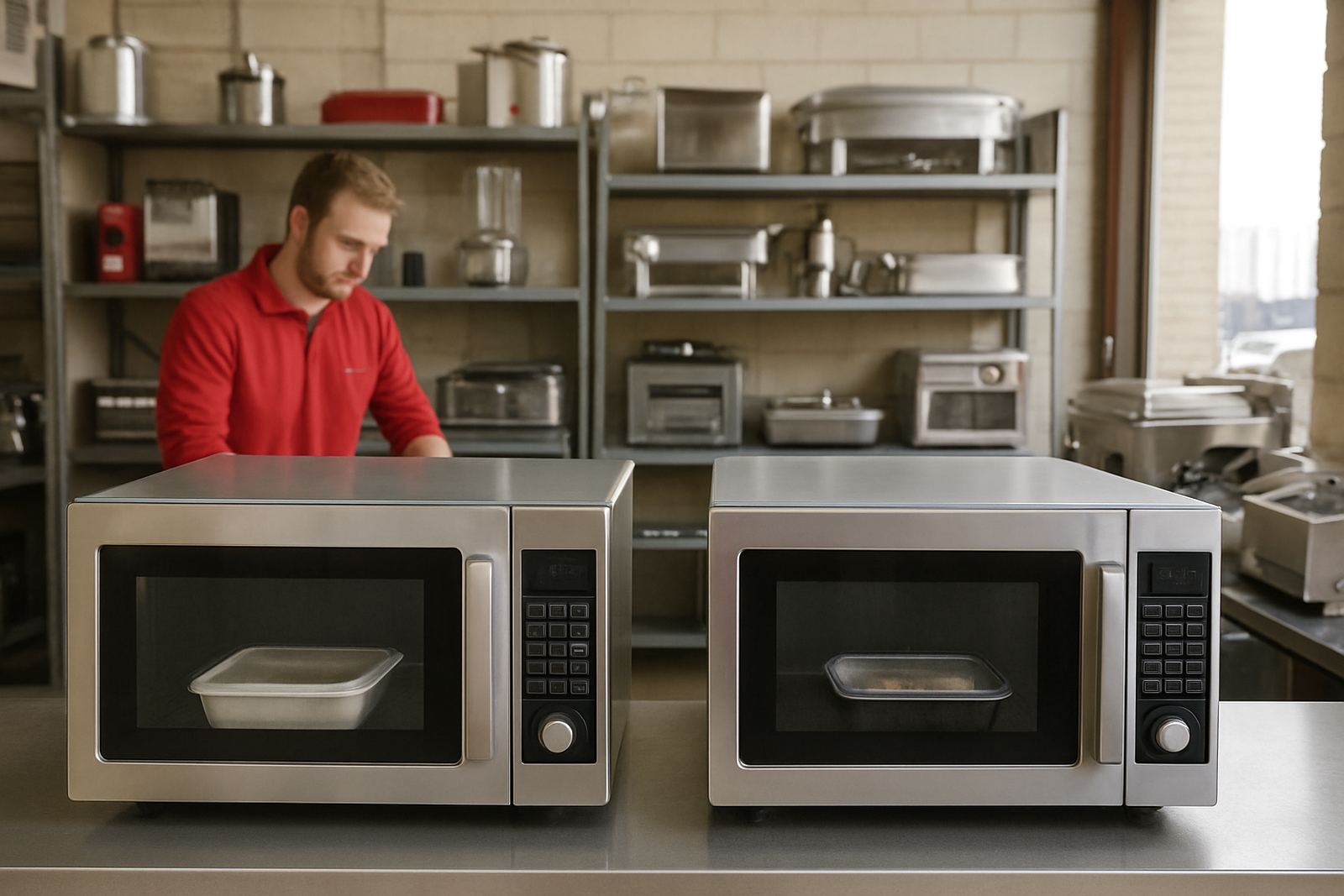
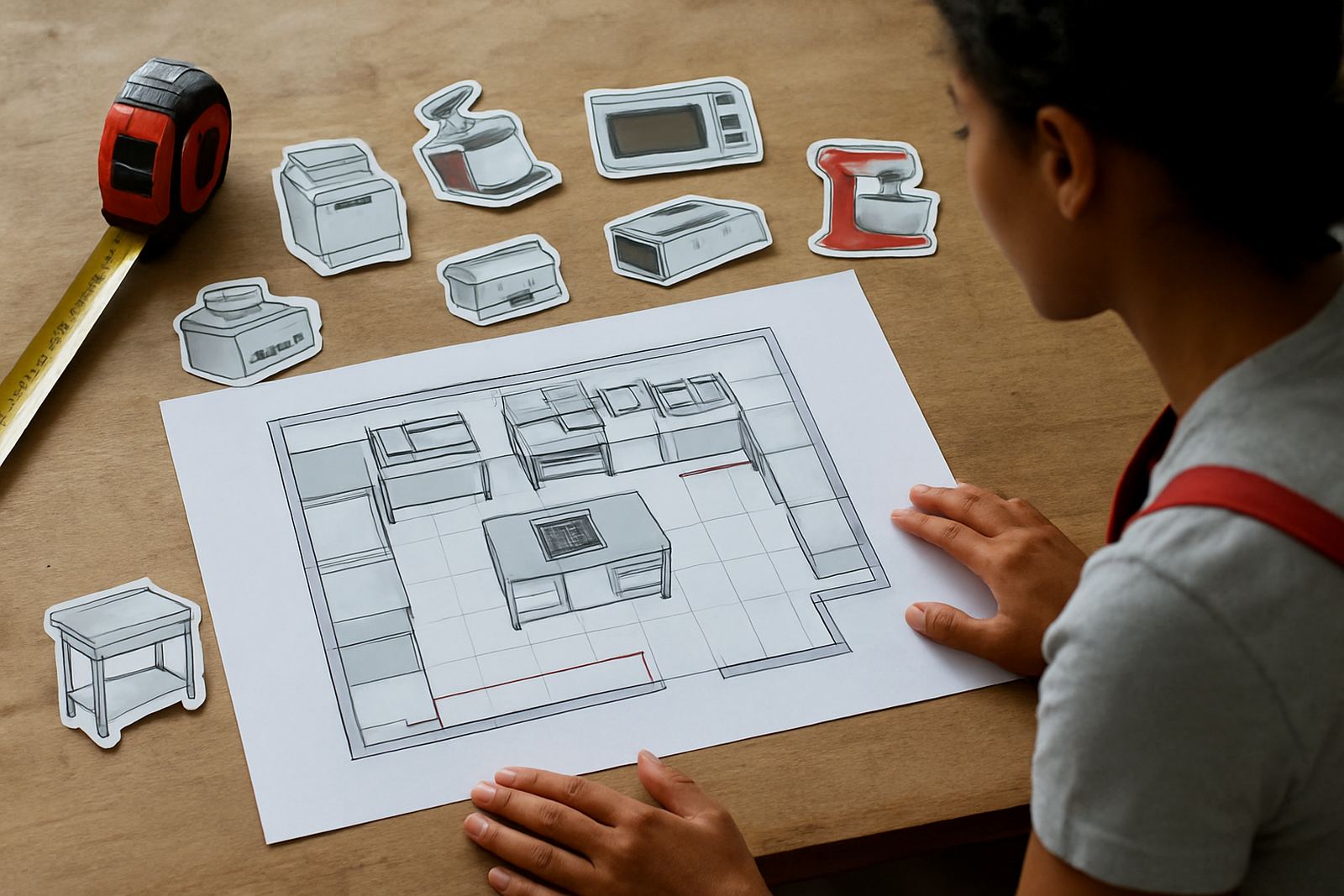
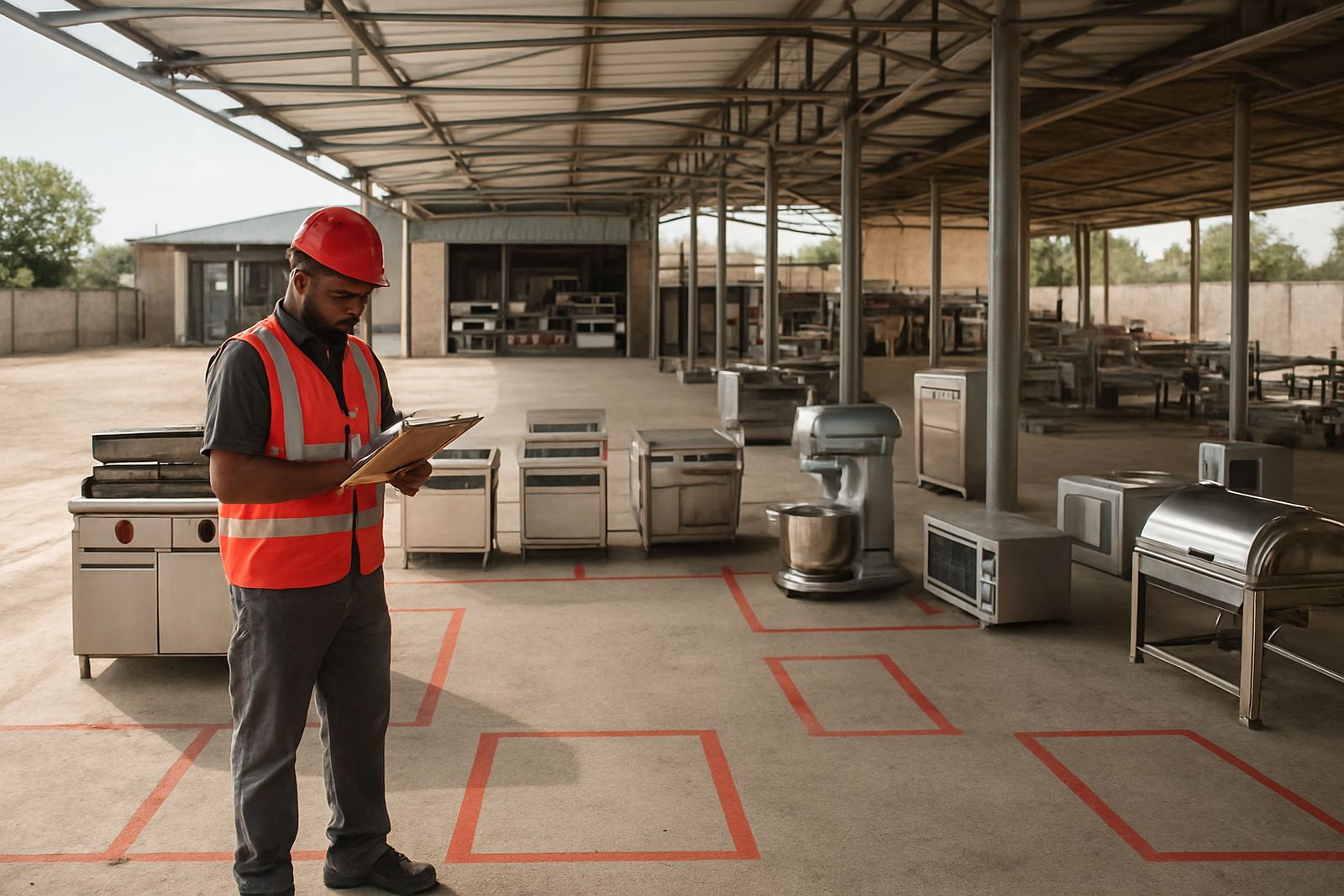
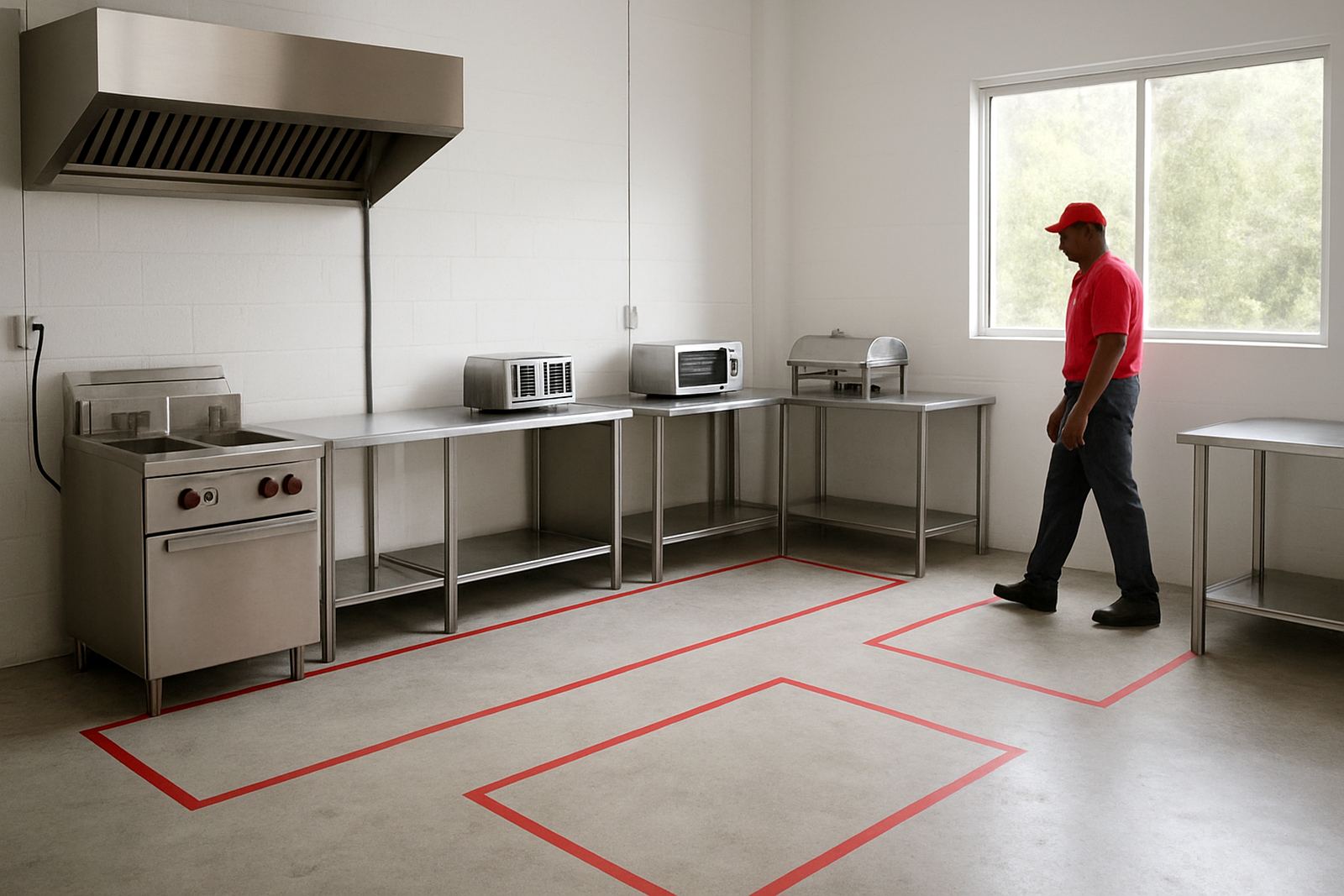
Floor space, plug points and ventilation should be checked before any order is placed. A microwave or toaster might look simple on paper, but if the counter is too narrow or the socket load is already high, the kitchen will struggle later. That is why site assessments matter, especially in older premises where cables, breakers and extraction may already be under pressure.
- Measure the exact footprint, then allow room for lids, doors and safe movement around the unit.
- Confirm whether you have single phase or three phase supply, and what can run together during load-shedding backup.
- Check that the equipment can be positioned where staff can reach it without crossing hot oil, prep tables or wash-up areas.
- Allow for cleaning space, because tight corners trap grease and slow down daily close-up work.
When new equipment makes sense, and when used stock is better
New equipment is often the better answer for a high-volume kitchen that needs a known service life and a fresh warranty path. Used equipment can make good sense for start-ups, seasonal outlets and operators who need to stretch a budget without dropping standards. The key is to ask what has been checked, what has been replaced, and whether the unit was used in a light or heavy service environment.
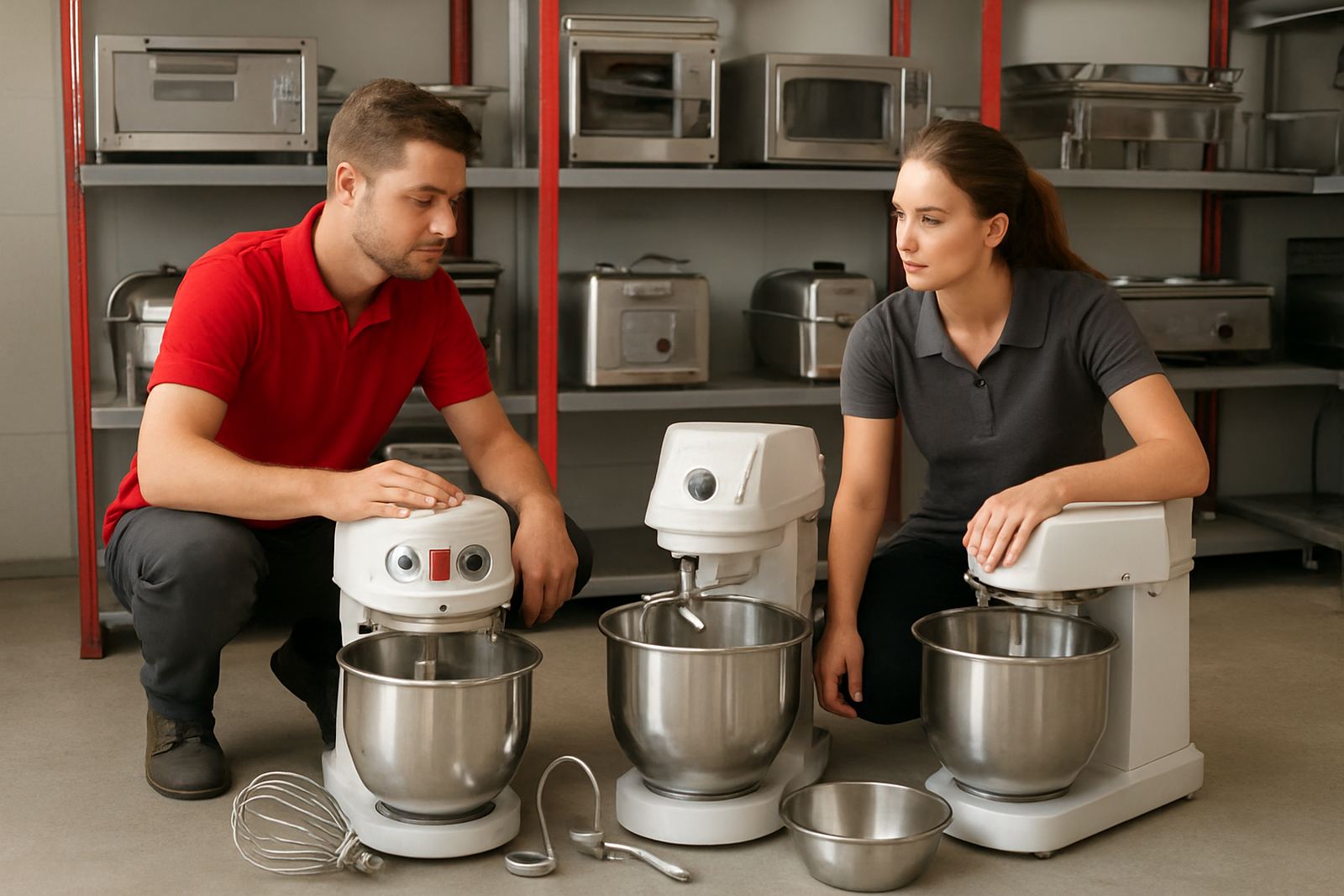
At Afchain we often advise clients to compare the cost of purchase against the likely repair spend over the next 12 to 24 months. A well-cared-for used mixer, for example, may be a practical buy if the bowl, motor and gearbox are in fair condition and the machine suits your batch size. A badly worn fryer is another story, and should be priced with caution.
What to look at on fryers, mixers, toasters and chafing dishes
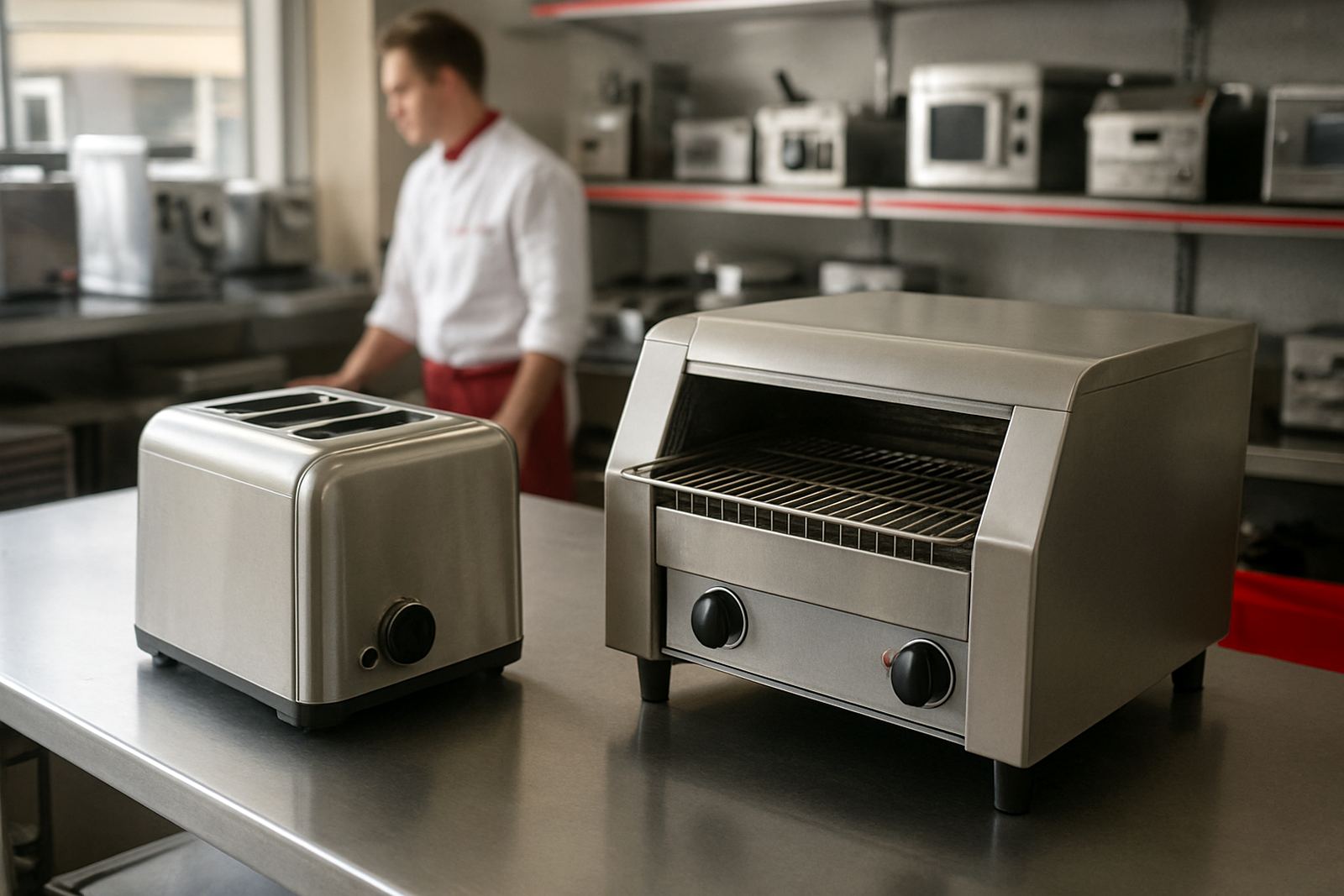
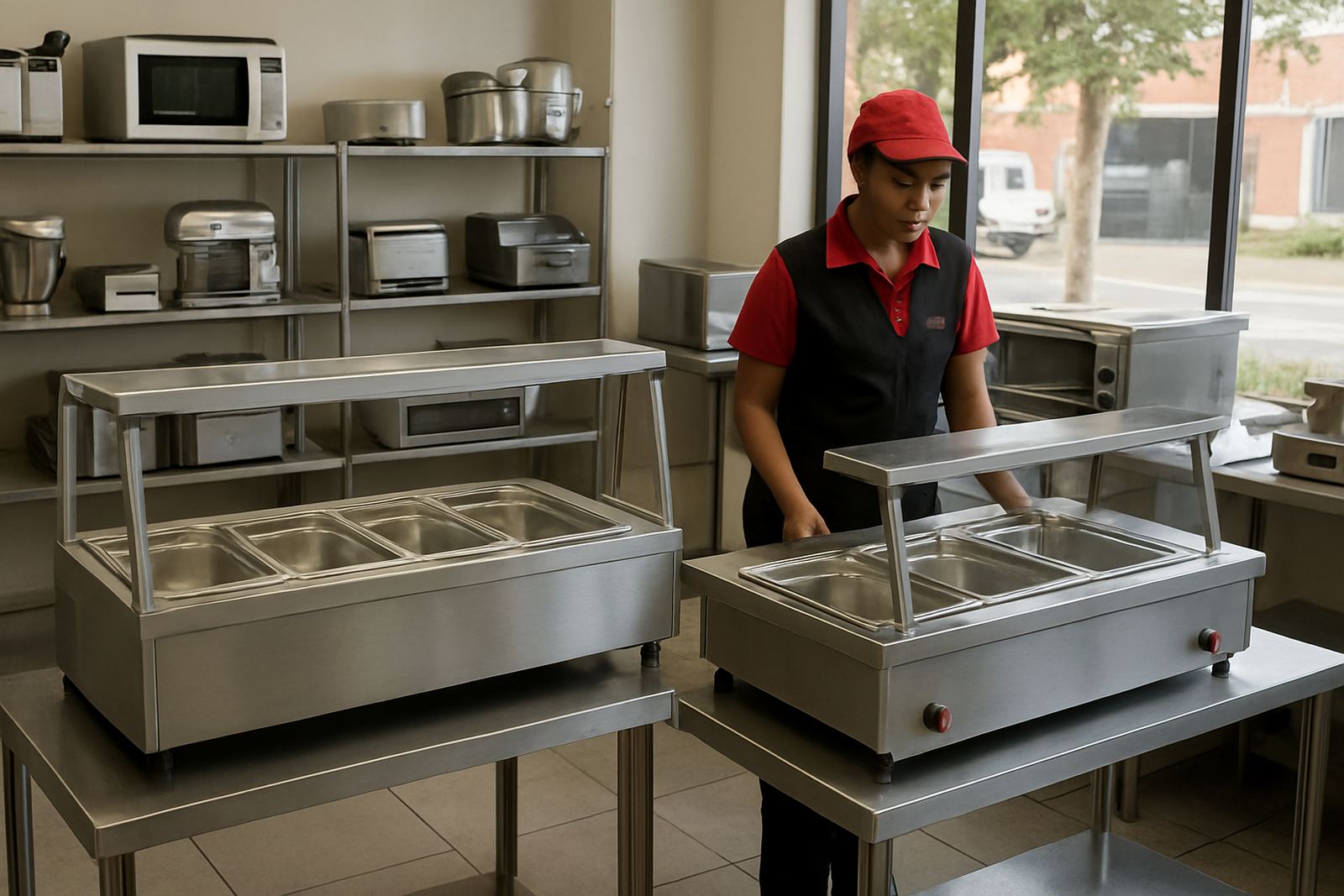
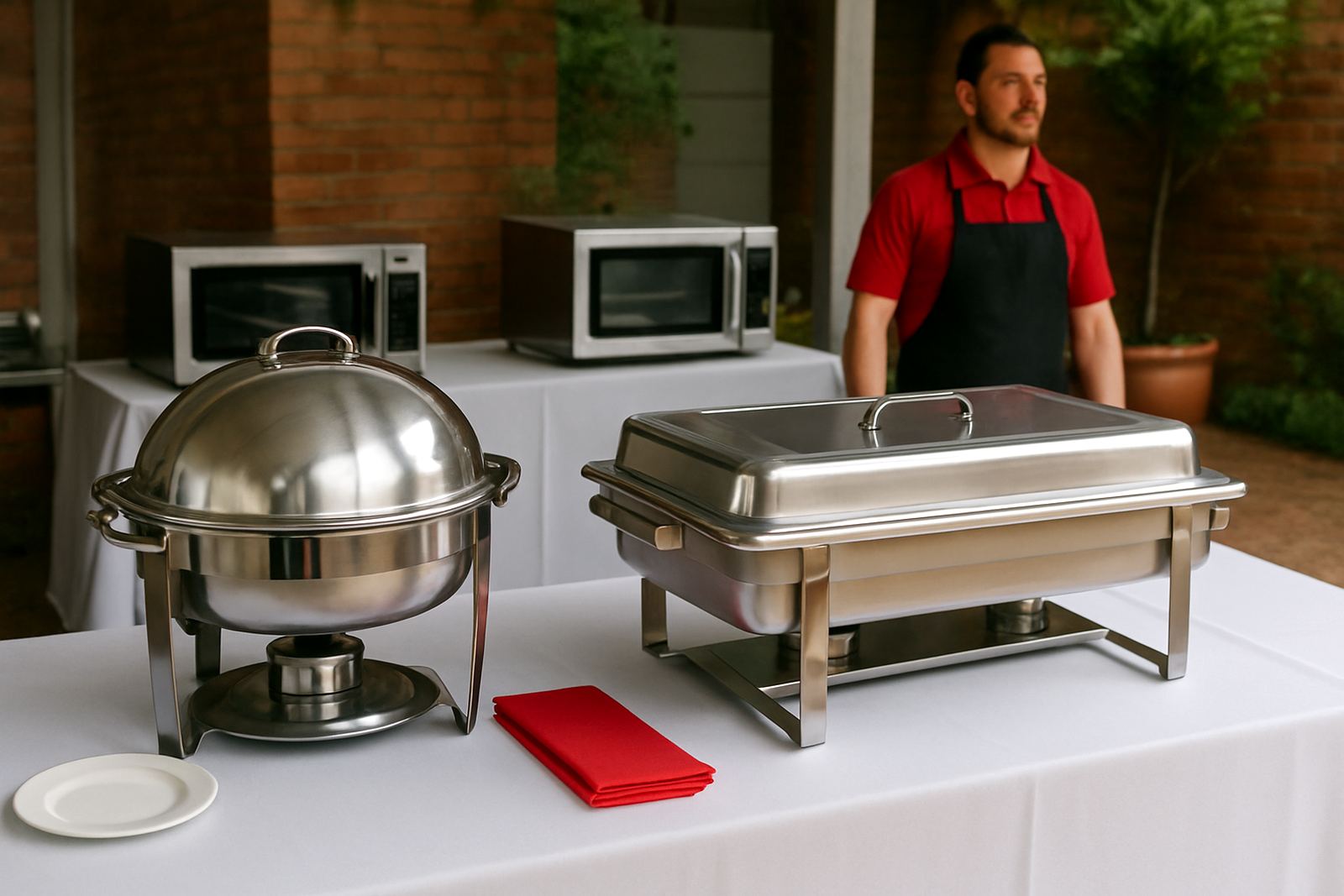
Each product type has its own points that matter in day to day use. A fryer is not only about litre capacity, but also recovery speed, draining and how easy it is to clean the tank. Mixers need stable mounting, sensible bowl size and enough power for thick dough or batter. Toasters should match the number of slices you need per rush period, while chafing dishes must hold temperature evenly and present food neatly on the buffet line.
- Fryers: basket size, cold zones, drainage and temperature control.
- Mixers: bowl capacity, speed settings, guard design and ease of service.
- Toasters: slot width, output rate and space needed for safe operation.
- Chafing dishes: fuel or heat source, lid action, pan depth and appearance on the servery.
Servicing, repairs and the cost of keeping a kitchen open
Good buying is only part of the picture. Regular servicing helps prevent faults that shut a kitchen down at the worst time, often on a Friday rush or during a function in Randburg. If you know your equipment will be used daily, plan for preventive servicing instead of waiting for a breakdown. That approach usually costs less and keeps staff working with familiar machines.
We also look at workshop refurbishment where it makes sense, especially for equipment that is still structurally sound but needs attention to burners, elements, switches or controls. A quick repair might solve an immediate problem, but a proper check can show whether there are other parts starting to fail as well.
How to use these guides before asking for a quote
Use the guides to narrow down the options, then send your requirements with as much detail as possible. Include the type of food you make, expected daily volume, the size of the room, and any power or water limits. If the site is in a coastal area or a kitchen that stays humid, mention that too because corrosion and moisture can change what we recommend.
For operators across Pretoria, Centurion, Midrand, Kempton Park and beyond, this saves time and helps us prepare a proper quote. It also helps with installation planning, delivery access and any kitchen reconfiguration that may be needed before the new equipment goes in.
- Menu type and peak service times
- Available space, power supply and ventilation
- Whether you want new, used or a mix of both
- Any current faults, wear issues or upgrade plans