Why canopy size starts with the cooking line
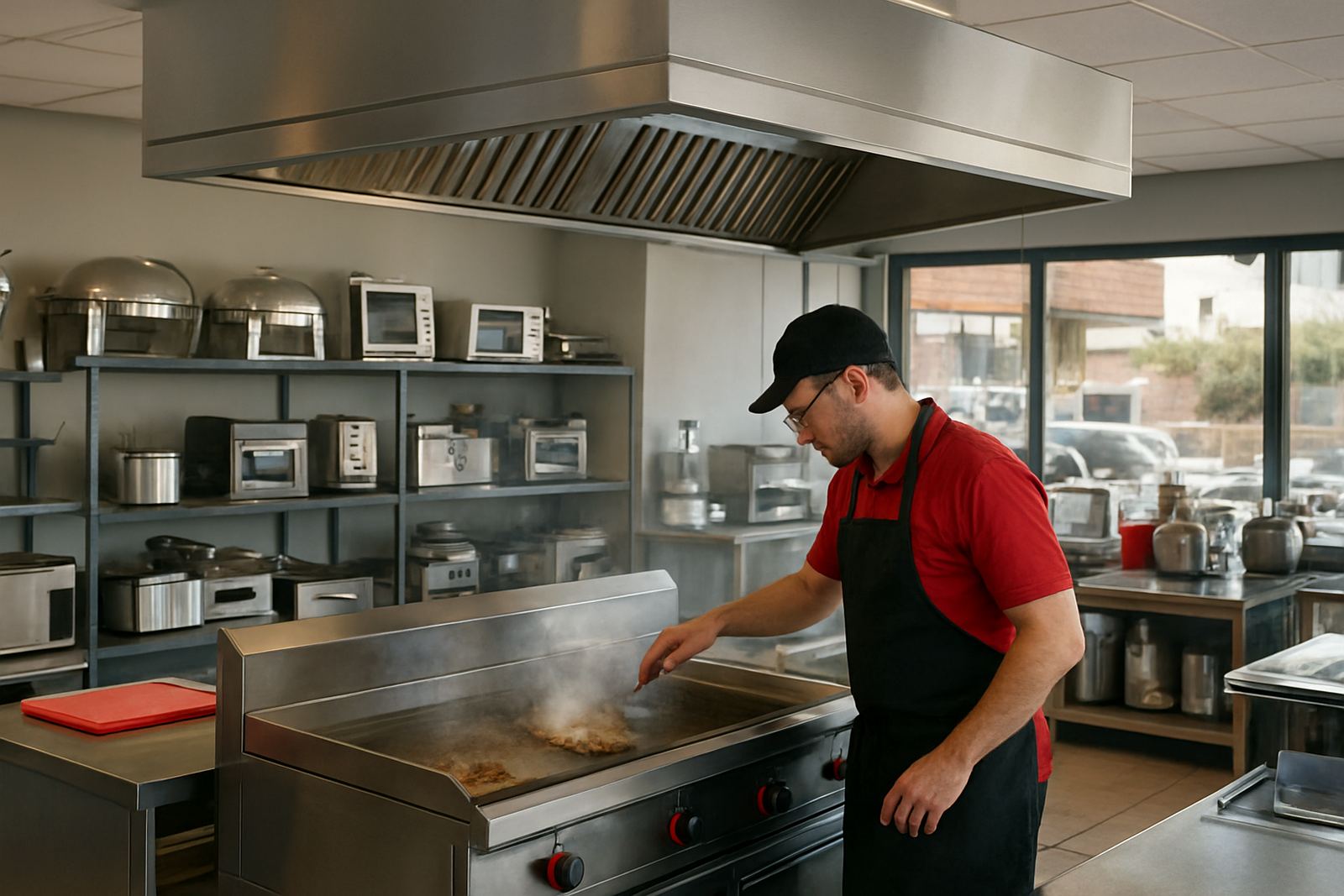
The first rule is simple: the canopy must cover the equipment it is meant to capture. If the fryers, griddles, ovens and hot holding gear sit partly outside the hood, the vapour plume escapes into the room before the extractor can catch it. That leaves sticky walls, greasy ceilings and a kitchen that gets hotter by the hour.
Good sizing is not only about length. Width matters too. A canopy should extend beyond the cooking surface far enough to draw smoke and steam without forcing staff to work right against a hot edge. In a tight kitchen, even 150 mm can make a difference, especially where the pass is close to the cooking line and the staff move quickly during lunch service.
- Measure the full run of equipment, not just the main fryer or oven.
- Allow for future additions like a toaster or extra hotplate.
- Check that the hood does not block service movement or gas isolation points.
- Keep the canopy large enough to capture fumes, but not so large that it steals useful headroom.
Placement affects comfort more than many owners expect
Even a correctly sized canopy can underperform if it sits too high, too low, or off centre. When the hood is mounted too high, cooking vapour spreads before it reaches the filter area. Too low and staff bump their heads, reach awkwardly, and the workbench feels cramped. The best height is usually the point where capture is strong but the cook can still move pans safely and clean the filters without a ladder for every service.
Placement also needs to match the airflow in the room. A back door opening all day, an aircon unit blowing across the line, or a takeaway window opening near the cooking area can drag smoke away from the canopy. That is why site assessment matters. In a Silverton takeaway or a Centurion canteen, the same hood size may behave very differently once the room layout is taken into account.
- Avoid placing supply air or pedestal fans directly across the cooking line.
- Keep the canopy centred over the hottest appliances.
- Leave enough clearance for filter removal and weekly cleaning.
- Check that doors, windows and serving hatches do not disrupt capture.
Safety and compliance are tied to air capture
Heat and grease in the air are not just a comfort issue. They raise slip risk, make floors tacky and can leave a film on walls and wiring. Over time that film becomes harder to remove and can create a fire hazard if it reaches lighting, ducting or nearby shelving. Good extraction helps keep the kitchen safer for staff and easier to maintain during busy trading periods.
For owners working with landlords, insurers or local health requirements, the practical point is simple: the kitchen must be able to prove that smoke and grease are being managed. A proper canopy, suitable ducting and regular servicing reduce arguments later. If a business is operating in a mixed-use centre in Midrand or Boksburg, this becomes even more important because shared buildings often have stricter expectations around odour control and upkeep.
- Grease build-up increases cleaning time and can stain painted finishes.
- Poor extraction can shorten the life of nearby electrical fittings.
- Excess heat makes it harder to keep staff productive during peak periods.
- Documented servicing helps when a landlord asks for maintenance proof.
Cleaning effort drops when the canopy is matched to the kitchen
Many operators only think about extraction when the kitchen feels stuffy. But the right canopy reduces day-to-day cleaning from the start. When capture is effective, less grease lands on the walls, less steam condenses on cold surfaces and the ceiling stays cleaner for longer. That means fewer hours spent degreasing after service and less wear on paint, grout and fittings.
A good filter layout also helps. Filters should be easy to remove, wash and refit without damaging clips or bending metal. If the canopy is too narrow, staff often have to wipe around edges by hand, which takes longer and leaves residue in corners. If it is too deep, cleaning the back edge becomes a weekly battle. Matching the canopy to the room saves time every month, not only on installation day.
- Choose filter sections that can be removed by one person.
- Allow access for safe cleaning above prep counters and shelves.
- Use smooth finishes where possible so grease does not hold in corners.
- Plan for a cleaning routine that fits trading hours, not only after closing.
Local example from a Pretoria service kitchen
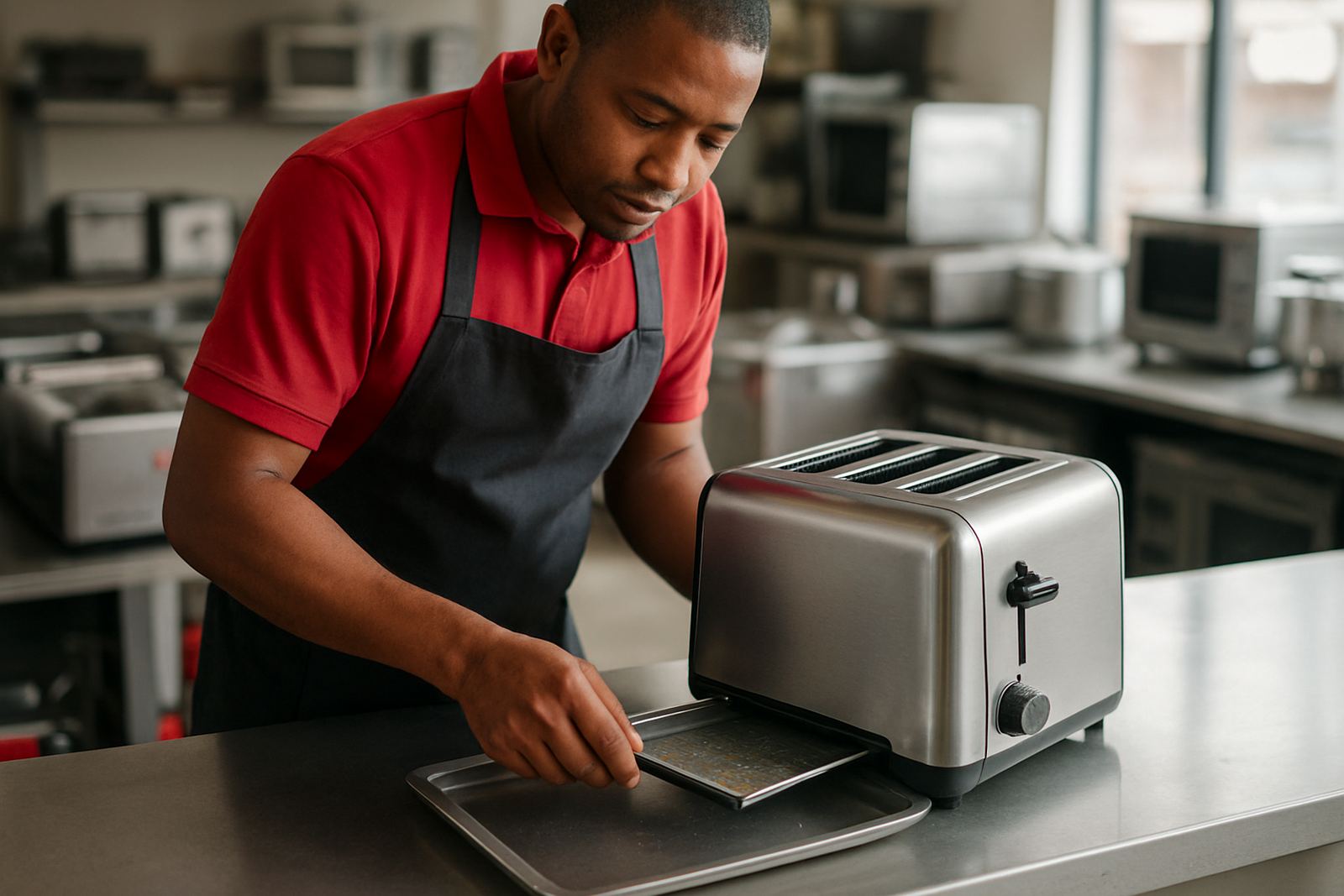
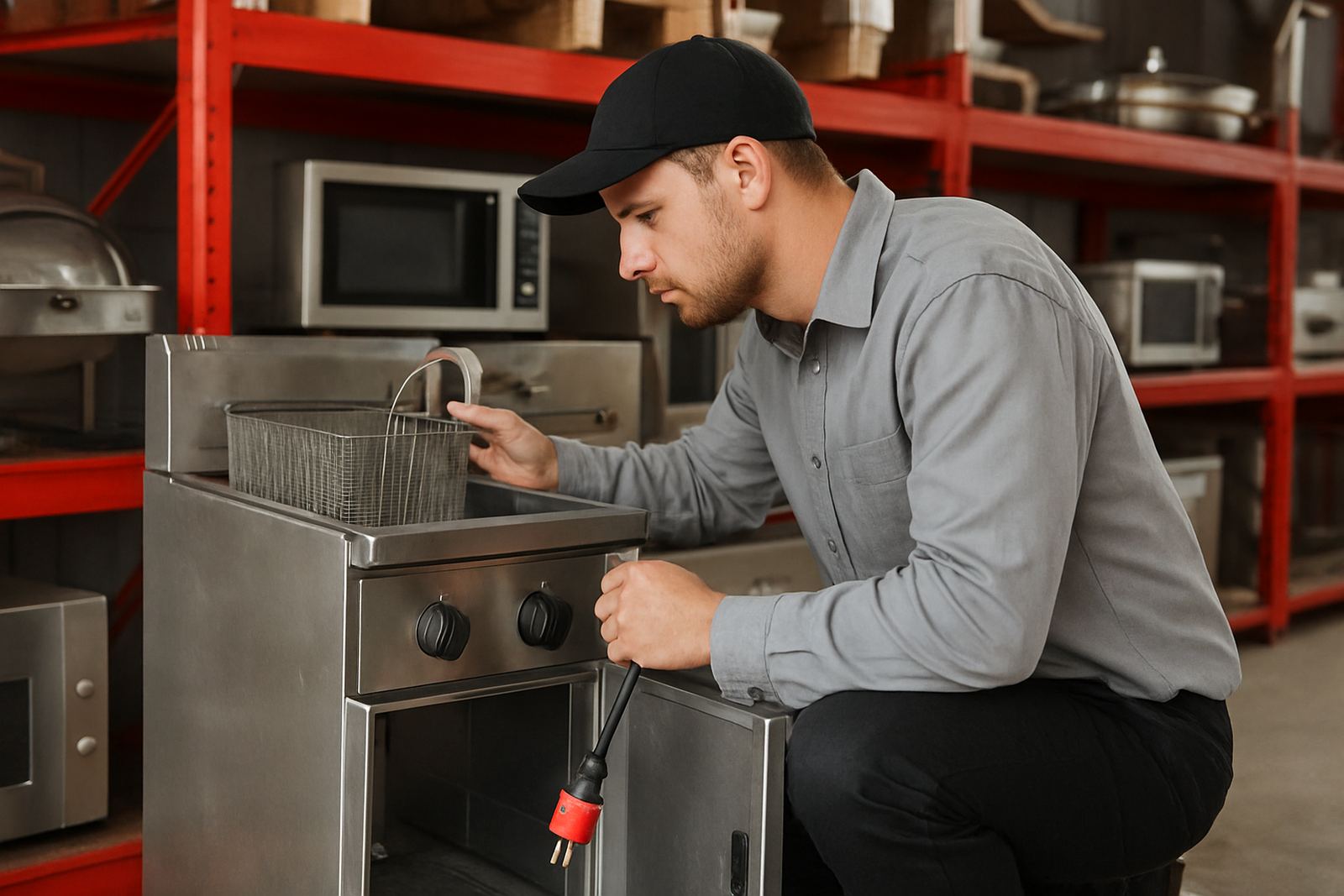
A small service kitchen in Pretoria Central had a fryer, toaster and microwave line squeezed under a short hood. The staff complained about heat near the pass and constant greasy dust on the ceiling tiles. The extractor was running, but the canopy ended too close to the toaster and the hood sat higher than it should have for the room height.
After a site check, the cooking line was reworked. The canopy was extended to cover the full hot section and lowered slightly, while the air movement from the prep side was adjusted. The difference was noticeable within days. Staff were more comfortable, the room smelled cleaner and the morning wipe-down took less time. The owner also noticed that the filters stayed cleaner longer, which helped during a very busy month when loadshedding caused extra pressure on service timing and cooking had to stay organised.
This is the kind of change that does not always need a full rebuild. Sometimes the answer is simply a better match between the cooking equipment, the canopy size and the position of the hood in relation to the room.
When to get a second opinion before ordering
Before you buy a canopy, it helps to ask a few practical questions. Will the kitchen layout change in the next year? Are you adding more fryers or a second toaster? Is the room prone to coastal humidity, dust or poor ventilation? Will the duct route allow proper discharge without crossing service areas? These details affect performance more than a glossy brochure can show.
For businesses in Pretoria, Centurion, Midrand, Randburg, Kempton Park and Boksburg, a site assessment can prevent a wrong-sized hood or a duct run that is expensive to correct later. It also helps with delivery and positioning, because the unit must fit through doors, turn corners and leave enough space for future servicing. A little planning now saves a lot of disruption later, and makes handover training easier for the team on the floor.
- Check the full appliance list before requesting a quote.
- Confirm ceiling height, wall space and access routes.
- Ask how servicing will be done once the canopy is in place.
- Plan for preventive maintenance, not only breakdown repairs.
The practical takeaway for kitchen owners
Canopy sizing and placement are not side issues. They shape how comfortable the kitchen feels, how safe it is to work in and how much effort goes into cleaning every week. When the hood matches the equipment and the room, staff work better and the kitchen stays under control.
For new installs, replacements, workshop refurbishment or a kitchen reconfiguration, the details matter. Measure properly, think about airflow and do not leave the canopy as an afterthought. In a busy Gauteng kitchen, that small decision can affect service, maintenance and the mood of the whole team.