Start with the equipment that lets you trade on day one
When a new kitchen opens, the first budget mistake is buying around the idea of a full menu before the first customer has even walked in. Start with the equipment that makes your core menu possible every day, even when power is off, staff are new, or turnover is still uneven.
For most small food businesses in Pretoria and Gauteng, that means a hot holding plan, a cooking line, cold storage, a basic prep area and washing space that keeps the municipality happy. If you are in a street-facing site in Pretoria Central, a takeaway spot in Centurion, or a small canteen in Midrand, the essentials are usually similar, just sized differently.
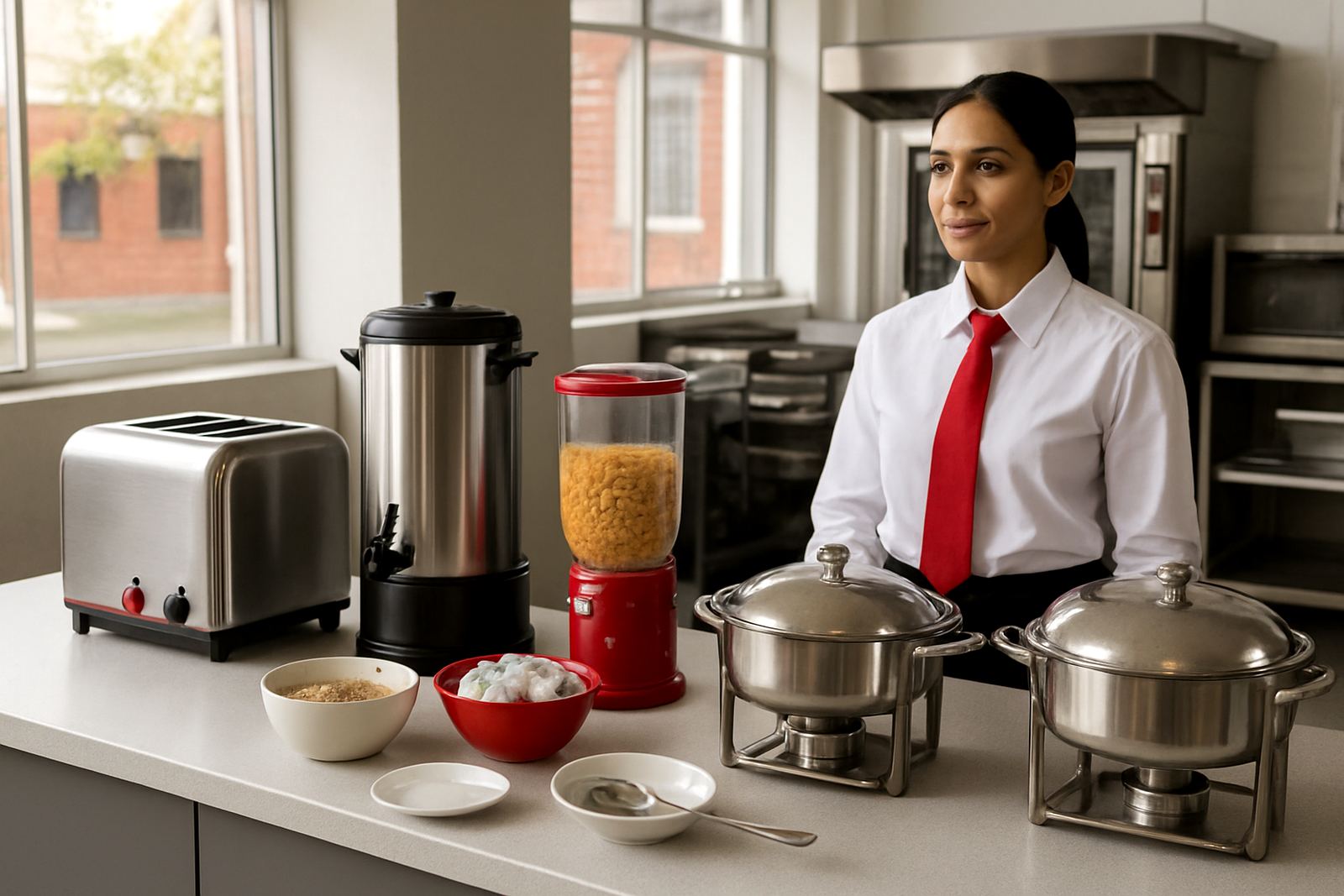
- Cooking: fryers, toasters, microwaves and a mixer if your menu needs batters, sauces or dough
- Holding: chafing dishes for service, insulated containers and enough shelving for clean storage
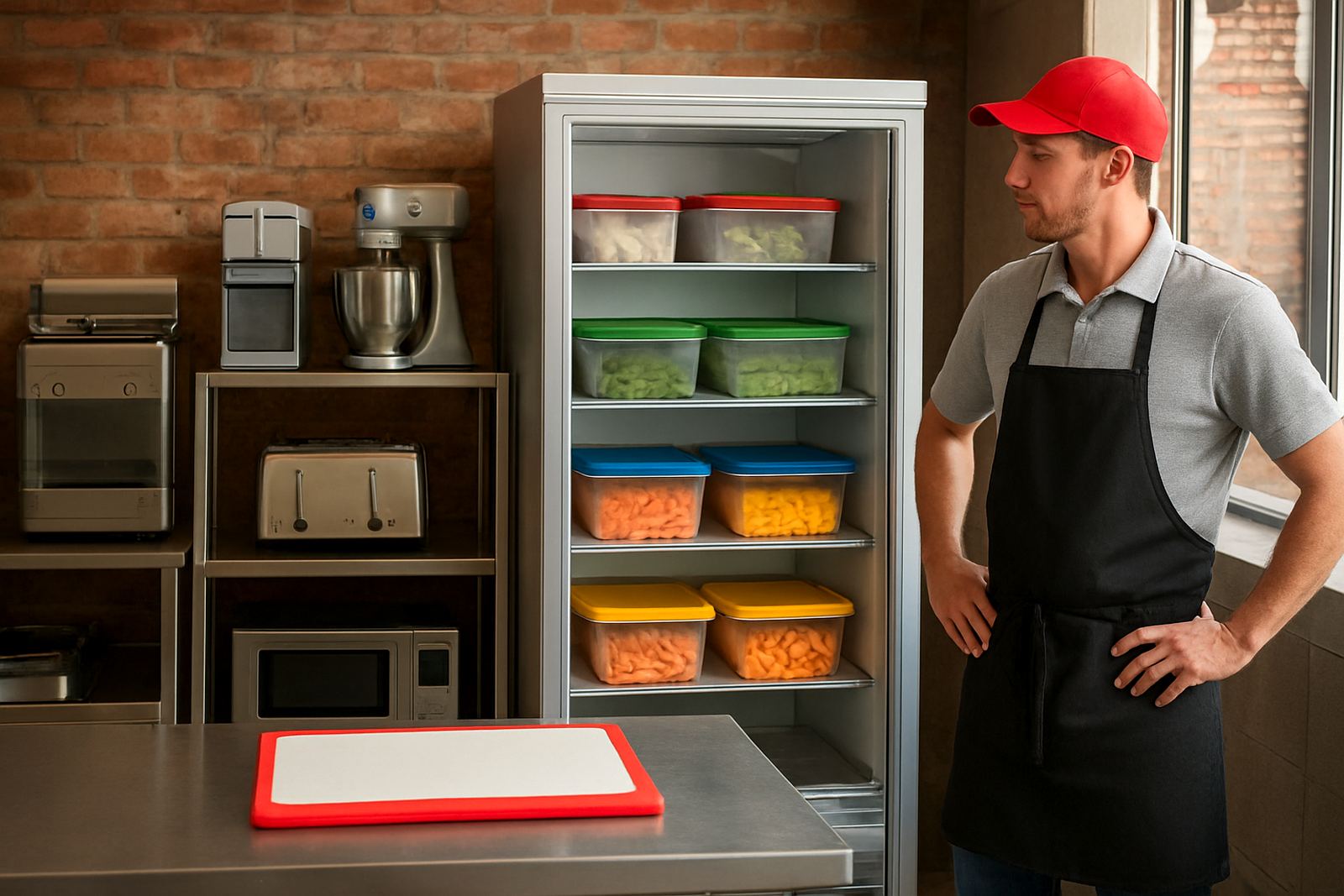
- Prep: stainless work surfaces, cutting space and a simple hand-wash setup
- Cleaning: sinks, drain access and a safe place for waste separation
Keep this first spend practical. If the menu can run without it, it can wait.
Split the budget into essentials, upgrades and used buys
A clear split helps stop overspending. One workable approach is 60 percent on essentials, 25 percent on useful upgrades, and 15 percent on used equipment that still has a proper service life. That split is not fixed, but it gives you a starting point when quotes start coming in from different suppliers.
Essentials are the items that affect compliance and daily trading. Upgrades are things that improve speed, energy use or consistency. Used equipment is often where a startup gets breathing room, as long as the item is inspected, clean and suitable for your kitchen load. A well chosen used toaster or fryer can save a new operator a lot of cash, while still doing the job properly.
- Essentials: new where possible, especially for safety and hygiene related items
- Upgrades: buy if they save labour, electricity or product loss
- Used equipment: best for items with simple mechanics and available spare parts
Do not buy used only because it is cheap. Buy it because it fits the menu and can be serviced locally.
Spend first where load-shedding can hurt your margin
In Gauteng, power cuts still shape kitchen planning. A startup that ignores load-shedding usually ends up spending twice, once on the wrong equipment and again on fixes that should have been planned from the start. Choose appliances that recover quickly after a power interruption and do not waste too much electricity during normal trading hours.
If you serve breakfast or fast lunches, equipment that heats fast and cools down safely matters more than fancy extras. Microwaves help with speed, toasters help with volume and fryers help with menu range, but each one must suit your electrical supply and breaker size. If your site is in a shared centre in Randburg or Kempton Park, ask what load the landlord will allow before you sign off the final quote.
- Check the available electrical capacity before buying heavy appliances
- Allow space for safe plug points, ventilation and cable runs
- Keep one backup method for heating or holding food during interruptions
Good budgeting is not only about purchase price, it is also about how the equipment behaves when the lights go out.
Used equipment can stretch the budget if you inspect it properly
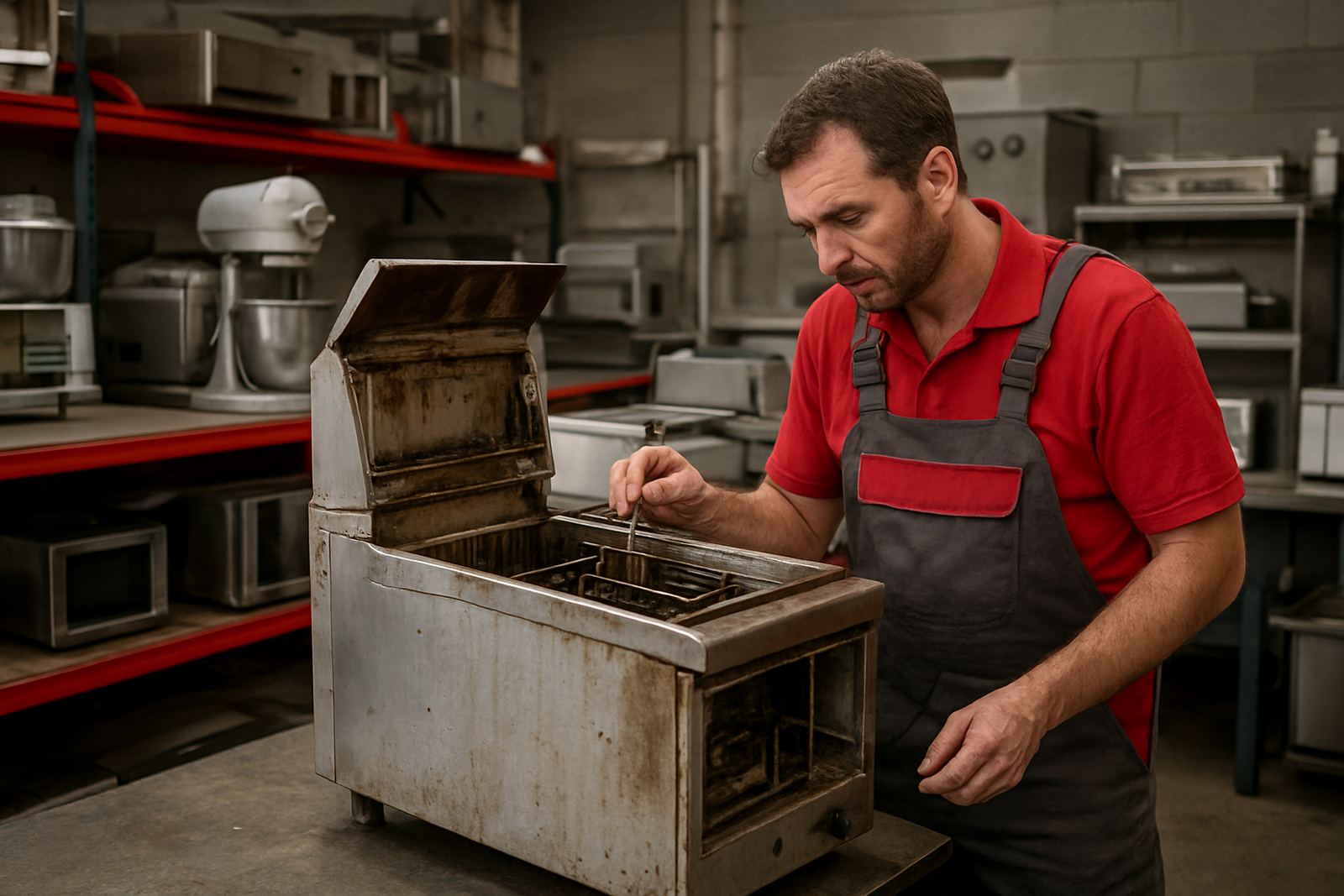
Used equipment is often the difference between opening this month or waiting another quarter. The key is to buy with a checklist, not with hope. A used mixer that starts, runs unevenly or rattles under load may cost more in breakdowns than a newer unit would have cost upfront. The same goes for fryers with worn elements or toasters with weak heating.
Before you commit, look at the body condition, switches, seals, trays, baskets and any signs of corrosion. Coastal humidity is not the issue in Pretoria, but poor storage and grease build-up still damage equipment quickly. For businesses buying from our Silverton side or arranging delivery into Boksburg, a proper inspection and servicing note matters more than a shiny finish.
Use this quick rule before signing off on a used buy:
- Does it fit the menu without forcing a compromise?
- Can it be cleaned and serviced locally?
- Will the repair cost still leave you ahead of buying new?
- Is there space in the kitchen for installation and airflow?
If the answer is no to two or more of those questions, leave it out.
Do not forget the hidden costs that sit outside the quotation
The quotation is only part of the real startup kitchen budget. Delivery and positioning, installation, small parts, plumbing adjustments, canopy clearances, and even basic staff handover training all sit around the equipment itself. These costs are easy to miss when a new owner is comparing numbers from different suppliers.
A kitchen in Centurion may need a different layout from one in Pretoria Central, not because the menu changes, but because the available room, access route and service points do. If equipment arrives and then has to be moved twice because the position was wrong, that extra labour eats into the budget fast. It also creates a delay, which is expensive when rent and wages are already running.
- Ask for site assessments before final sign-off
- Include delivery, positioning and installation in the budget line items
- Allow for servicing after the first few busy weeks
It is better to plan the hidden costs early than to chase them after opening day.
A Pretoria example: one budget, three spending layers
Take a small startup in Silverton, serving breakfasts, toasted sandwiches and light lunches to office staff and nearby residents. The owner does not need a full restaurant line. What they need is a fryer for snack items, a toaster for volume, a mixer for prep work, a microwave for fast finishing and a few chafing dishes for catered trays or occasional functions.
A sensible budget might place the largest share on the fryer, refrigeration and prep counters, because those items affect daily output. The next layer goes to items that speed service, such as a reliable toaster and microwave. The final layer can go to a used chafing dish set, a used mixer or a second-hand support item that has already been tested and serviced. That keeps the opening cost under control while still giving the kitchen enough range to trade properly.
In a case like this, the owner does not need every nice-to-have item on day one. They need the gear that helps them cook safely, serve quickly and recover after a busy morning rush.
How to decide what waits for phase two
Phase two should not be guesswork. Put the waiting items on a list and tie each one to a real trigger, such as higher sales, a new menu line or a second site. That way the business grows in steps instead of buying equipment that sits idle for months. A bigger mixer, extra holding gear or additional prep kit may be useful later, but only once the workload proves it.
- Buy now if it is needed for the core menu
- Wait if it only adds convenience
- Replace later if the first choice is likely to become too small
A startup kitchen budget works best when it is honest. Buy what keeps you open, choose upgrades that earn their keep, and use serviced used equipment where it makes sense. That is how small kitchens in Gauteng stay practical without running out of money before the first month is done.