Set the slicer up before the rush starts
Most slicer accidents happen when staff are trying to work too fast, or when the machine is left on a shaky counter. Before service, check that the slicer is on a level surface, the feet are steady and the cord is not sitting in a wet patch. In Pretoria and Centurion, where morning prep can start before load-shedding ends, it is worth confirming that the machine is dry and the area is well lit before anybody begins slicing.
Use the guard, carriage and blade cover as they were intended. If a unit has a loose knob, a cracked pusher or a wobbly tray, take it out of service until it has been checked. A small fault can become a bigger repair once the motor starts pulling harder than it should.
- Check the blade guard and food pusher before each shift.
- Make sure the slicer sits flat on the counter, not near the edge.
- Keep cloths, packaging and water away from the motor vents.
- Assign one trained person to switch it on, set thickness and clean it.
Keep hands, sleeves and trays clear of the blade
The blade does the cutting, not the operator. Staff should never use their fingers to guide the last bit of meat, cheese or loaf into the blade. The proper pusher must do that job. Loose sleeves, apron ties and jewellery should be kept away from the moving parts as well. It only takes one distracted moment for a hand to slip.
For teams working in Sandton style lunch counters or small family delis in Pretoria Central, the pressure to move quickly can make shortcuts feel harmless. They are not. If product is too small to grip safely, stop and use a safer method. It is better to slow down for ten seconds than to deal with a wound and lost production for the rest of the day.
- Keep both hands behind the safe line marked by the machine body.
- Use the carriage and pusher, never a fork or knife, to move product.
- Do not wear rings, bangles or loose sleeves while slicing.
- Train new staff to stop and ask if a cut looks awkward or unstable.
Clean the blade the right way, every single time
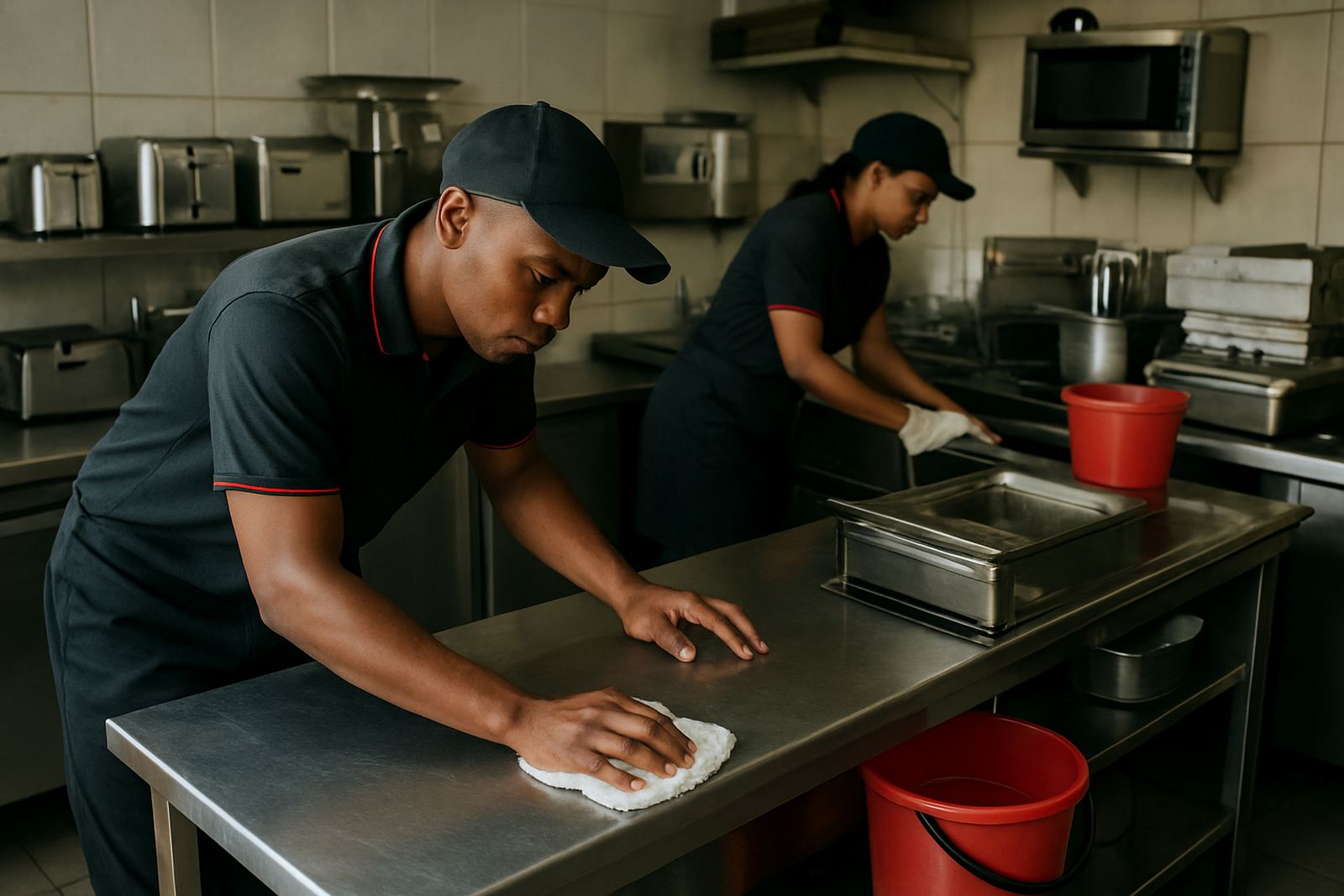
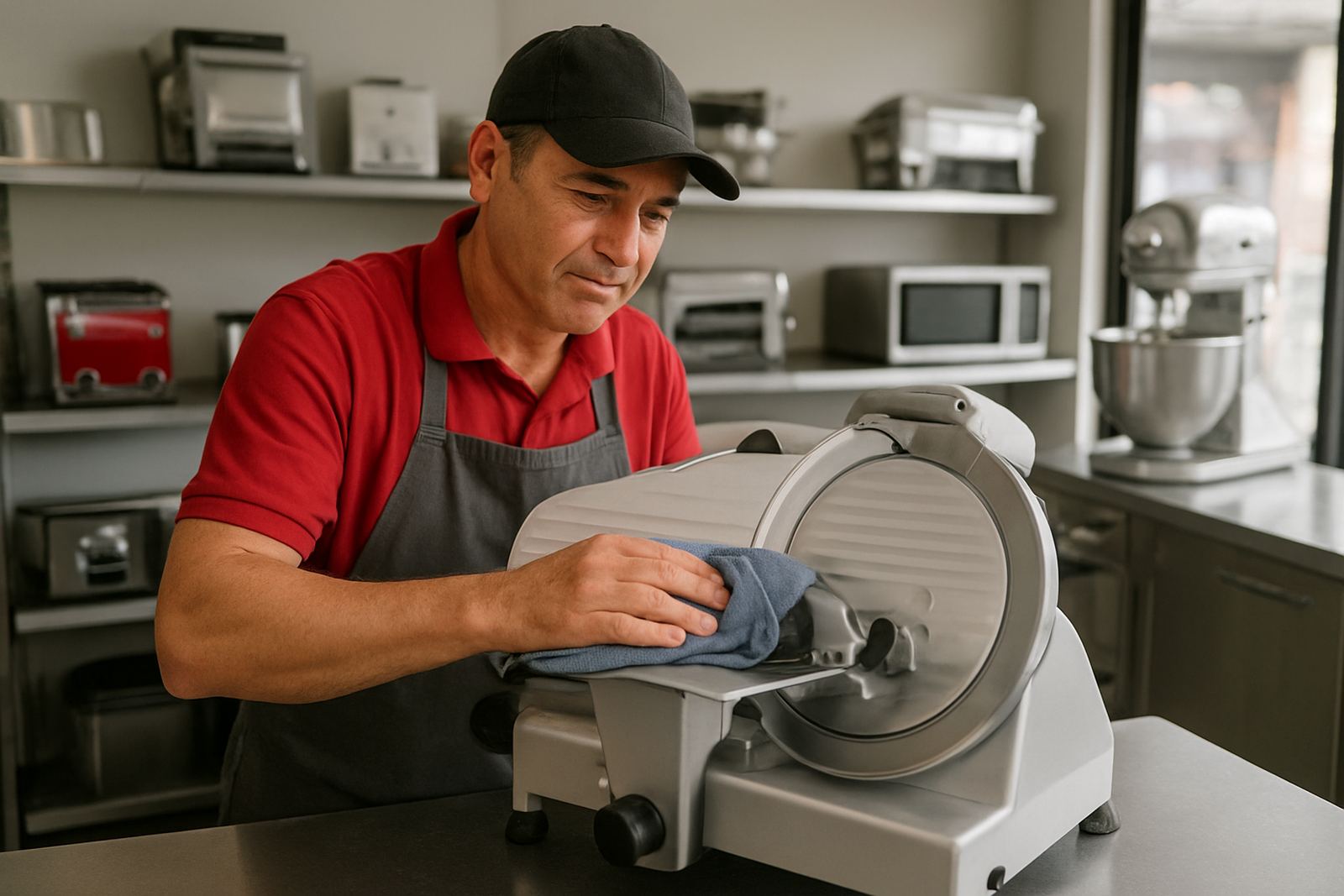
A slicer that looks clean can still carry fine residue around the blade, under the tray and near the thickness control. That residue can affect food safety and also make the machine harder to move smoothly. Switch off the power, unplug the unit and wait for the blade to stop completely before any cleaning begins. Never rush this step because the lunch queue is building.
Use the correct brush, cloth and detergent, then dry all surfaces properly. In coastal humidity areas, even a small amount of moisture left on a steel surface can start rust spots faster than expected. If the slicer is used for both raw and cooked items, clean and sanitise between product types without skipping the corners, hinges and underside of the carriage.
- Unplug before cleaning and keep the plug away from wet cloths.
- Brush out crumbs and meat fibres after every use.
- Wipe, sanitise and dry the blade housing, tray and pusher.
- Check that no water pools around switches, bearings or cables.
Watch the blade condition and thickness settings
A dull blade forces staff to press harder, which raises the chance of slipping and gives uneven slices. If a blade starts tearing ham, crushing tomatoes or leaving rough cuts on biltong, it needs attention. The same is true when the thickness dial no longer holds its setting or the carriage does not glide smoothly. These are warning signs, not small annoyances.
For butcheries, cafeterias and school kitchens around Midrand, Boksburg and Randburg, a slicer is often in daily use for long stretches. That kind of use means the machine should be checked as part of routine servicing, not only when it has already failed. Sharpening and alignment keep the cut cleaner and reduce strain on the motor.
- Look for tearing, vibration or uneven slice size.
- Test that the thickness setting stays where it should.
- Listen for scraping, grinding or slow start-up.
- Book servicing before the machine begins overheating or sticking.
Store the slicer safely after service hours
At closing time, the machine should be left safe for the next shift and safe for cleaners too. Turn it off, isolate power and fit the blade guard if the unit has one. If the slicer is moved to a store room, make sure it is not stacked under heavy items or pushed against a wall where the blade or controls can get damaged. A covered slicer lasts longer, especially in kitchens that open and close every day.
Where a deli shares space with a bakery or takeaway counter, it helps to have one fixed parking spot for the machine. That avoids late-night bumping, water splashes and accidental knocks from trolleys. One loose move can bend a tray or knock the blade out of line, and then the next morning starts with trouble.
- Switch off and unplug before the final clean-down.
- Refit guards and keep small parts together.
- Store it where cleaning chemicals cannot drip onto it.
- Do not leave the slicer where stock trolleys can strike it.
Use local servicing to keep the machine ready for trade
Many kitchens only call for help after the machine has stopped altogether. A better habit is to plan servicing before that point. In a busy Pretoria deli, for example, the slicer may run through breakfast meat, lunch fillings and end-of-day prep in the same shift. That kind of workload needs regular checks on the blade, bearings, cables and carriage so the machine remains safe and accurate.
Afchain Catering Equipment works with catering teams across Pretoria and Gauteng on quotes, breakdown repairs, workshop refurbishment and preventive servicing. If a unit is older, it may still be worth repairing rather than replacing, provided the frame and main parts are sound. If you need a second unit for peak trade or a used machine for a smaller kitchen, ask for advice before buying. Quotes and servicing can be arranged from Silverton, with support for Pretoria Central, Centurion, Midrand, Kempton Park, Boksburg and Randburg.
- Schedule preventive servicing instead of waiting for a failure.
- Ask for a site assessment if the slicer space feels cramped.
- Get the machine checked after a power issue or rough transport.
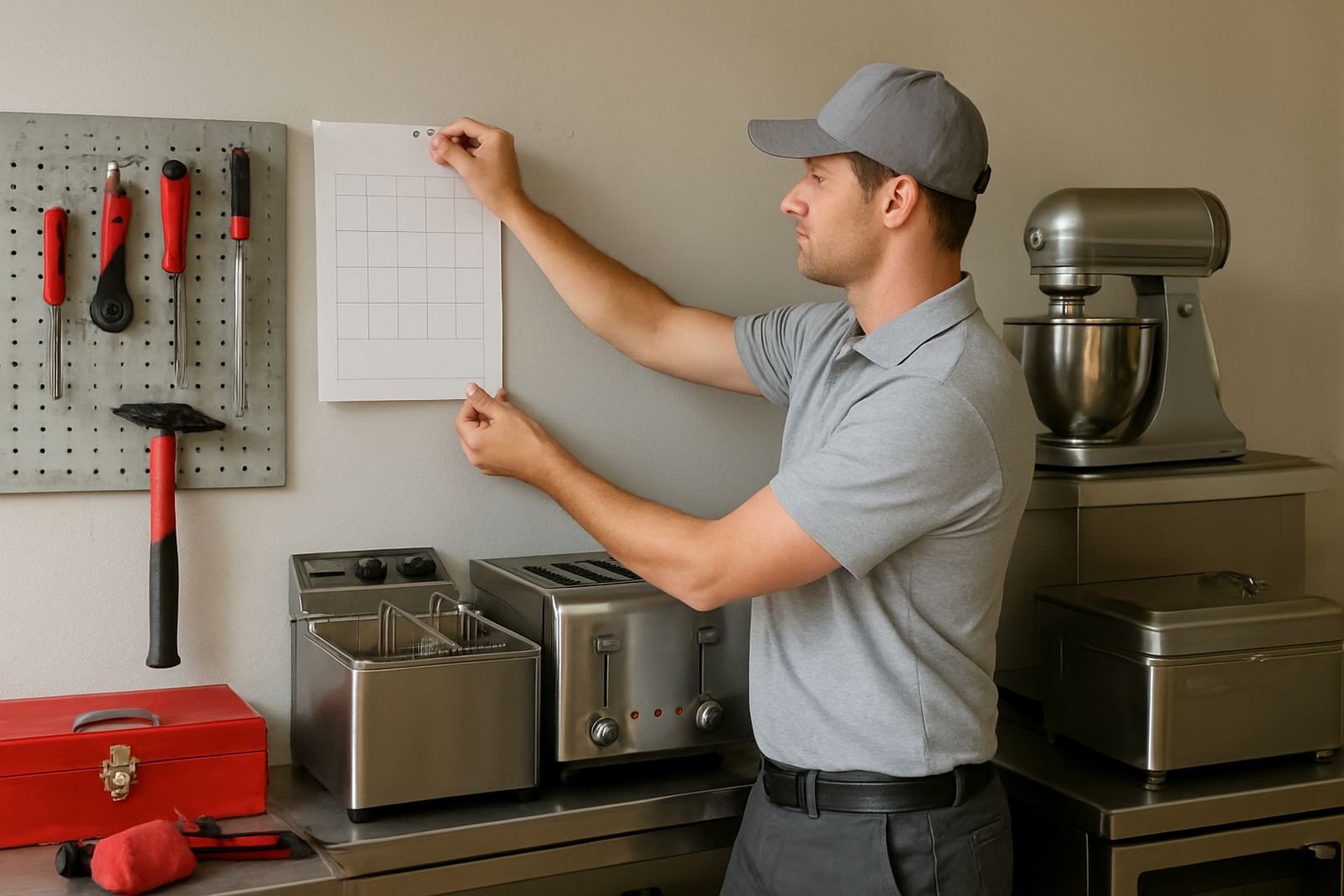
- Keep a simple log of cleaning dates, faults and service visits.
Build a quick safety routine for every shift
The best slicer safety is not complicated. It is a short, repeatable routine that staff can follow without thinking too hard. Start with a visual check, confirm the machine is steady, test the guard and pusher, slice only what you need, then clean and store it properly. That rhythm keeps prep moving and reduces avoidable injuries.
When everyone on the team knows the same steps, the slicer becomes easier to manage even on a hectic Friday or during a municipal water interruption. Clear habits protect the people using the machine and help the kitchen stay ready for the next order.
- Inspect, slice, clean, dry and store in the same order every day.
- Keep one written procedure near the prep area.
- Report faults straight away instead of leaving them for later.
- Replace worn parts before they affect safety or hygiene.