Start with the service timeline, not the menu
For a longer function, every dish needs a holding plan before the first tray leaves the prep area. If the event is running from lunch into the afternoon, or from canapés into supper, decide which items will sit in heated equipment, which will be topped up in smaller batches, and which must stay chilled until the final service. That decision shapes the whole buffet line.
A common mistake is loading the full menu onto the table at once. It looks full in the beginning, but by the middle of the event the rice has dried out, sauces have split and the vegetables look tired. Smaller batches keep the food fresher and the display neater. It also gives the service team a better chance to rotate pans without making a mess.
- Plan holding times for each dish before the event starts.
- Use smaller pans where possible and refill more often.
- Keep garnish, sauces and crispy items separate until service.
- Assign one person to watch the buffet line during busy periods.
Keep hot food hot, but not steaming dry
Hot holding is about temperature control and appearance. Food should stay warm enough for safe service, but not so hot that it dries out or burns on the edges. In Pretoria, where winter mornings can be cold and function rooms are sometimes open to draughts, heat loss can happen faster than people expect. Chafing dishes, bain maries and heated cabinets help, but only if they are filled and managed properly.
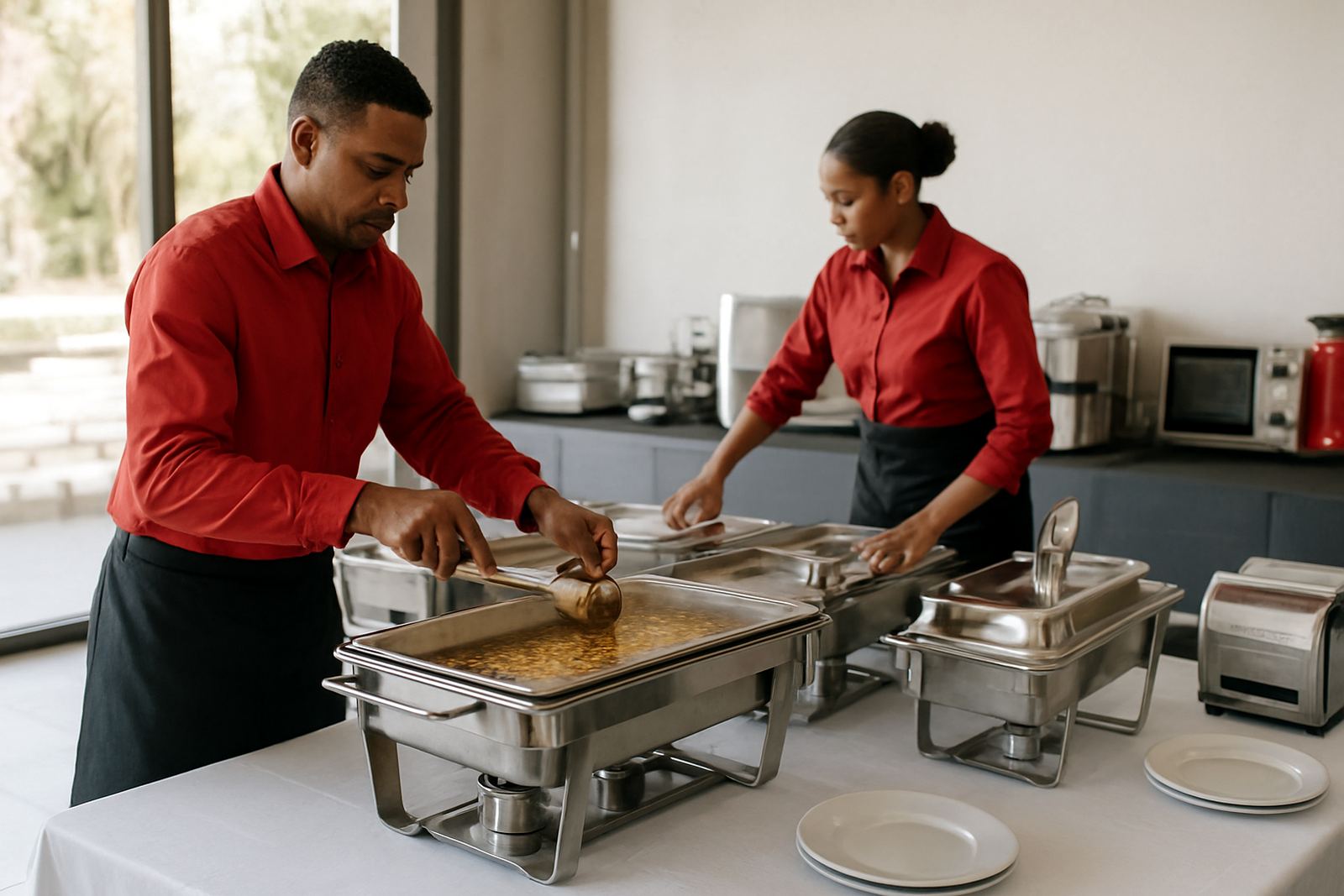
Check water levels in chafing dishes and top them up during the event. Use lids or covers when trays are not being served from. Sauces and stews do well in covered heated pans, while items like breakfast sausages or grilled chicken pieces need careful spacing so they do not sit in a wet pile. If the food starts drying at the edges, the holding setup needs adjusting.
- Preheat hot holding equipment before loading food.
- Keep lids closed as much as possible.
- Stir sauces and soft dishes gently at regular intervals.
- Do not overfill pans, leave room for steam to move.
Protect the buffet from load-shedding and power dips
In Gauteng, a long event can be disrupted by load-shedding or a weak power supply at the venue. If the buffet depends on electric warmers, toasters or microwaves for the refresh cycle, you need a back-up plan. A generator connection, gas-based holding where suitable, or a split setup with some dishes on heat and others held in insulated containers can save the service from collapse.
It also helps to test the exact load before the day. A function in Centurion or Midrand might have plenty of plugs, but not enough safe capacity for all the appliances once the music, lighting and catering gear are running too. Run a check with the venue, identify the sockets that are actually on the same circuit, and keep extension leads neat and out of walkways. A tripped line in the middle of lunch is not just inconvenient, it makes the whole buffet look poorly planned.
- Know which items must stay powered and which can run off stored heat.
- Test venue circuits before the event, not on the day.
- Keep a torch and spare gas or fuel supply on hand where allowed.
- Use insulated carriers for emergency holding during outages.
Use the serving line to manage the look of the food
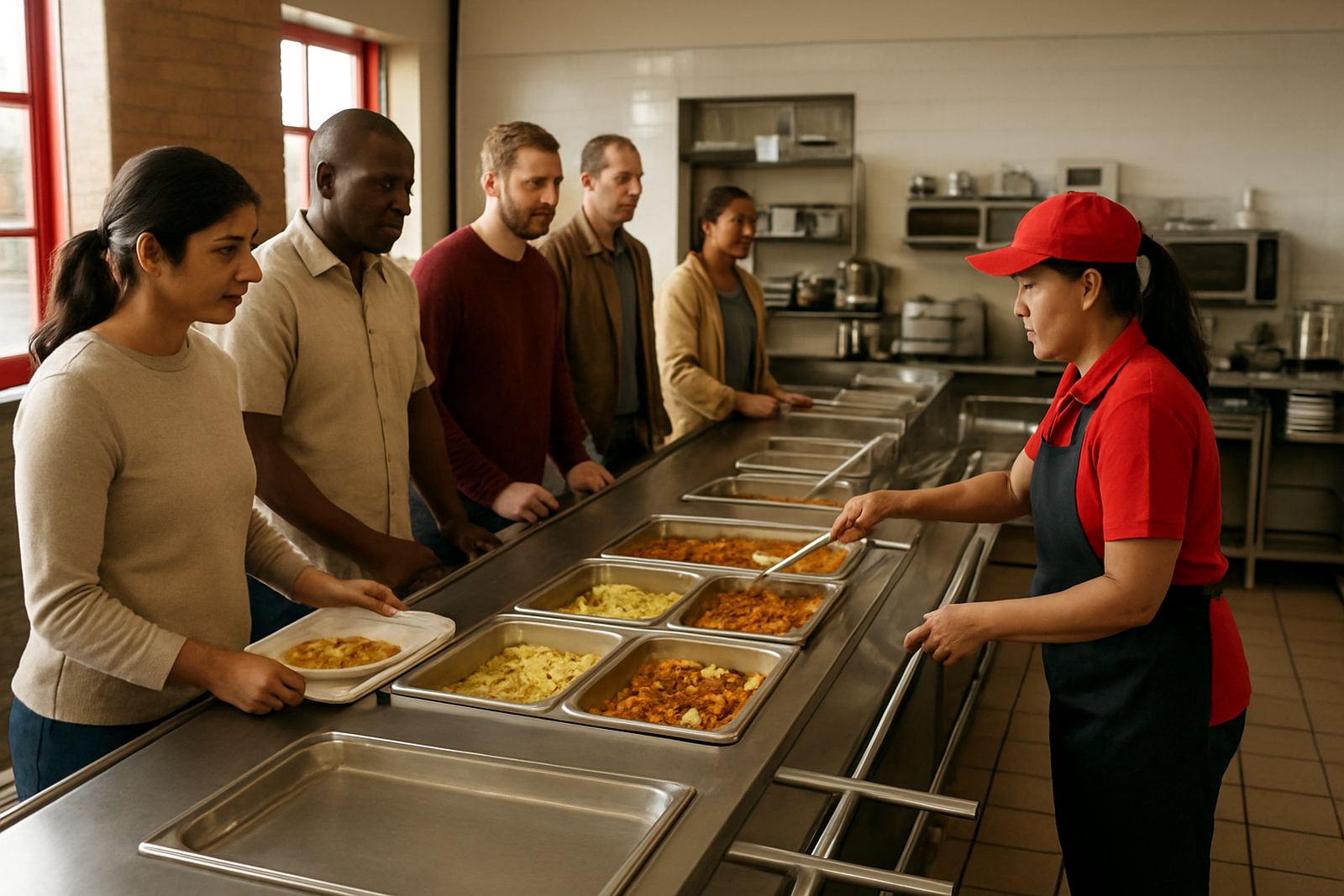
Presentation matters most once people begin serving themselves. A clean buffet line makes a long function feel organised, even if the kitchen is working hard behind the scenes. Place taller items at the back and lower dishes in front so guests can see what is available without leaning over everything. Keep serving spoons in the correct dish and replace them if they get messy or bend out of shape.
In a township hall, a hotel conference room, or a wedding marquee in Boksburg, the same rule applies: the line must be easy to read. Label dishes clearly, keep napkins close by and wipe the serving area often. Crumbs, drips and splashes build up fast when people come back for seconds. A tidy table tells guests the kitchen is in control.
- Arrange dishes from back to front by height.
- Use clear labels for each item, especially sauces and dietary options.
- Keep cloths and wipes nearby for quick clean-ups.
- Replace empty platters before they look neglected.
Hold cold items properly in summer heat
Not all holding is about warmth. Salads, desserts, dairy-based fillings and sliced fruit need cold control, especially in Gauteng summers and even more so in coastal humidity if stock is moved for an out-of-town job. Cream-based dishes can soften fast once the room warms up. If they sit near a hot line or in direct sunlight, they lose their shape and become a risk.
Use chilled trays, ice bases or refrigerated cabinets where possible. Keep cold items away from the warm buffet and only put out what will be eaten in the next service window. If the function has a long span, restock cold dishes from a chilled back-up rather than letting the display sit for hours. It is better to refill three times than to let one large bowl look tired at 3 pm.
- Keep salads and desserts out of direct sun.
- Use chilled backups for refill stock.
- Separate hot and cold zones on the buffet table.
- Do not leave dairy or egg dishes standing while waiting for guests.
Match the equipment to the real size of the event
A 30 person birthday lunch and a 180 guest company function do not need the same holding setup. Too little equipment means food is rushed, but too much equipment makes the line cluttered and harder to manage. The right mix depends on the menu, the serving style and how long the event will run. For example, a buffet with fried items, toasted sandwiches, hot breakfast dishes and a soup course needs different holding points from a plated banquet.
Afchain Catering Equipment works with teams across Pretoria Central, Centurion, Midrand, Kempton Park, Boksburg and Randburg on quotes, site assessments, delivery, positioning, installation and servicing. That matters when a venue has a tight kitchen, a long pass or awkward power access. In Silverton, a practical plan might include refurbished used equipment for back-up service, a check on layout before the event, and a quick handover to staff so they know what stays on heat, what gets rotated and what must be covered. A proper setup reduces waste and keeps the buffet looking cared for right to the end.