Same machine, different kitchen, different habits
In commercial kitchens, people often think training is only needed when the equipment is new. In practice, even a fryer or microwave that your staff have used for years can behave differently once it is installed in a new site. The power supply may be different, the extractor position may change heat build-up, and the working layout can affect how the team moves around it.
In Pretoria and the wider Gauteng area, we see this often when a business moves from a small takeaway space in Pretoria Central to a larger site in Centurion or Midrand. The unit is familiar, but the day-to-day use is not. A proper handover explains what has changed and what must stay the same.
That is why a quick training session after install is worth doing. It is not a sales exercise. It is the point where the equipment, the kitchen team and the actual operating conditions all meet.
What a proper handover should cover
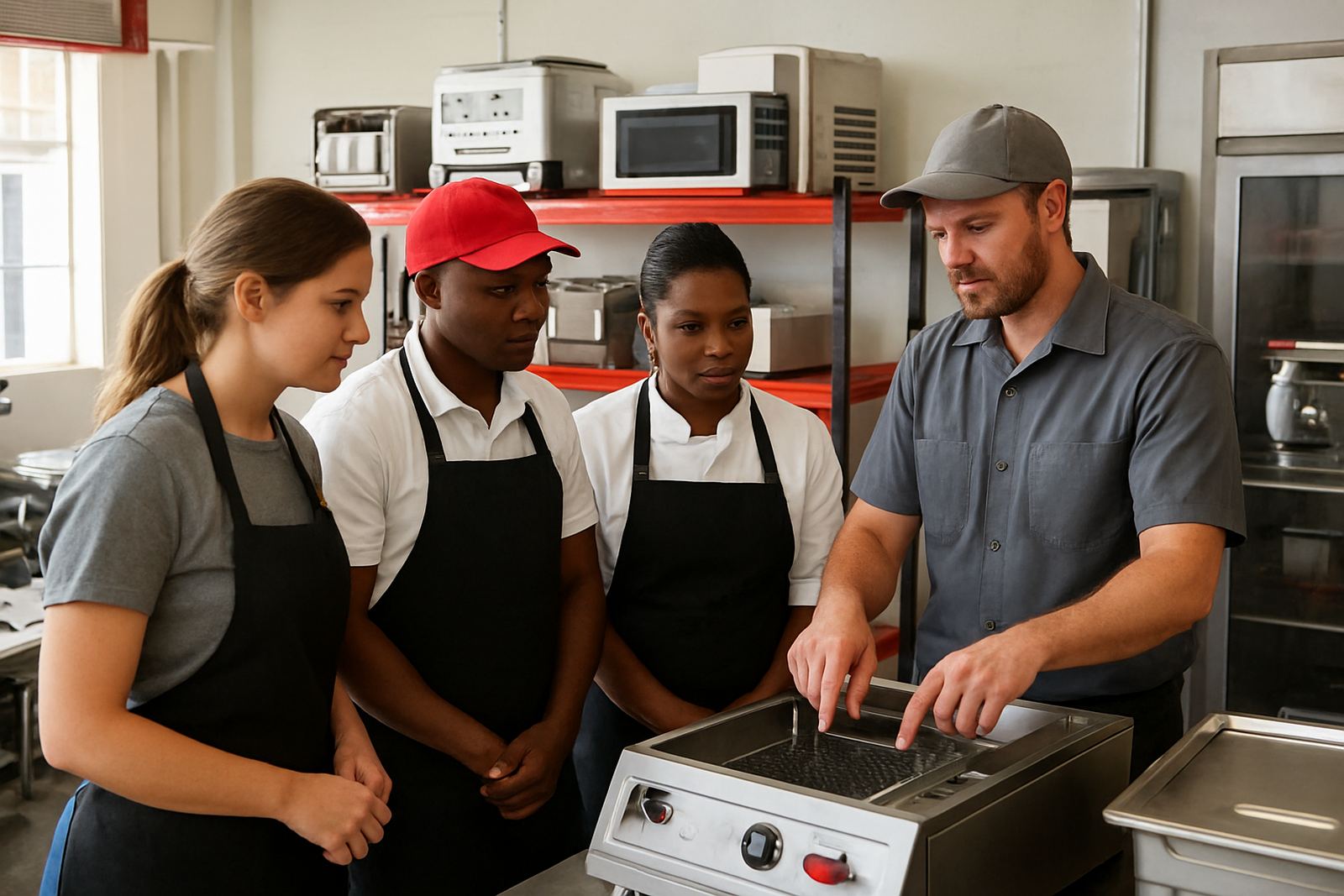
A good handover is practical and short. Staff do not need a lecture. They need clear steps they can follow on a busy breakfast rush, a lunch service or a weekend function.
- How to switch the unit on and off safely
- Warm-up times, preheat checks and safe loading limits
- Cleaning points that must be done daily, weekly and monthly
- What can and cannot go into the machine
- Basic fault signs such as uneven heat, strange noise or tripping
- What to do during load-shedding or power restoration
If the kitchen uses several items together, the handover should also cover sequence. For example, where the toaster sits relative to the prep area, or when the chafing dishes are filled and lit in relation to service time. Small details matter, especially when the team is under pressure.
Load-shedding, power dips and reset mistakes
In Gauteng, many kitchens still deal with load-shedding, voltage dips and sudden restarts. Equipment can survive that, but only if the team knows the correct restart routine. One common problem is staff switching machines back on too quickly after power returns. That can overload the circuit or upset the controls.
We also find that some teams use extension leads, multi-plugs or undersized cabling because the kitchen was reconfigured in a hurry. That causes heat loss, nuisance trips and sometimes damage to the element or control board. A handover is the right time to point out where the supply comes from and who should touch it, if anyone.
For sites in Boksburg, Kempton Park and Randburg, the same advice applies: if the supply is unstable, the team must know what to isolate first and what to leave off until the voltage settles. It saves time and it prevents a small issue from becoming a workshop job.
What staff forget after the installer leaves
Even good operators forget details once the delivery team has gone and the kitchen starts trading. That is normal. What matters is having the basics written down and shown on site, not just explained once at the loading bay.
The most common gaps are simple ones:
- Not draining fryers at the right temperature
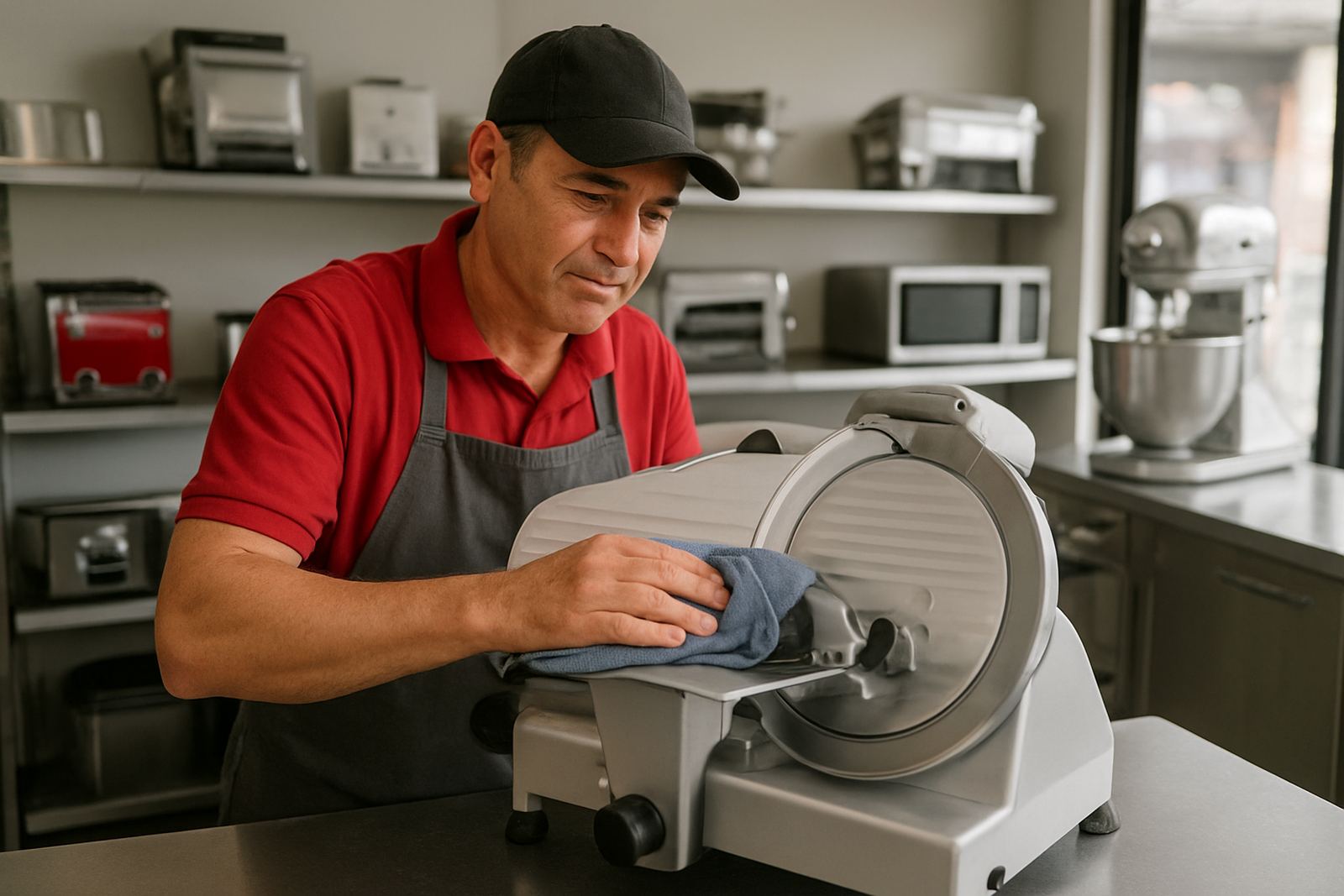
- Using the wrong sponge, cloth or chemical on stainless steel
- Overfilling warmers and chafing dishes
- Running mixers beyond the batch size they can handle
- Closing ventilation or blocking airflow around microwaves and toasters
These mistakes do not always cause an immediate breakdown. More often they shorten the life of the unit or create uneven results, which leads to complaints from customers and extra pressure on the kitchen team.
A Pretoria example: a new branch, old habits and one hot element
We recently worked with a food business in Pretoria Central that moved a familiar set of fryers and toasters into a new space with a slightly different counter layout. The staff knew the equipment well, but the new position meant the fryer sat closer to the prep area and the toaster was near a wall, where heat built up faster than before.
During the handover, we adjusted the placement, showed the team the correct start-up order and pointed out the signs of strain to watch for during the first week. We also covered the reset steps after power interruptions, because the site was expecting intermittent supply that month.
The result was simple: fewer interruptions, cleaner working habits and less chance of a call-out for something that could have been avoided. The team did not need more equipment. They needed the right information for that specific room.
After-install training supports servicing and repairs
When staff know how a unit is meant to operate, servicing becomes easier and breakdowns are easier to diagnose. A technician arriving on site in Midrand or Centurion can move faster when the team can explain exactly what happened, when it happened and what was done before the fault started.
That also helps with preventive servicing. If the kitchen understands which parts need regular cleaning, lubrication, calibration or inspection, the machine is less likely to fail during peak trading. A few minutes of training can save hours of lost sales later on, especially where a kitchen is running with a small crew and no backup unit.
For businesses using used equipment, this is even more important. Older units often work well, but they need stricter routines and a clearer understanding of their limits. A handover helps the team treat the machine properly from day one, not after the first problem.
What we cover at handover and why it matters
A practical handover should fit the equipment and the site. It should not be general advice copied from somewhere else. At Afchain Catering Equipment, we look at how the kitchen is actually used, who is operating it and what risks are present on that day.
- Operation steps for each installed item
- Cleaning and shutdown routine for closing time
- Safety points around heat, steam and electrical supply
- Service intervals and warning signs
- Contact details for quotes, servicing and follow-up work
That approach suits busy kitchens in Pretoria, Centurion, Midrand, Kempton Park, Boksburg and Randburg. It keeps the equipment working as intended and gives the team confidence from the start. A quick handover may only take a short time, but it can prevent avoidable wear, wasted stock and a few very long afternoons.