When a refit makes more sense than a full replacement
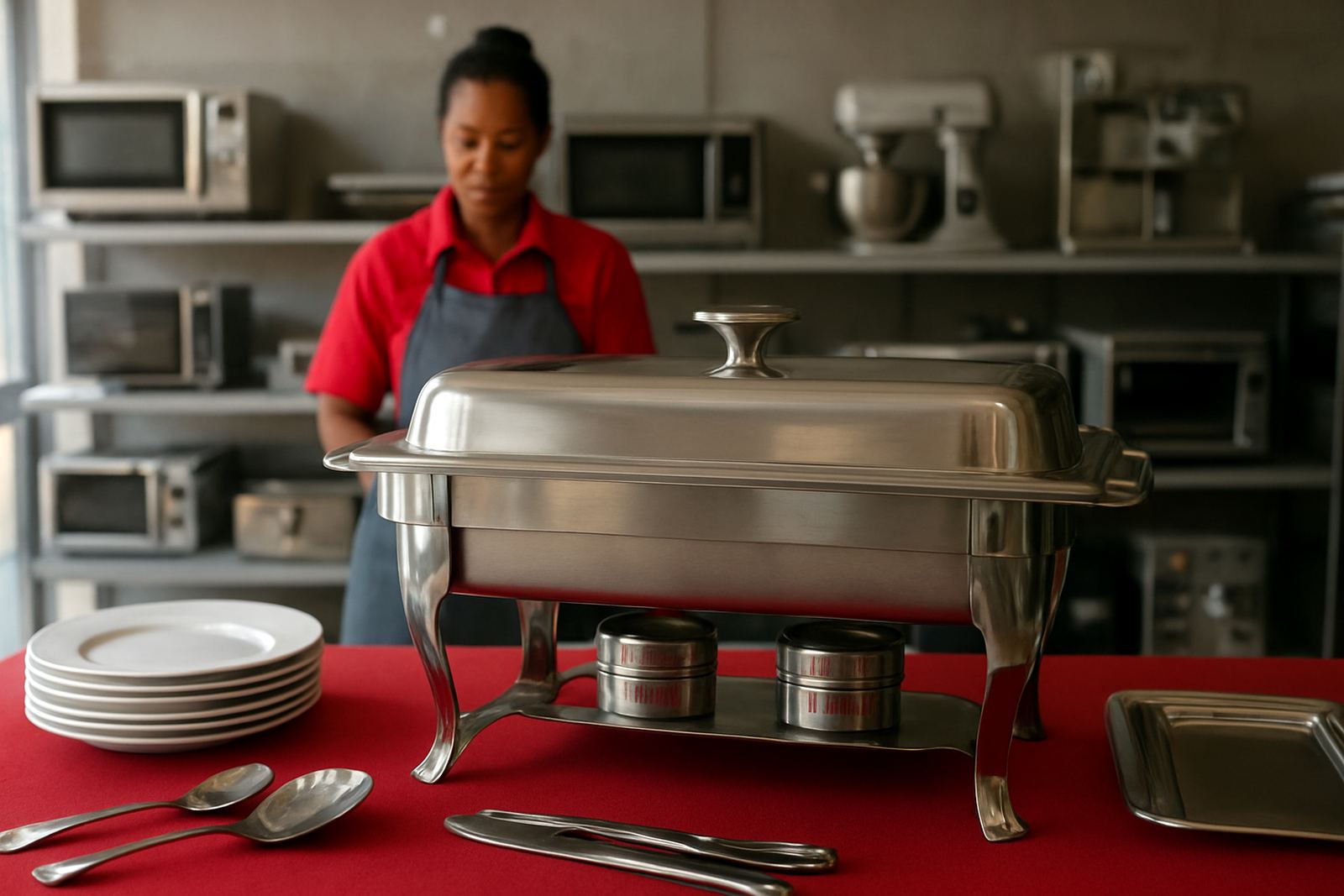
Refurbishment is worth serious consideration when the frame, chamber, body or main structure is still sound, but the working parts are tired. That often applies to fryers, toasters, mixers, microwaves and chafing dishes that have been in daily use for years. If the unit still suits the kitchen layout and output, you may not need to start again from scratch.
In many cases the cost of replacing a whole line of equipment goes up quickly once you include delivery, positioning, installation and any changes to power or gas points. A workshop repair or rebuild can keep the equipment in service while avoiding unnecessary disruption. It also helps when the unit is older but not obsolete, and the spares or service parts are still practical to source.
For operators in Pretoria Central, Centurion or Midrand, this often comes up after a busy trading season or after a few load-shedding cycles have left equipment stressed. A good rule is simple: if the unit is physically stable, still fits the kitchen and can be restored to safe working condition, refurbishment may be the better value.
What a proper workshop refurbishment should cover
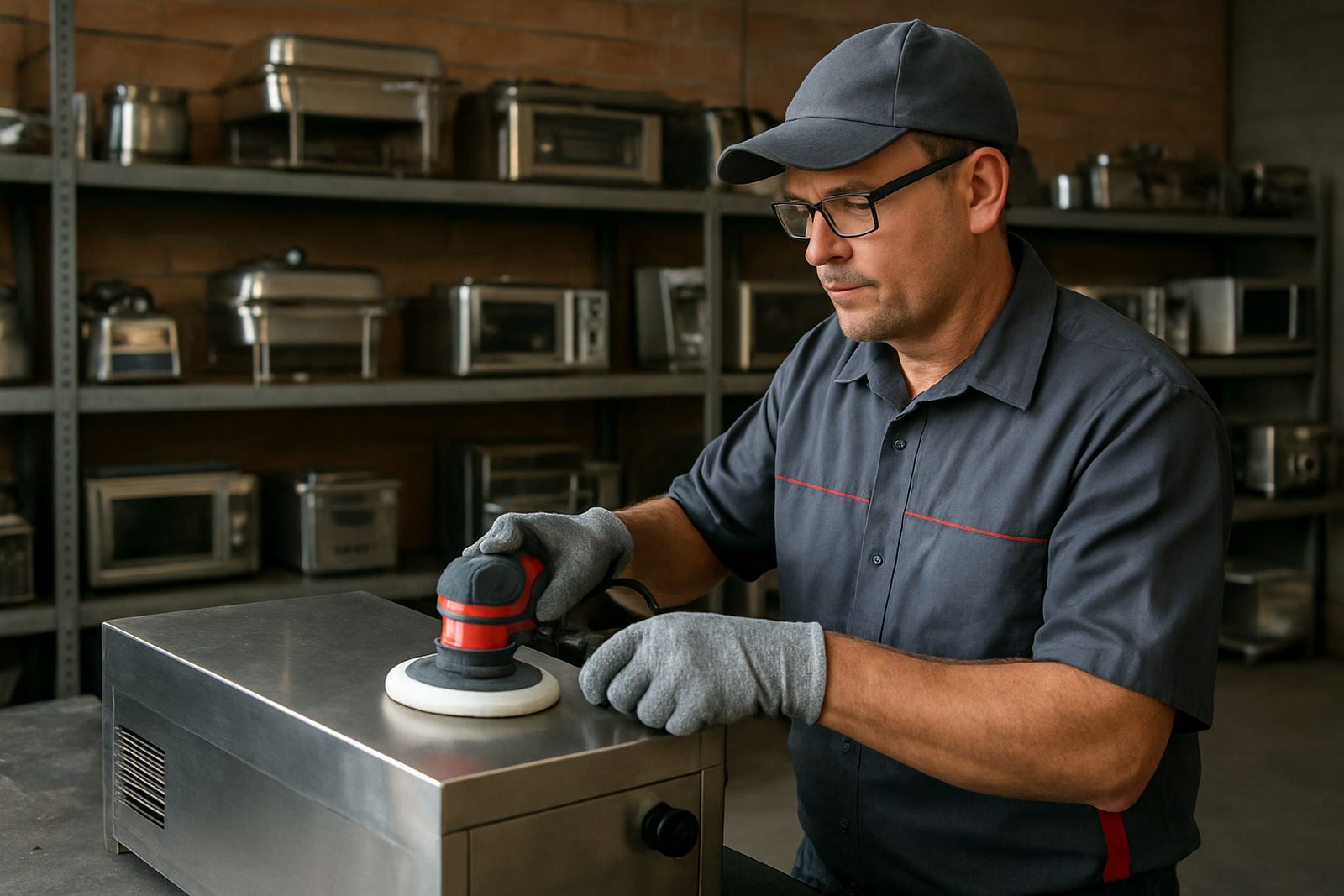
A workshop refurbishment should be more than a quick wash and test. It should start with a proper fault check, then move through stripping, cleaning, replacement of worn parts, electrical checks and final testing. If the unit is used in a hot, greasy kitchen, the hidden issues are often in switches, seals, bearings, hinges, elements or control panels.
Afchain’s workshop work typically helps where equipment has been rattling, overheating, tripping, leaking or simply losing output. In a place like Boksburg or Kempton Park, where kitchens may run long hours and dust can get into fittings, a proper strip down can make a real difference.
- Inspection of the body, frame and all working parts
- Cleaning of grease build-up and carbon deposits
- Replacement of failed or worn electrical and mechanical parts
- Testing for heat, temperature control and safe operation
- Final check before return to site
If the unit still has a strong base, refurbishing it in the workshop can be more cost-effective than paying for a brand new replacement that may still need extra installation work.
The numbers to compare before you sign off a replacement
The decision should be based on real figures, not guesswork. Ask for a quotation that shows the repair cost, likely turnaround time and what is included. Then compare that with the total cost of buying new, including delivery, positioning and any site changes. If the current unit is only 60 percent of the way through its useful life, refurbishing it can be a smart move.
You should also look at downtime. A kitchen in Randburg or Pretoria Central that serves lunch every day cannot afford a long break in production. If a refurbishment can be completed faster than sourcing a new unit, that may be the biggest saving of all. One damaged machine left idle for two weeks can cost more in lost trade than the repair itself.
- Current repair quote
- Expected life after repair
- Replacement cost with install
- Downtime and lost trading hours
- Energy use and maintenance needs after the work
When those figures are placed side by side, the cheaper option is not always the best value. The better option is the one that keeps the kitchen trading with less risk and less waste.
A Pretoria example: keeping an older hot line working
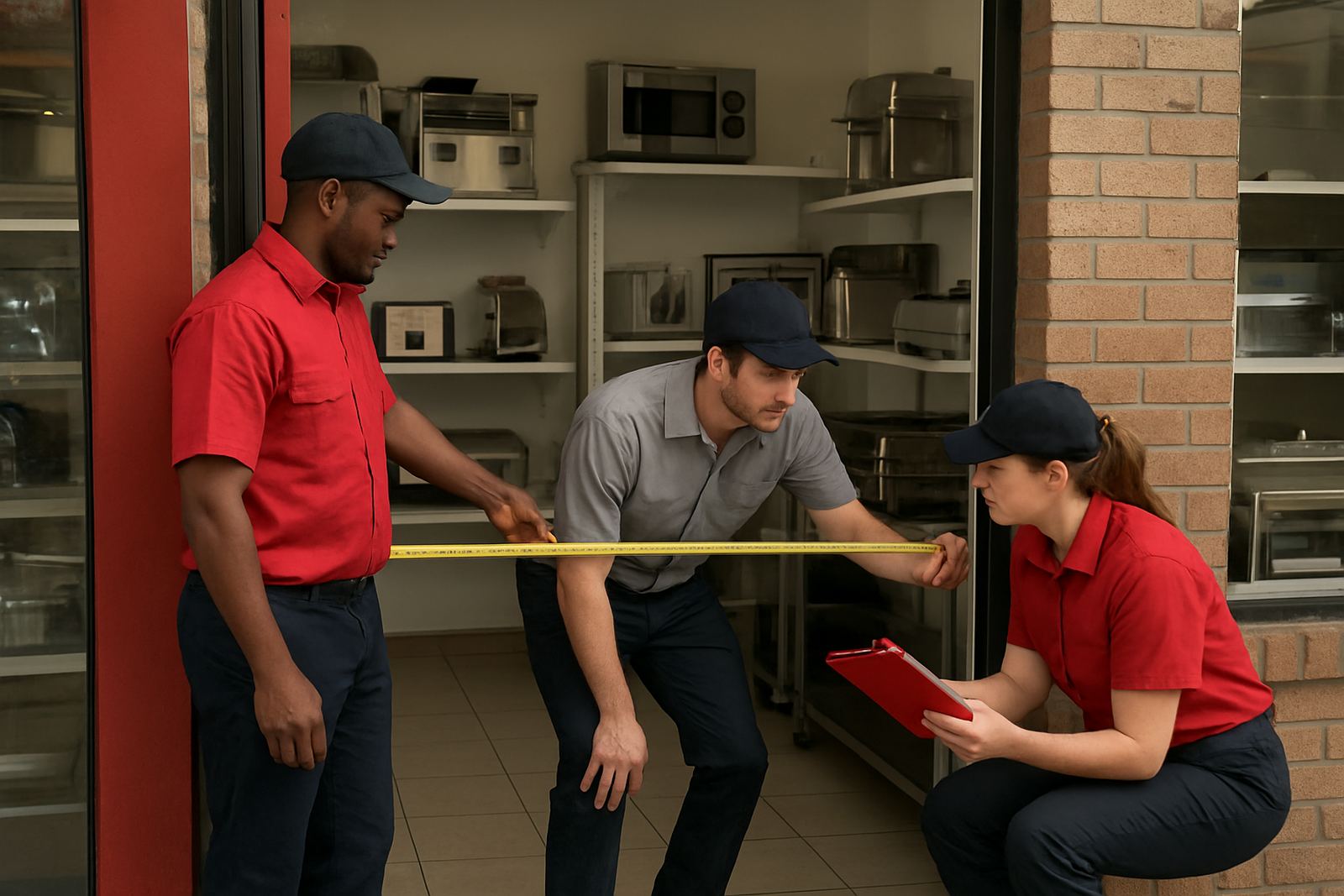
A small catering kitchen in Silverton called for help after a set of older units started failing one by one. The fryer was taking too long to recover temperature, the mixer had play in the drive, and a microwave used for prep was cutting out during busy periods. The owner was ready to replace everything, but the kitchen footprint was tight and the budget was already stretched.
After a site assessment, the equipment was moved into the workshop for refurbishment instead. The units were cleaned, worn parts were replaced and the controls were tested before return. The kitchen kept its layout, the staff did not have to relearn the whole setup, and the owner avoided extra rewiring and repositioning costs. It was not a fancy solution, just the one that made sense.
That is often the real value of refurbishment. It keeps a working kitchen working, especially where the existing layout still suits the menu and the staff know the flow.
When refurbishment is not the right answer
Not every unit should be repaired. Some equipment is too far gone, unsafe, or no longer economical to service. If the cabinet is badly corroded, the frame is twisted, or the damage affects food safety, replacement may be the only sensible option. In coastal humidity or in kitchens with heavy steam, corrosion can move faster than people expect.
You should also avoid putting money into equipment that no longer fits the business. If the kitchen has changed from light prep to high-volume service, an old unit might not handle the load even after repair. In that case a replacement or kitchen reconfiguration can save trouble later.
- Severe corrosion or cracking
- Unsafe electrical faults that keep returning
- Frames that cannot be made square or stable
- Parts that are no longer practical to source
- Equipment that no longer matches output needs
The point is not to repair everything. The point is to spend money where it will still pay back in service time and fewer breakdowns.
How Afchain handles refurbishment work from quote to handover
Refurbishment works best when the process is clear from the start. At Afchain Catering Equipment, the team can assist with quotes, site assessments, delivery and positioning, installation, preventive servicing and breakdown repairs. For older commercial kitchen units, that means you get a practical view of whether a repair will hold, or whether replacement is the safer call.
Our Silverton, Pretoria base supports customers across Pretoria Central, Centurion, Midrand, Kempton Park, Boksburg and Randburg. The workshop team can also help with used equipment sourcing, workshop refurbishment and kitchen reconfiguration, which matters when the old unit is part of a larger change. Mpho Sekgobela leads the business, with Annelie van Wyk handling sales, Sibusiso Dlamini coordinating service, Kagiso Molefe on installation, Nadia Petersen managing quotes and procurement, and Tshepo Mokoena supervising workshop work.
For kitchens that need a practical answer, refurbishment is often the middle path between limping along and spending too much. It is especially useful where power interruptions, busy service hours and limited space make replacement more disruptive than necessary. If the unit still has life left in it, a proper workshop rebuild can keep it earning its place.
To discuss a refurbishment quote or arrange an assessment, contact quotes@afchain.co.za.