Start with a cleaning routine that fits the school day
A school kitchen does not need a complicated hygiene plan. It needs clear steps that happen at the same time every day, before the first pot is filled and again after the last plate leaves the pass. In Pretoria and across Gauteng, many kitchens run with a small team, so the routine has to be practical enough for relief staff, general workers and supervisors to follow without confusion.
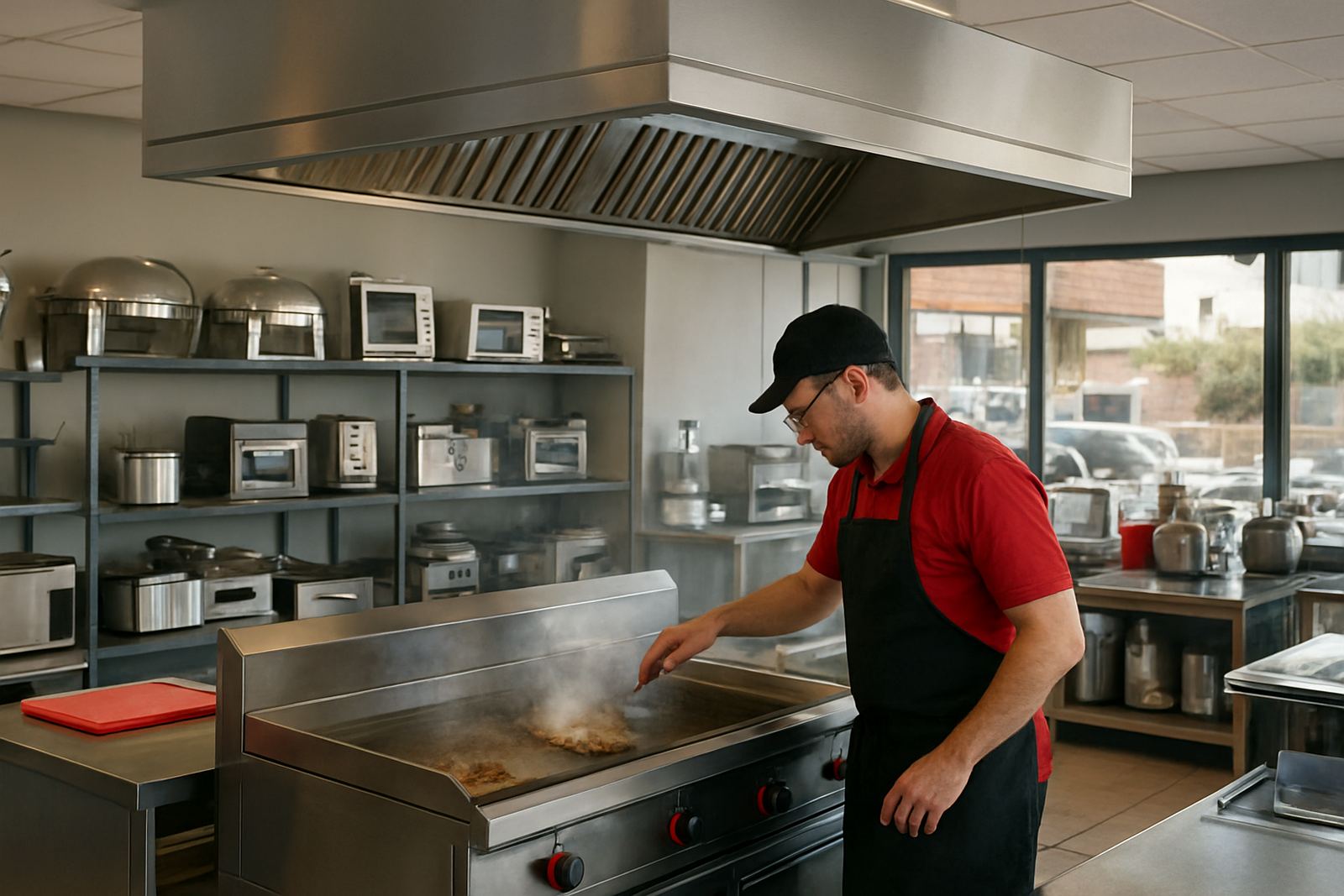
The best place to begin is by dividing the kitchen into zones. Food prep, cooking, serving, washing up and waste removal should each have its own sequence. If everyone knows what must be cleaned before the next task starts, there is less chance of cross contamination. This matters even more when the kitchen serves porridge at 06:30, lunch by midday and aftercare meals later in the day.
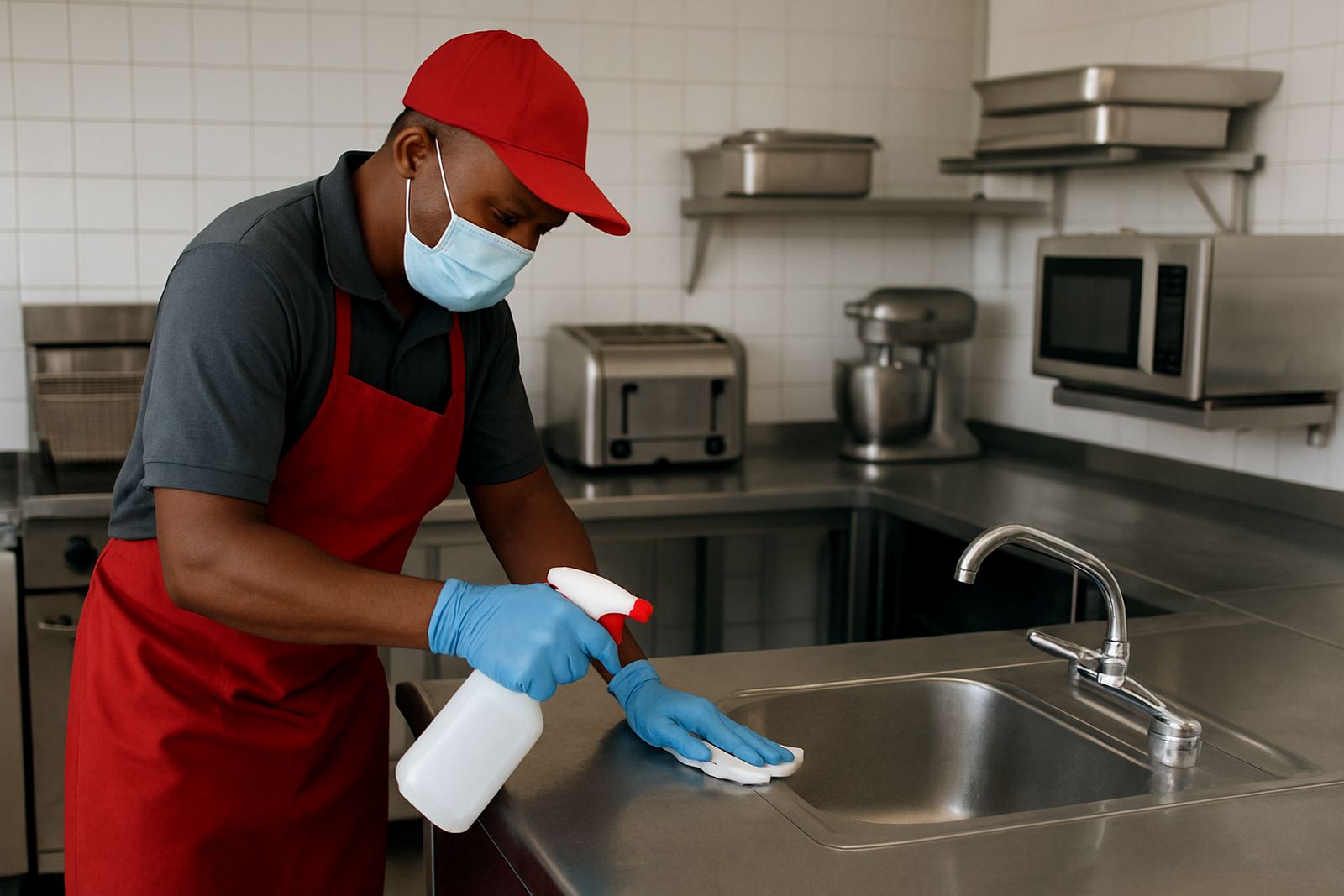
- Clean and sanitise prep tables before use, then again after raw food handling.
- Wash hands on arrival, after handling bins, and after touching money or delivery boxes.
- Keep separate cloths or colour coded cloths for floors, counters and serving areas.
- Check soap, paper towel and sanitiser stock before service starts.
Keep the learner meal line separate from the dirty wash area
One of the simplest ways to improve hygiene is to keep clean work and dirty work apart. In a busy school kitchen, the sink area often becomes a bottleneck, and that is where mistakes start. Pots pile up, food scraps are left near the wash bay, and clean utensils end up standing too close to dirty trays. The fix is not expensive, but it does need discipline.
If the kitchen layout is tight, move the wash area as far as possible from the main cooking line. Use racks or tables so clean items dry above the floor, not on wet surfaces. Bins should have lids and must be emptied before they overflow. A refuse bag left open near hot food will attract flies quickly, especially in warmer months and in kitchens near loading bays.
- Store clean plates, bowls and utensils in a dry cupboard or enclosed shelf.
- Never place washed items directly on the floor or against a wall that has splash marks.
- Empty waste bins before lunch rush and again at closing time.
- Keep dishwashing chemicals marked and stored away from food, labels facing forward.
In a school in Centurion, for example, the kitchen may serve more than 300 learners in one day. If the serving counter and dishwashing area are too close, workers end up walking through each other’s space. A simple reorganisation can cut down on spills and make supervision easier, which helps when staff numbers are low or someone is off sick.
Plan for load shedding, water limits and warm Gauteng days
School kitchen hygiene is not only about scrubbing surfaces. It also depends on equipment that keeps food safe when the power goes off or the weather turns hot. Load shedding can interrupt refrigeration, slow down reheating and leave hot holding equipment idle. In summer, a kitchen that is not ventilated properly can get very warm, and that makes it harder to keep food at safe temperatures.
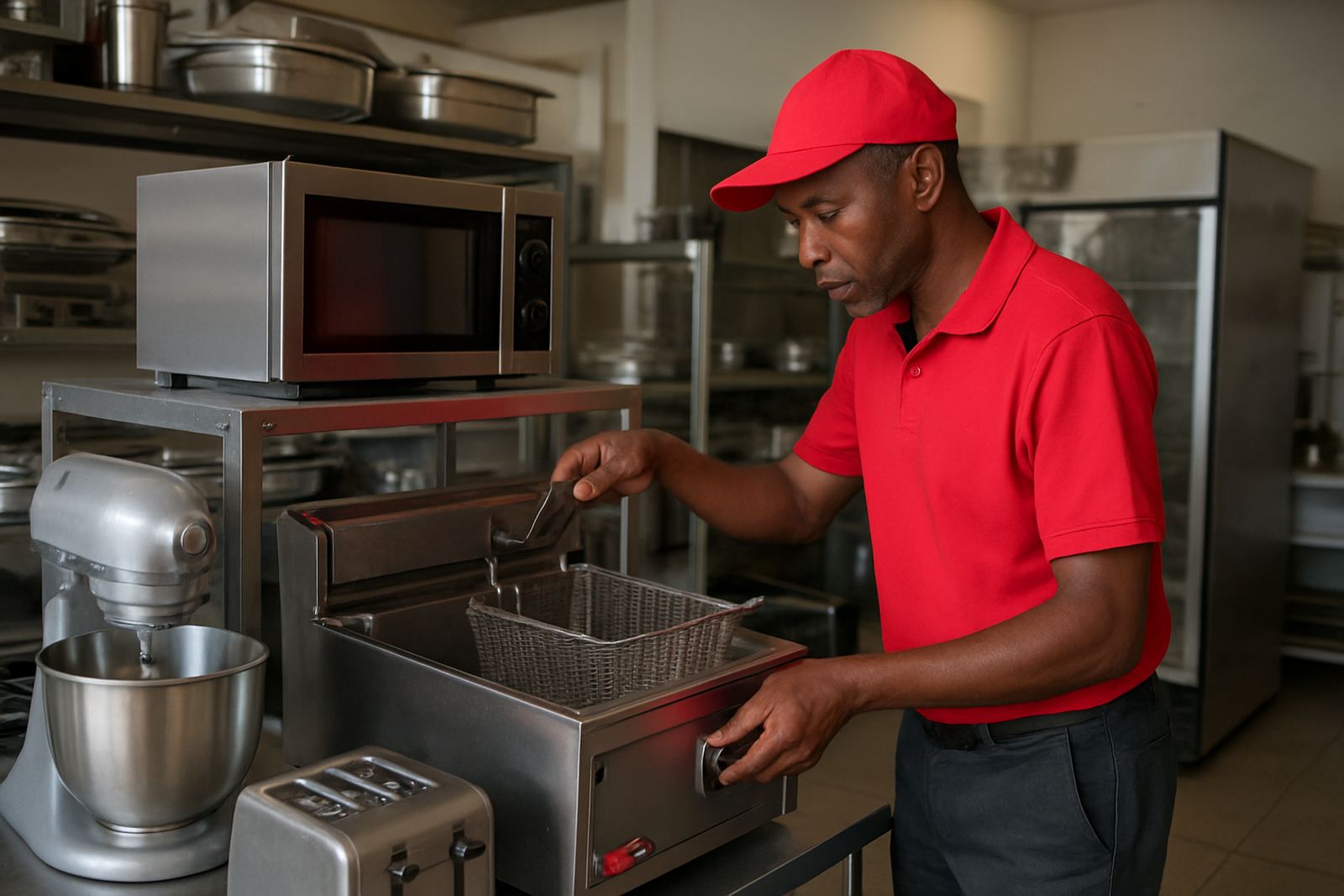
That is why schools should check equipment daily, not only when it breaks down. Fridges and freezers need clean seals, clear airflow around them, and regular temperature checks. Microwaves, fryers and toasters should be serviced so doors, switches and heating elements work properly. If a unit is faulty it often gets used anyway because the meal must go out, but that is when hygiene and safety slip.
Water supply matters too. Some schools in Gauteng have limited pressure at certain times of day, so handwashing points need to be easy to reach and kept open. If the kitchen relies on stored water, containers must be clean and covered. A backup plan for rinsing equipment and washing hands is not a luxury, it is part of the food safety system.
Make daily cleaning jobs specific enough for every staff member
Cleaning goes better when each job is named clearly. Saying “clean the kitchen” is too broad. Saying “wipe the prep table, wash the slicer guard, sweep under the serving hatch and sanitise the handles” gives the team a proper target. That also helps when there is staff rotation or substitute workers during exam periods and school holidays.
At the end of each shift, the team should complete a closing checklist. This keeps the kitchen ready for the next day and reduces early morning panic. It also makes it easier for a supervisor to spot missing steps before they become habits. A good checklist does not need to be long, but it must be followed every day, even when the kitchen is busy and nobody wants one more task.
- Wipe all counters, switches, handles and taps with approved sanitiser.
- Sweep and mop floors, paying attention to corners and drain points.
- Check that all food has been covered and dated before storage.
- Switch off and clean appliances according to the manufacturer instructions.
- Record faults, broken seals, loose knobs or unusual smells immediately.
When cleaning is documented, it becomes easier to show due care during inspections and internal audits. It also helps the school know where the weak points are, such as a fridge that struggles during winter mornings or a fryer that takes too long to recover between batches.
Use equipment that can handle school volumes and quick turnarounds
School kitchens need equipment that is easy to clean, quick to heat and simple to service. Heavy duty does not have to mean complicated. It means surfaces that wipe down easily, trays that lift out without struggle, and parts that can be replaced without shutting the kitchen for days. In older kitchens, especially in Pretoria Central or Randburg, a small layout change can make cleaning much easier than buying more gear.
When choosing or replacing equipment, ask how it will affect daily hygiene. Will staff be able to reach behind it to clean? Can the unit be moved for floor cleaning? Does it hold heat safely during lunch service? Is there enough space for airflow if the school already battles with warm rooms or generator heat? These are the practical questions that save time later.
Used equipment can also work well if it has been inspected properly and refurbished where needed. A cleaned and serviced unit may be a better choice than a cheap one that fails after a few months. The key is to match the equipment to the kitchen load, not the other way around.
Train staff and keep the rules visible where work happens
Hygiene works best when staff can see the rules at the point of use. A short notice above the handwash basin, a cleaning schedule on the wall and a fault log near the prep area can make a real difference. The aim is not to police people, it is to help them work faster and safer.
Training should also be short and repeated. New workers may know how to cook, but not how that school wants food handled, cooled, stored and served. A 15 minute handover before the first shift can prevent the sort of errors that lead to complaints from parents or unnecessary waste. If the kitchen is being reconfigured, the team should be shown the new flow before service starts. Otherwise people drift back to old habits.
For schools in Pretoria, Midrand, Kempton Park and Boksburg, a well run kitchen usually comes down to the same basics: clear cleaning steps, working equipment, enough handwash points and a team that knows where everything belongs. It is not flashy, but it keeps meal service steady and helps protect learners every day.