Start With Power, Gas and Water Checks Before Anything Gets Hot
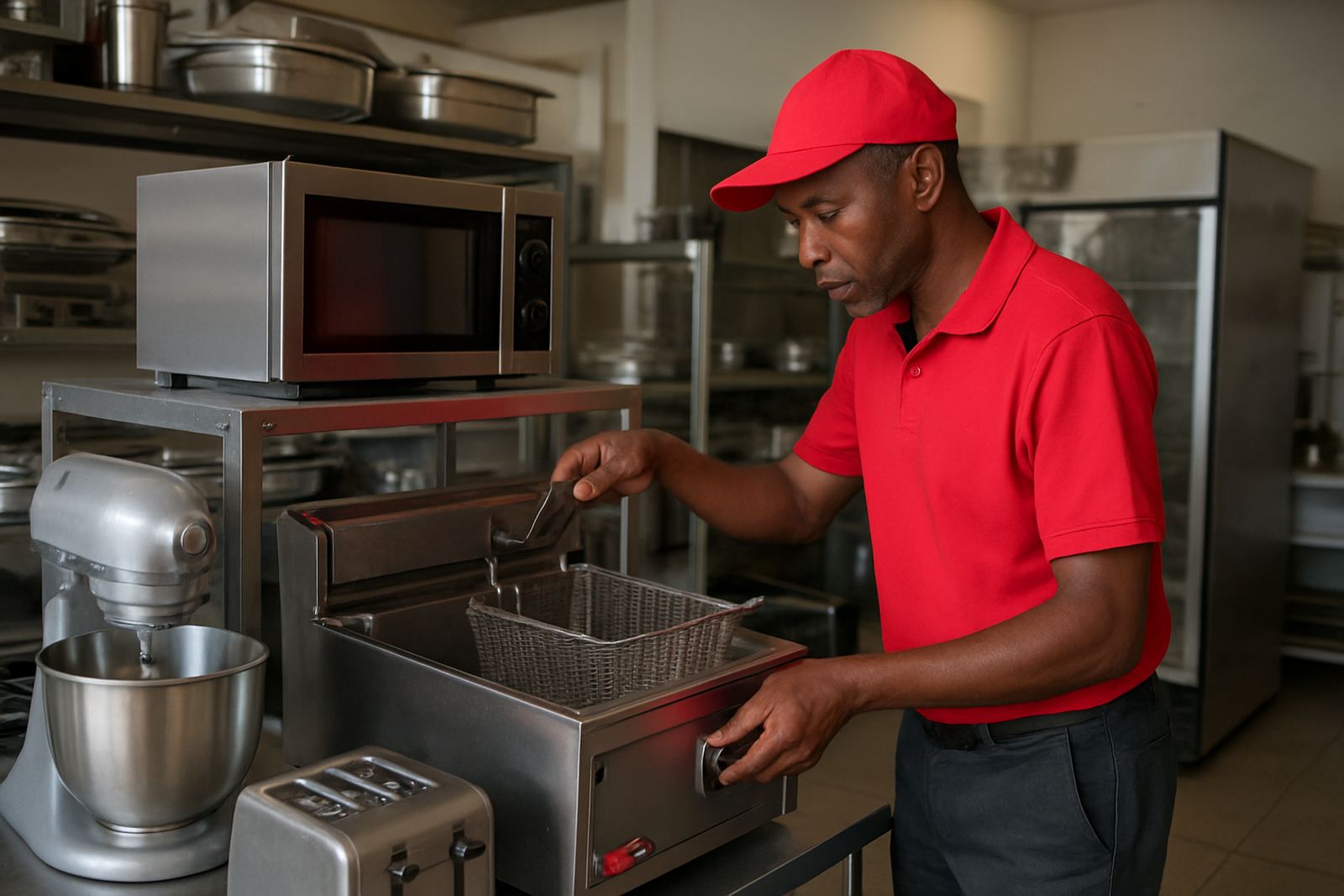
The first few minutes of the morning should be about utilities, not cooking. If a fryer, toaster or microwave is switched on before the basics are checked, you can burn time chasing a fault that was already there. In Silverton, Pretoria, we often see kitchens lose half an hour because a plug was loose after cleaning, a gas bottle valve was not opened fully, or a water supply had been isolated overnight.
Make it part of the same routine every day. Look at the main isolators, test the sockets you rely on most, and confirm that water is flowing to sinks, dish points and any equipment that needs it. On sites using backup power during load-shedding, check that changeover has happened properly and that the cooking line is still getting the right supply. It sounds basic, but it saves a service rush later on.
- Check the main power, gas and water points first thing.
- Look for tripped breakers, closed valves or low gas supply.
- Confirm backup power is working before peak prep starts.
Give Fryers, Toasters and Mixers a Fast Physical Inspection
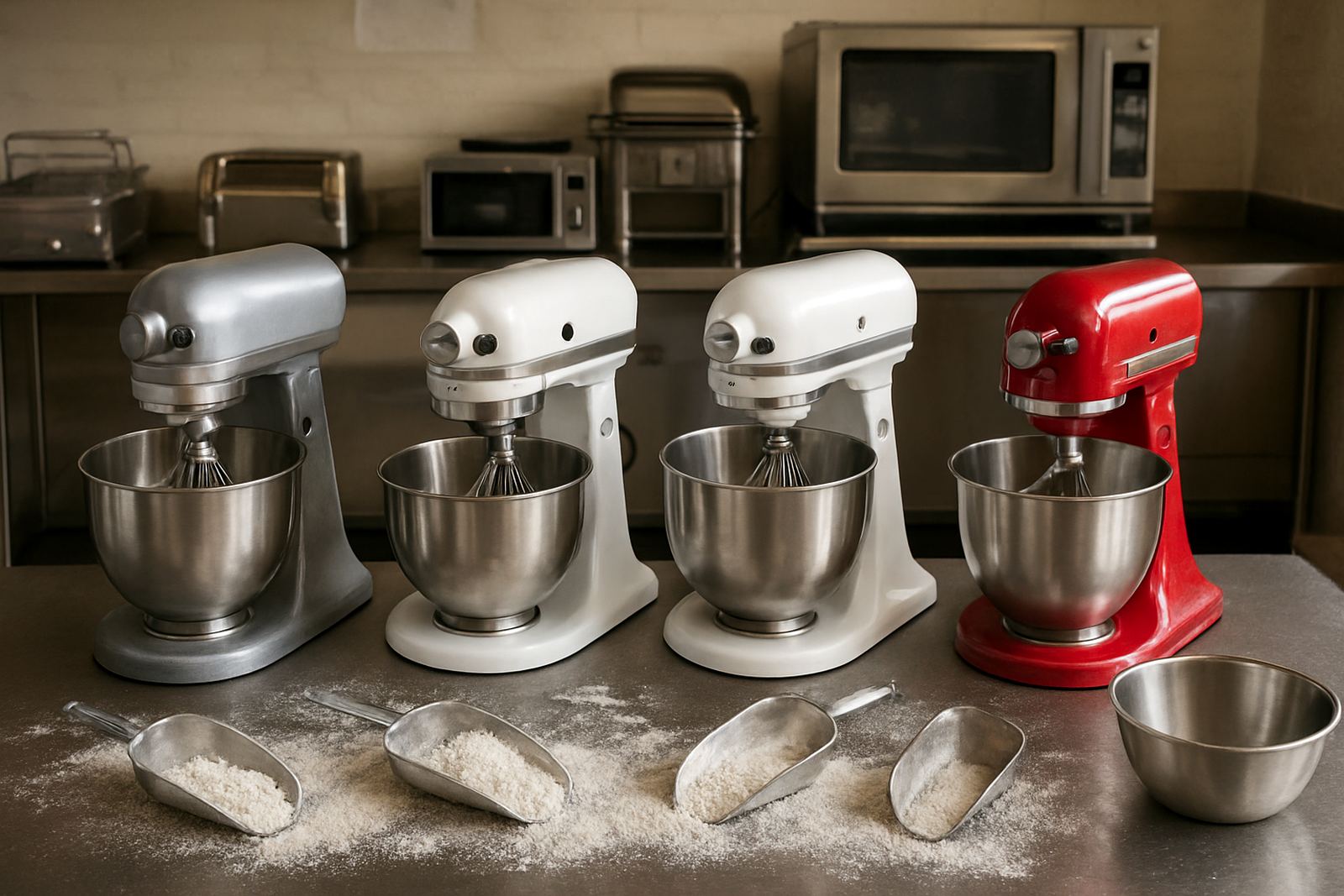
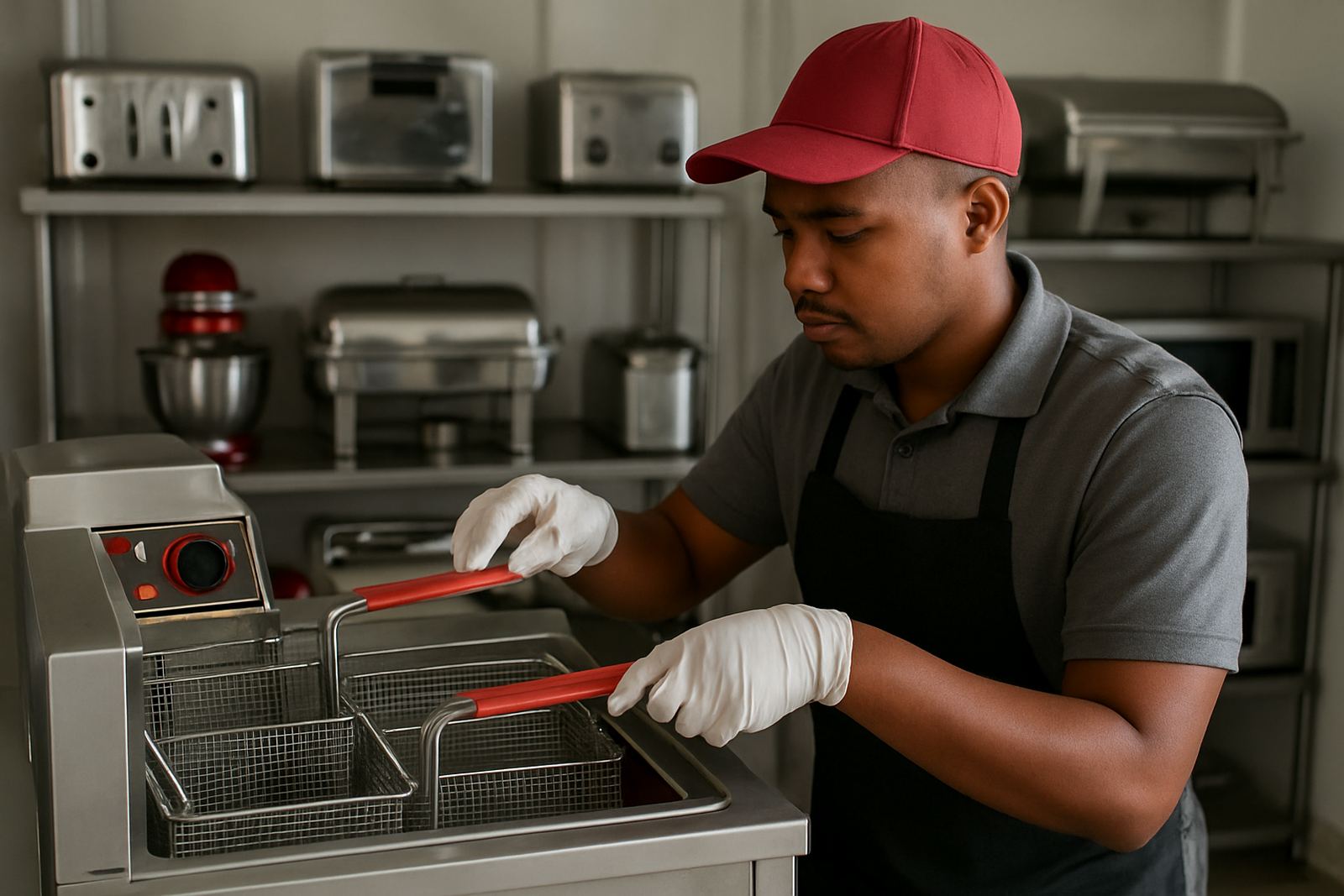
Once the utilities are live, walk the line with your hands and eyes. You are not looking for a deep clean at this stage, only signs that equipment was left in a bad state overnight. A fryer with burnt crumbs around the elements, a toaster with stuck bread at the bottom, or a mixer with a loose attachment can turn into a delay by 08:00. Small faults often show up first as noise, vibration or uneven heating.
In our work with kitchens from Pretoria Central to Midrand, the biggest morning problems are usually mechanical rather than electrical. A worn switch, a bent tray, a damaged cord or a loose foot on a mixer can all become a breakdown if nobody notices them early. If the machine does not sound right, stop using it and log it for servicing before the lunch rush. Better to lose 10 minutes at open-up than an hour when customers are waiting.
- Listen for unusual noises and check for vibration.
- Inspect cords, plugs, trays, baskets and attachments.
- Remove any equipment showing heat damage, smell or wobble.
Build a Cleaning Sequence That Matches the Equipment Used Most
Morning cleaning should follow the way the kitchen works, not just a general wipe-down. The items used most heavily the previous day need the closest attention. Fryers need oil level checks and crumb removal. Toasters need trays emptied. Microwaves need a quick interior wipe and door seal check. Chafing dishes must be clean, dry and ready for assembly before food arrives. If the team skips this order, staff end up cleaning around each other and slowing the full prep line.
At Afchain Catering Equipment in Pretoria, we tell clients to separate cleaning into what affects service and what can wait. Food contact surfaces come first. Handles, switches, door seals and control panels come next. Exterior stainless steel can be wiped after the operational checks are done. In humid coastal sites, corrosion is a bigger issue, but even inland dust from open doors and deliveries can leave residue that interferes with moving parts. Keep cloths, spray bottles and safe cleaning materials where the opening team can reach them quickly.
- Prioritise food contact surfaces and hot units used first.
- Check door seals, handles and controls while cleaning.
- Keep cloths and cleaning materials close to the open-up point.
Set the Day Up With Stock, Safety and Layout Checks
A good open-up routine is not only about machines. It also checks whether the kitchen is ready for movement, storage and safe service. Staff need enough pans, trays, utensils and small items at hand before the first order comes through. If something as simple as a missing tray or blunt knife is discovered at 10:30, the whole team starts borrowing from one station to another and the rhythm is gone.
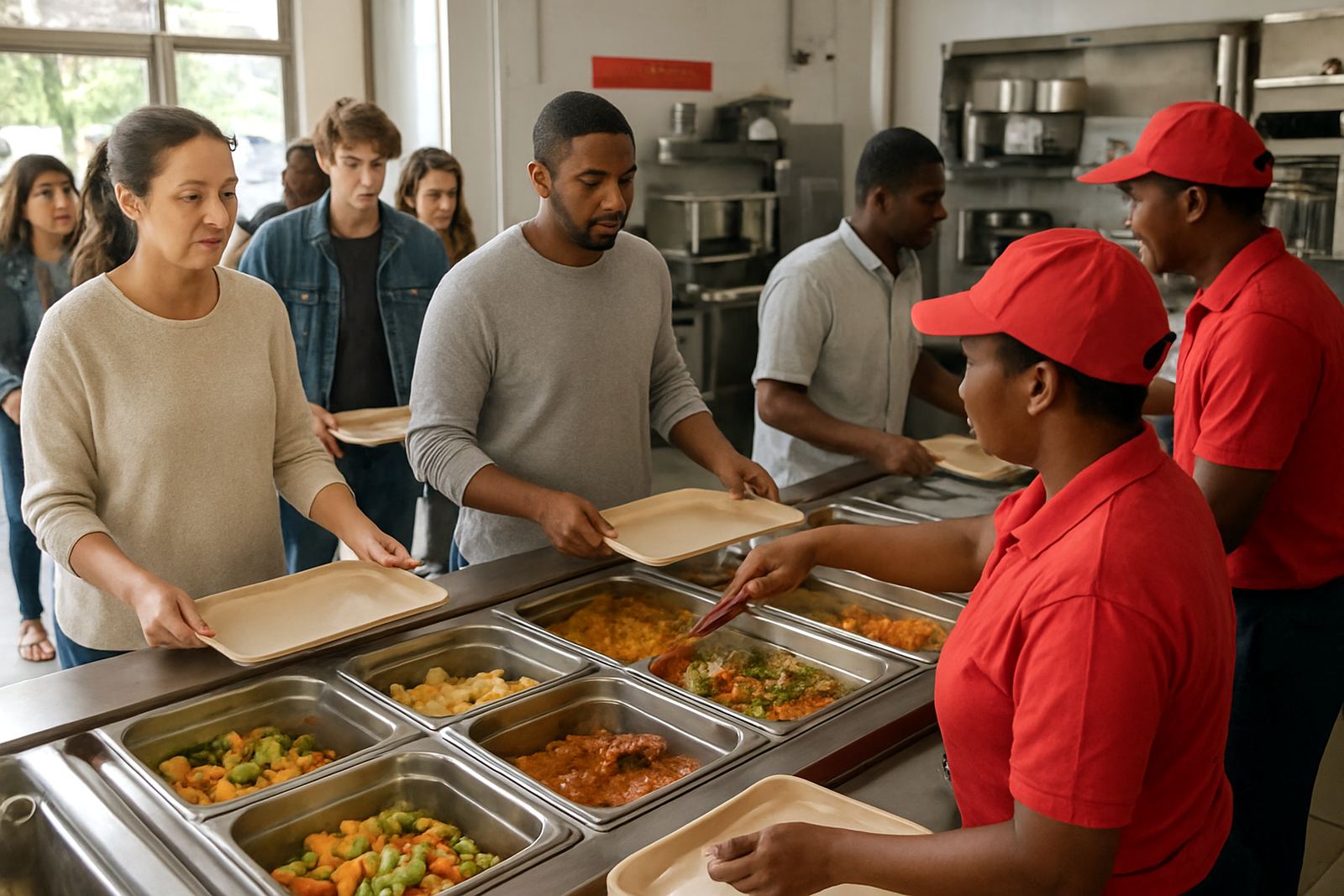
Look at walkways, floor mats and the space around the equipment. If a unit was moved for cleaning or repairs, make sure it is back in the right position and not blocking access. In Gauteng kitchens that handle school canteens, hotel breakfast lines or takeaway counters, quick layout checks also help with hygiene and municipal compliance. Keep waste bins lined, cleaning chemicals stored correctly, and hot equipment positioned so staff are not forced to stretch over a live surface. That one habit can prevent burns and spills.
- Confirm trays, utensils and prep items are in place.
- Check that walkways are clear and mats are secure.
- Store chemicals and waste correctly before opening.
Record Small Faults Before They Become Service Interruptions
The best morning routines include a simple log. It does not need to be complicated, just a note of what looked off, what was fixed, and what needs follow-up. A fryer that is slow to recover temperature, a toaster with a weak heating side, or a mixer that runs fine on low speed but stutters higher up should be written down the same day. If you wait until the end of the week, the detail is usually forgotten.
This is where preventive servicing matters. When an issue is recorded early, a service coordinator can plan a repair, arrange parts, or decide whether the unit needs workshop attention. That approach helps kitchens in Centurion, Randburg and Kempton Park keep operating while maintenance is scheduled around trading hours. It also helps managers answer the simple question: is this machine safe to keep using today, or should it be taken out of service now?
- Write down faults as soon as they are seen.
- Note the time, machine name and symptom.
- Separate items needing repair from items needing urgent removal.
Why a Morning Routine Protects Revenue in Busy Gauteng Kitchens
A kitchen that opens late or starts the day with faults does not just lose time, it loses confidence. Staff rush, service slips, and customers notice when breakfast takes too long or lunch prep starts behind schedule. A steady open-up routine gives the team a clear order, and that order keeps pressure down. It also supports easier training for new staff, because everyone can follow the same steps without guesswork.
For catering businesses in Pretoria and surrounding areas, the routine should match the equipment on site and the way the space is used. A small takeaway kitchen in Pretoria Central will need a different opening pattern to a larger hotel prep area in Midrand, but the principle is the same: check the basics, inspect the equipment, clean what matters, and record what needs attention. That discipline protects the day before service gets noisy.
Afchain Catering Equipment, based in Silverton and serving Pretoria and Gauteng since 2011, supports kitchens with quotes, site assessments, delivery and positioning, installation, preventive servicing, breakdown repairs, workshop refurbishment, used equipment sourcing, handover training and kitchen reconfiguration. If your morning routine keeps revealing the same fault, it may be time to have the equipment properly assessed and sorted before the next busy shift.