When a plate warmer earns its place in the kitchen
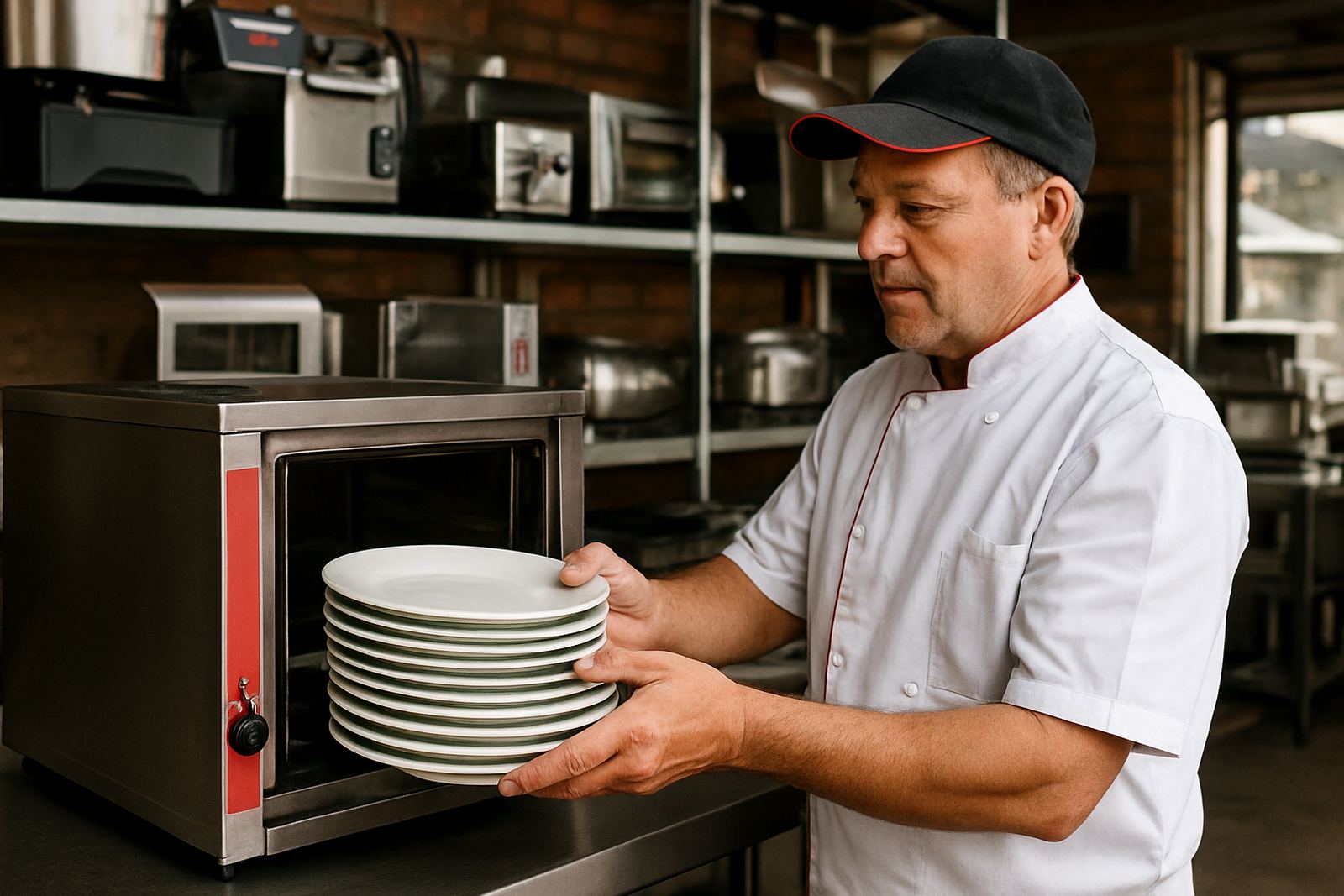
A plate warmer makes sense when plated food leaves the pass and still has to travel to the table, or when the kitchen serves in waves and the first covers must wait for the rest. That happens often in hotel dining rooms, function venues, golf clubs and business lunch spots where guests arrive in batches. Warm plates do not cook the food, but they help keep sauces glossy, fried items crisp and starches from cooling too quickly.
If you are serving grilled chicken with sauce, a breakfast buffet, or a set menu for 40 guests, plate temperature matters more than most people think. Cold plates pull heat out of the meal fast, especially in air conditioned spaces in Centurion, Randburg or Midrand. In winter that effect is worse, and in Pretoria mornings a tray can lose heat before the waiter reaches the table.
A plate warmer is also useful where presentation matters. A properly heated plate gives the kitchen a better window to finish the plate neatly, without racing against cooling food. That helps with consistency, and consistency is what customers notice even when they do not mention it.
What a plate warmer actually does in day to day service
Most operators think of a plate warmer as a simple hot box, but its job is more specific. It holds plates at a steady serving temperature so the first bite stays pleasant, and the food stays within the right service range for longer. It is not meant to replace cooking equipment, and it will not fix food that has sat under a heat lamp too long.
In practice, the unit supports the front line in three ways:
- It reduces temperature loss after plating, which is important for hot mains and saucy dishes.
- It keeps service moving because plates are ready when the kitchen is ready, no last minute reheating needed.
- It helps staff handle peak periods, especially where there is one serving window and several table turns.
In a busy Pretoria Central lunch spot, that small time saving can be the difference between smooth service and a pile up at the pass. Even one or two minutes per plate adds up when the room is full.
Signs your kitchen does not need one yet
Not every business benefits from a plate warmer. If food is served straight from the kitchen to the table within a very short distance, and covers are small, the gain may be limited. A takeaway shop in Boksburg or a fast food counter in Kempton Park may get better value from faster prep flow, better plate line layout, or extra hot holding for food rather than for plates.
You can usually do without a plate warmer if these points are true:
- Meals go out within 2 to 3 minutes of plating.
- Service is mostly takeaway or self service.
- Most dishes are cold, like salads, wraps or bakery items.
- Your busiest issue is cooking capacity, not food cooling.
There is no point buying equipment that sits full of plates while the kitchen still struggles with order times. It is better to spend on what fixes the actual bottleneck. Sometimes that means a better fryer, another microwave for reheats, or a more practical serving line. A plate warmer is helpful, but only when the service style needs it.
Best uses in Pretoria venues, canteens and catered functions
In Pretoria and the surrounding Gauteng areas, plate warmers tend to work best where service is formal enough for plated meals but busy enough that timing matters. Think of conference centres in Centurion, private schools with staff dining rooms, guest houses serving breakfast and lunch, or event caterers handling wedding meals where the kitchen is set up in a hall or marquee.
For these operators the plate warmer supports a smoother handover between kitchen and service staff. It is especially useful when the menu includes items that cool quickly, such as roast chicken, fish, mash, sauced vegetables or breakfast plates with eggs. On colder days, or when load-shedding disrupts the room temperature and cooking rhythm, a warmed plate gives a bit of protection against service delays.
Local weather matters too. In humid summer conditions around Midrand and the East Rand, equipment needs to cope with moisture, cleaning and frequent use. A unit that is easy to wipe down and simple to service is usually worth more than a fancy setup that is hard to maintain.
Where a different holding solution may be better value
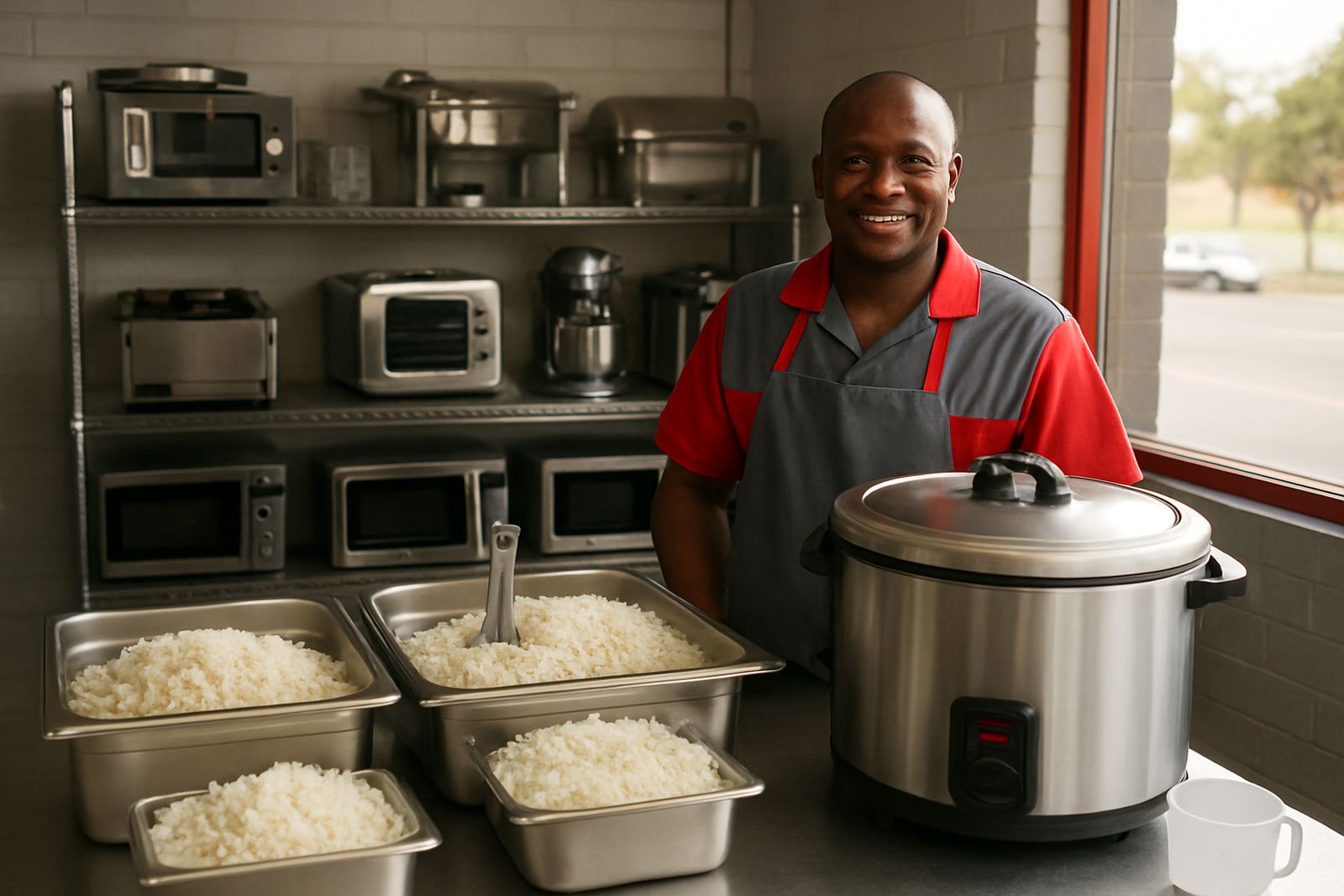
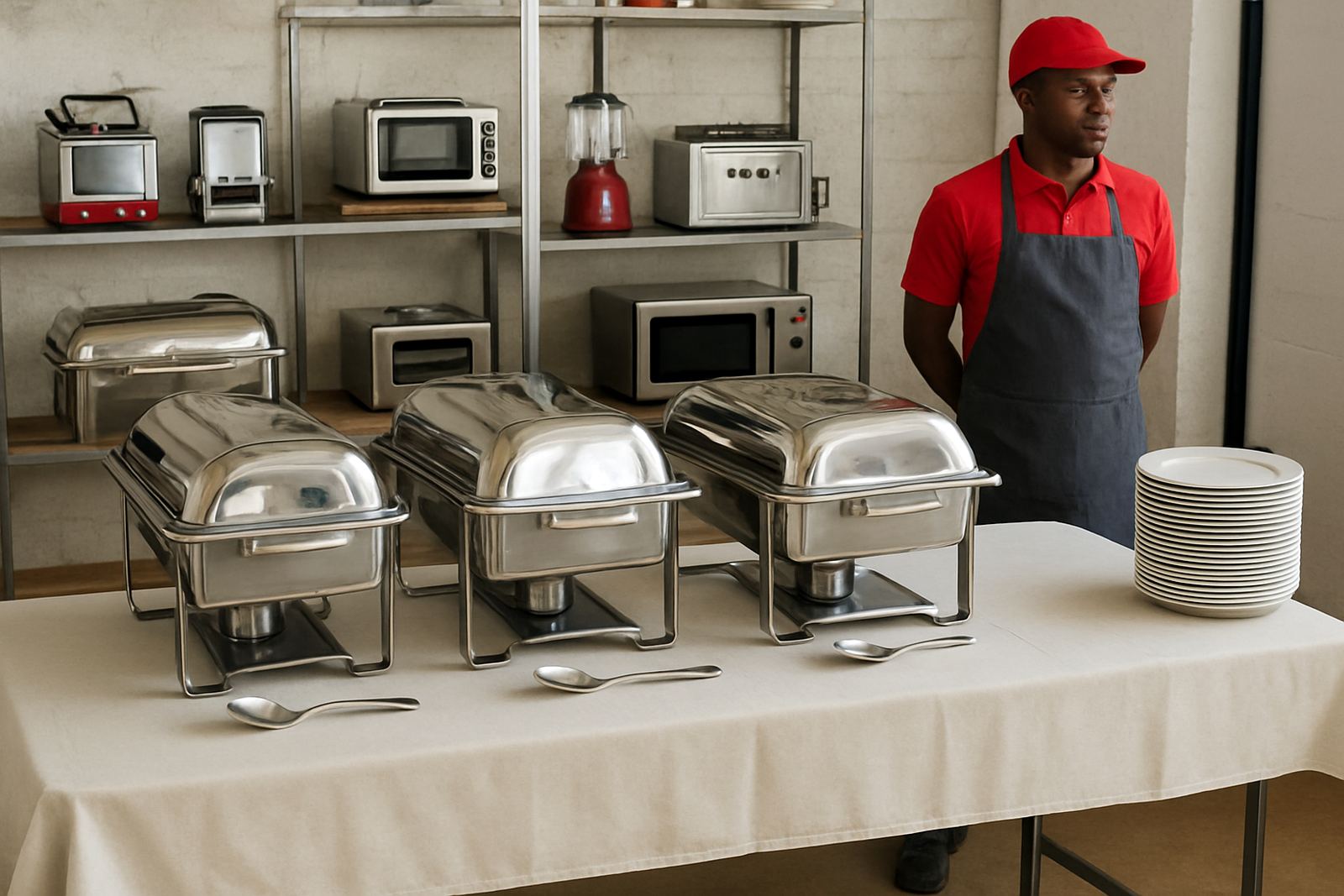
Some kitchens want the benefit of hot service, but a plate warmer is not the best way to get it. If you are feeding a staff canteen, school or factory floor, food may be served from bain maries, hot wells or insulated carriers rather than plated individually. In that case the plate temperature is less important than the food temperature, and a dedicated hot holding system can do the job more cheaply.
For bakeries, supermarkets and snack counters, the focus is often on display and turnover. A toaster, warmer, microwave or chafing dish might solve the service problem better than a plate warmer. The same applies where the kitchen reconfigures for events, because portable holding gear can be moved around much easier than fixed equipment.
When comparing options, ask what you are actually trying to protect: the plate, the food, or the service speed. That answer tells you which unit to buy. If the menu changes often, used equipment can also be practical, provided it is checked properly and serviced before installation.
Buying and using one without wasting money
A plate warmer should match the volume, plate size and serving pattern of the kitchen. A small coffee shop in Randburg does not need the same unit as a banquet venue in Pretoria Central. Check how many plates you use at peak time, what diameter they are, and whether the unit can keep up when there is a lunch rush. If it cannot hold enough plates, staff end up opening the door too often and the temperature drops.
Also think about installation and maintenance. Units need a sensible power supply, a safe position near the pass, and enough space for cleaning. In kitchens that face load-shedding, it helps to know what still functions on backup power and what does not. For businesses near the coast or in older buildings, moisture and poor ventilation can shorten equipment life, so preventive servicing matters.
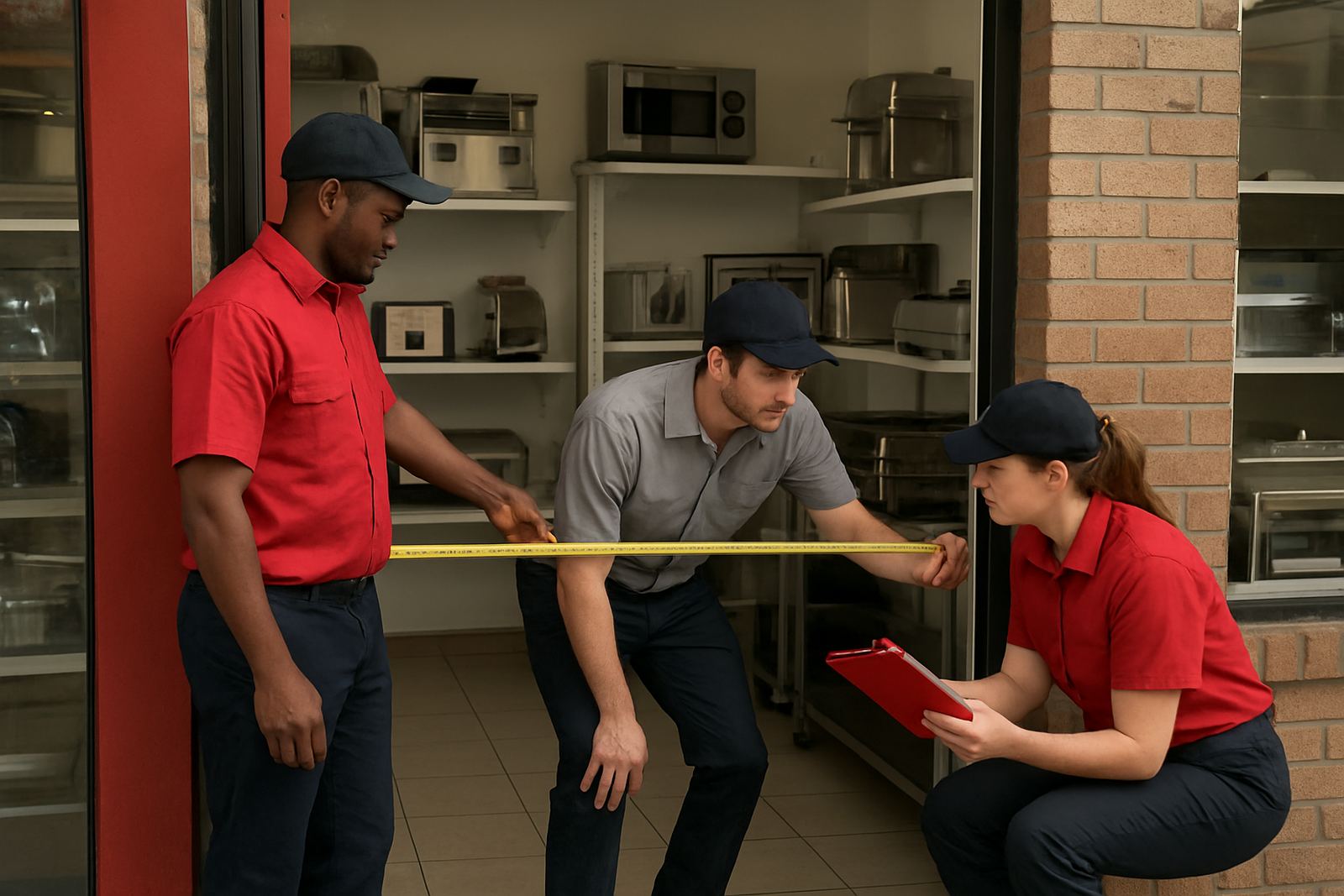
A practical buying approach usually includes a site assessment, a quote based on actual use, and handover training for the team. That saves money later because staff know when to use the unit and when to leave it off. A plate warmer is a useful tool, but only when the service pattern calls for it and the kitchen is ready to use it properly.