What hot holding is meant to do
Hot holding means keeping cooked food hot enough to serve safely without drying it out or overcooking it. In a busy Pretoria or Centurion kitchen, that can be the difference between a calm service and a rush that leaves customers waiting while pans are fired up again.
The main job of hot holding is to bridge the gap between cooking and serving. It works well for soups, sauces, stews, rice, cooked vegetables, pre-cooked meats and plated items that must stay warm for a short period. It works less well when the food is still raw, undercooked or needs last minute finishing.
If a kitchen tries to use holding equipment as a cooking tool, quality drops fast. Food can sit too long, lose moisture and become unsafe if the holding temperature is not managed properly.
The temperatures and timing that matter
Hot holding is about control, not guesswork. Food should be kept hot enough to stay out of the danger zone, and staff should check temperatures with a clean probe thermometer. In practice, many kitchens aim to keep hot food at 63 degrees C or above, but the real point is to maintain a stable serving temperature and avoid long periods where food sits lukewarm.
- Preheat the holding unit before loading food.
- Use shallow pans where possible so heat moves through the food more evenly.
- Stir soups, sauces and stews regularly.
- Record holding times, especially during lunch rushes and functions.
- Replace small amounts often rather than topping up a full pan that has been sitting too long.
Timing is just as important as temperature. Even when the unit is working correctly, quality fades after a while. Rice can dry out, gravy can skin over and fried items can lose their finish. A food can be technically hot and still not be good to serve.
Where hot holding helps most in local service
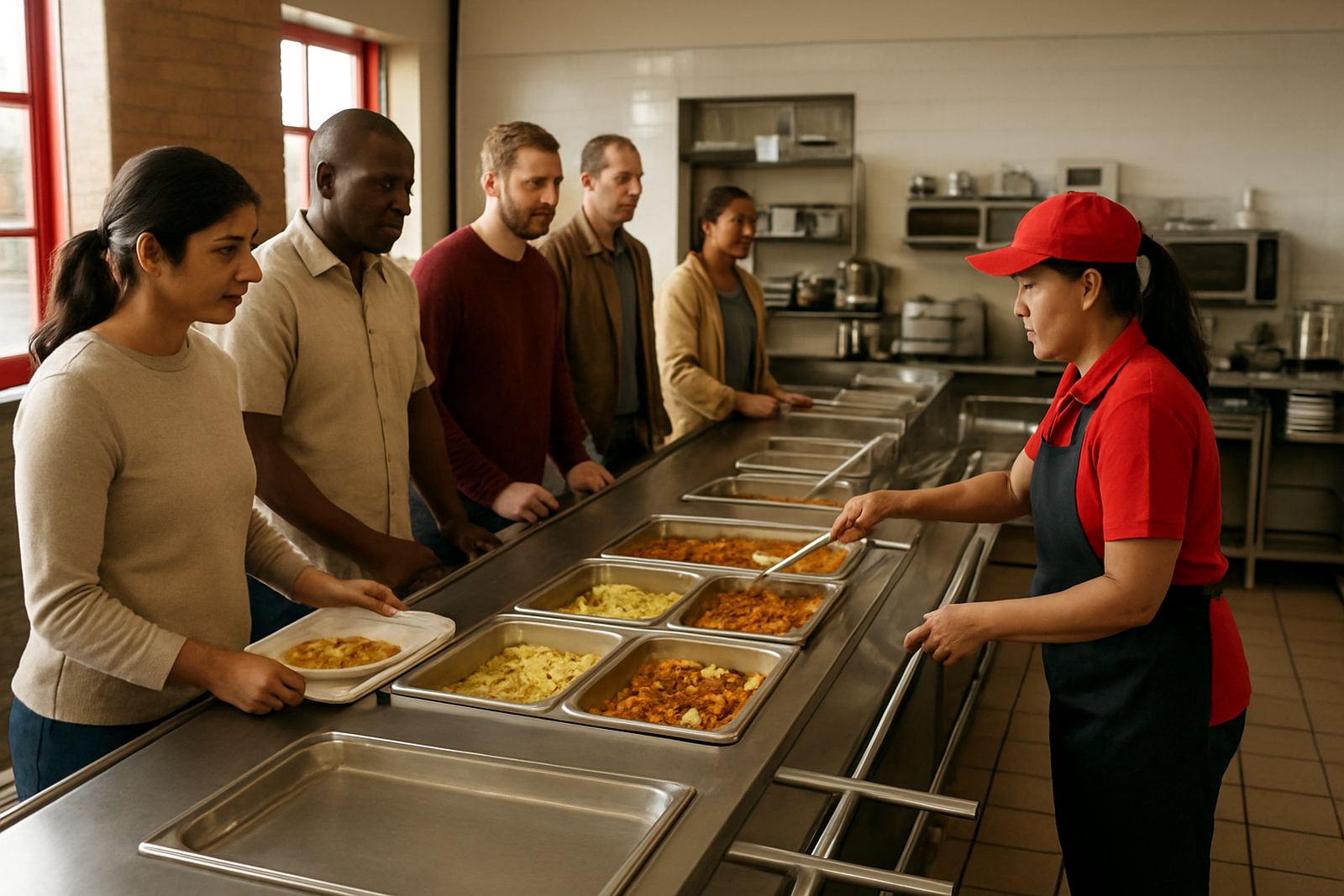
In Gauteng, many kitchens run on mixed demand. One hour is quiet, then a school order, staff canteen rush or small function lands at once. Hot holding gives the team breathing room so the cooks can manage batches properly instead of trying to cook everything at once.
For caterers working from Silverton, Pretoria Central or Midrand, hot holding is also useful during delivery service. Food can be finished in the kitchen, kept ready, then sent out when the client is ready for service. That matters on days when traffic, load-shedding or a delayed event programme throws off the timing a bit.
It is also practical for kitchen reconfiguration. When the prep area is small, holding equipment can reduce pressure on the cook line, provided the set-up still allows for safe access, cleaning and movement. A cramped corner with cables, trays and hot pans is not good enough.
When hot holding should not replace cooking
Hot holding should never be used to rescue poor planning. If the food has not been fully cooked, it must be cooked properly first. If it was cooled for storage, it must be reheated correctly before holding. If the menu item depends on crisp texture or last minute browning, it should be finished just before serving.
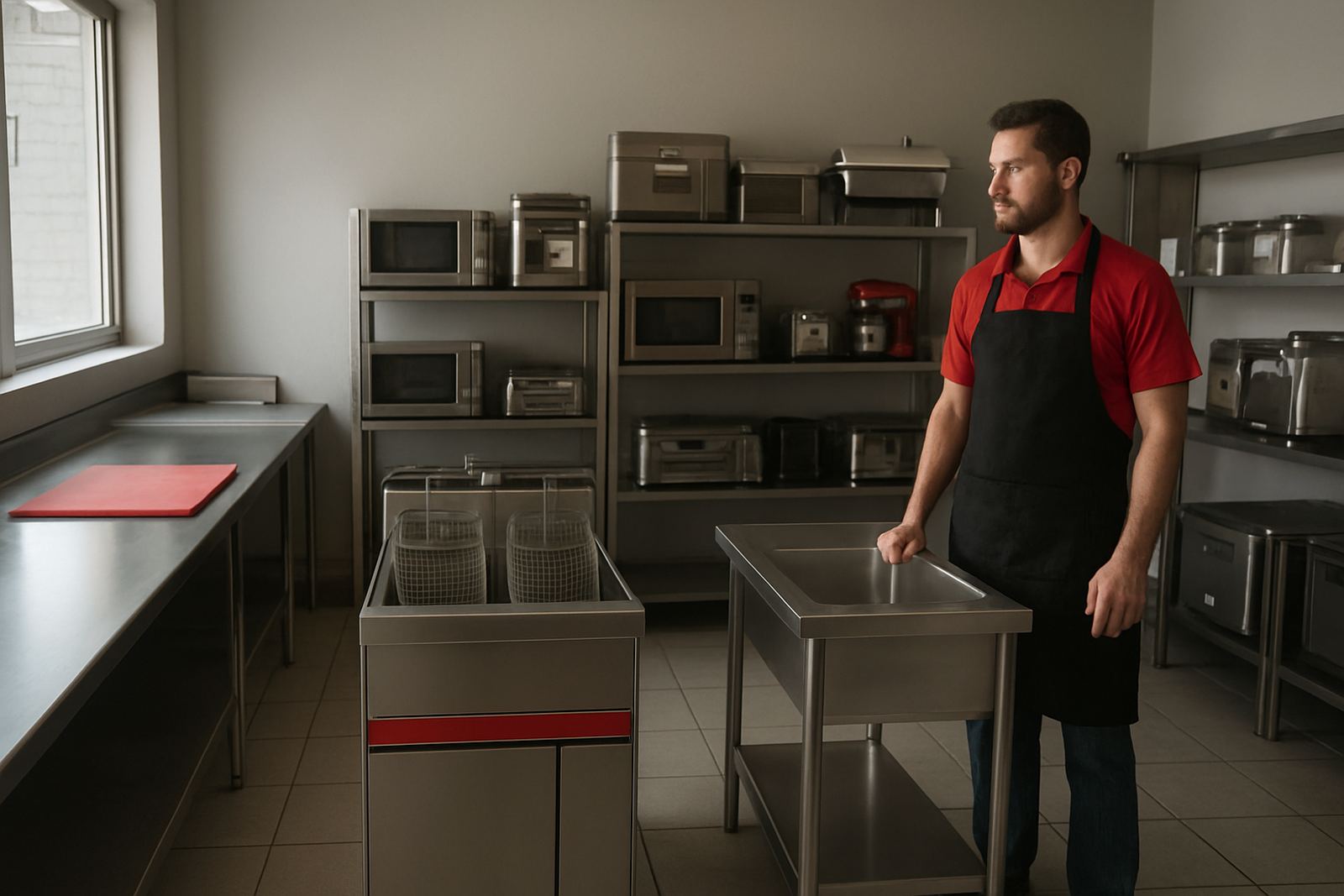
This is where many kitchens get into trouble. A fryer is still needed for fresh chips, a toaster is still needed for toasting bread to order, and a microwave is for quick reheating or controlled warming of the right items, not for trying to do the whole service. The same goes for mixers and other prep equipment. Each machine has a job and hot holding is only one part of the process.
- Do not hold raw or partially cooked food.
- Do not use holding to cover up delays from poor prep.
- Do not pile food too deep in the pan, because the middle stays cooler.
- Do not mix fresh batches into very old product without checking the whole pan.
If the menu needs crunch, colour or a just cooked finish, serve it from the cooker, not from the holding unit. That is the line many kitchens cross when they are under pressure.
Equipment choice and maintenance in Gauteng kitchens
Good hot holding starts with equipment that suits the volume of food and the way the kitchen works. A small coffee shop in Randburg has different needs from a canteen in Kempton Park or a function venue in Boksburg. Capacity, insulation, thermostat control and ease of cleaning all matter.
Units that are easy to wipe down and service tend to last better in busy kitchens. In humid areas or kitchens with lots of steam, corrosion and sticky residue become a problem quickly, so regular servicing matters. Heating elements, switches, thermostats and door seals should be checked before a busy season, not after a breakdown.
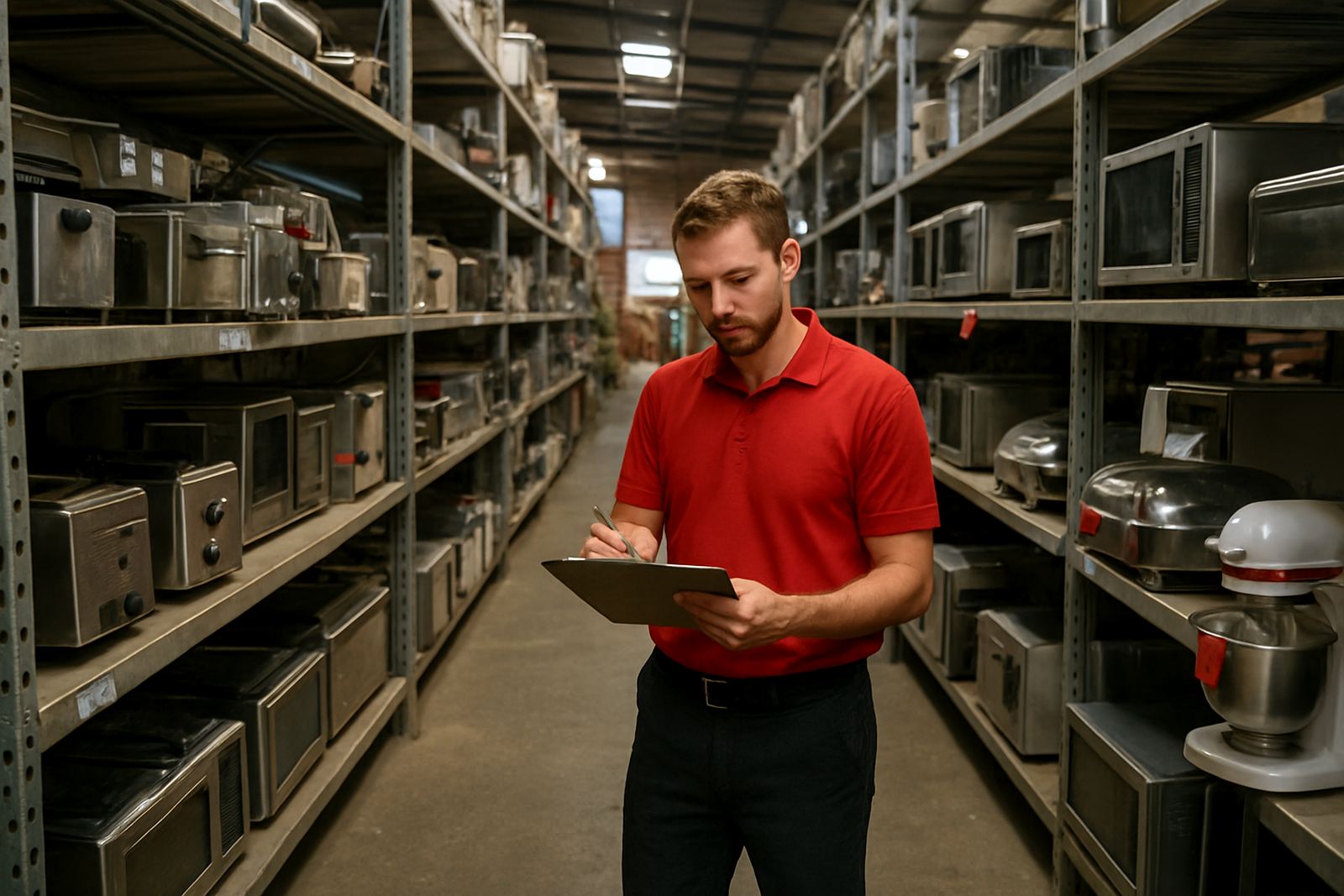
For operators buying used equipment, it is worth checking whether the unit still holds temperature evenly, whether trays fit properly and whether the power draw suits the site. A cheap cabinet that runs poorly can cost more in wasted food and call-outs. That is why quotes, site assessments and preventive servicing are worth doing before the unit is installed.
A Pretoria example: keeping service steady without wasting food
Think of a Pretoria Central caterer doing a Friday lunch order for an office building and a small church function the same afternoon. The team cooks the main dishes in batches, keeps the first batch in hot holding, and sends out trays as the client confirms service times. The cooks are not standing over one pot the whole time, and the food stays ready for the handover.
That works because the kitchen planned the workflow. The holding cabinet is preheated, the pans are shallow enough, and one person is watching time and temperature. The kitchen also knows what must be cooked fresh. Chips go out at the last minute, bread is toasted close to service, and sauces are topped up rather than left sitting for hours.
Used this way, hot holding protects both quality and staff time. Used badly, it turns good food into tired food, which is not worth serving at all.
A simple checklist before you switch it on
Before service starts, get the basics right. A short check saves a lot of trouble later and makes the equipment easier to trust during a rush.
- Confirm the unit is clean and dry.
- Check plugs, cables and sockets for wear.
- Preheat before loading food.
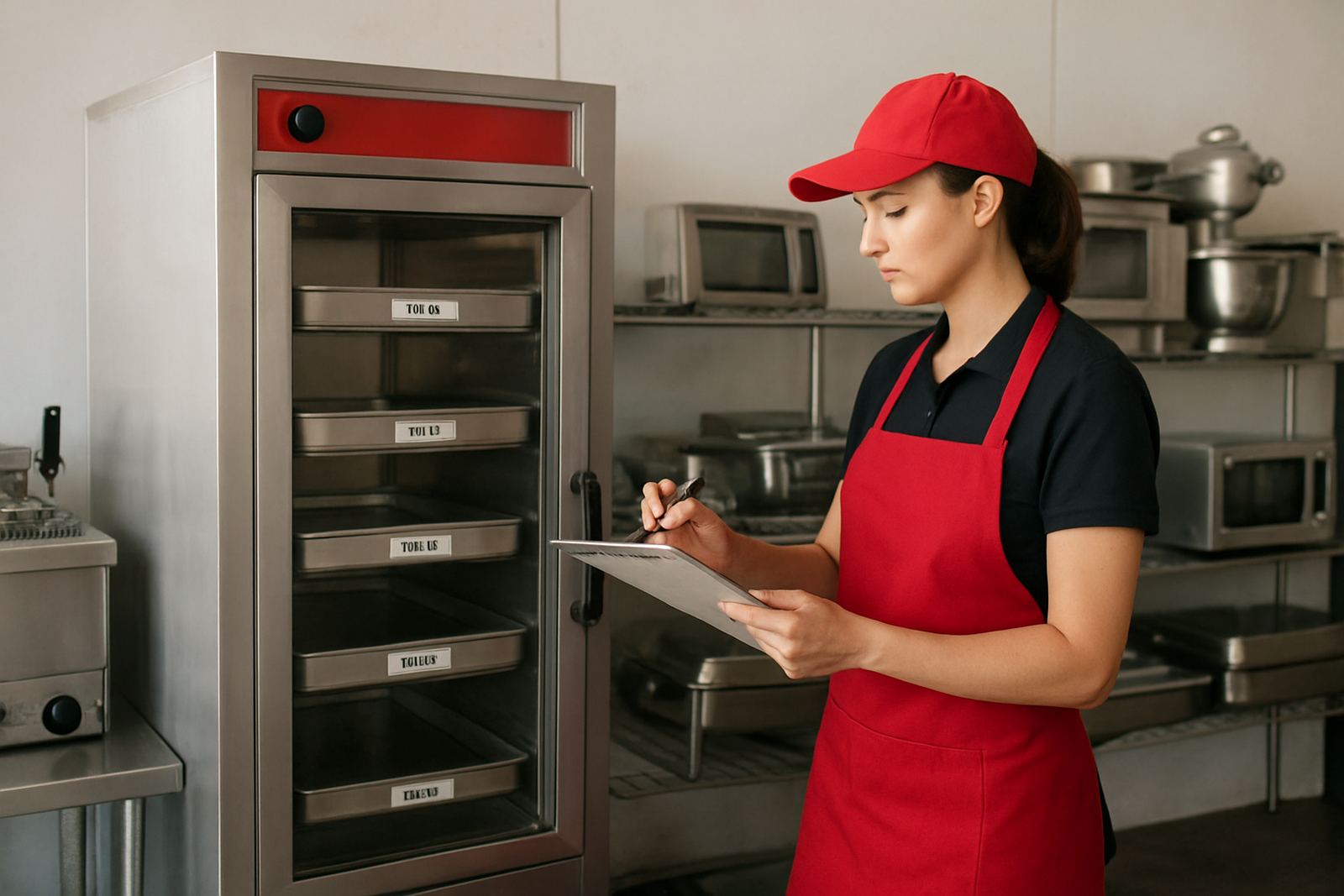
- Label pans with time loaded.
- Keep lids on where possible to reduce heat loss.
- Assign one person to monitor temperature and rotation.
When kitchens in Centurion, Midrand or Pretoria run load-shedding backup, planning becomes even more important. If power is unstable, hot holding time must be shorter and the menu must be simpler. A unit that sits half-warm is not doing its job, and that is when food safety slips.