Start with the fifteen minute window that hurts most
For many caterers in Pretoria and Gauteng, the pressure point is not the full lunch rush, but the short burst when guests all arrive together after speeches, gate opening, or a conference break. If you can serve cleanly in that quarter hour, the rest of the service is easier. If you cannot, the queue grows fast and staff begin improvising.
Work backwards from the number of portions that must leave the pass in 15 minutes. A small canteen might need 30 meals. A function venue in Centurion or Midrand might need 90. That number decides fryer basket size, toaster slots, holding space, and how many hands must be on the line at once. Do not size for the quiet hour after the meal, size for the worst 15 minutes of the day.
- Count the peak plates, not the total day total
- Note the exact time the rush starts, not just the meal time
- Check whether service is plated, buffet or collection line
- Include prep delays from gas changes, load shedding, and waiting for hot water
Match each machine to a job, not to the catalogue picture
A fryer, toaster, mixer or microwave is only useful when it fits the way your kitchen actually works. A high volume breakfast spot in Pretoria Central may need a faster toaster setup and a mixer that can handle bulk batter. A student residence or school kitchen in Randburg may need microwaves and holding gear more than a large fryer. The point is to avoid buying oversize equipment that sits idle, or undersize kit that falls behind at peak.
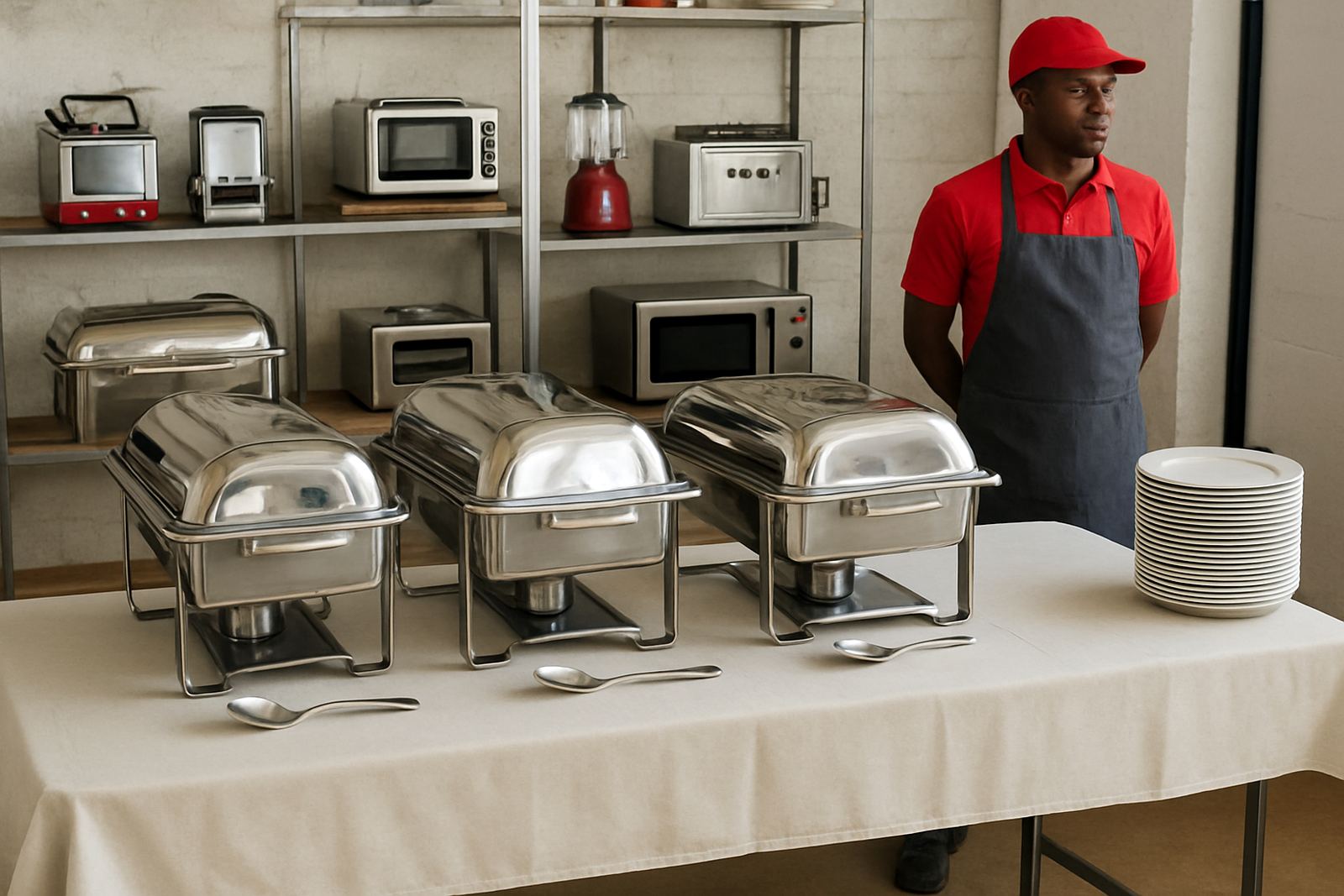
Chafing dishes are another common mistake. People often buy too few, or choose pans that look neat but do not hold enough food for the service pattern. If your chicken curry runs out while the rice is still full, your line is unbalanced. The same goes for fryers that cannot recover temperature after a heavy drop, especially when the power flicks off and on or the kitchen is busy with back to back orders.
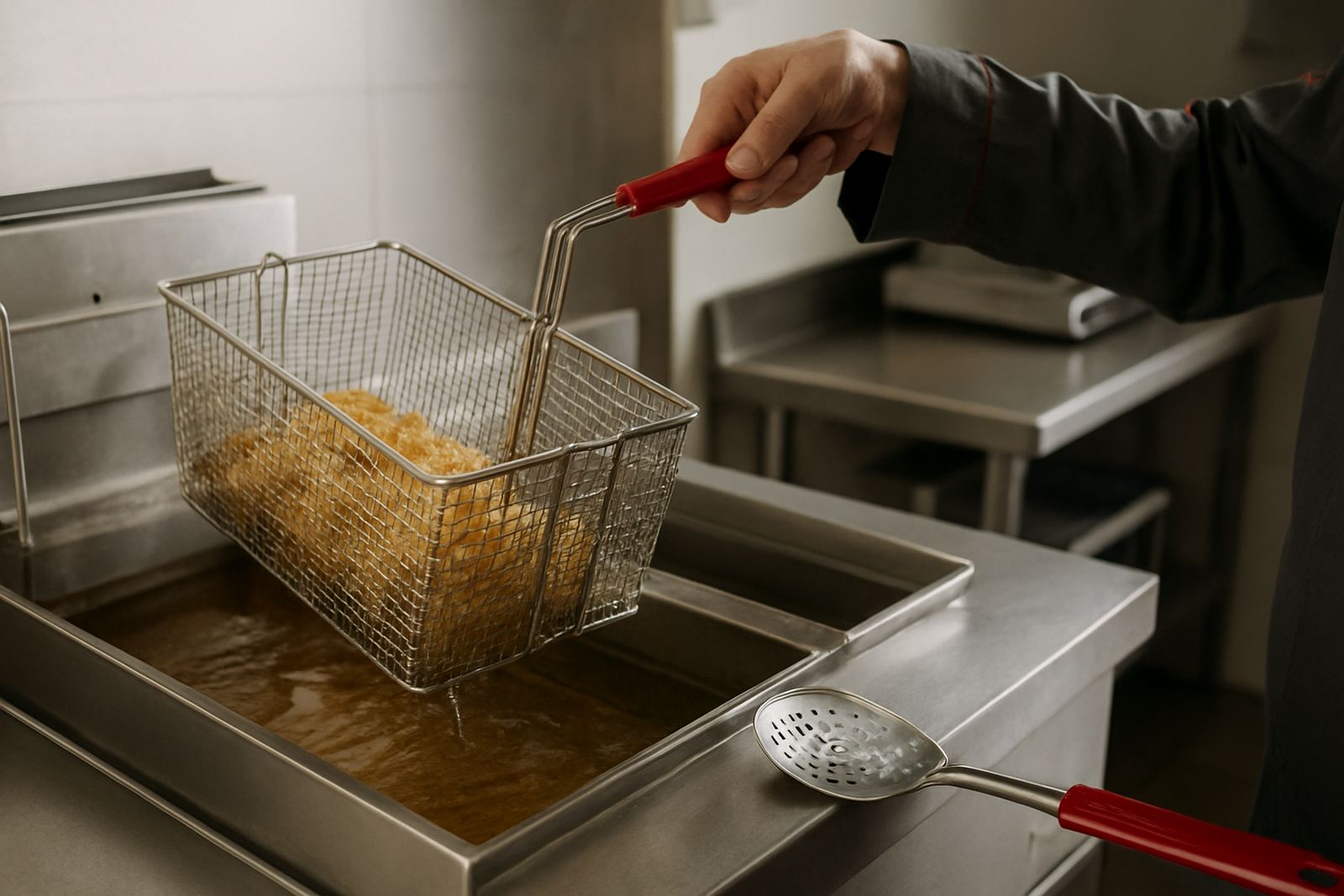
- Choose fryer capacity by recovery time, not only litres
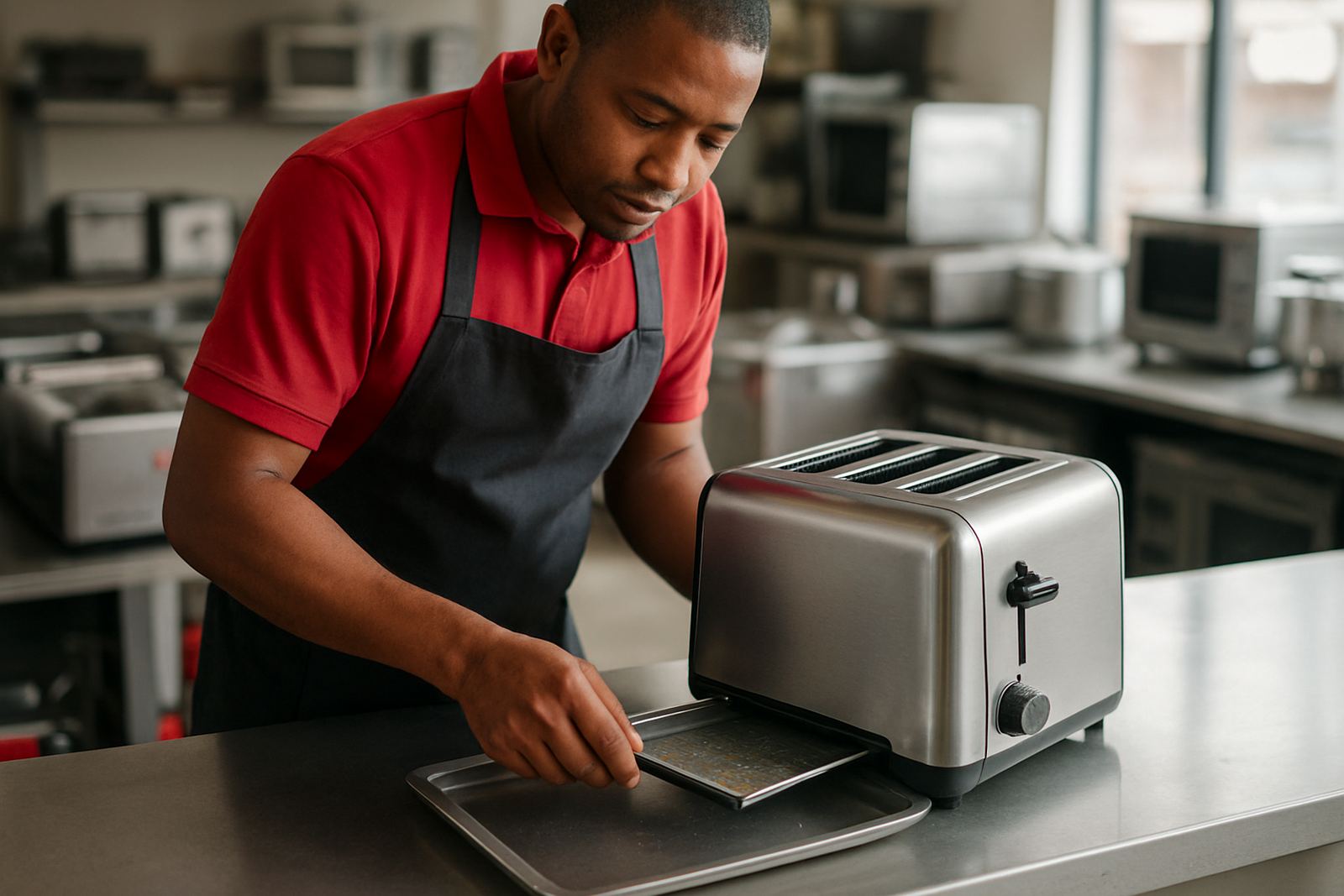
- Check toaster throughput per cycle and warm up time
- Match mixer bowl size to batch size, so staff are not doing 3 small mixes instead of one proper one
- Use microwaves for controlled reheating, not as a replacement for poor prep planning
Build a service line that keeps moving in real life
A good kitchen layout reduces steps. In Silverton and the eastern parts of Pretoria, many kitchens work from older buildings, so the space is not always ideal. That does not mean the line must be slow. It means the equipment must be positioned so the cook, the server and the runner are not crossing each other every few seconds.
Delivery and positioning matter more than many buyers expect. If the fryer is placed too far from the prep bench, the cook wastes movement. If the microwave is tucked behind a door, staff avoid using it. Kitchen reconfiguration can often give better results than simply adding another machine. Even a small change in equipment order can save minutes at peak, and those minutes matter.
- Keep raw prep, cooking and plating in a clear flow
- Leave enough space for hot pans and safe turning room
- Place the most used equipment closest to the pass
- Keep cleaning access open so maintenance does not become a half day job
Plan for power cuts, heat and coastal-style humidity without panic
Gauteng kitchens have their own problems. Load shedding can knock out an entire lunch plan if there is no backup routine. Even where power is stable, summer heat in Pretoria and surrounding areas can push equipment harder, while humidity from transport or storage can affect unused stock and older parts. A busy kitchen needs a simple fallback plan, not guesses.
If the power drops, staff must know what gets shut down first, what stays hot, and which items can be finished by hand. Preventive servicing helps reduce nuisance failures, and breakdown repairs should be planned before the machine stops during service. Keep a record of hot spots, weak switches, uneven heat and slow recovery. These small faults usually show up first at the busiest time.
- Write a load shedding routine for each station
- Test whether the holding plan works with half the normal power
- Service fryers and heating units before winter events and year end functions
- Store used equipment and spares dry, clean and off the floor
Used equipment can work well, if the timing is right
Used equipment is a practical option when the budget is tight or the site is temporary, but it should still be assessed properly. A second hand fryer or mixer can save money, yet it must be checked for heating consistency, motor condition, seals, switches and general wear. If the unit needs constant attention, the saving disappears quickly.
For caterers opening a new branch in Boksburg or upgrading a canteen in Kempton Park, used equipment can fill a gap while new items are ordered. The key is honest sourcing, a proper workshop check, and clear advice on what will cost more later. A cheap purchase that fails in the middle of service is expensive, even if the invoice looked good.
- Ask for a proper test before buying used equipment
- Check whether spares are still easy to source
- Confirm if the unit will suit your peak service, not just your budget
- Allow for refurbishment where needed, especially on high wear parts
A Pretoria example: lunch service at a busy training centre
Take a training centre in Pretoria Central serving 70 lunches between 12:10 and 12:25. The kitchen does not need the biggest fryer on the market. It needs the right mix of fryer recovery, toaster output, holding space and staff position. If the chips lag by five minutes and the sandwiches lag by five more, the line backs up even when the food is ready.
In a case like this, the practical answer is often a short site assessment, followed by quotes for equipment changes, positioning, and maybe one or two workshop repairs before buying anything new. A service coordinator can identify which item is slowing the line, a sales manager can compare options, and a technician can confirm whether installation will fit the kitchen shape. That is how you protect peak time instead of guessing at it.
- Measure the busiest fifteen minutes and the actual output per station
- Decide what must be hot, what can be held, and what can be finished on demand
- Train staff on the exact handover order for the rush period
- Keep servicing scheduled, because peak time exposes every small fault