Start with the menu and the service rhythm
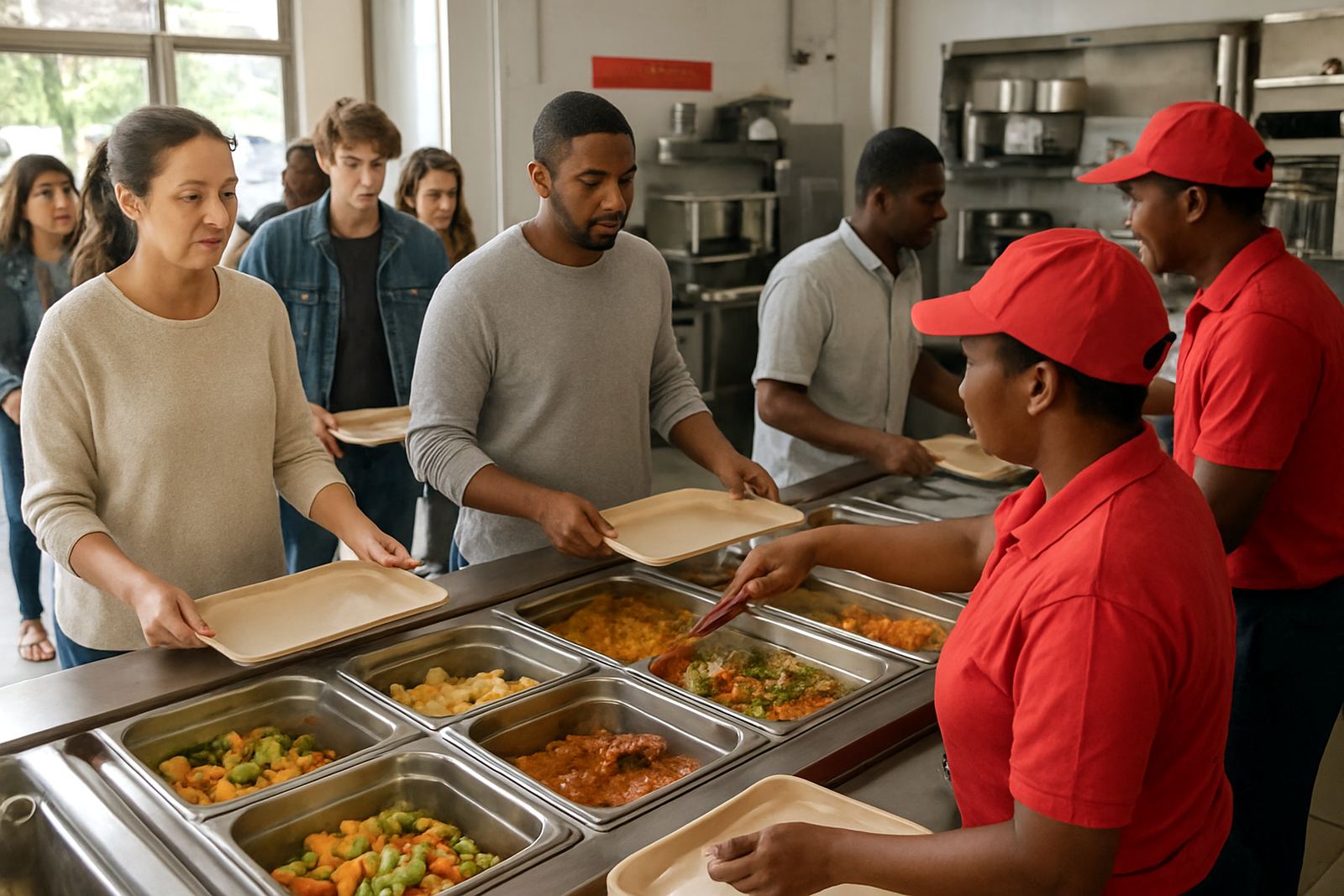
Before anyone switches on a fryer or preheats a toaster, map the actual service flow. A line that works for breakfast in Centurion may struggle at lunch in Pretoria Central if the queue builds faster than the team can plate. The handover should follow the menu, the portion sizes, and the expected covers per hour, not only the equipment list.
Walk the team through what must be ready first, what can wait, and which items should never be left until the last minute. If the line will serve 120 meals in a school or 300 meals in a busy takeaway, the order of use matters more than the nameplate on the machine.
- Confirm the menu items that depend on each unit.
- Set the prep order for opening, peak trade, and close down.
- Show staff which items are shared across sections.
- Agree who takes charge when the manager is off site.
Check power, water and ventilation before the first trade
Many new kitchens lose time because the building side was not checked properly. A fryer that needs a dedicated supply, or a microwave bank running on the same circuit as a mixer, can trip the whole line. In Gauteng, load-shedding adds another layer, so backup power and safe restart steps need to be part of the handover from day one.
Ask the team to test every connection with the line at working load. That includes plugs, isolators, water points, drainage, extraction, and clear space around hot equipment. If the site is in Randburg or Boksburg where older premises are common, it is worth checking whether the electrical board can carry the real demand and not just the planned demand on paper.
- Test each unit on its own circuit where needed.
- Check extractor fans and grease filters before trading.
- Confirm water pressure for steam and cleaning tasks.
- Show staff the safe restart sequence after a power cut.
A short pause now can prevent a costly breakdown on the first Friday night.
Teach the cleaning routine one station at a time
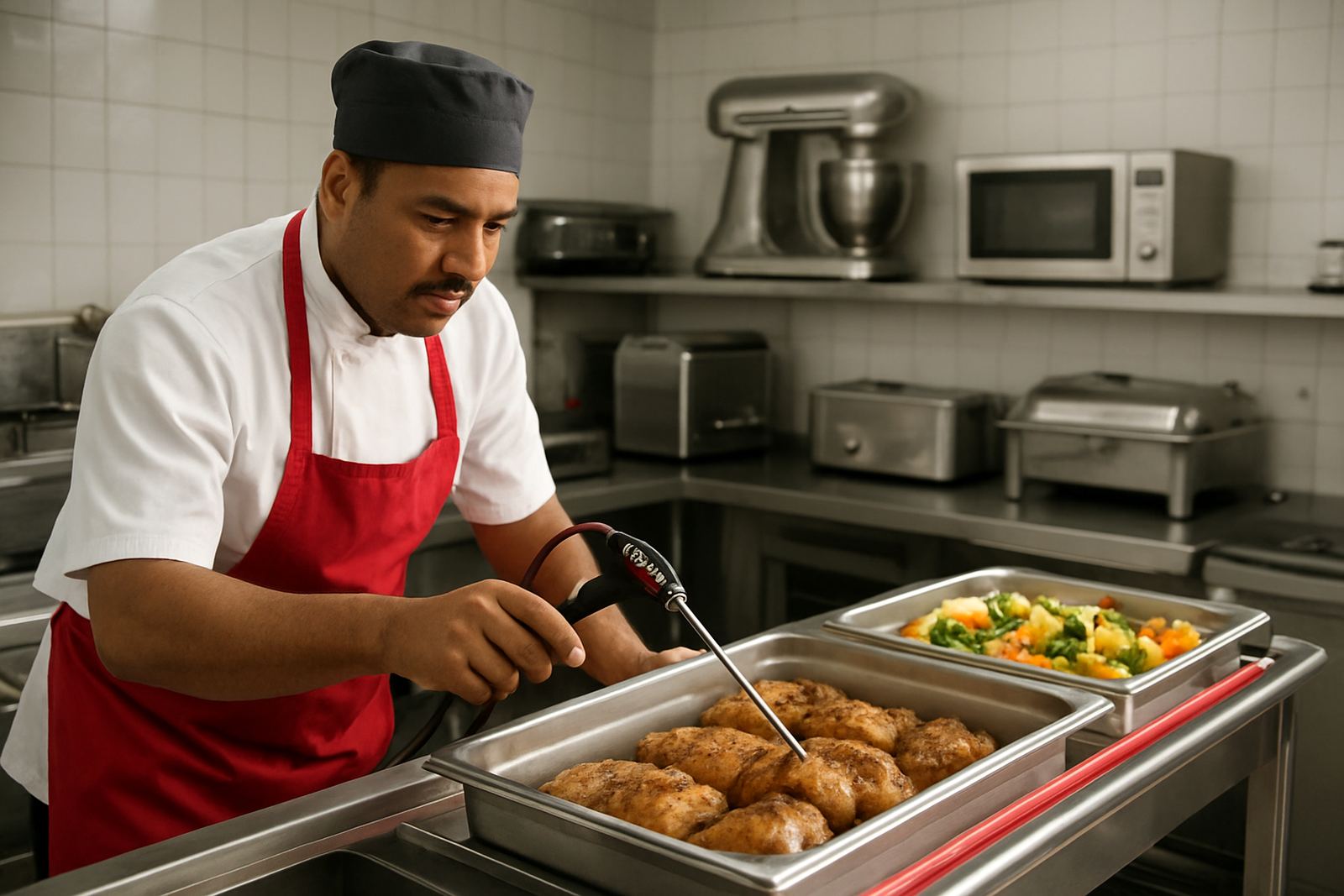
A new kitchen line often looks fine on the first day, then goes downhill because cleaning was never properly explained. Grease build-up, crumbs in toaster trays, and residue in chafing dishes are not just untidy, they shorten service life and create hygiene trouble. The handover should cover what gets cleaned after each shift, what gets cleaned weekly, and what must stay dry.
For staff, a simple routine is easier to follow than a thick file of instructions. Show them the correct cloths, brushes, detergents, and safe temperatures. If a unit has removable parts, make sure those parts are labelled and stored where they will not go missing. Coastal humidity is not the main issue in Pretoria, but kitchens still face steam, heat and constant wiping so metal parts need proper care.
- Daily wipe-down points for hot and cold equipment.
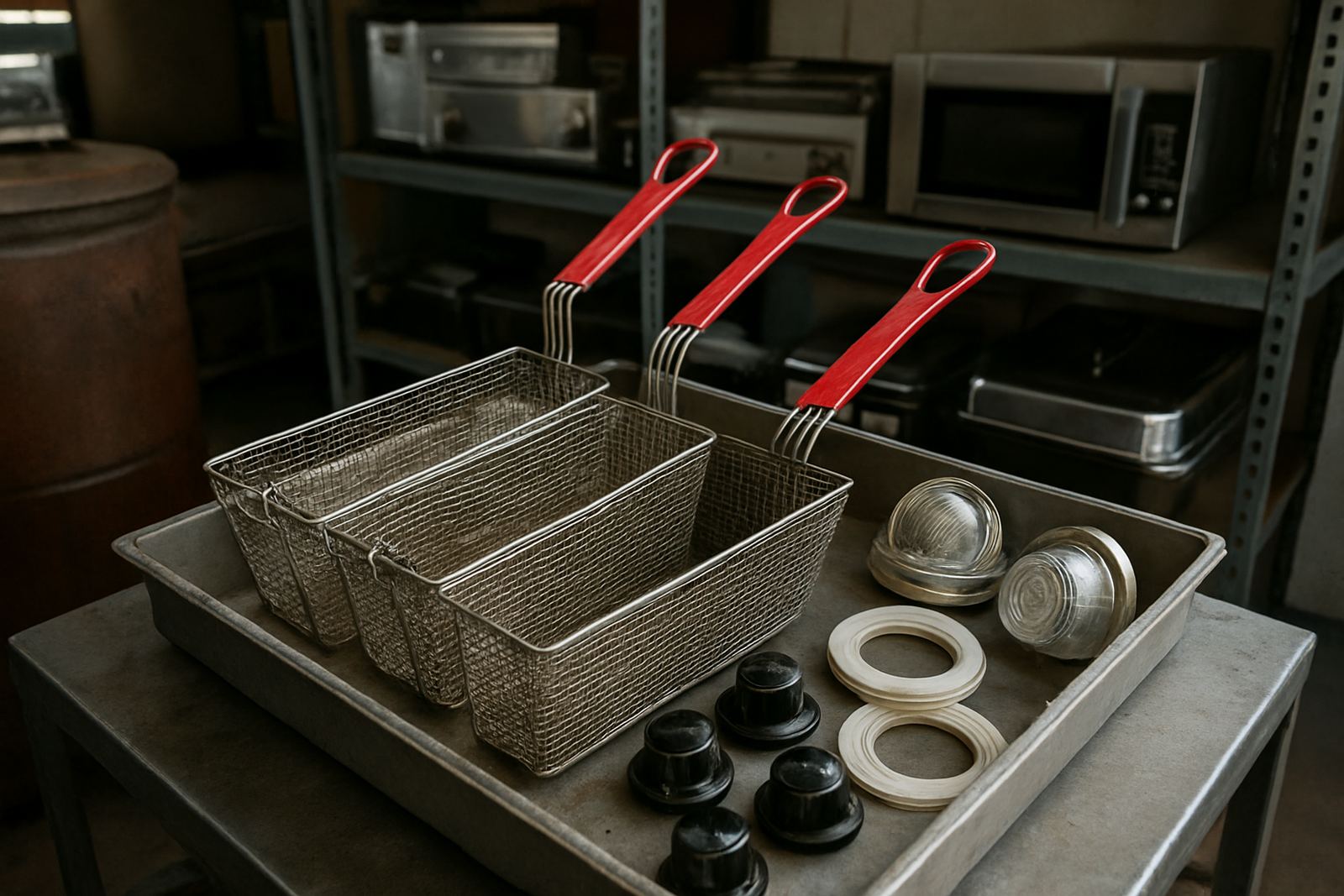
- Weekly checks for seals, trays, baskets and drains.
- Where to store chemicals away from food areas.
- How to report wear before it becomes a fault.
Assign roles so the line does not stall
The fastest way to lose control during service is to assume everyone knows who does what. A proper handover names the people responsible for cooking, loading, cleaning, call-outs and end-of-day switch-off. In a busy site in Midrand, one missing step can leave a fryer idle or a mixer blocked while staff wait for someone else to move.
At Afchain Catering Equipment, we often advise managers to run the first handover like a live shift, not a boardroom talk. Let each person touch the equipment, ask questions and repeat the steps back. That is where small problems surface, such as a staff member who can run the toaster but does not know where the spare tray is kept.
- Appoint a primary operator and a backup for each unit.
- Nominate one person to log faults and service calls.
- Show the closing team how to isolate power and gas where relevant.
- Keep the service contact, quote file and warranty records in one place.
Use the first week as a controlled test run
The first trading week is not only about turnover, it is about learning. Ask the team to note hot spots, bottlenecks, slow recovery times and any strange noise or smell from the equipment. A line that is perfect at 9 am may overheat by 1 pm when the rush starts and the room gets hot.
For a restaurant in Silverton or a new takeaway in Kempton Park, it helps to keep the first week slightly lighter than full capacity. That gives the team space to correct the position of units, adjust prep quantities and refine serving order. If anything keeps tripping, leaking or running too hot, call for a check before the fault grows into a stoppage.
Small notes from the first week often save the most money. A mixer bowl that is awkward to lift, or a chafing dish that loses heat too quickly, should be reported while the job card is still fresh.
Keep servicing and support part of the handover
A handover is not complete if nobody knows who to call when something fails. The team should leave the training with the service contact, the breakdown process, and the expected response times for urgent repairs. If the kitchen uses used equipment, this matters even more because the condition history and refurbishment details should be clear from the start.
We often see kitchens where staff can cook, but nobody knows who scheduled preventive servicing or when the workshop last checked the unit. That gap leads to avoidable downtime. A simple service calendar, kept near the prep list, helps the team plan around busy periods and municipal trading hours without guesswork.
- Keep servicing dates visible to the shift lead.
- Log every fault, even if the unit starts working again.
- Record spare parts used during the first month.
- Review the handover after 7 days and again after 30 days.
For a new line to trade well, the kitchen team must know the gear, the flow and the call-out path. That is the difference between a smooth opening and a week of avoidable disruption.