Start With the Last Order, Not the Door Lock
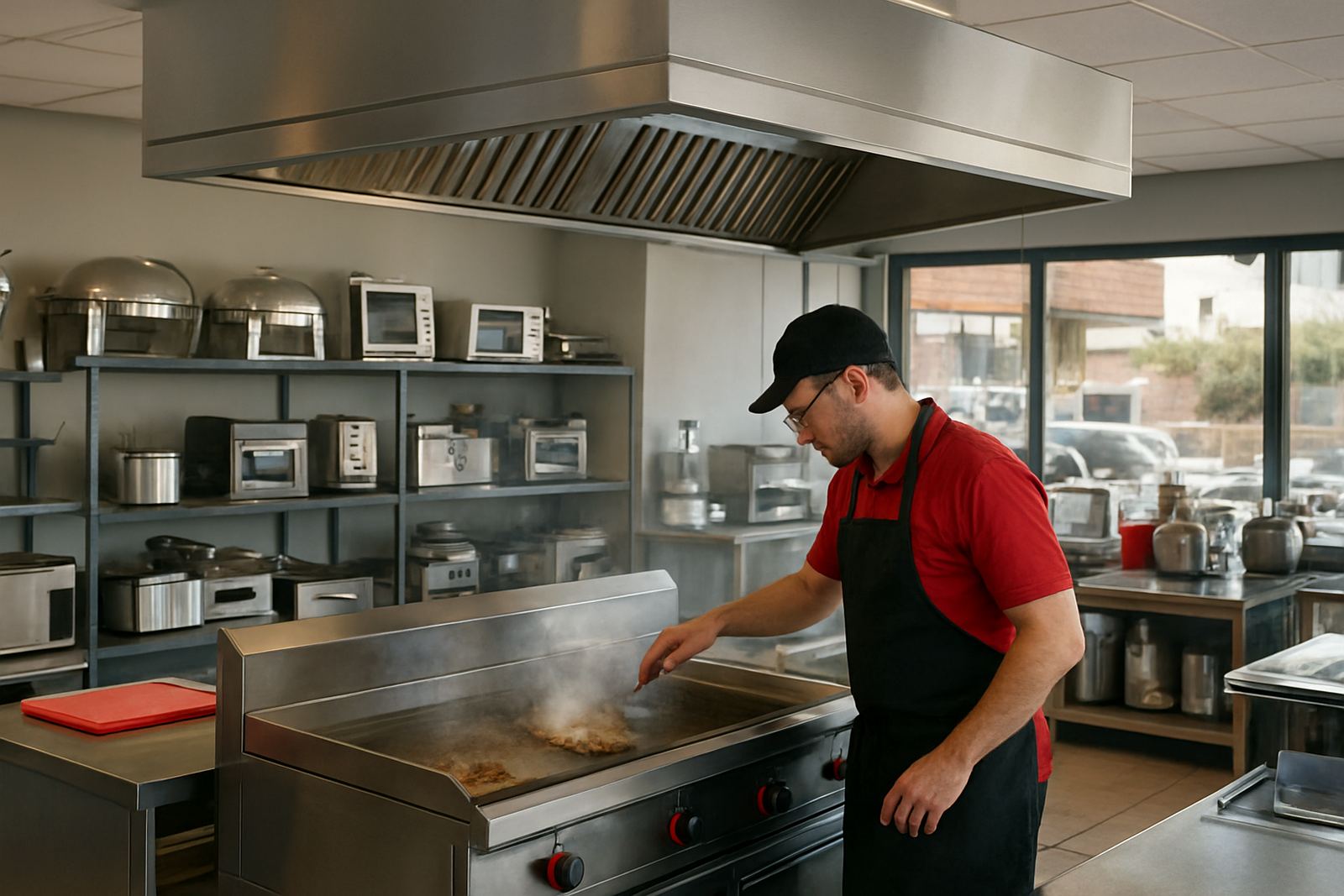
The close-down routine should begin while the kitchen is still trading. If you wait until the last plate is out, people rush and small jobs get missed, like switching off a fryer or draining a pan properly. A clean end-of-day pattern is especially useful in Pretoria, where many kitchens run on tight turnaround times for office canteens, schools and takeaway counters.
Nominate one person to call the final checks and another to confirm each area. That small habit reduces arguments later, because everyone knows who signed off what. If you are running a busy site in Centurion or Midrand, write the sequence down and keep it near the prep area, not tucked away in a file.
- Confirm the final orders are packed and labelled correctly.
- Count tills, receipts and card slips before staff leave.
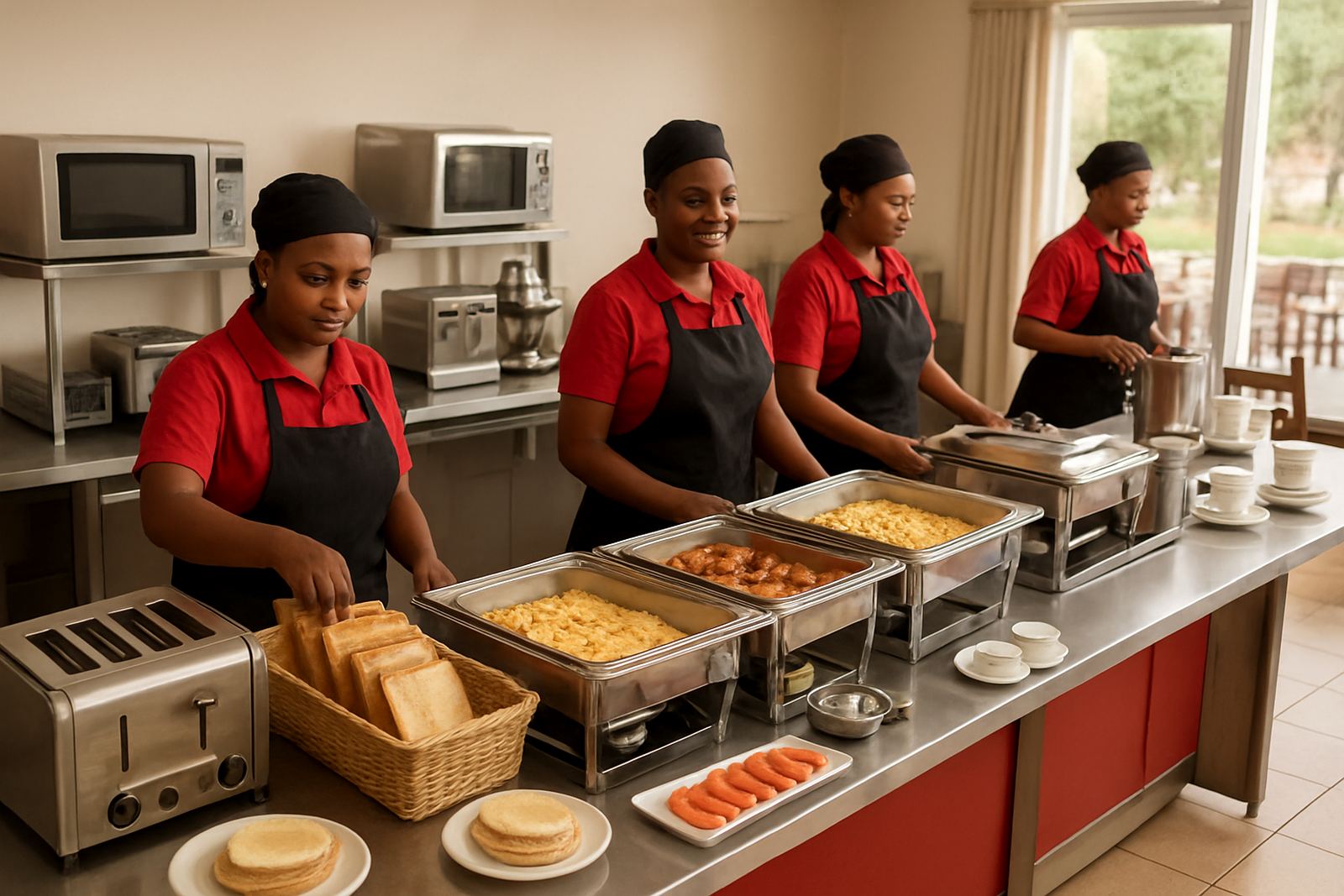
- Check that hot holding equipment is emptied, not just switched off.
- Make sure the closing person sees the same checklist every night.
Switch Off and Cool Down Equipment in the Right Order
Heat equipment needs time and attention. Fryers, griddles, toasters and microwaves should not be left half-clean, half-running because the team is in a hurry. Turn off and isolate equipment in a sensible order, then allow it to cool before cleaning starts. That protects staff from burns and also helps reduce electrical strain when the whole building loses power during load-shedding.
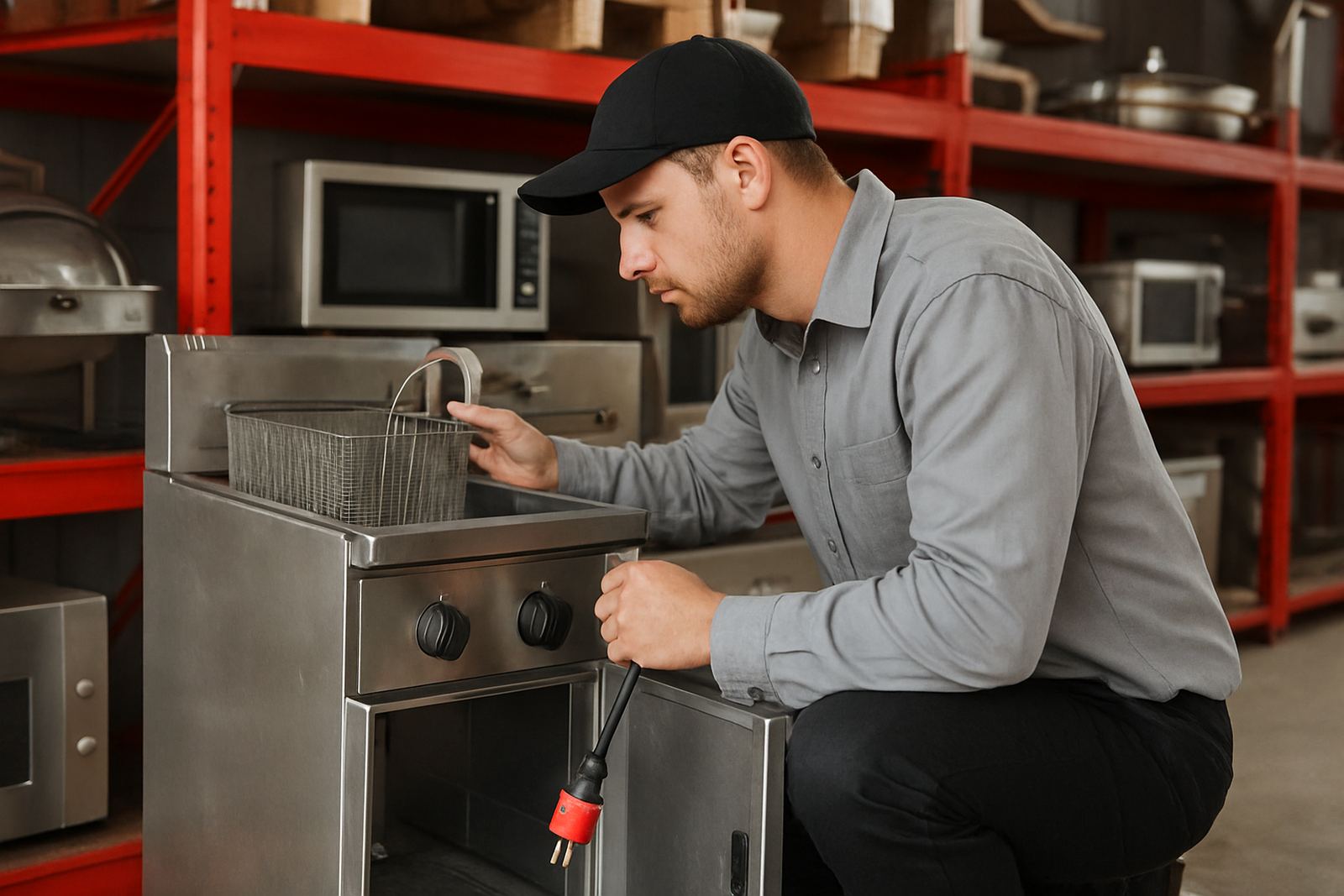
In older kitchens around Pretoria Central and Boksburg, overloaded plugs and loose sockets are common trouble spots. If a plug feels warm or a cable is cracked, take the unit out of service and report it. Do not keep pushing a machine that already shows signs of wear, it can fail at the worst possible moment.
- Turn off burners and heating elements first.
- Unplug small appliances after they are safely cooled.
- Leave fridges and freezers on, unless maintenance says otherwise.
- Record any strange noise, smell or tripping breaker before leaving.
A quick visual check is worth more than a long explanation after a breakdown.
Clean Food Contact Surfaces Properly, Not Just Quickly
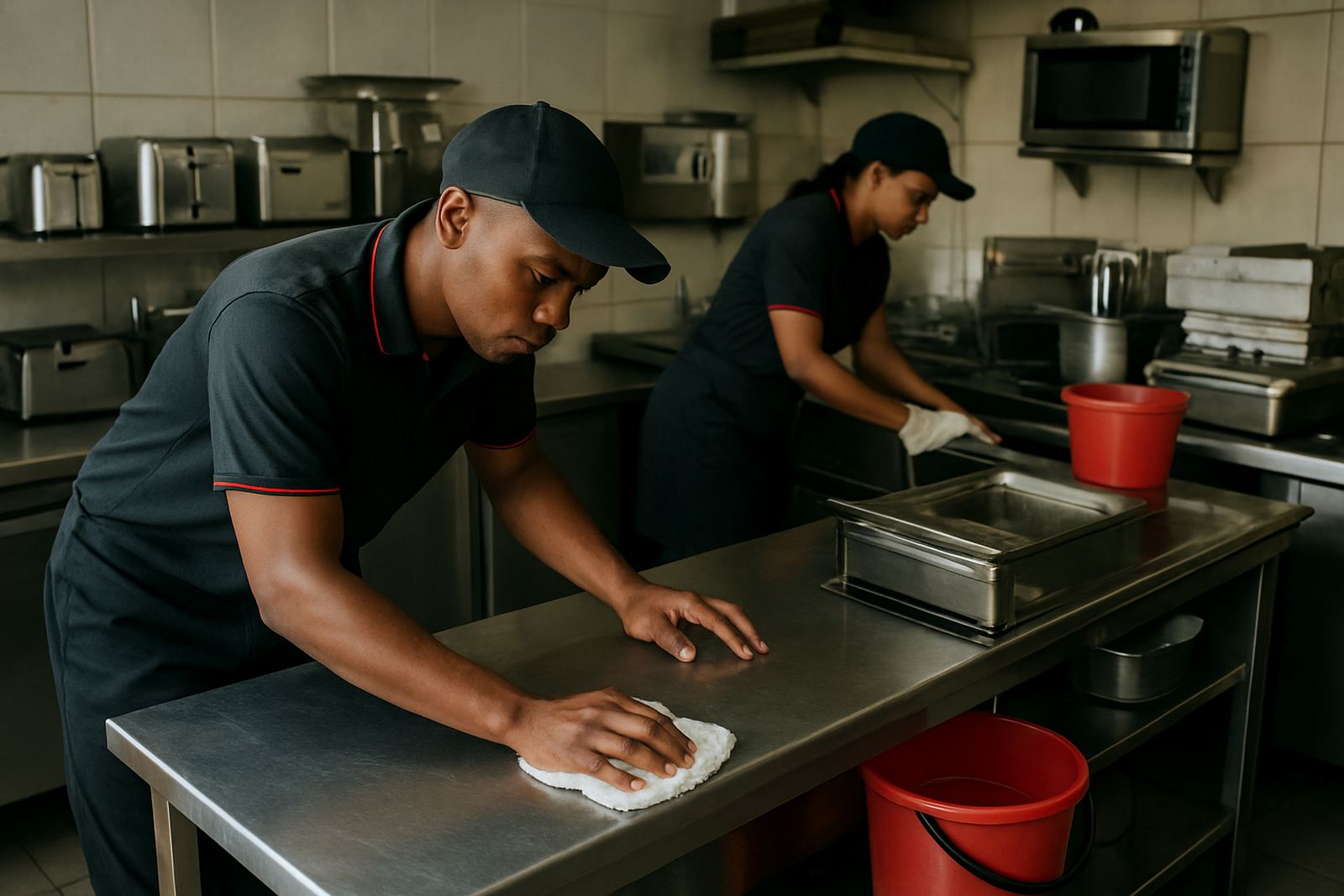
Close-down cleaning should remove food residue, grease and moisture from every surface that touches product. That means chopping boards, counters, machine parts, tray rails and handles. A wipe with a cloth is not enough if oil, sugar or sauces are left behind. Those leftovers attract pests and make the first shift slower the next morning.
Use separate cloths for raw and cooked areas, and wash them at the end of the shift. On stainless steel, dry the surface after cleaning so water marks and corrosion do not build up, especially in coastal air or in kitchens where the back door stays open for deliveries. In many Gauteng sites the issue is dust rather than salt, but both can leave a messy finish if ignored.
- Scrub removable parts in warm soapy water and dry them fully.
- Wipe taps, sinks and drain surrounds.
- Empty crumb trays, drip trays and grease cups.
- Sanitise handles, switches and fridge seals.
Where there is a fry station, let used oil cool and decant it safely. Never leave open containers where staff can kick them over while locking up.
Store Stock So Tomorrow’s Team Can Move Faster
End-of-day storage is where many kitchens lose time the next morning. Sauces get stacked on the wrong shelf, dry goods go open, and labels disappear. A clear storage system keeps opening staff from hunting through boxes at 6 am, which matters if the breakfast rush starts before sunrise.
Move all food into sealed containers and label them with the date. Put older stock in front, newer stock behind, and keep raw items below ready-to-eat items. In venues near Kempton Park or Randburg, where deliveries can arrive early and space is tight, tidy storage also helps prevent cross-contamination and accidental spills.
- Seal open packets and check expiry dates.
- Return perishables to the correct cold room or fridge shelf.
- Store chemicals separately from food and packaging.
- Count spare consumables like gloves, foil and paper before closing.
If you use a prep fridge with a door that does not close properly, fix it quickly. A small gap overnight can spoil product and push electricity use up for the next day.
Take Five Minutes for Safety, Water and Waste
Many after-hours problems are not about cooking at all. They are about waste bins overflowing, a blocked floor drain, or a wet patch nobody reported. Before the final lock-up, walk the kitchen and check that rubbish is removed, floors are dry and no sharp items are left loose. This is basic work, but it prevents slips and cuts the next shift.
Keep an eye on water and gas shut-offs where relevant. If the sink is dripping or the gas valve has not been fully closed, that problem must be dealt with before staff leave. In an industrial area of Pretoria or a food court in Midrand, a small leak can become a serious complaint by morning.
- Empty all waste bins and close bin liners properly.
- Check for standing water near sinks, fridges and dishwash areas.
- Store knives, blades and broken glass in a safe container.
- Lock chemical stores and count keys back in.
A tidy close also helps with pest control. Once bins are emptied and surfaces are dry, there is less for rodents and insects to feed on overnight.
Do a Final Walkthrough and Leave Notes That Matter
The final walkthrough is where discipline shows. One person should walk the site with a checklist and verify the front counter, prep areas, store room, wash-up zone and staff room. This should be done the same way every night so that nothing gets skipped when the team is tired. If a section is not ready, note it clearly instead of assuming someone else will remember.
Write down anything the morning team must know, such as a fryer that trips, a mixer with a noisy bearing, or a microwave door that needs attention. That saves time and prevents repeat faults. If the issue is bigger than a minor fault, arrange servicing or a quote before it turns into a full breakdown.
- Confirm all lights, doors and alarms are set as required.
- Log faults with the date, time and machine type.
- Leave the handover note where the opening supervisor will see it.
- Check that stock rooms and delivery points are properly locked.
For kitchens that want to improve the routine, a short refresher with the team once a month helps. A good close-down is built from habits, not reminders shouted at the end of a long shift.
Why Local Kitchens Save Time With a Written Routine
Across Pretoria and Gauteng, the busiest kitchens are the ones with the simplest systems. A written close-down checklist keeps the team steady during power cuts, staff changes and peak trading days. It also makes training easier for new employees because they can follow the same steps from day one.
At Afchain Catering Equipment in Silverton, Pretoria, we see the same pattern again and again: kitchens that service equipment on time, keep notes on faults and use a proper shut-down routine open faster and waste less. That applies whether the site is a school kitchen in Pretoria Central, a takeaway in Boksburg or a canteen in Randburg.
If you need help with equipment quotes, servicing, repairs, used equipment sourcing or kitchen reconfiguration, the simplest close-down system often starts with reliable machines and clear handover habits. Good equipment is easier to clean, easier to switch off and easier to keep in working order, which saves you time every single morning.