Start with the flow, not the menu
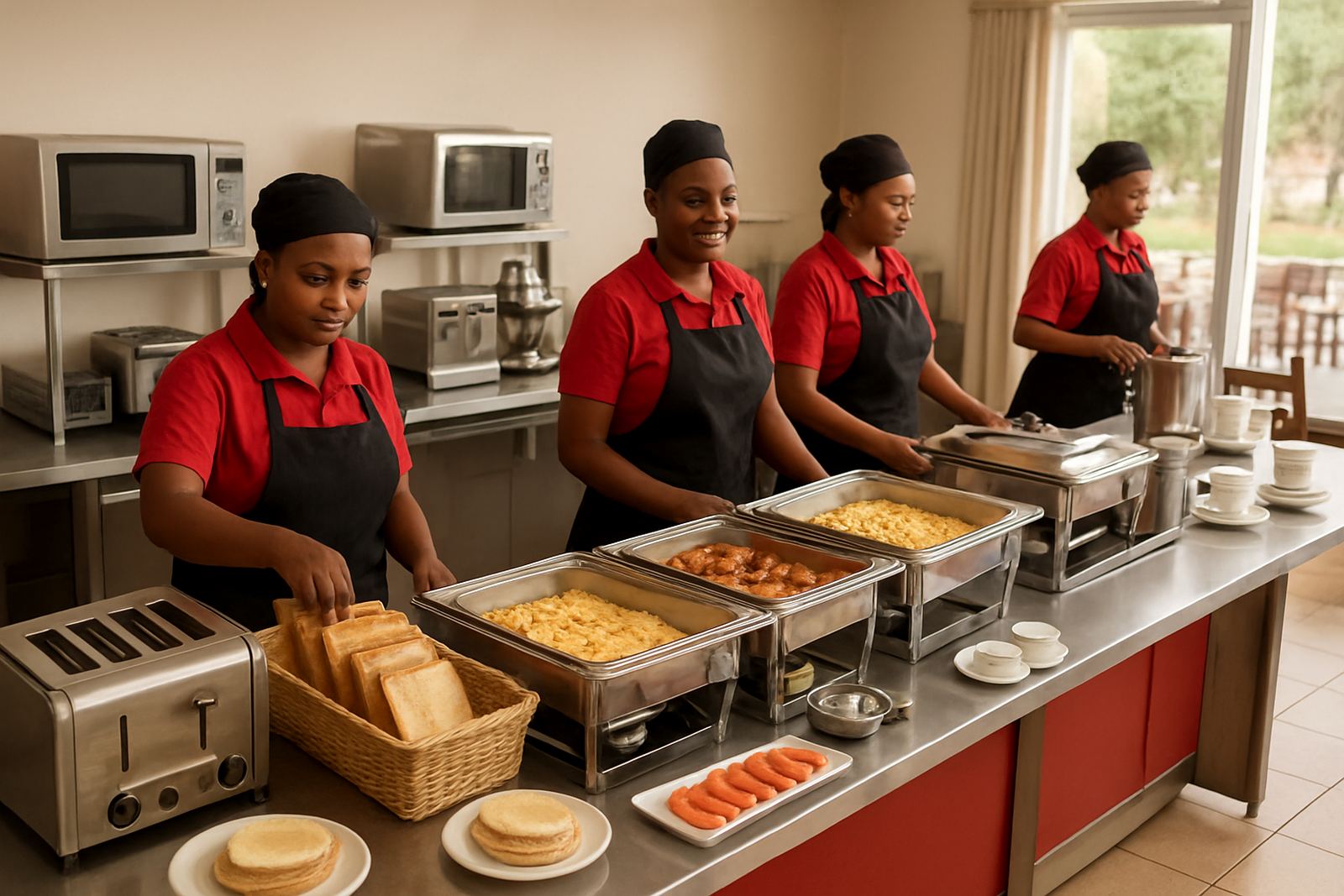
A good breakfast line is built around movement. Guests should be able to collect plates, move to hot food, make tea or coffee, then finish at the toast point without crossing back over the queue. When that order is wrong, people stop, turn around and block the next person.
In a small canteen in Pretoria Central or a guesthouse in Centurion, the best setup is usually simple: plates first, hot items next, drinks after that, then toast and condiments. Keep the busiest items closest to the point where the queue starts, because that is where delays cost the most time.
It also helps to leave enough space behind the line for staff to restock without squeezing past guests. A tight layout looks fine on paper but once service starts it becomes a bottleneck, especially where one person is serving both cooked food and drinks.
Put hot drinks where guests can finish quickly
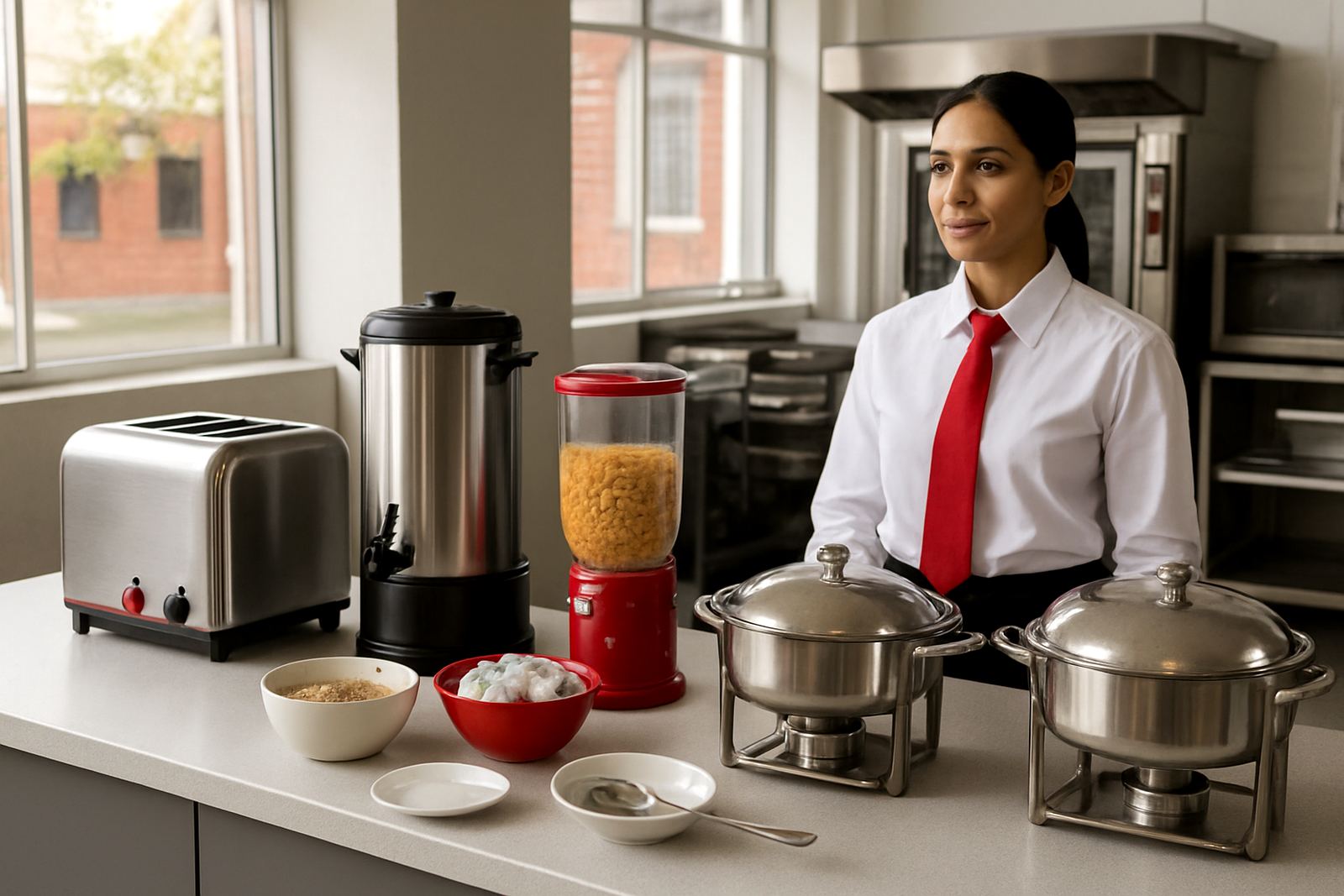
Tea, coffee and hot water should be easy to reach, but not so central that people stop for long. If the drinks station sits before the food, the line slows while every guest waits to stir sugar, add milk and sort out lids. Put it after the main savoury items or at the end of the line so guests can move off once their plate is complete.
In Gauteng mornings, hot drinks are often the first thing people want, but they do not need to hold up the whole queue. Two urns can work better than one large unit if you have separate tea and coffee service. That way you reduce cross-contamination and avoid a rush at one point.
- Keep cups, lids and stirrers on the same side as the urns
- Place milk in chilled containers close to the drinks station
- Use signs for tea, coffee and decaf so guests do not ask staff each time
- Leave a small tray area for used spoons and sugar sachets
If you serve from 6 am to 9 am, the drinks point should be checked more often than the hot line. Empty urns, weak coffee and missing milk cause complaints very quickly.
Toast needs its own space and its own rules
Toast is where many breakfast lines get stuck. People wait for slices to pop, ask for extra browning, then search for butter and jam. If the toaster sits too close to the main queue, guests crowd around it and slow the whole line.
The better option is to keep the toaster after the hot food section, with a clear drop zone for bread and a separate pick-up point for finished slices. This helps at lodges, schools and small hotels where one person may be handling service and cleaning at the same time.
For a busy site in Midrand or Randburg, a conveyor toaster can suit high turnover, while a smaller two-slot or four-slot unit may be enough for a quieter room. If you have children or older guests, keep the hot surface away from the front edge and leave enough space for safe movement. A cramped toast point is one of the quickest ways to create a spill or a burn.
- Keep bread away from heat until the toaster is ready
- Mark a clear place for butter, spreads and jam
- Use tongs or paper for handling toast, not bare hands
- Check crumbs and trays before the first service and again mid-morning
Buffet items should be grouped by temperature and pace
The buffet should not feel like a random row of dishes. Group cold items together, hot items together and fast-moving items where guests can reach them without waiting. Fresh fruit, yoghurt and cereal should not be mixed into the same section as eggs, sausages and hash browns.
Hot breakfast food works best when it is served in a logical order. Start with plates, then cooked items, then toast, then condiments and drinks. This is easier for staff to maintain and it lets guests see what is available before they commit to the queue.
Where space is limited, use shorter runs with more frequent refilling rather than one long line. That helps keep food fresh and cuts the chance of containers standing open too long. In coastal humidity, especially if stock is moved between stores and the serving area, lids and covers matter more than people think.
- Keep cold salads and fruit away from heat lamps
- Place condiments close to the items they go with
- Use sneeze protection where the room is open to dust or traffic
- Refill in smaller amounts to keep food looking fresh
Match the equipment to your guest count
The right plan depends on how many people you serve in one hour, not only how many beds you have. A 20-room guesthouse in Pretoria East may only need a compact line, while a contractor camp or school canteen may need continuous output from several points.
For smaller sites, a toaster, one hot drinks station and a modest buffet can be enough. Larger rooms may need a second drinks point, extra chafing dishes, or a separate table for toast so one queue does not hold the rest back. If the queue spills into the doorway, the layout needs to change.
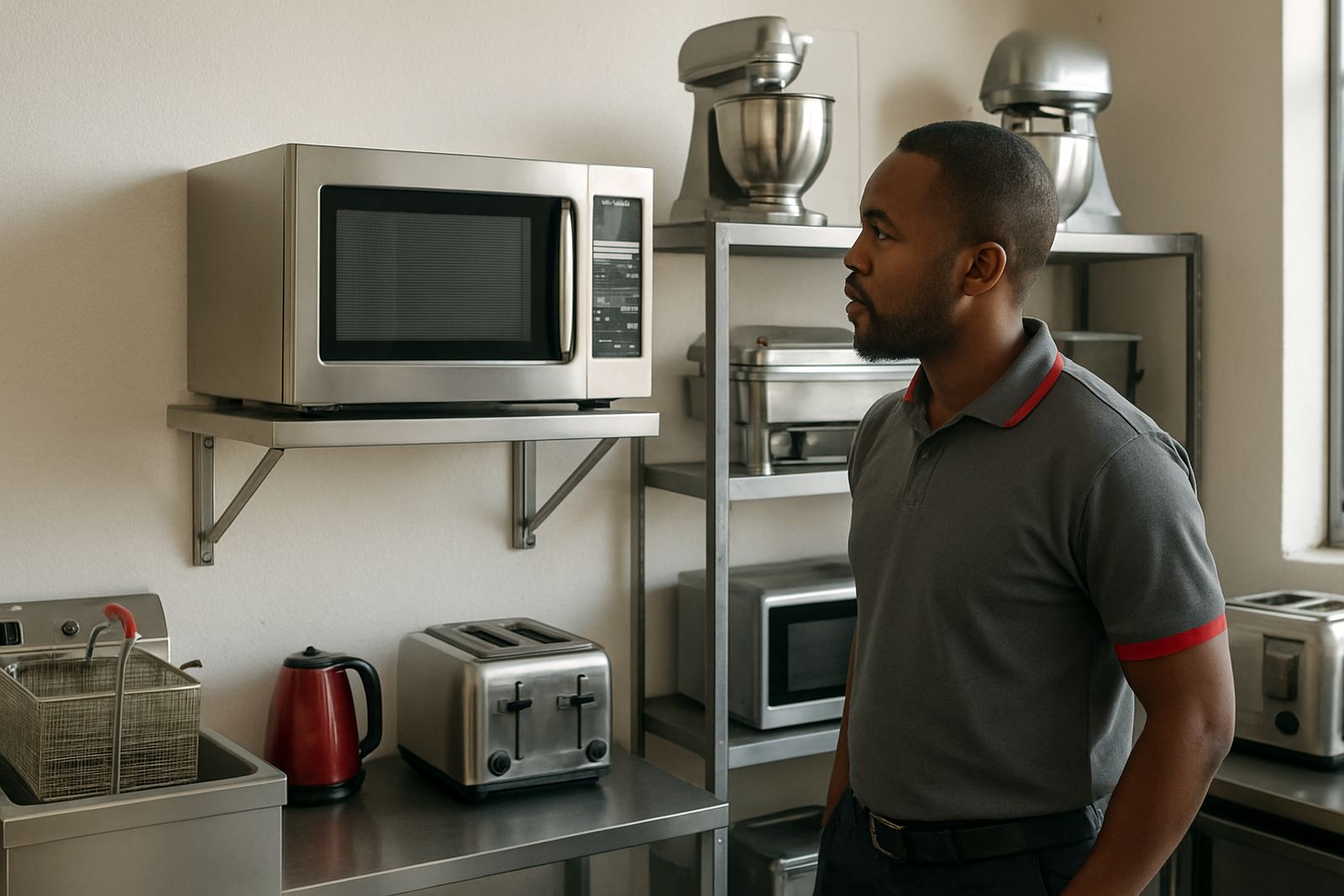
Equipment also needs to suit local power supply. During load-shedding, some operators move to gas for hot holding, or keep enough backup equipment to get through the morning rush. Plan for what happens when one unit trips, because breakfast does not wait for the board to reset.
A Pretoria morning example that works in practice
At a small business lodge in Silverton, the breakfast room serves mostly commuters and contractors between 6 am and 8.30 am. The team set the line in this order: plates, eggs and sausages, baked items, toast, then tea and coffee at the end. That single change reduced backtracking and made restocking easier for staff.
Their toast point was moved away from the drinks urns, which stopped guests from standing in one place while waiting for both. The manager also asked for a short handover routine so the team could check water, milk, bread and condiments before the first guest arrived. It sounds basic, but basic systems are what keep service steady when the room fills up.
For many Gauteng sites, that is the real lesson. A breakfast line does not need to be complicated. It needs to be clear, quick and easy to clean after service, with every item in a place that makes sense for the person using it.
What to check before breakfast opens
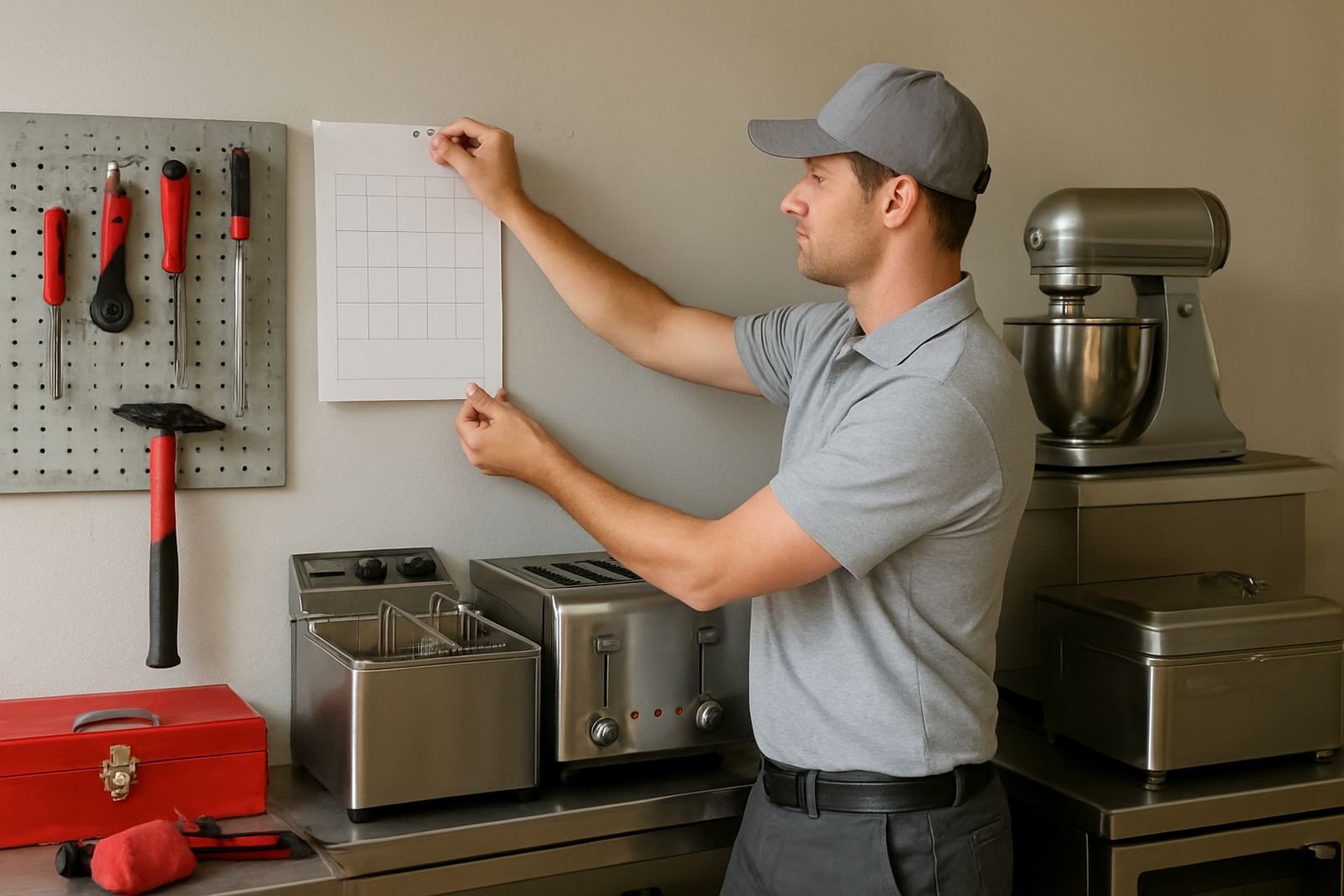
A proper opening check saves time later in the morning. Staff should know what is hot, what is chilled and what needs topping up before the first tray goes out. If you wait until the queue is already there, you spend the morning catching up.
- Switch on or light up all required equipment early enough to reach temperature
- Test that toast, hot water and coffee stations are ready before guests arrive
- Check stock levels for bread, spreads, milk, sugar and serviettes
- Make sure all surfaces are clean and dry
- Confirm who is refilling, who is clearing and who handles faults
If anything is missing, fix it before service starts. That includes small things like tongs, trays, lids and drip mats, because those details affect speed more than most people expect.