Why the serving line is not just a counter
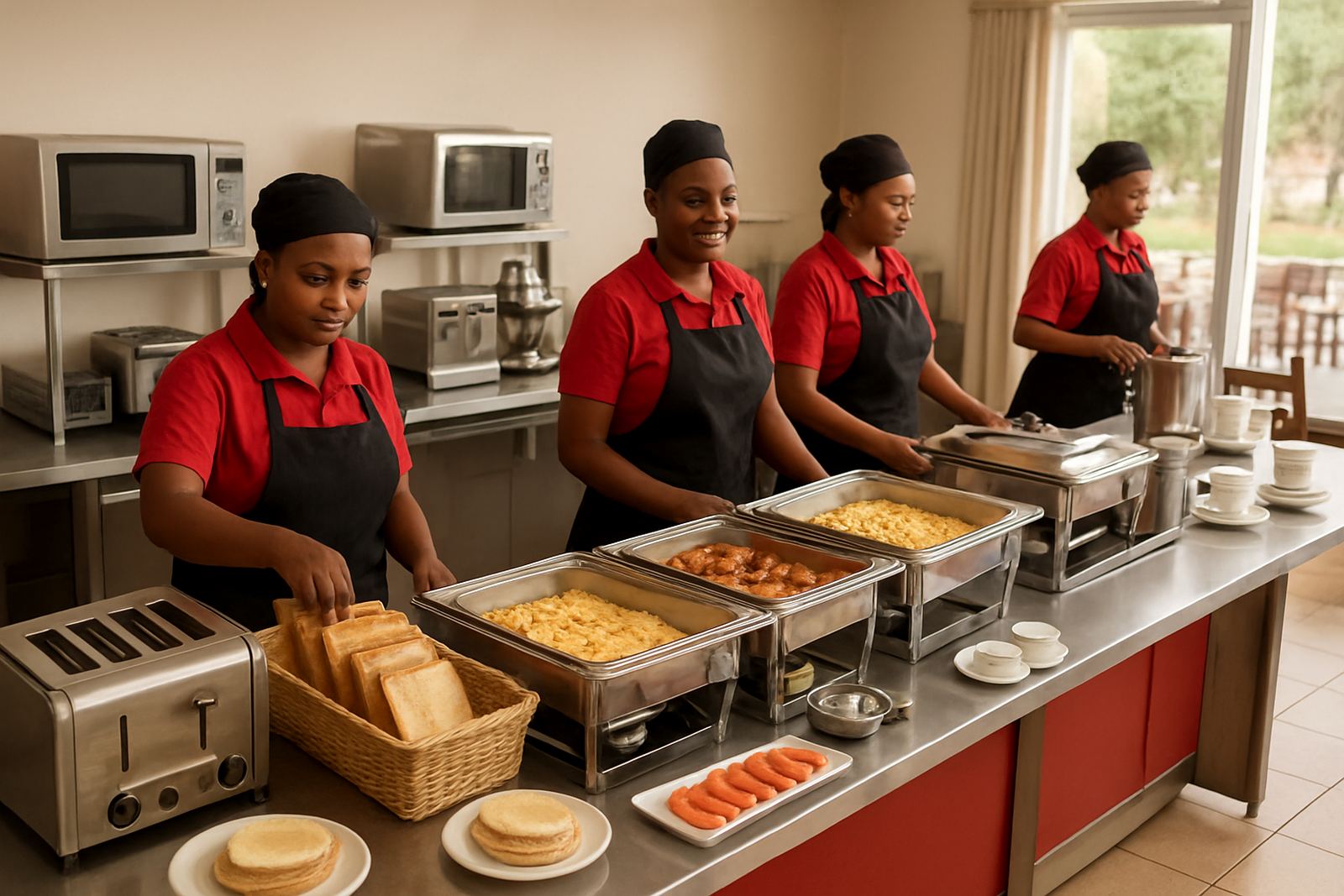
In a busy kitchen the serving line does more than present food. It protects cooked meals from falling into the danger zone, keeps sauces from splitting and stops starches from turning dry or gluey. In schools, hospitals, company cafeterias and takeaway canteens around Pretoria and Gauteng, that matters every day.
Many operators spend money on fryers, microwaves, mixers and ovens, then lose value at the last step because hot food sits in the wrong tray or the heat source is poorly matched to the menu. A curry that should stay glossy can thicken up. Rice can crust at the edges. Roast chicken loses appeal. Once customers see food drying out, they take smaller portions and waste more of what was prepared.
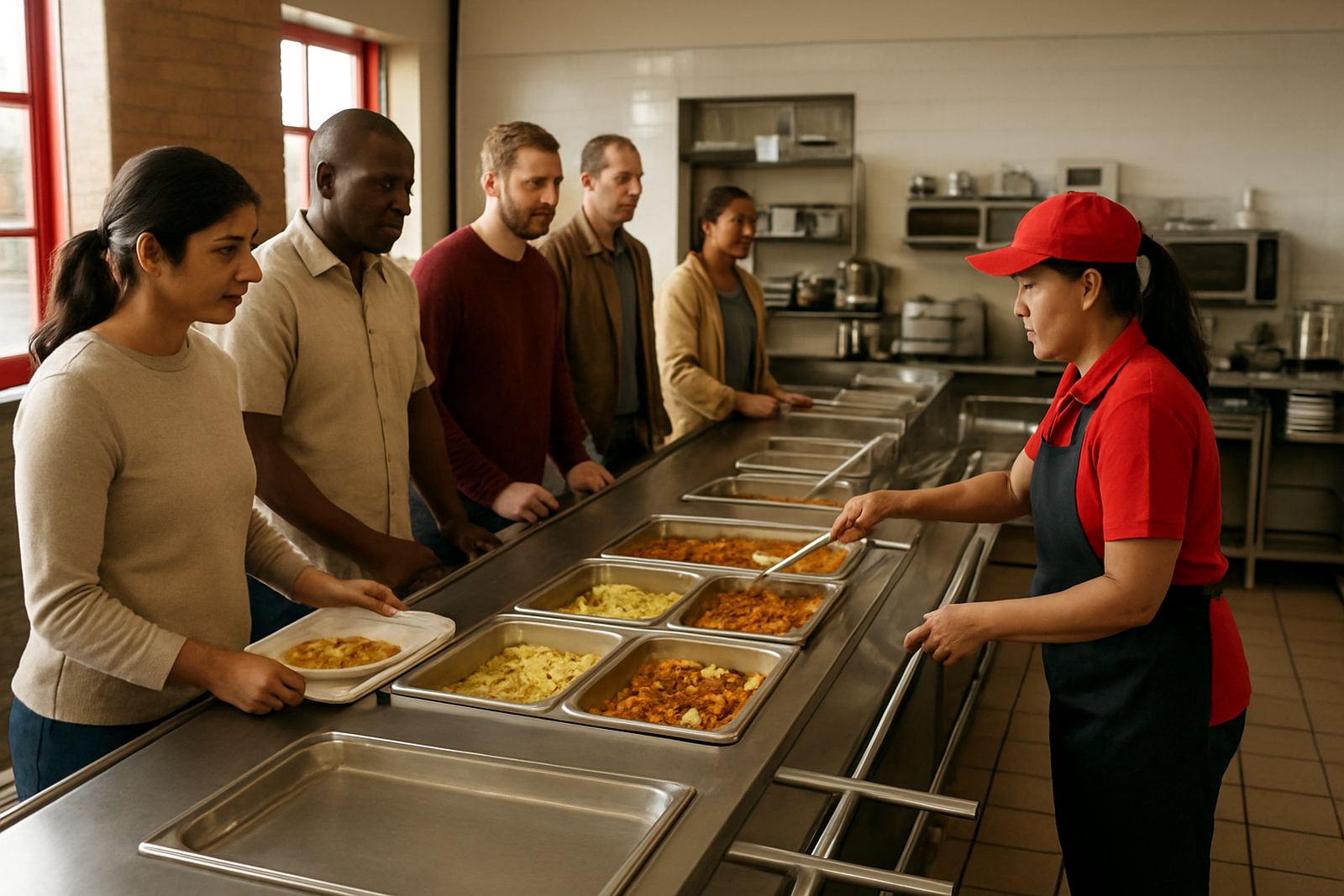
The serving line is also where hygiene becomes visible. Customers can see whether lids are working, whether pans are steaming properly and whether the staff are rotating stock. If the counter looks neglected, trust drops quickly.
The practical temperature range kitchens should work to
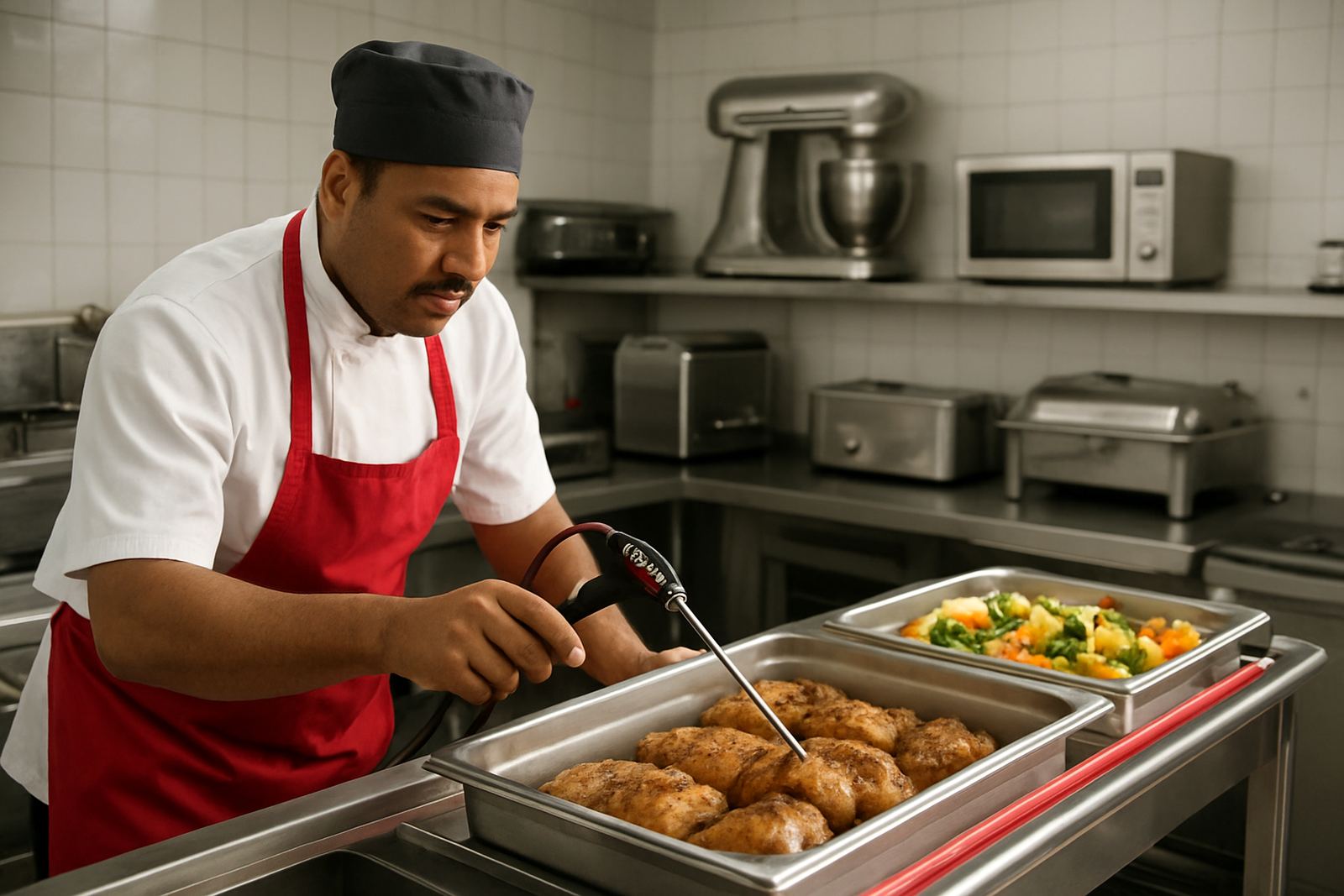
For hot holding, the aim is to keep food at safe serving temperatures without cooking it further. In practice, that usually means holding hot food at 60 C or above. Cold items should stay chilled at 5 C or below. Once food starts moving outside those ranges, quality and safety both suffer.
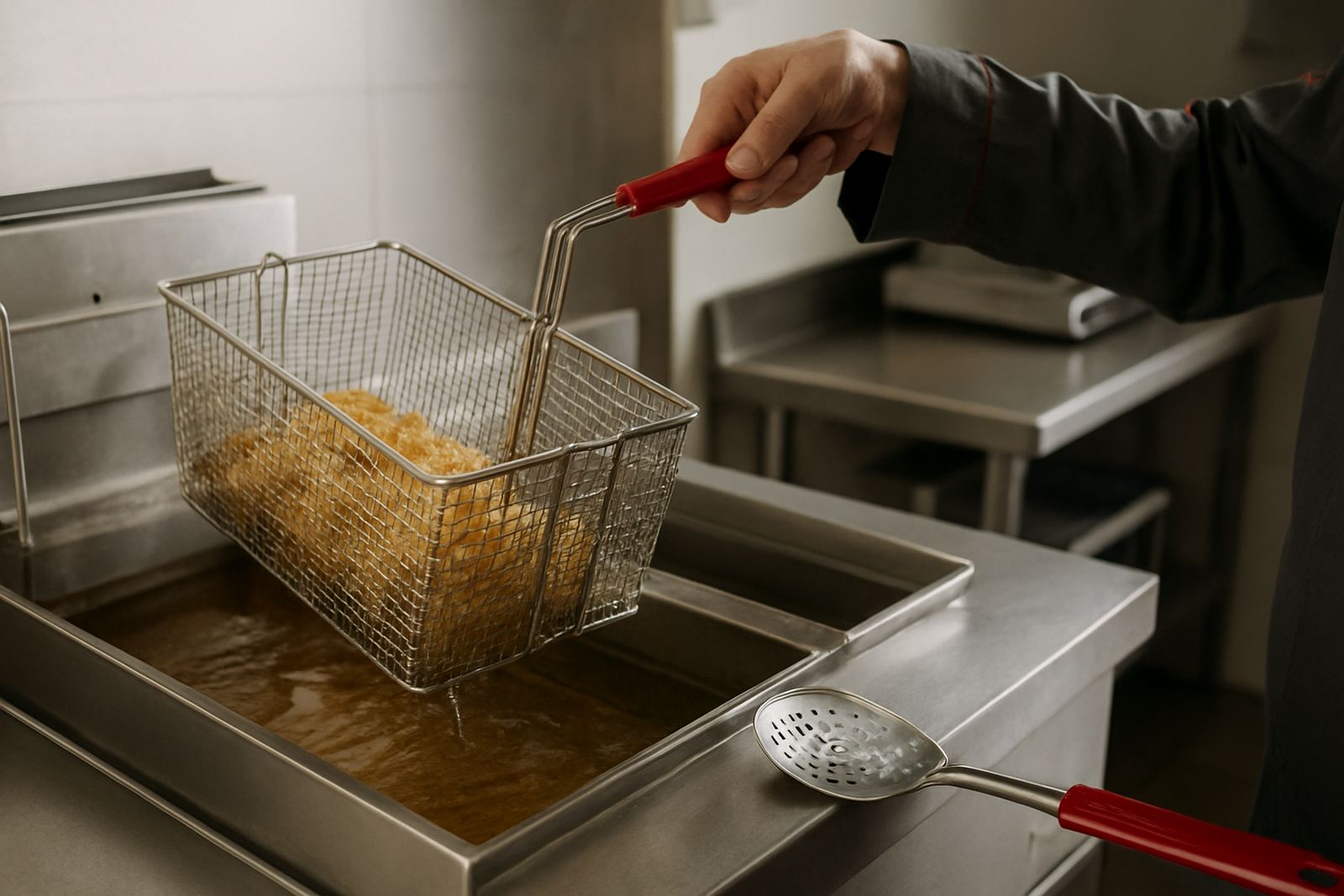
Different foods behave differently on a line. Gravies and soups usually tolerate holding better than crumbed items or fried foods. Vegetables can lose colour, while doughy items can sweat under a lid. Staff need to know that a serving line is not a second oven and not a fridge with a lid. It is a controlled holding point.
- Check tray temperatures at the start of service, not only after the rush
- Use shallow pans where possible so heat moves through evenly
- Keep lids on when food is not being served
- Rotate smaller batches instead of filling every pan to the top
- Record temperatures through service, especially for lunch counters and buffets
If the line is running too cool, the problem may be with the heater, the power supply, the pan size or even the way food was preheated before it arrived on the line.
How temperature control cuts waste and protects margins
Waste is not only about leftovers. It also includes food that must be thrown away because it sat too long, dried out or failed a temperature check. For operations in Centurion, Midrand or Kempton Park, where lunch service can move fast and staff numbers are tight, this adds up quickly. A few trays lost each day can become a serious cost over a month.
Better holding means fewer top-ups, fewer emergency remakes and less pressure on the kitchen team. It also helps with portion planning. When food stays appealing for longer, the team can replenish at the right pace instead of overfilling the line at the start and discarding half-full pans later.
There is another saving too. Proper holding reduces the temptation to overheat food just to make sure it stays warm. Overheating can dry out meat and sauces, and then the kitchen adds extra stock or garnish to compensate. That is money going out twice. A line that holds steady uses less fuel, less electricity and less product. In places where load shedding still interrupts service, equipment choice becomes even more important because recovery time after power returns can be a real problem.
What usually goes wrong on local serving lines
We often see the same issues in kitchens across Pretoria Central, Randburg and Boksburg. The line itself is not the only problem, the support around it matters too. A strong heater with poor positioning, or a good counter with weak ventilation, can still give poor results.
- Trays that are too deep for even heat transfer
- Dry heat used for foods that need moisture
- Steam units left without enough water or proper cleaning
- Food arriving at the line already lukewarm
- Electrical points overloaded by heaters, toasters and hotplates on one circuit
- Poor staff rotation, so old stock stays on the line too long
Humidity near Pretoria is lower than on the coast, but in Gauteng kitchens steam still affects the feel of bread, batter and pastry. In a kitchen with open windows, dust can also build up on fan areas and around controls. That is why regular servicing and cleaning are part of temperature control, not separate from it.
A Pretoria example from a busy lunch counter
A small employer canteen in Silverton was serving cooked meals to office staff and workshop teams from 11h30 to 13h30. The food tasted fine at the start, but by the last rush the rice was hard at the edges and the chicken sauce had thickened. Staff were throwing away small amounts after service and making fresh top-ups more often than needed.
After checking the line, the issue was not only the heater. The pans were too full, the lids were being left open and the food was arriving from the kitchen too cool. The team adjusted preheating, reduced batch size and changed the sequence of loading. They also started taking temperature readings at set times during service. The result was better texture, less scrap and fewer complaints from staff who came in late for lunch.
That sort of fix is common. The answer is often a mix of equipment, process and training rather than a single new machine.
Choosing and maintaining the right holding equipment
When a kitchen is setting up a new serving line or replacing older equipment, it helps to match the unit to the menu. A soup counter has different needs to a tray line for grilled chicken, vetkoek, chips and vegetables. A school kitchen in Pretoria East will have different service pressure to a factory canteen in Midrand, and the equipment should reflect that.
Useful checks before buying or refurbishing include:
- Is the unit suited to wet food, dry food or both?
- Can staff clean under and behind it without moving half the line?
- Does it recover heat quickly after each service opening?
- Will it work with the power available on site?
- Are replacement parts and servicing practical in Gauteng?
Preventive servicing should include thermostat checks, element testing, switch inspection and a look at seals, trays and drainage. If the serving line is near a loading bay or an open front counter, regular cleaning matters even more because dust and grease build up fast.
At Afchain Catering Equipment in Silverton, Pretoria, we work with kitchens that need honest advice on holding temperatures, quotes, servicing and used equipment sourcing. Whether the job is a full installation, a workshop refurbishment or a simple breakdown repair, the aim is the same: keep food safe, keep service moving and reduce waste.