Start With The Service Style, Not The Catalogue
Before you compare pans and lids, think about how the food is actually served. A tuck shop in Pretoria Central does not need the same layout as a conference buffet in Centurion or a busy lunch counter in Midrand. The first choice is between holding food for self service, plated service or a kitchen pass, because each one changes the size, depth and access you need.
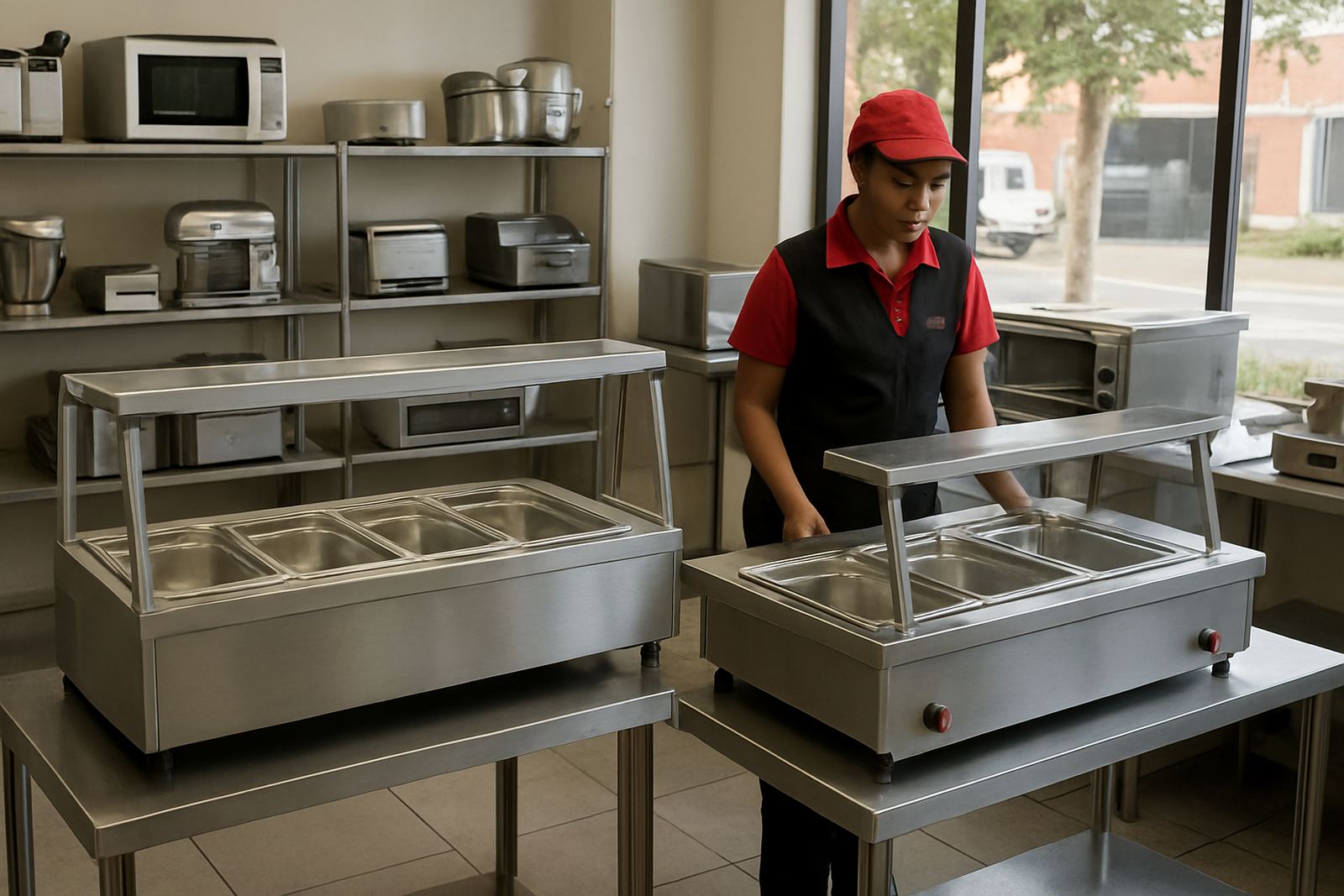
For smaller volumes, a compact countertop unit may be enough. For steady lunch rushes, a longer unit with several compartments lets staff keep sauces, veg, rice or curry separate. If the menu changes daily, choose a layout that can take different pan sizes so you are not stuck with one fixed format.
- Count the number of items you need to hold at once
- Check if customers serve themselves or staff plate the food
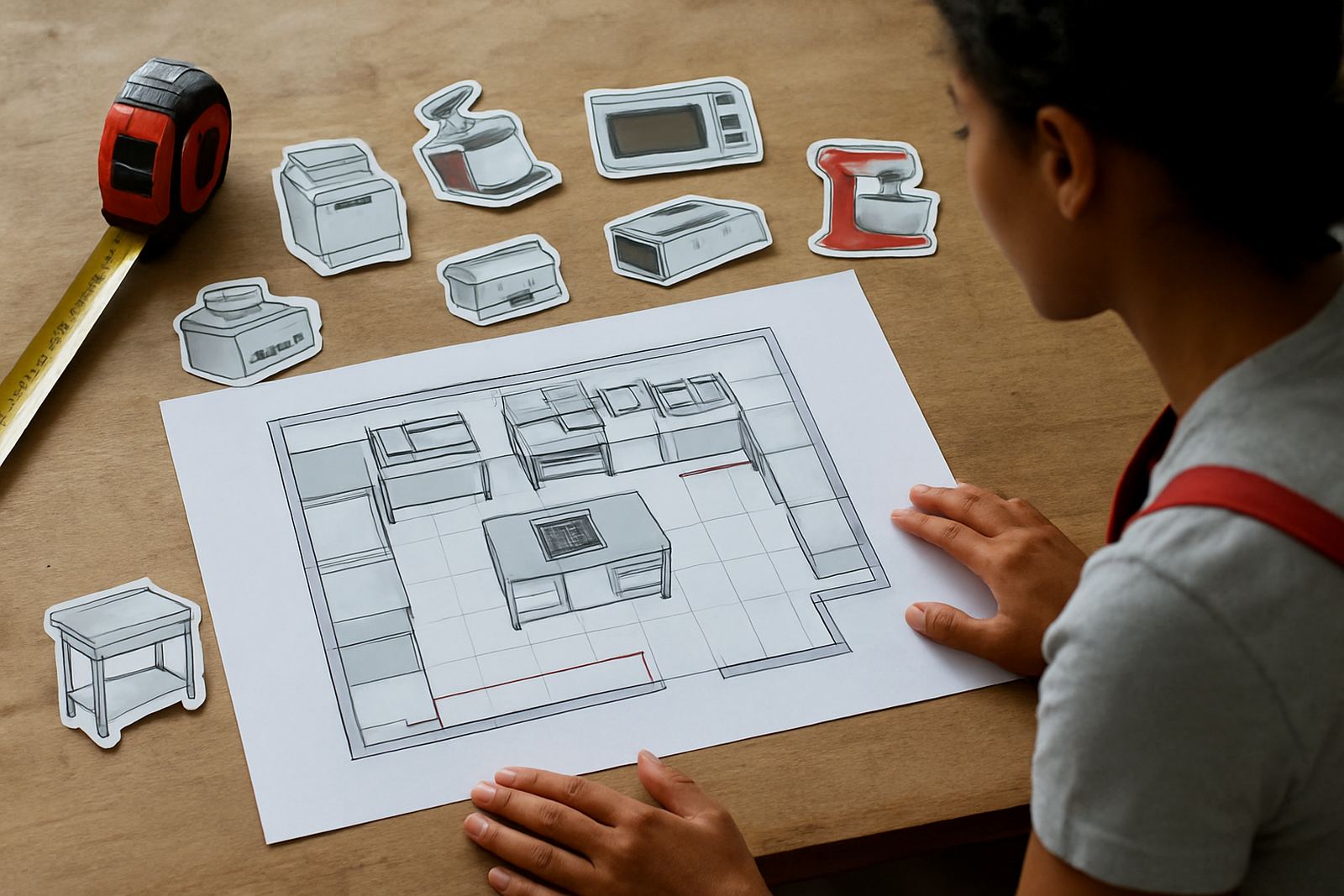
- Measure the counter space, including room for lids and tongs
- Allow space behind the unit for topping up and cleaning
Wet Heat Or Dry Heat: What Fits Your Food Better
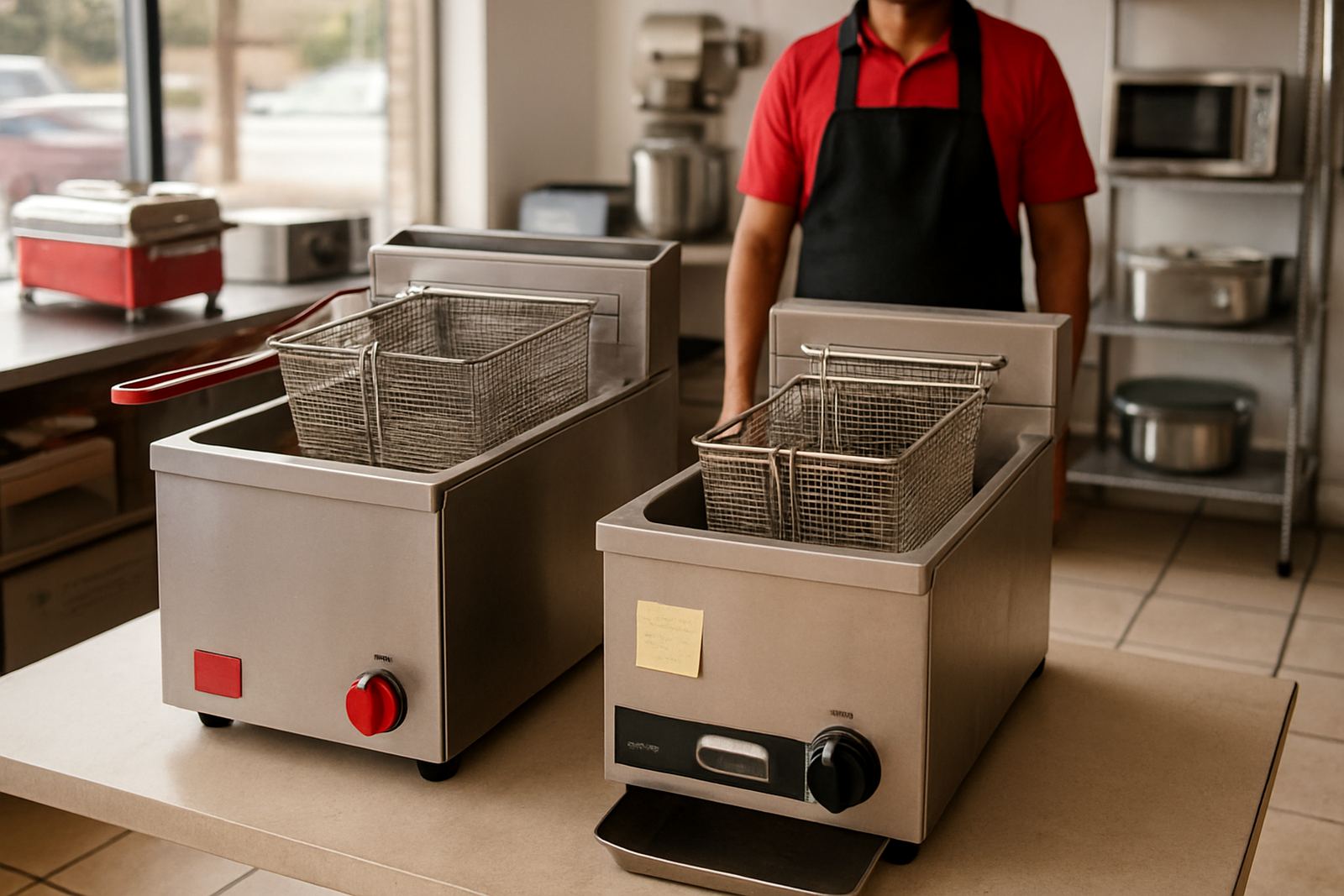
Most catering teams use wet heat when they need gentler temperature control. Water around the pans helps keep sauces, stews and vegetables warm without scorching the base. It is a good choice where food may stand for an hour or two, especially in school canteens, church halls and office kitchens.
Dry heat heats the pan directly and can be useful for foods that do not like extra moisture, but it needs more attention. If the temperature is run too high, the food at the bottom can dry out or catch. In Gauteng, where load-shedding still affects service planning, a simple unit with quick warm up and easy monitoring can save a lot of trouble.
- Wet heat suits sauces, soups, curry and veg
- Dry heat suits foods that must stay drier
- Choose controls that staff can read at a glance
- Ask how easy it is to drain, refill and clean the water tray
Size The Bain Marie To Your Menu And Covers
Capacity is not only about how many pans fit. It is also about how much food stays in each pan before the next batch comes through. If the line serves 40 people at a time, a smaller unit may work. If you are feeding 120 staff members over a short lunch break, you need enough pan space to keep turnover smooth.
Think in practical terms. Rice and gravy may move fast, while one or two veg dishes may sit longer. A wider unit helps when several items must be available at once. In a restaurant or hotel serving line, a longer run also keeps queues moving because the team is not forced to refill after every few portions.
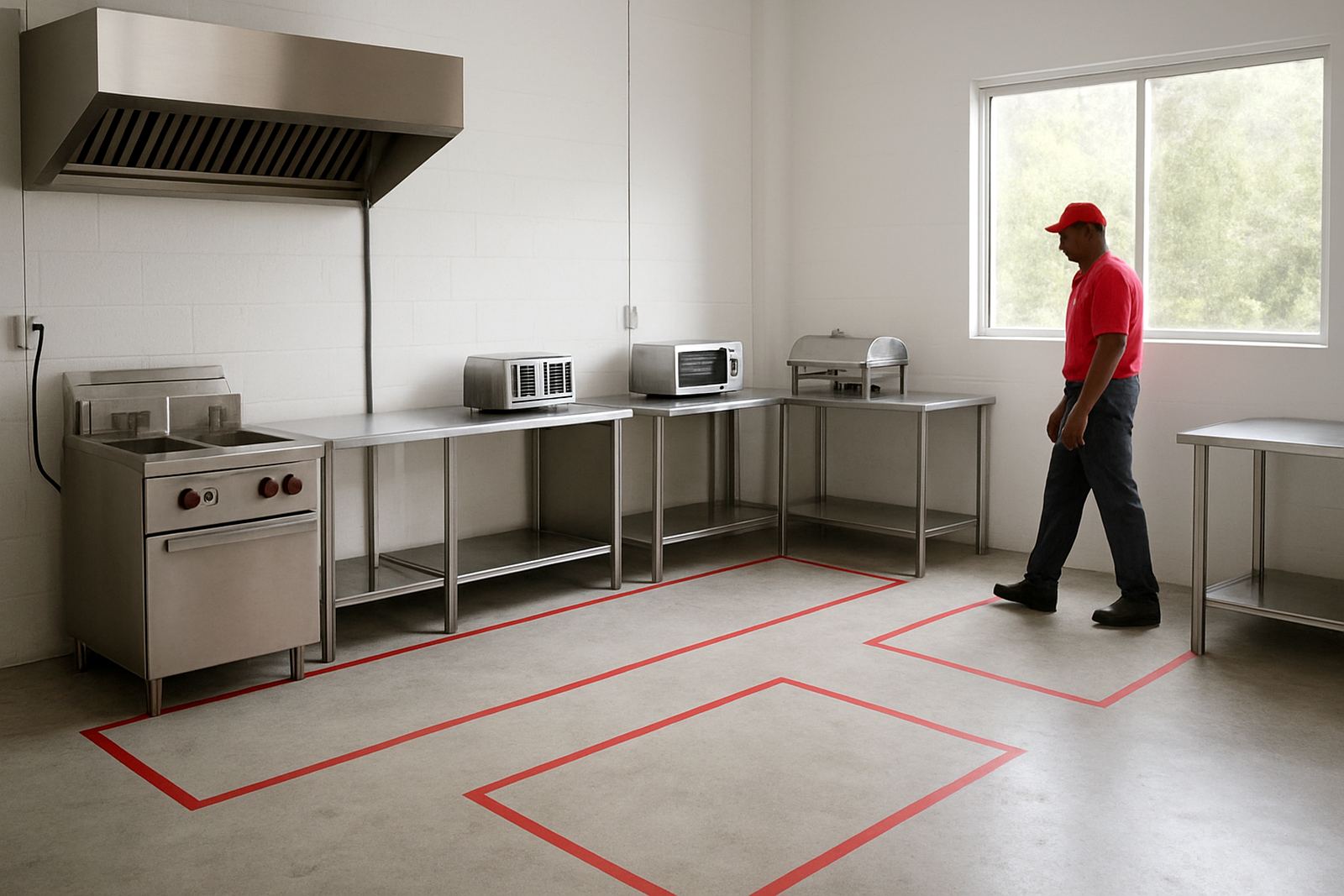
Measure your kitchen route too. Some sites need the unit to fit through a narrow door, past a prep bench or into a hall with limited plug points. In older buildings around Pretoria, it is common to find a good serving position but not enough clearance for maintenance so check that before you buy.
Power, Water And Practical Installation Checks
Even a straightforward bain marie needs the right setup. Check whether the unit is electric and what supply it needs, then match that to the site. A small canteen may only have standard sockets available, while a bigger serving line could need dedicated points and a proper changeover plan for outages. If the site runs on backup power, confirm that the system can handle the load without tripping.
Water access matters on wet heat units. A unit placed close to a sink or drain is easier to manage during service and at close down. On busy sites, staff often forget the fill level when things get hectic, so a clear routine helps avoid dry boiling and damage.
- Check plug type and circuit capacity before ordering
- Plan where water will be added and drained
- Allow for heat and steam around walls, splash backs and shelving
- Keep cables clear of foot traffic and mop routes
What To Look For In Materials, Lids And Pans
In a South African kitchen, finish matters because heat, moisture and cleaning chemicals all work on the equipment every day. Stainless construction is a common choice for durability and hygiene, especially where the unit is washed down often. Around coastal humidity or in a kitchen with heavy steam, you want parts that resist rust and are simple to wipe clean.
Lids should fit properly and be easy for staff to lift without burning themselves. Pan sizes should be standard enough for replacements and extras, because it helps when you need a spare at short notice. Removable pans also make it easier to switch menus or move from breakfast service to lunch. Watch for sharp edges, loose handles and lids that do not sit flat.
When Used Equipment Makes Sense
Used equipment can be a sensible option if the structure is sound and the heating system still performs properly. It suits smaller sites opening in stages, pop-up food operations or organisations that want to stretch a budget without losing service quality. The key is to inspect the unit properly, not just look at the outside.
Ask for the condition of elements, thermostat controls, pans, lids and switches. Check whether the unit has been repaired before and whether spares are still available. If the equipment will go into a school, church hall or training kitchen, make sure it is safe, presentable and able to handle regular use. A good used unit should save money, not create repeated breakdowns.
- Test heating time and temperature recovery
- Look for corrosion, bent frames and loose fittings
- Confirm that pans and lids are included
- Ask about servicing history and recent repairs
Quick Buying Checklist For Pretoria And Gauteng Sites
When you are ready to request a quote, have a clear list of what the unit must do. That helps with pricing, delivery and installation, and it avoids the common mistake of buying for the menu today while ignoring tomorrow’s growth. For catering teams in Pretoria, Centurion, Randburg, Kempton Park and Boksburg, a short site assessment often saves time later.
Use this final check before you place the order: menu items, number of covers, wet or dry heat, available space, power supply, water access and cleaning routine. If the unit is going into a serving line, think about how staff will move around it during peak service. If it is for a canteen, allow for quick loading, safe lifting and simple handover training so the team can use it properly from day one.
- Menu and daily cover count
- Bench space and doorway measurements
- Electrical supply and backup plan
- Cleaning, servicing and spare pan needs
Afchain Catering Equipment supplies quotes, delivery and positioning, installation, preventive servicing and breakdown repairs from Silverton, Pretoria. If you need help matching a bain marie to your serving line, email quotes@afchain.co.za and send through your measurements, menu and location.