Start with your breakfast volume, not the appliance size
The best toaster is the one that keeps up with your morning rush without tying up staff or power. Before you compare prices, work out how many slices you serve in a peak hour, how many loaves you go through, and whether toast is a main menu item or just a side.
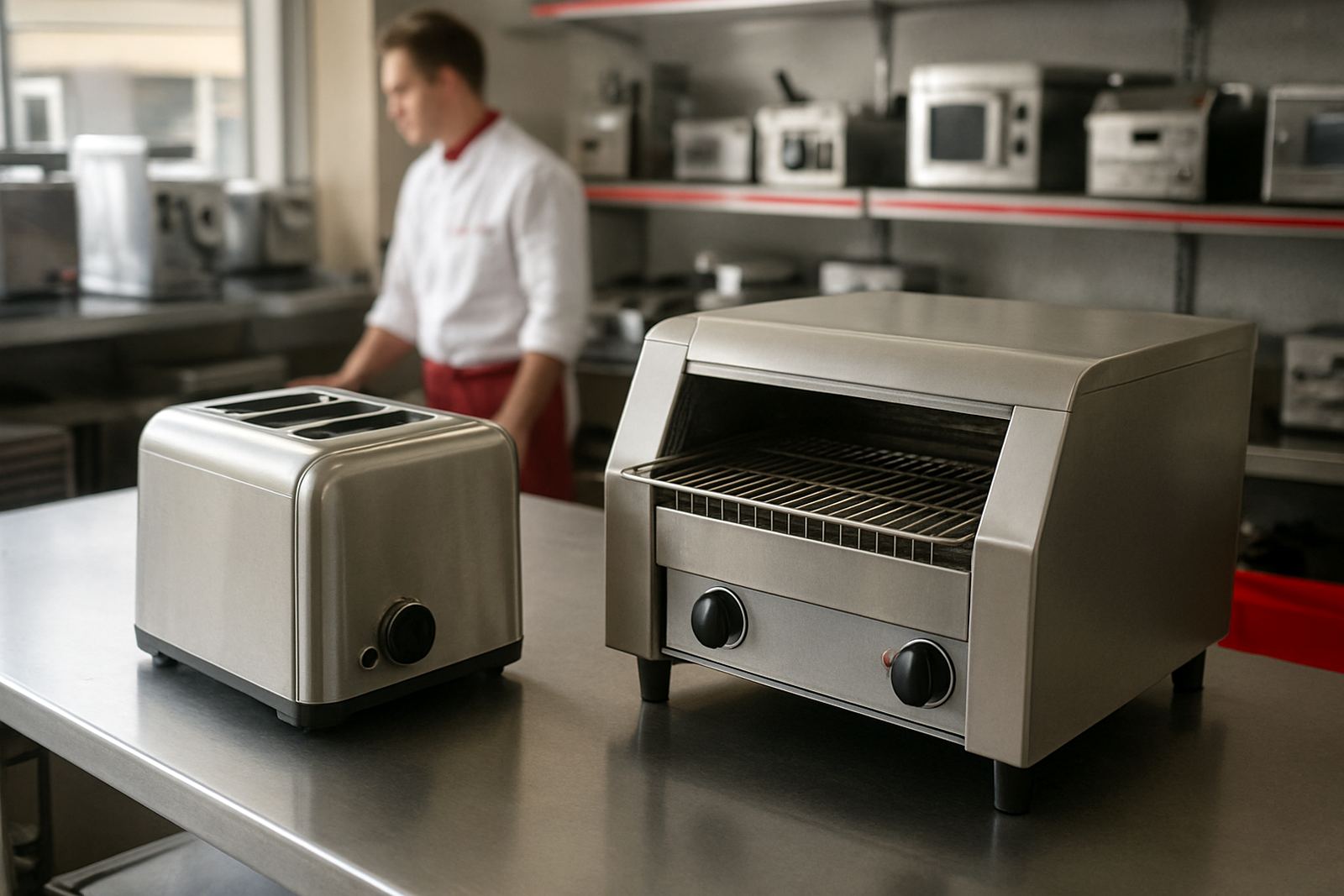
For light use, a compact 2 slice toaster may be enough for office kitchens, small guesthouses or staff rooms. For steady service, a 4 slice unit or a conveyor style toaster is usually more practical because it can keep moving through batches. If you are serving breakfasts from 20 to 80 people in a short window, speed matters more than saving a bit of counter space.
- Count peak breakfast covers, not average daily trade.
- Check whether toast is made to order or in batches.
- Allow for rush periods, school breaks and weekend spikes.
- Think about who will operate it and how often.
Pick the toaster style that suits the menu
Different toaster styles suit different service points. A pop up toaster is simple and neat for light use, while a conveyor toaster is better when you need a steady stream of toast and limited handling. Salamander style equipment can also be used for grilling or browning, but it is not the same as a basic bread toaster and should only be chosen if your menu needs that extra function.
If you serve sliced bread with eggs and bacon, a standard toaster may be enough. If you are doing toast for breakfast buffets in Centurion or Midrand, a conveyor unit saves time because staff can feed in slices and keep plating. For cafes, canteens and hotel kitchens, the right style is often the one that reduces queue time without wasting space.
- Pop up toaster: best for smaller volumes and simple service.
- Conveyor toaster: best for high output and fast breakfast runs.
- Heavy duty commercial toaster: good where toast is made throughout the day.
- Specialty browning units: use only if your menu needs extra finishing heat.
Measure the counter space and service flow
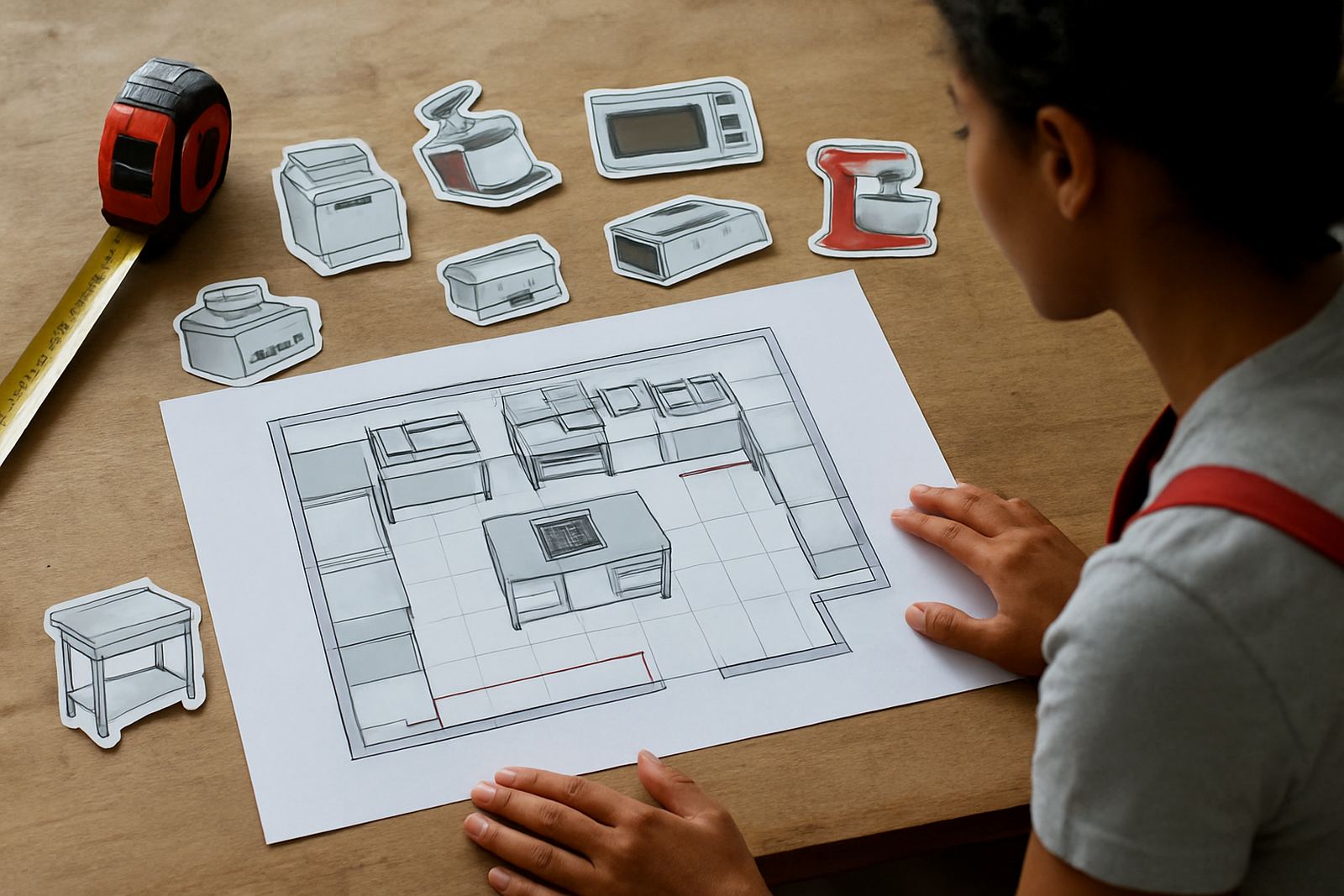
Many kitchens in Pretoria Central, Randburg and Boksburg have tight prep lines, so the footprint matters. Measure not only the base of the toaster but also the space needed to load bread, collect toast and clear crumbs safely. If the unit sits too close to a wall or hot equipment, it becomes awkward and slower to use.
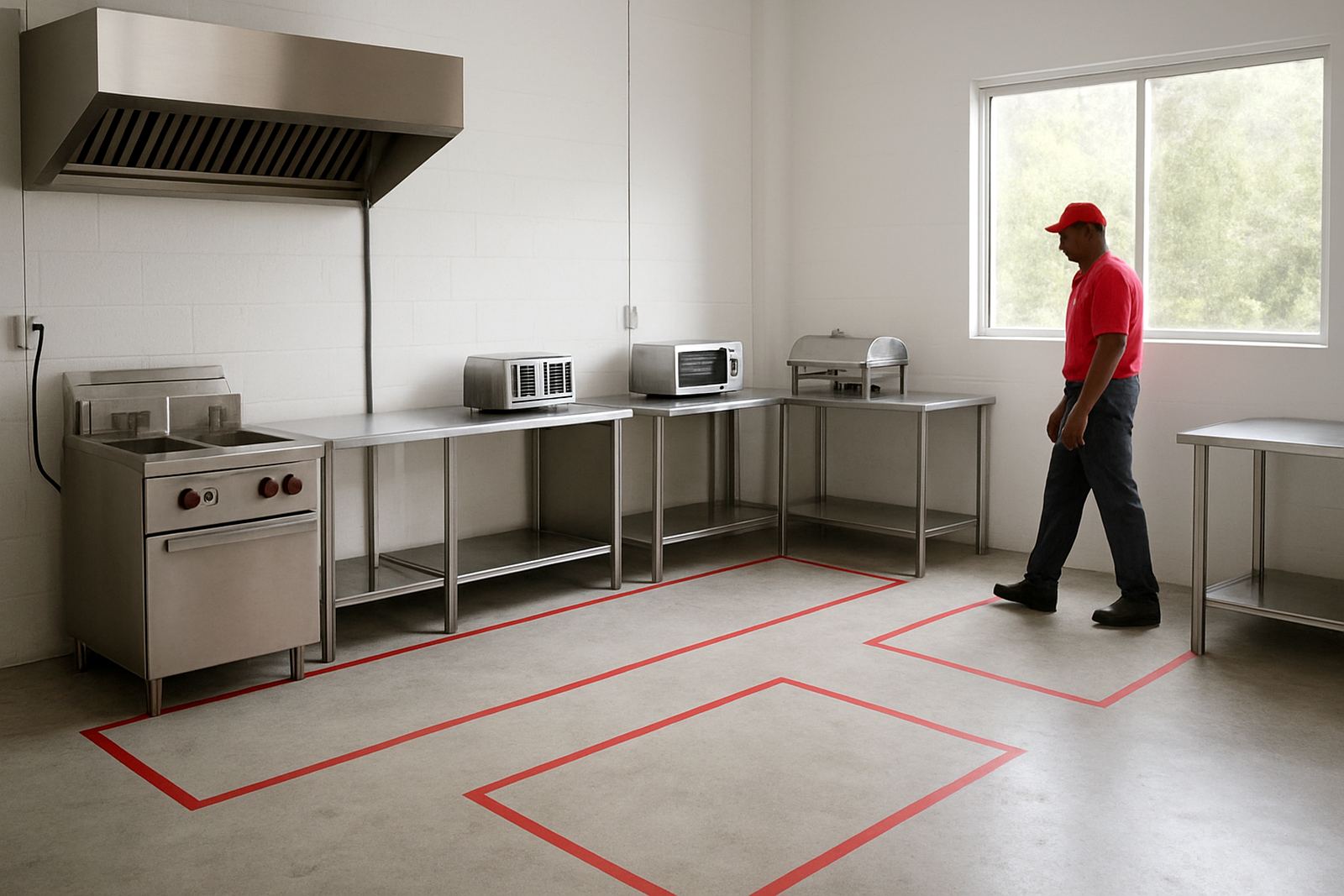
Leave room for plug points, ventilation and staff movement. In a narrow servery, a toaster that looks small on paper can still cause bottlenecks if bread stacks and buttering stations sit in the same spot. It is also worth checking whether the toaster will be used at a counter, in a back kitchen, or at a buffet line where customers may reach in too close.
- Measure width, depth and height before you buy.
- Allow space for trays, crumb removal and safe loading.
- Keep the unit away from water splashes and busy walkways.
- Plan the flow from bread storage to toasting to plating.
Check power supply, load-shedding and daily running costs
A toaster may seem straightforward, but power use still matters in Gauteng kitchens where many sites run on generators, inverters or limited circuits. Check the rated power draw and ask whether your supply can handle the toaster together with kettles, microwaves and fridges. A unit that trips the breaker every morning is bad for service and hard on staff.
If you have load-shedding backup, confirm the toaster will work properly on your backup system. Some equipment pulls too much current for small inverter setups, so it is better to match the appliance to the power available than to guess. For businesses in older buildings around Pretoria, this step avoids surprises after installation.
- Confirm voltage and plug type before ordering.
- Check whether backup power can handle start-up load.
- Ask how much power the unit uses during a busy breakfast service.
- Plan for a safe circuit with no overloading.
Look for the details that make service easier
The small details can make a big difference on a busy morning. Timers, heat controls, crumb trays and easy cleaning access all help staff keep the unit working without slowing service. In a humid area or near the coast, stainless surfaces and good cleaning routines also help reduce corrosion and keep the unit looking presentable.
Think about who will use the toaster every day. If new staff rotate often, a unit with simple controls is safer and quicker to train on. If the toaster will be used in a hotel or canteen, choose controls that make it easy to keep toast consistent from one shift to the next. A good unit should not need constant fiddling just to get the browning right.
- Easy crumb removal for daily cleaning.
- Clear controls that staff can learn fast.
- Durable body and fittings for commercial use.
- Even heating so slices do not burn on one side.
Used equipment, servicing and when to ask for a quote
Used equipment can be a practical option if you want to stretch your budget, but only if it has been checked properly. Look for clean heating elements, steady operation and no damaged wiring. A cheaper unit that breaks down in the first month costs more in the end, especially when breakfast trade depends on timing.
At Afchain Catering Equipment, we help with equipment quotes, site assessments, delivery and positioning, installation, preventive servicing and breakdown repairs. If you are reworking a kitchen in Silverton, Centurion or Kempton Park, we can also help with kitchen reconfiguration, handover training and workshop refurbishment. Send your requirements to quotes@afchain.co.za and include your site, daily volume and the type of toast service you want.
- Ask for a quote if you need new or used equipment options.
- Request a site assessment if counter space or power is tight.
- Book servicing before a busy season starts.
- Get training for staff who will use the toaster daily.