Start with the food you fry most often
Before you look at prices, write down what the fryer will do every day. A chip shop in Pretoria Central, a takeaway in Centurion or a canteen in Midrand will all need different output. A fryer for samoosas and crumbed snacks may only need short bursts, while a kitchen doing chips, chicken portions and fish needs steadier recovery between baskets. The wrong unit slows service, burns oil faster and leaves staff waiting at peak time.
Think about how many portions you push through in one hour, not only in one day. If your lunch rush runs for 90 minutes, the machine must hold temperature when baskets go in and out. That matters even more during load shedding when power returns and kitchens all switch on at once. A unit that recovers quickly saves time and keeps food colour even, which is what customers notice first.
- List your top 3 fried menu items.
- Estimate peak orders per hour.
- Check whether frying is constant or occasional.
- Note if you need chips only, or mixed menu production.
Choose tank size by batch, not by guesswork
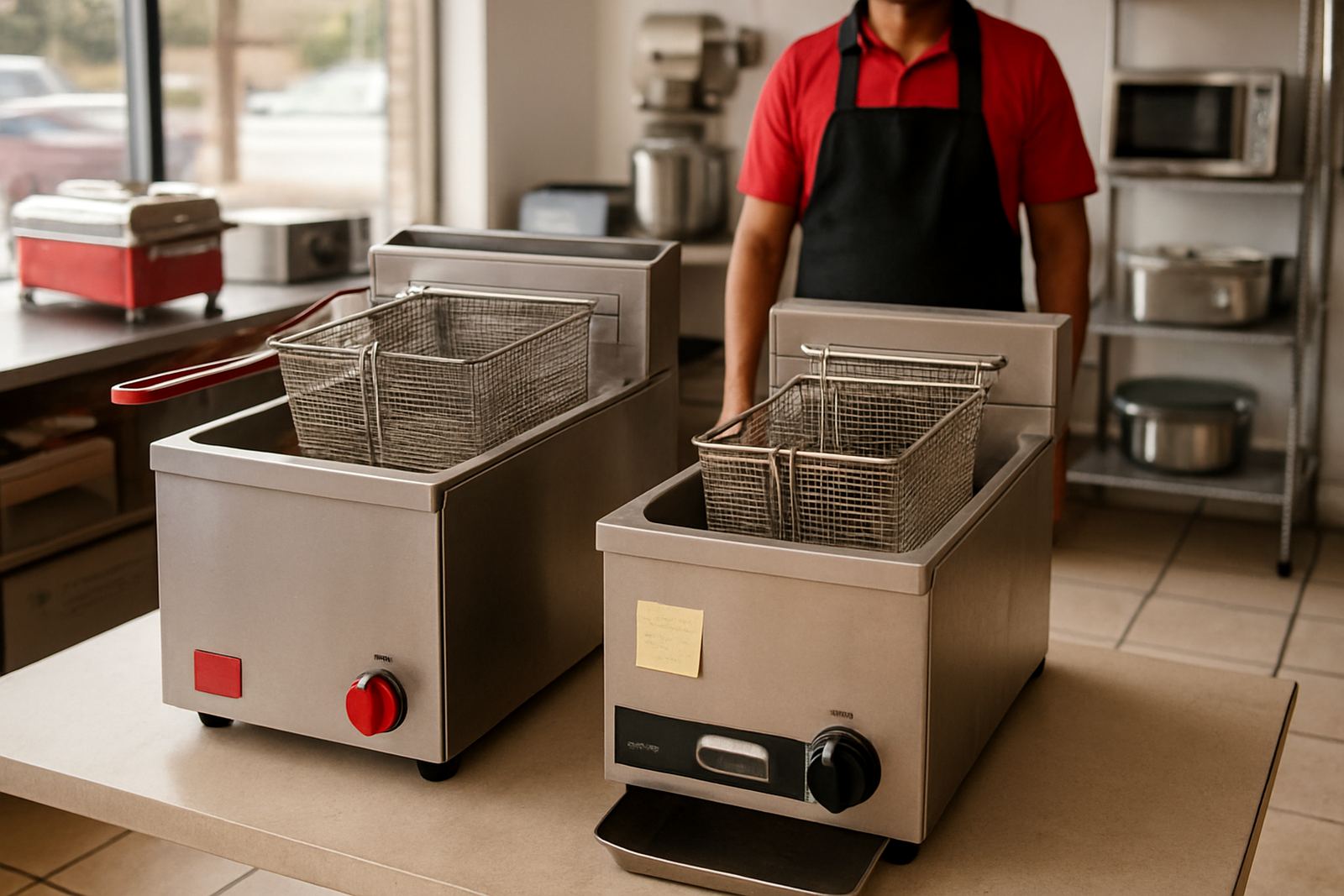
Tank size controls how much food you can drop at once and how much oil stays stable. Small countertop fryers suit light use, kiosks and test kitchens. Larger floor units suit bakeries, takeaways and restaurants with regular volume. A bigger tank is not always better though. If you fry small batches all day, too much oil can sit idle, take longer to heat and cost more to top up.
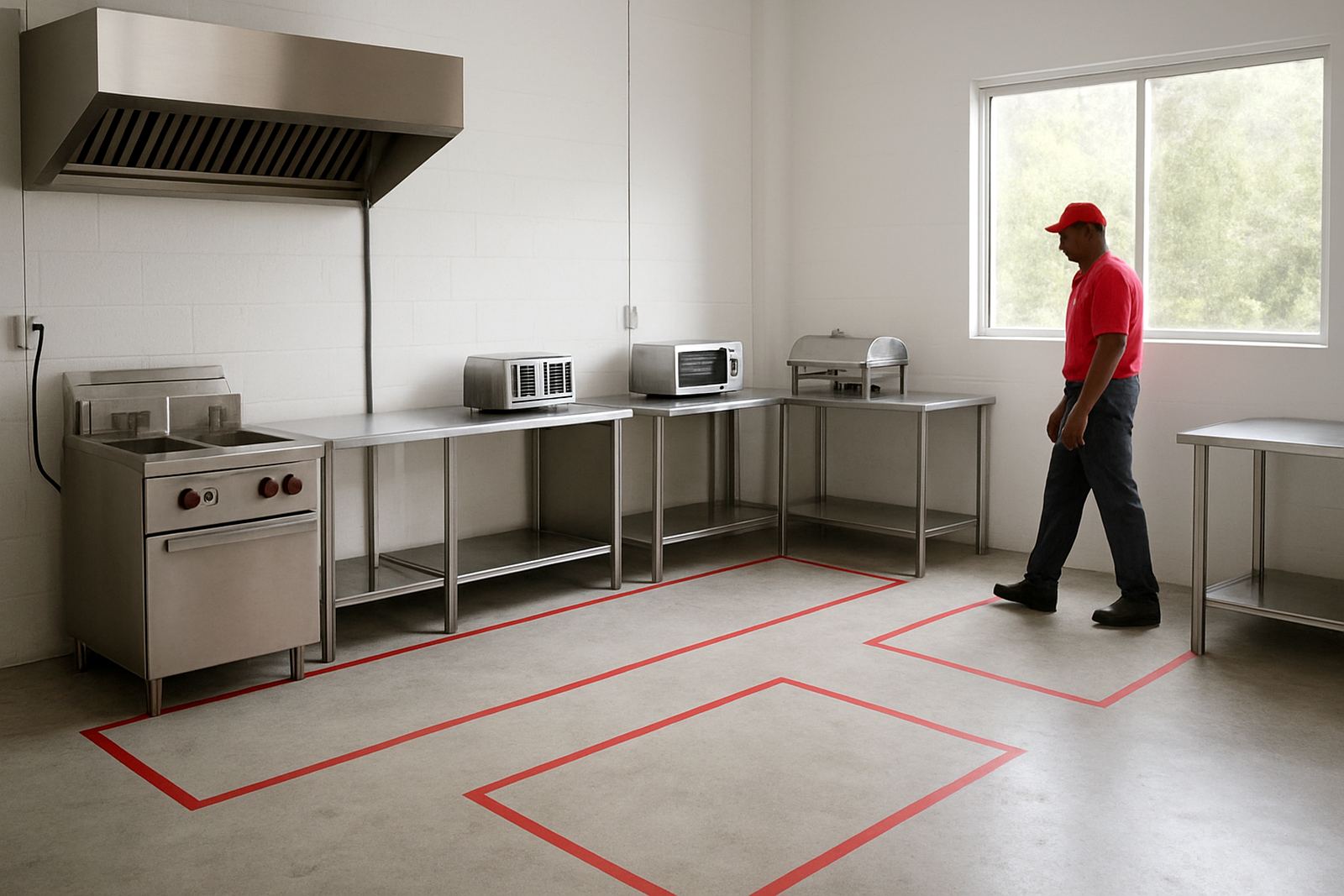
Look at basket size, oil capacity and the amount of space around the fryer for safe handling. In kitchens with narrow prep lines or municipal compliance limits, it helps to measure the footprint before you buy. Also check the depth of the tank. Shallow tanks are quicker to clean, but deep tanks can be better for items that need full submersion and even colour. If your team works fast, ask whether the fryer has a cold zone to catch crumbs and keep oil cleaner for longer. That one feature can make a big differnce over a month.
- Measure the available floor or counter space in millimetres.
- Check oil capacity against your average batch size.
- Ask how many baskets can cook at once.
- Confirm if the unit has a cold zone or drain point.
Check output, recovery and heat control
Output is not just about the number of baskets. It is about how fast the fryer gets back to temperature after each load. In busy Gauteng kitchens, recovery time can decide whether orders go out on time or sit in a queue. If the temperature drops too much after each batch, the food absorbs more oil and the colour goes uneven. That means more waste, more complaints and more strain on staff.
Ask for the heat source, power rating and temperature range. Electric units suit many indoor kitchens, but you must make sure the supply can handle the load. During power fluctuations, a smaller fryer may bounce back faster than a larger one. Gas units can work well where a kitchen wants quick heat-up and less pressure on the electrical board, but you still need proper ventilation and safe positioning. If you serve from 11:00 to 14:00 and again in the evening, the fryer should hold stable heat through both peaks.
- Ask how long the fryer takes to recover after a full basket.
- Check whether temperature control is mechanical or digital.
- Confirm the supply size needed for the site.
- Make sure ventilation and clearances are suitable for the room.
Plan for cleaning, oil life and daily servicing
Cleaning is where many kitchens lose time. If the fryer is awkward to drain, hard to lift or packed too tightly into the line, staff will skip the proper routine and the oil will break down quicker. Look for smooth inner surfaces, removable baskets and a drain system that lets you empty oil safely. In a humid area or a kitchen close to the coast, poor cleaning can also lead to faster corrosion and sticky build-up on fittings.
Ask how often parts need inspection and which items can be serviced on site. A good fryer should support regular preventive servicing, not only breakdown repairs. That includes checking thermostats, burners or elements, basket hooks and seals. If your outlet in Boksburg or Randburg runs every day, schedule cleaning and servicing so the fryer does not become a weak point in the kitchen. It is cheaper to replace a worn seal than to lose a whole lunch run.
- Confirm how the oil drains and where it drains to.
- Check if baskets, lids and trays remove easily.
- Ask what routine servicing is needed every month.
- Look for signs that the unit can be cleaned by one person safely.
Decide whether new or used equipment suits the job
Used equipment can make good sense if the fryer is sound, the tank is clean and the service history is known. It works well for start-ups, overflow cooking and kitchens that want to keep costs down while they test trading levels. A pre-owned fryer should still be checked for heating consistency, basket wear, seals and any leaks. If the price looks too good, check why. A unit that was overworked in a hotel kitchen may need workshop attention before it is fit for daily use.
New equipment gives you a fresh start and easier planning around warranties, installation and training. If you are fitting out a new kitchen in Pretoria, Centurion or Kempton Park, a site assessment helps you match the fryer to the room, the power supply and the workflow. That also helps when you need kitchen reconfiguration or positioning next to other hot equipment.
- Ask for a written quote with the exact model and size.
- Check service history on any used fryer.
- Confirm if delivery, positioning and installation are included.
- Consider workshop refurbishment if the unit needs minor repair.
Use this quick fryer checklist before you buy
A fryer should fit your menu, your staff and your budget. If you take a practical approach from the start, the machine will work harder for you and cause fewer headaches. Before placing the order, check the site, compare options and speak to someone who can explain what suits your kitchen rather than only selling the biggest unit. That simple step saves money over time, especially when power bills and oil costs are already high.
Afchain Catering Equipment in Silverton, Pretoria supplies fryers, toasters, mixers, microwaves, chafing dishes and used equipment, with quotes, servicing and installation support across Pretoria Central, Centurion, Midrand, Kempton Park, Boksburg and Randburg. If you need help choosing the right fryer for a new kitchen or a replacement on an existing line, ask for a site assessment and a clear quote before you commit.
- Menu and daily volume confirmed
- Tank size measured against batch needs
- Power supply or gas supply checked
- Cleaning and servicing plan in place
- Delivery and positioning arranged
- Training for staff on first use