Start with the menu not the shopping list
The quickest way to overspend is to buy equipment before the menu is clear. A takeaway kitchen in Pretoria Central will need a different setup from a lunch service in Centurion or a small canteen in Midrand. Write down what you will actually sell in the first 3 months, then match each item to a piece of equipment. If you are making toasted sandwiches, burgers and chips, you need a fryer, toaster and holding space. If you are doing breakfasts and light lunches, a mixer, microwave and chafing dishes may come first.
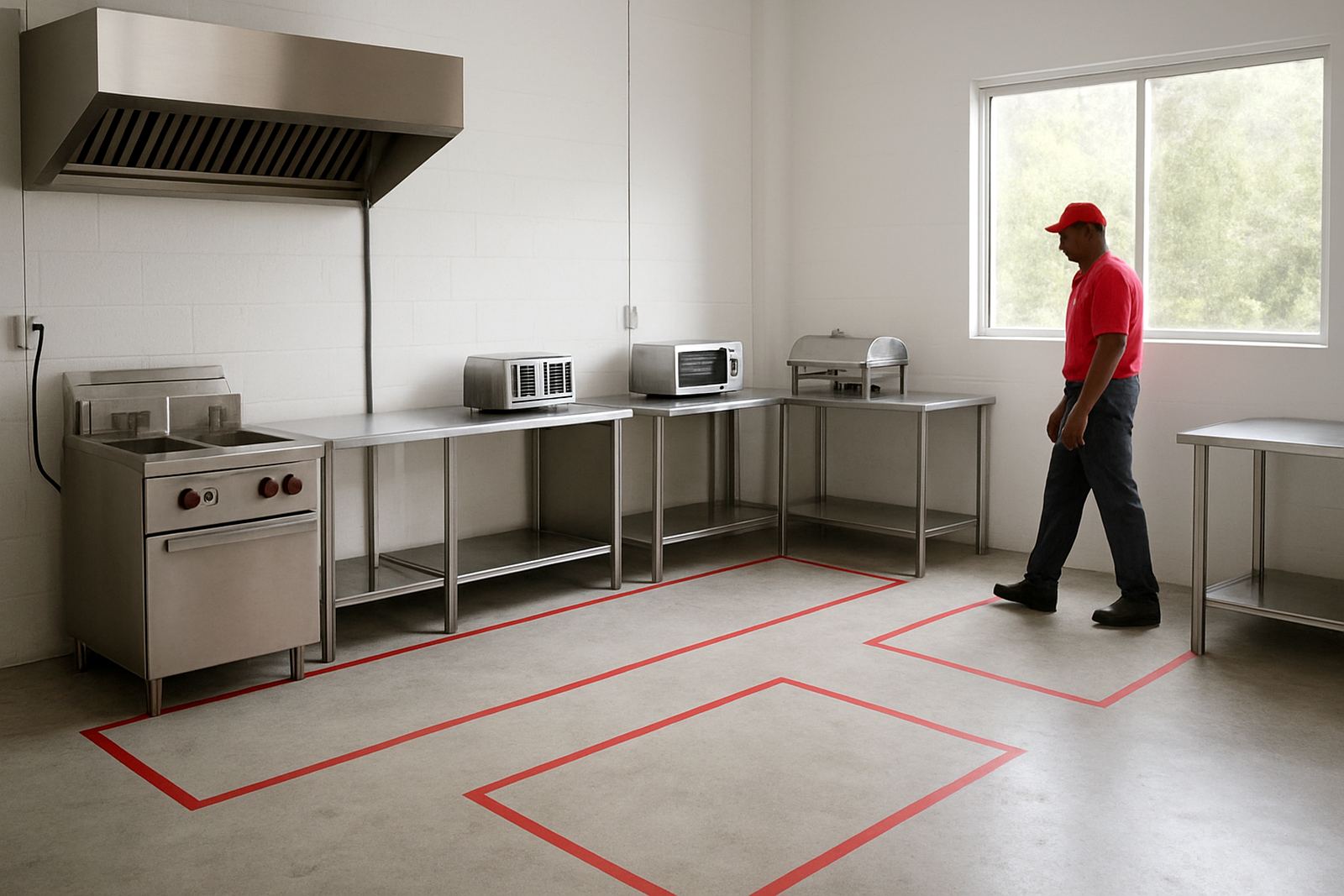
Keep the first list tight. You do not need every item on day one, only the items that let you trade safely and consistently. Think in terms of production, holding, washing up and service flow. If staff must cross the kitchen twice to get one order out, the layout needs work before you add more machines.
Budget in three layers so cash flow stays calm
Split your spending into three layers. First is the must-have list, second is the near-term upgrade list, and third is the future wish list. This helps when a landlord asks for fitout details or when you are comparing quotes from different suppliers. It also keeps you from putting all your money into one machine while forgetting extraction, tables or power points.
- Must-have: core cooking, holding and basic prep equipment to open.
- Near-term: items that improve speed, consistency or menu range within 3 to 6 months.
- Future: extra capacity, backup units and specialist equipment for growth.
A first kitchen usually opens lean. That is not a weakness, it is good control. When you phase your buying, you can test sales before committing to bigger stock or a second fryer.
Use quotes to compare more than just price
A proper quote should show the equipment name, capacity, power needs, delivery charges and whether installation or positioning is included. If one quote is lower but leaves out service or setup, it may cost more later. Ask for like-for-like comparisons so you can see what is really included. For first-time buyers in Gauteng, that is often the difference between a smooth opening and a week of stoppages.
When you request quotes, send the same details to each supplier: menu, daily covers, available space, phase of opening and whether the site has single-phase or three-phase power. The more detail you give, the better the advice you get. It also reduces back-and-forth and helps the supplier recommend suitable sizes rather than overselling.
- Ask for capacity in litres, trays, pans or portions.
- Confirm voltage, amperage and plug requirements.
- Check if delivery, installation and handover training are included.
- Ask about servicing and spare parts for the first 12 months.
Check the site before you buy the equipment
A first kitchen should be measured properly before you commit to anything. Check door widths, corridor turns, ceiling height, floor drainage and the position of electrical points. In older buildings around Pretoria Central or Randburg, access can be tight and service routes are not always where you expect them. In wet coastal conditions you would plan differently, but in Gauteng the main issues are often heat, dust and load-shedding. Both can affect how you lay out fryers, toasters and mixers.
A site assessment also helps you avoid buying something that cannot be moved into place or serviced later. Leave enough space for cleaning around equipment and for opening lids, doors and drawers. If a technician cannot reach the back of a unit, future servicing becomes harder and more expensive.
Buy used equipment carefully and know where it fits
Used equipment can stretch a first budget, but only if it is chosen properly. It works best for items that are simple, well-maintained and easy to service. A used fryer or mixer may make sense if the unit has been checked, cleaned and tested. A heavily worn machine with a tired motor or damaged controls can end up costing more than new stock.
Ask where the unit came from, what was repaired and whether it has been tested under load. Look for rust, burnt wiring, worn seals and missing fittings. If the kitchen is in Silverton, Kempton Park or Boksburg and you want to open quickly, used equipment can help you get trading, but do not let a cheap price hide a long repair list.
Plan for power cuts, service and day to day wear
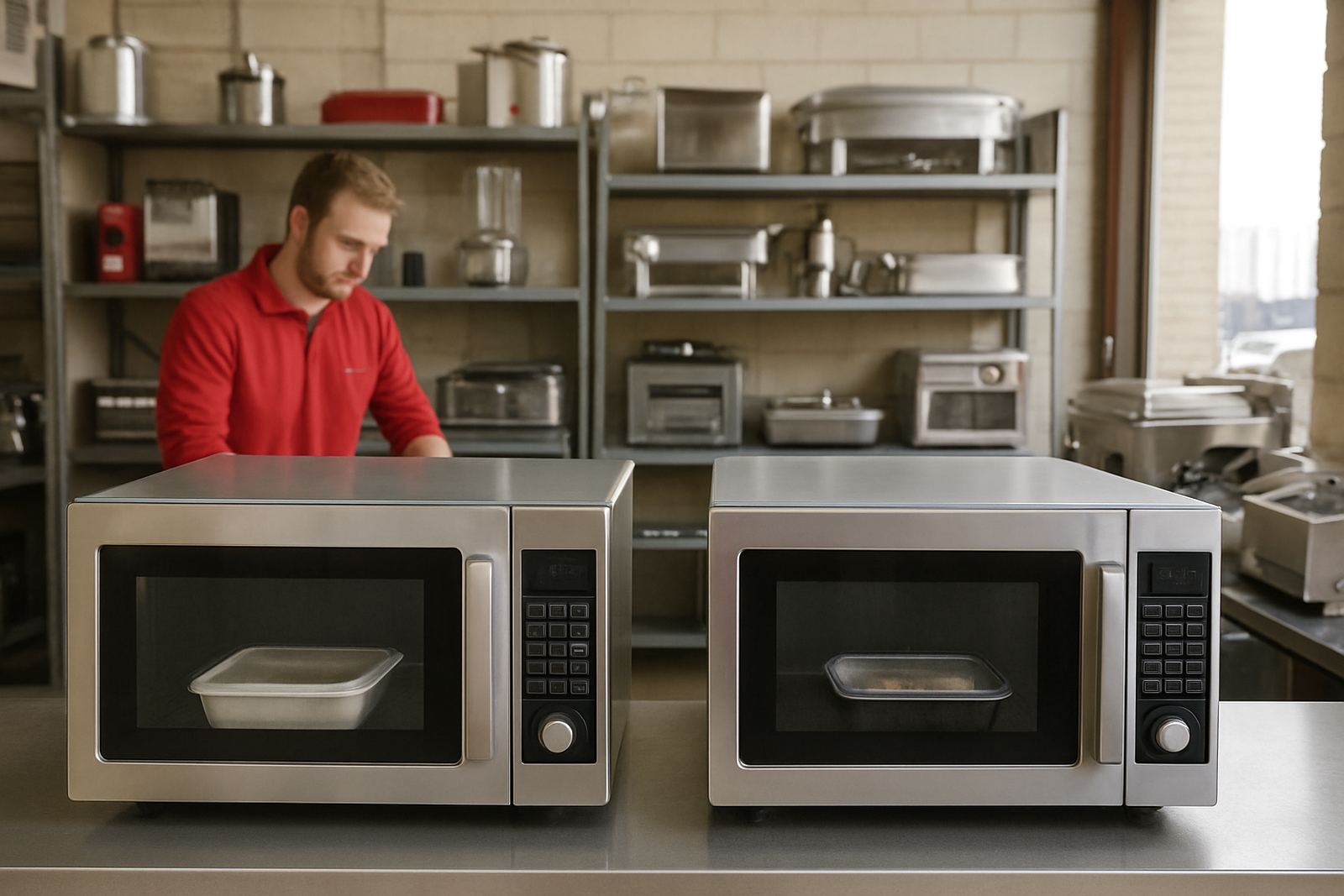
First kitchens often forget the hidden costs. You need a plan for load-shedding, cleaning chemicals, filters, cleaning cloths, gas if applicable and basic maintenance. A microwave that works well in the morning but trips the supply at peak time can hold up the whole service. The same applies to fryers that are not cleaned regularly or mixers with worn parts.
Set aside money for preventive servicing from the start. Even a small service plan can reduce breakdowns and help you budget instead of reacting to emergency calls. In Johannesburg and Pretoria, where service times matter, it is better to maintain equipment before it stops rather than wait for a full failure.
- Allow a maintenance reserve in your opening budget.
- Keep a record of power ratings and service dates.
- Train staff to switch off, clean and reset equipment correctly.
- Keep one backup method for cooking or holding critical items.
A simple opening checklist for the first 90 days
Use a short checklist so nothing gets missed. The aim is not to build the perfect kitchen immediately, but to open safely and improve in stages. For many start-ups, the first 90 days reveal which machines are doing the hard work and which items can wait. That makes later buying much more accurate.
Checklist: confirm menu and daily output, measure the site, request quotes, compare power requirements, arrange delivery and positioning, book installation, train staff, plan servicing and review what to add next. If you are moving between Pretoria Central, Centurion or Midrand sites, keep the same checklist each time so the setup process stays consistent.
Once the kitchen is trading, review sales and workflow after the first month. You may find that one extra toaster saves time, or that a second fryer should wait until turnover improves. That is the value of budgeting properly: you keep control while the business grows.