Start with the equipment list and where each item will go
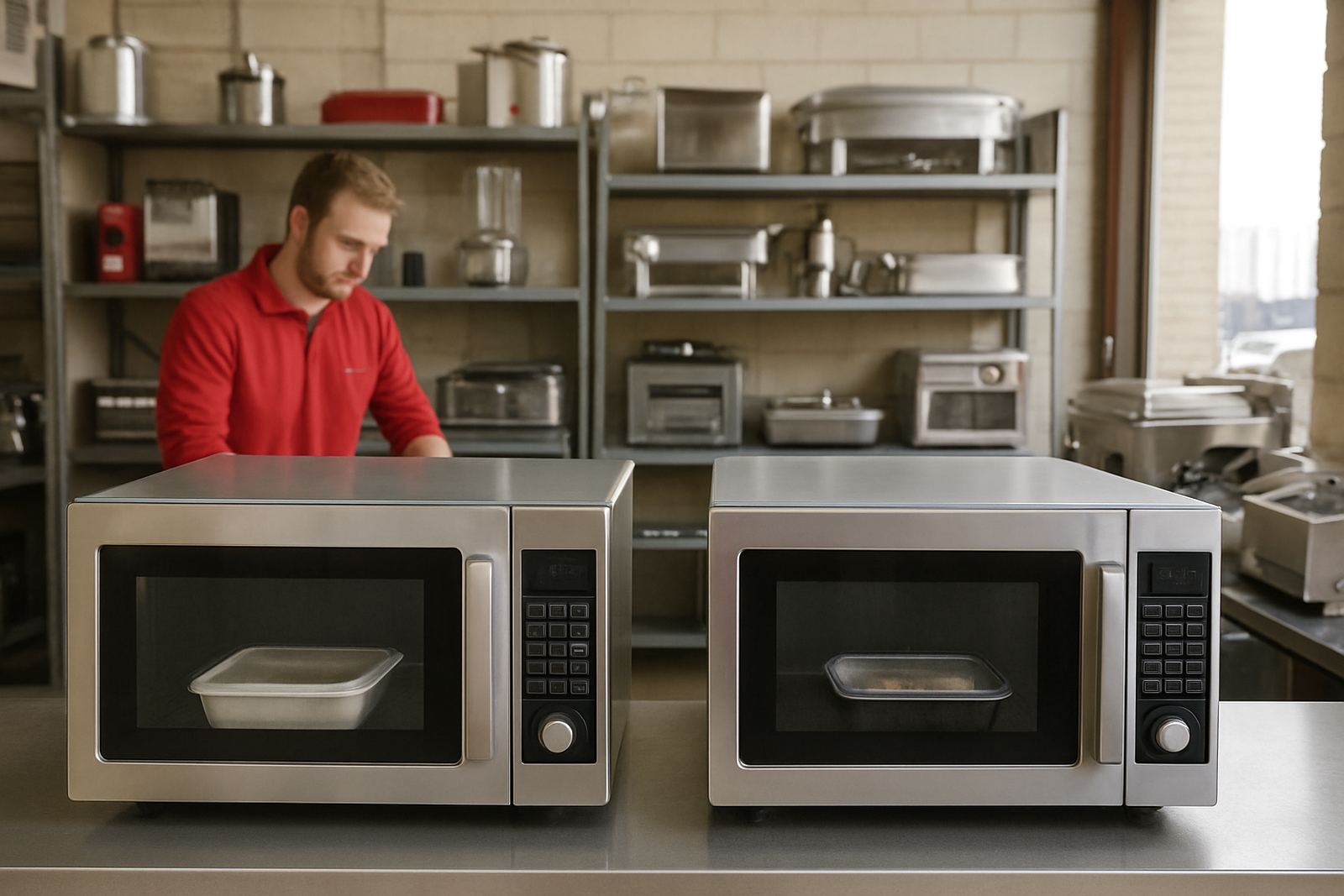
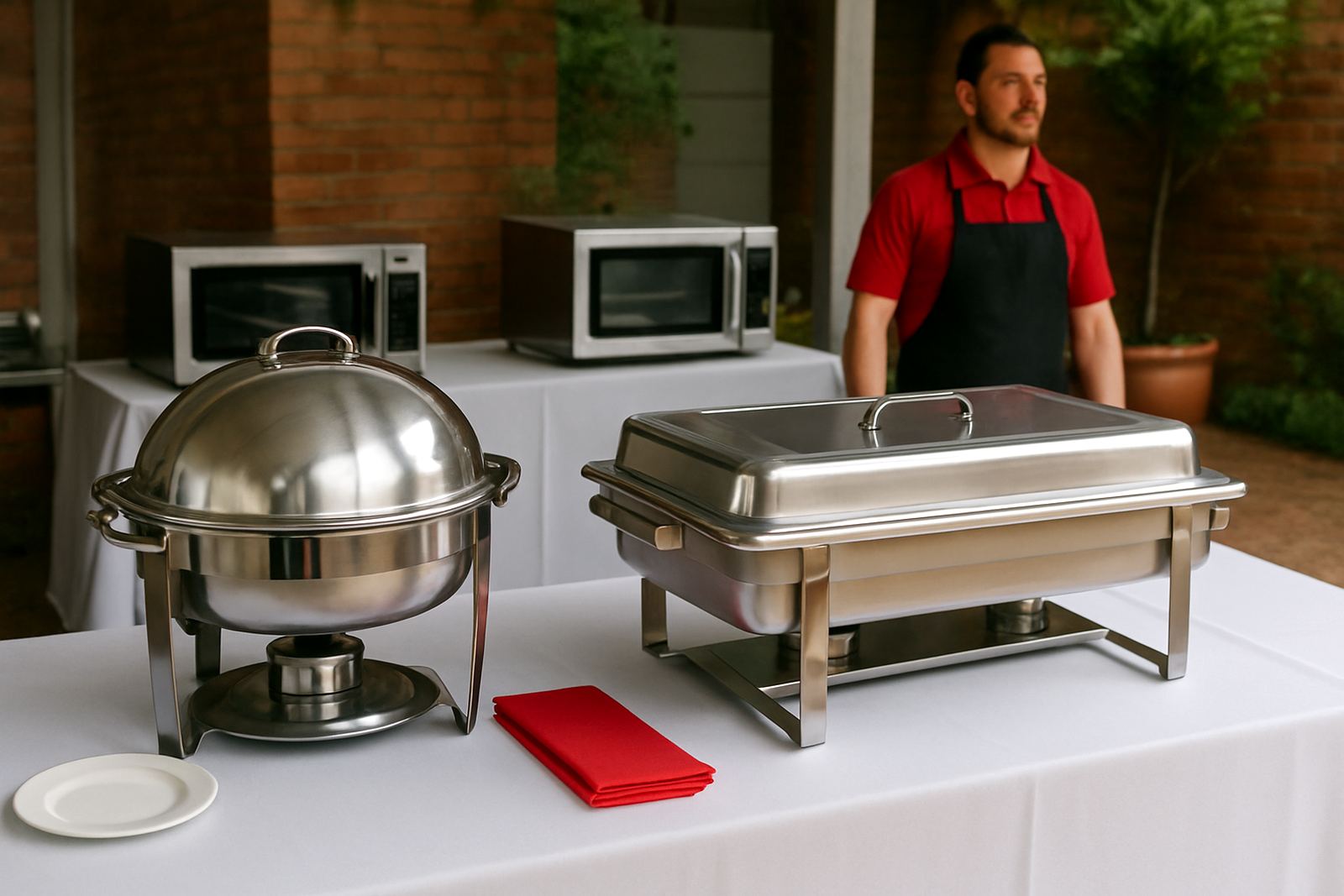
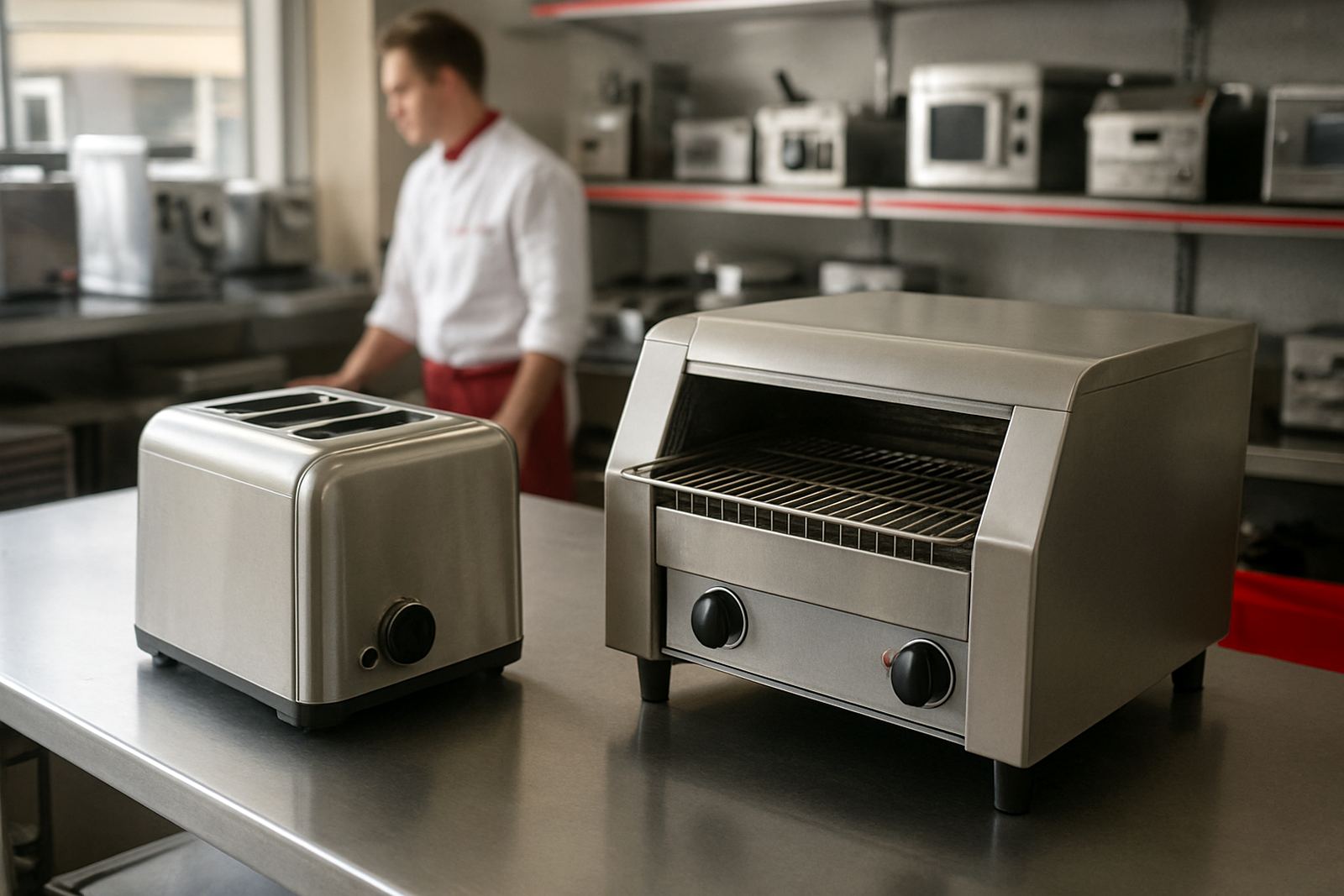
The first step is simple: list every item you want to run in the kitchen, prep area, or serving point. A single fryer on its own may be manageable, but two fryers, a toaster, a microwave and a mixer on the same line can change the whole electrical layout. We need to know what is going in, where it will stand, and whether it is for daily service, peak trading, or both.
For each item, note the model if you have it, the quantity, and the area it will serve. In Pretoria Central and Centurion, for example, many kitchens work from older boards with limited spare capacity. In Midrand, Randburg and Boksburg, we often see mixed setups where some points were added later and not all are clearly marked. A basic sketch is enough, even if it is hand drawn.
- Name each item: fryer, toaster, mixer, microwave, chafing dish or other.
- Count how many units are needed.
- Show where each unit will sit in the kitchen or servery.
- Mark whether the unit is new, used, or being moved from another site.
Check the supply at the meter board and on the old label plates
To estimate power correctly, we need the supply details from the site. This usually means checking the meter board, distribution board, or the electrical board label. If the board is old, send a photo of the main switch, breakers, and any warning labels. If you can see the rating on the incoming supply, that helps us a lot. In many older premises the figures are faded, or the board has been altered over time, so clear photos are best.
Look at the label plates on each machine too. Most equipment has the voltage, current, and sometimes the phase marked on a plate near the back, side or base. If the plate is missing, we can still work with other details, but the estimate may need a site assessment. For locations with load-shedding backup, tell us if the kitchen runs on inverter, generator, or solar support, because that changes the planning. Don't guess here, a wrong reading can mean a breaker trips the first day.
- Main supply type: single-phase or three-phase.
- Breaker size and spare ways on the board.
- Any backup supply such as generator or inverter.
- Photos of label plates on each appliance.
Work out the practical load before you place the order
Once we know the equipment list and the supply details, we can check whether the site can handle the load. This is not only about watts or amps. We also look at how equipment starts up, how long it runs, and whether several items switch on at the same time. A kitchen may cope during prep but trip during a lunch rush if too much is used together.
As a rule, high heat equipment such as fryers and toasters should be spaced out on the supply where possible. Microwaves and mixers can often fit in lighter circuits, but that depends on the exact machine and the site. If you are reconfiguring a kitchen, tell us where the prep counter, hot line and wash-up area are going. It helps us plan the sockets and cable routes before any drilling starts.
We also check for local issues like coastal humidity in places that receive units from Pretoria or Gauteng to other provinces, because corrosion can affect connections and exposed fittings over time. For used equipment, the condition of the element, plug, cable and switchgear matters as much as the load itself.
Use this checklist before requesting a quote
A complete quote depends on more than the machine price. We need the site details, the power details, and the practical access details. If a site assessment is needed, this checklist gives us the basics before we come out to Silverton, Pretoria Central, Kempton Park or any nearby area.
- Physical address and suburb.
- Contact person and phone number on site.
- Photos of the kitchen area and electrical board.
- Door width, corridor width and any stairs or tight turns.
- Any water, gas, or ventilation work that may affect positioning.
- Preferred delivery date and trading hours.
- Whether old equipment must be removed first.
When these details are sent early, we can prepare a cleaner quote and avoid extra trips. It also helps with delivery and positioning, especially where access is limited or the kitchen is already fitted out. If the site is busy, tell us the quiet time so we can plan around service hours and avoid disrupting trade.
When a site assessment is the safer option
Some jobs can be quoted from photos and a list. Others need a proper site assessment, especially when the electrical supply is not clear, the kitchen is being changed, or the equipment mix is heavy. If the board is old, the building is split into several rooms, or the client wants new equipment and used equipment together, a visit can save time and rework. It also gives us a chance to check whether the current layout suits the workflow.
We often see kitchens where the sockets are too far from the work point, or where a new fryer would sit too close to a wall or an exit path. In those cases, we may suggest a small kitchen reconfiguration, a move of a socket position, or a different placement for the machine. That is often easier than forcing equipment into the wrong spot and dealing with issues later.
For Gauteng sites with frequent breakdowns, preventive servicing can be added to the plan at the same time. That way the equipment is checked, handed over properly, and explained to the staff who will use it day to day.
Send the right information and we can quote faster
The fastest way to get a useful estimate is to send us one message with the main facts. Include your equipment list, site address, clear photos, and any power details you already have. If the board label is hard to read, send the photo anyway. We can often work it out from the layout and the appliance ratings.
Our team in Silverton handles equipment quotes, used equipment sourcing, servicing, installation and workshop refurbishment. That means we can help from the first estimate through to delivery and handover training. If something is unclear, we will ask for the missing detail rather than pushing through on guesswork. That saves the client time and keeps the job neater.
For restaurants, canteens, schools and takeaways around Pretoria, Centurion, Midrand, Kempton Park, Boksburg and Randburg, a clear power estimate is the starting point for a working kitchen. It is a simple step, but it makes the rest of the job much easier.