What a 20L planetary mixer does in the kitchen
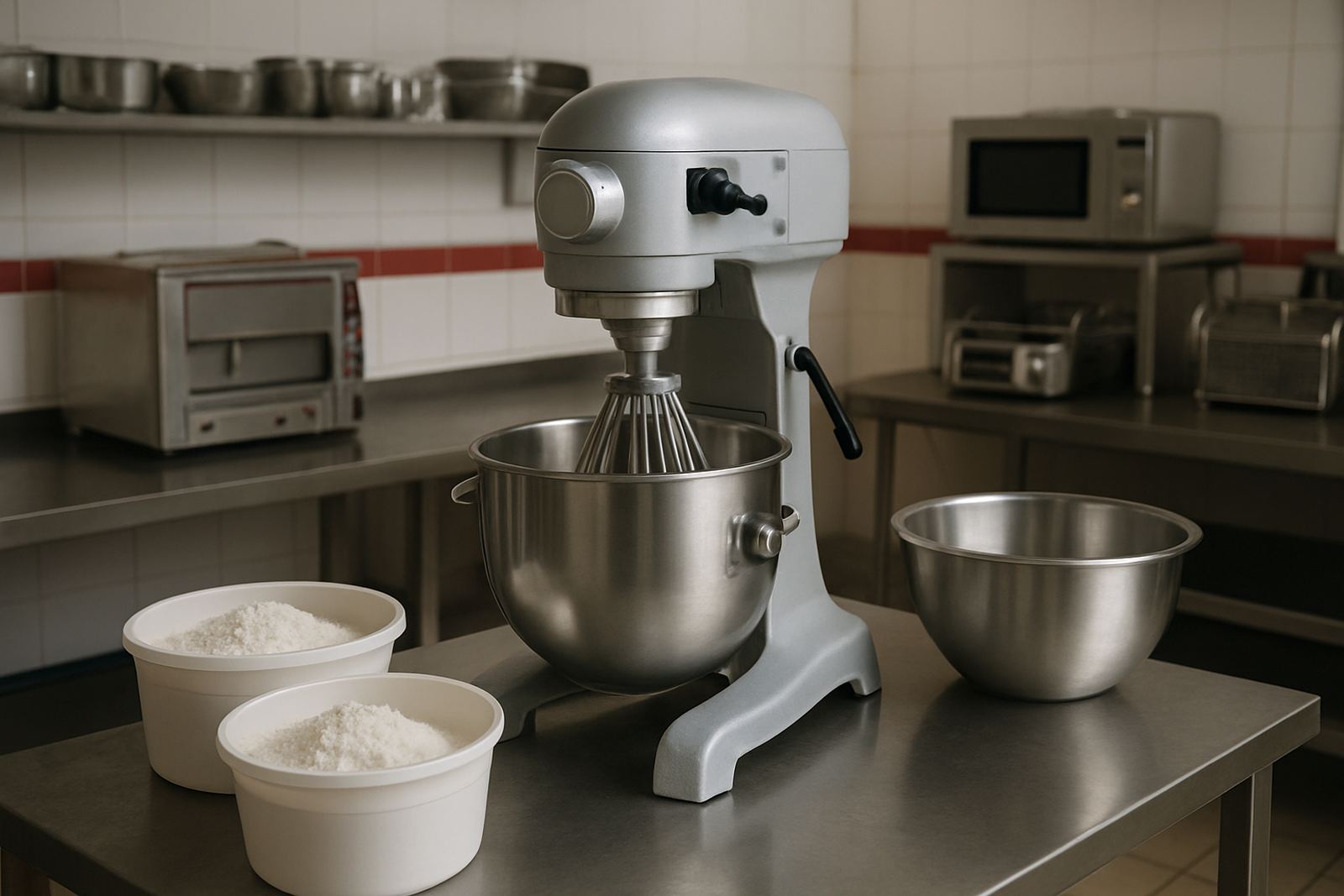
A planetary mixer works with one bowl while the mixing attachment moves around the bowl and on its own axis. That motion gives a more even mix than a basic hand mixer, which matters when you need consistent batter texture or dough development from one batch to the next. A 20 litre bowl size is a useful middle ground for smaller production kitchens that need decent output but still want a bench unit that fits on a strong prep counter.
These mixers are commonly used for cake batters, sponge mixes, icings, whipped cream, mashed potato, pastry fillings and lighter doughs. For thicker bread doughs, the motor rating and gear setup need to be checked properly, because not every 20L machine is meant for long kneading cycles. In South African kitchens where power cuts and voltage dips still happen, a mixer with a proper industrial motor and simple controls is often easier to keep running day after day.
Typical sizes, bowl sets and speed options
Although the bowl capacity is 20 litres, the useful batch size depends on what you are making. A lightly aerated batter can fill the bowl very differently from a dense dough. When ordering, it helps to look at the working capacity rather than the headline capacity only, because overfilling causes poor mixing and puts strain on the motor. In practice, many kitchens use the mixer best at around 30 to 70 percent of bowl volume, depending on the product.
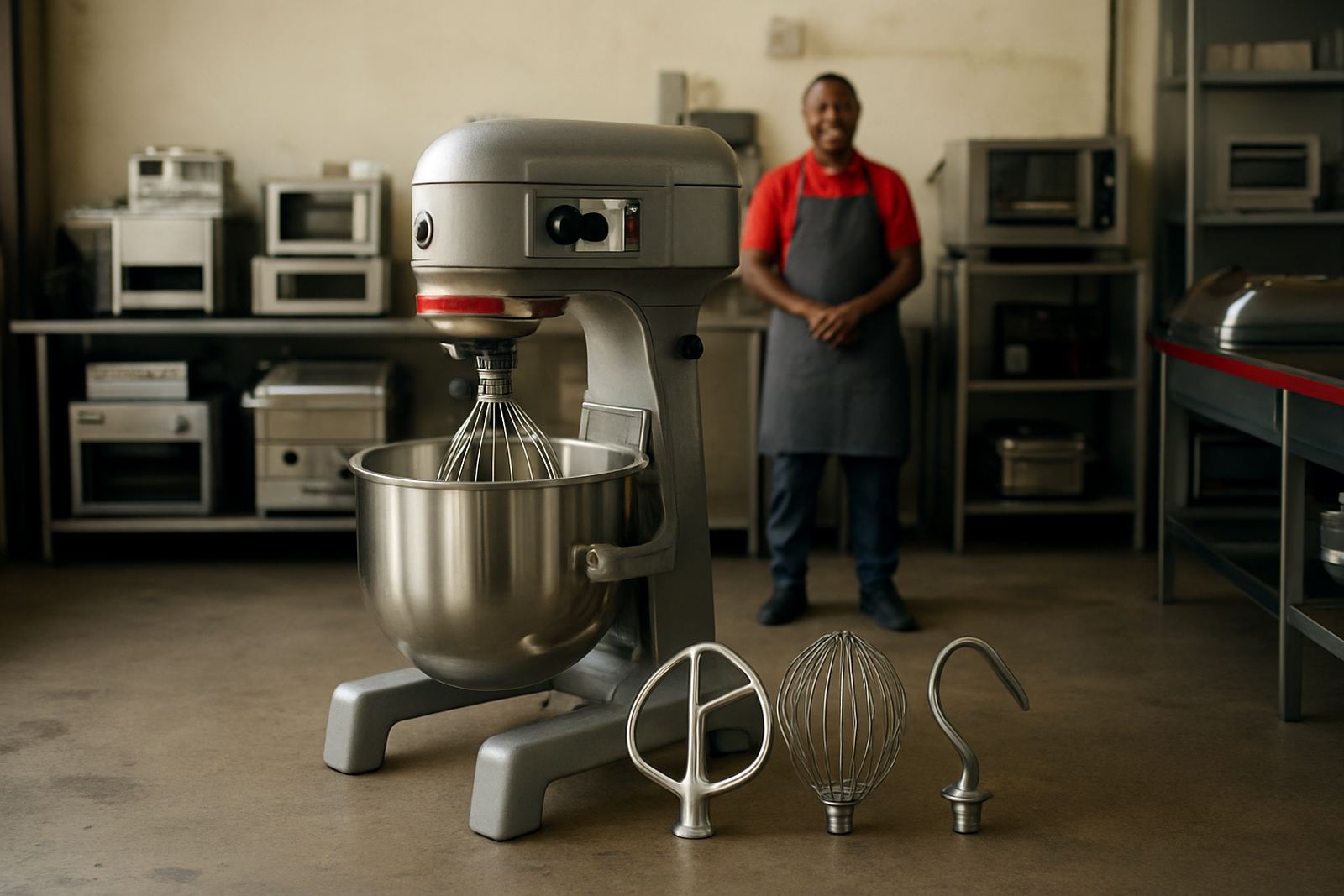
Most 20L mixers are supplied with a stainless steel bowl and a set of tools for different applications. Some units have fixed speeds, while others offer multiple speeds for slow mixing, medium blending and high speed whipping. If you are preparing both cake mix and heavier fillings, a multi-speed unit gives you more control. For a small bakery in Pretoria Central or a café kitchen in Centurion, that extra control can save time and reduce wasted batches.
- 20 litre stainless steel bowl
- Dough hook for heavier mixes
- Flat beater for batters and fillings
- Wire whisk for whipping and aerating
- 1, 2 or 3 speed options depending on the model
Where this mixer suits best in Gauteng kitchens
The 20L size is a good fit where floor space is limited but output still matters. It works well in school feeding kitchens, guesthouse prep areas, bakery back rooms, church kitchens, restaurant prep lines and community catering spaces. If your operation is in Midrand, Randburg, Boksburg or Kempton Park, and you need equipment that can sit on a strong stainless or masonry counter, this size is often the right balance between capacity and footprint.
It is also a practical choice for businesses that do not want to bring in large floor-standing machinery for moderate daily volumes. Smaller operations often need to mix before breakfast service, before lunch packs or before an event load-out, so the machine must be quick to start, easy to clean and simple for staff to use. A 20L planetary mixer handles those day-to-day jobs without taking over the whole kitchen.
- Cafés and bakeries
- School and hostel kitchens
- Event and catering prep rooms
- Hotel satellite kitchens
- Butchery and deli prep areas
Power supply, positioning and installation checks
Most bench planetary mixers run on standard electrical supply, but the exact voltage and plug arrangement must be confirmed before ordering. In South Africa, kitchens often have mixed socket layouts and shared circuits, so it is important to check that the point where the mixer will sit can handle the load without tripping when other appliances are running. If the kitchen already struggles during peak hours or load-shedding recovery, a proper assessment saves trouble later.
Installation is usually straightforward, but the unit must stand level on a solid surface. If the mixer is placed near ovens, fryers or steamers, heat and moisture can shorten the life of switches, belts and bearings. In coastal conditions or humid kitchens, stainless parts need regular wiping and the machine should not sit where water runs across the counter. We also check access for delivery, positioning and safe operator movement around the bowl, because a cramped prep area leads to mistakes and injuries.
- Confirm voltage and plug type before supply
- Use a firm, level bench capable of supporting the machine
- Leave space for bowl lift, attachment change and cleaning
- Keep away from direct steam and excessive heat
- Check nearby circuit loading if other equipment is on the same line
Care, cleaning and servicing that keep the mixer working
Regular care matters more than most kitchens realise. The bowl and tools should be cleaned after each shift, then dried before storage. Flour dust, batter splashes and sugar build-up get into moving parts if the machine is left dirty, and that shortens the life of the bearings and controls. A quick wipe-down is not enough on its own if the mixer is used daily, especially in busy production kitchens where staff may be rushing between orders.
Preventive servicing should include checking the attachment movement, bowl locking, guard operation, belts, grease points and electrical connections. If the mixer starts sounding rough, losing speed under load or showing unusual vibration, it should be looked at before the fault spreads. We handle servicing and breakdown repairs, and we can also source used equipment where a lower-cost backup unit makes sense. For kitchens in Pretoria, Silverton and the surrounding Gauteng areas, that support is often the difference between finishing production and falling behind.
- Clean bowl and tools after every use
- Inspect guard, bowl lock and switch operation weekly
- Book preventive servicing before peak season
- Watch for noise, vibration or slow mixing under load
What to check before you place the order
Before ordering a 20L planetary mixer, it helps to know exactly what products will be mixed, how often the machine will run, and who will be using it. A bakery making cake batter all day has different needs from a restaurant that only whips fillings a few times a shift. Ask for a quote that lists the bowl size, speeds, attachments, motor details and warranty terms so the unit matches the job.
You should also confirm delivery access, bench height and whether any kitchen reconfiguration is needed. If the mixer has to pass through narrow doors, up stairs or into a back prep room, that should be checked during the site assessment. For kitchens that expect growth, it may be worth planning space for a second mixer or extra used equipment later on. Getting these details right upfront avoids delays and wasted spend, which is what most operators want when budgets are already tight.
- What products will be mixed most often
- Required batch size per shift
- Electrical supply and socket location
- Available counter space and access route
- Need for installation, training or servicing support
Key facts
| Bowl capacity | 20 litres |
|---|---|
| Machine type | Bench planetary mixer |
| Main uses | Doughs, batters, fillings and whipped products |
| Typical construction | Stainless steel bowl and mixing tools |
| Power | Electric supply, confirm voltage on quotation |
| Best fit | Smaller production kitchens and prep rooms |