What a warm display cabinet does at the counter
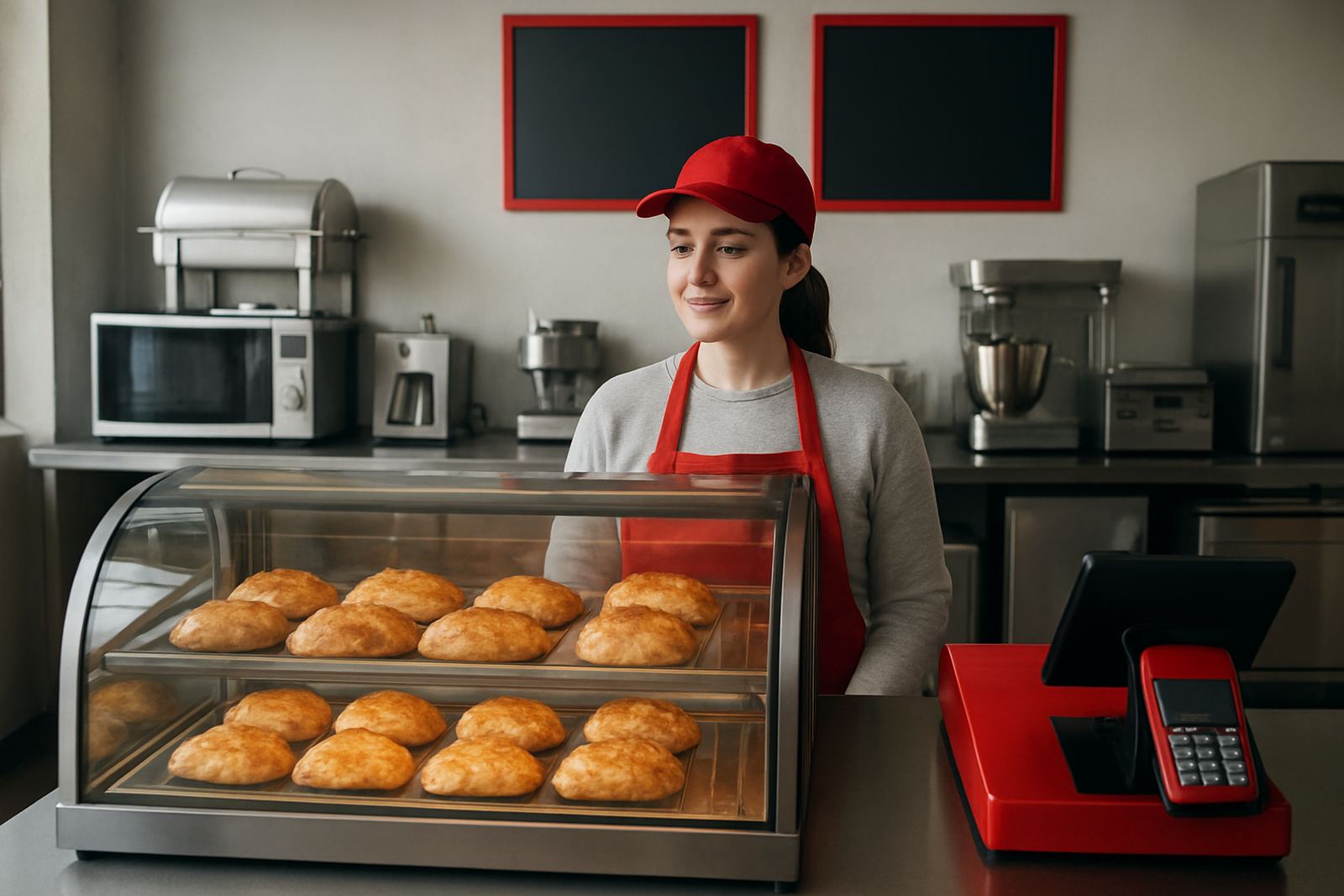
A warm display cabinet is a heated holding unit made for front-of-house service. It keeps cooked food in the serving zone for longer, so pies do not cool too fast and pastries stay ready for walk-in trade. Most units use glass on the front and sides, with shelf space inside and an easy access rear or front opening for loading.
For bakeries, filling stations, takeaway counters and small canteens, it helps with speed and portion control. Staff can load the cabinet before the rush, then sell from the display without moving back and forth to the kitchen every two minutes. In winter, or on a cold Pretoria morning, that matters a lot.
These units are for holding, not cooking. Food should go in hot and be maintained at safe serving temperature. That means your oven, pie warmer or kitchen prep line must do the main cooking, while the cabinet carries the food through service.
Sizes and cabinet options you can order
Warm display cabinets come in counter-top and floor-standing forms. Counter-top units suit smaller shops and tight service areas, while floor models give more display height and better volume for busier sites. You can also choose between single shelf, multi-shelf and curved or straight glass layouts, depending on the way your counter is set up.
Common sizes range from compact units around 600 mm wide to larger cabinets near 1 500 mm wide. Depth and height vary by model, but a standard footprint is often around 500 to 700 mm deep and 500 to 1 200 mm high. If you are fitting into an existing counter, measure the opening, rear access and plug position before you order.
- Counter-top warm display for small bakeries and coffee shops
- Floor-standing cabinet for higher foot traffic and more product lines
- Single or double shelf layouts for pies, sausage rolls and pastries
- Glass front, rear sliding doors or rear lift-up access, depending on service style
- Thermostat control for steady holding temperatures
Where this warmer fits best in Gauteng service areas
This product suits shops that sell food all day rather than only at lunch. You see them in Pretoria Central tuck shops, Centurion takeaways, Midrand coffee counters, Kempton Park forecourts, Boksburg bakeries and Randburg lunch spots. It also works well in staff canteens, school kiosks and small hotel breakfast areas.
For busy trading, place the cabinet where customers can see the stock without blocking the till. If your site has load-shedding, it helps to plan the cabinet together with your backup supply so the holding time stays consistent. Some operators run it on a dedicated circuit with other front-of-house equipment kept separate, which makes fault-finding easier later on.
In coastal humidity, glass units can show moisture and the internal temperature can drift if doors are opened too often. In dry inland conditions the opposite problem is usually over-drying, so the setting and loading pattern matter. A proper site assessment saves a lot of trial and error, and sometimes a very ordinary sized cabinet is the right one.
Power, heat control and installation basics
Most warm display cabinets are electric and need a standard single-phase supply, although larger models may draw more current and need proper circuit planning. Always check the rating plate before installation. If the cabinet is going onto a shared socket with a toaster, kettle or coffee machine, the load can trip the breaker when trade gets busy.
Good installation means the unit is level, has enough ventilation and stands clear of drips, steam and direct sunlight. If it is built into a counter, leave space at the back for service access and cable routing. A technician should test the thermostat, lamps if fitted, and fan operation where the cabinet uses forced air circulation.
- Confirm voltage, plug type and current draw before delivery
- Keep the cabinet away from water splashes and sink spray
- Allow space behind or below for cleaning and service access
- Use a stable surface that can carry the full weight when loaded
- Check that the control knob or digital panel is easy for staff to reach
Care, cleaning and preventive servicing
Daily care is simple but important. Wipe down glass, trays and shelves after service, then remove crumbs and grease before they bake on. Use a damp cloth and mild detergent, not harsh pads that scratch the glass or steel. If the cabinet has moving doors or hinges, keep them free of sticky residue so staff can open and close them with one hand during a rush.
For long term reliability, the heating elements, wiring and thermostat should be checked during preventive servicing. Dust build-up around vents and fans can shorten the life of the unit, especially in busy kitchens where flour and steam are always in the air. If the cabinet starts heating unevenly or holds too hot, get it looked at quickly instead of working around the fault.
Afchain Catering Equipment also assists with servicing and breakdown repairs, which helps when a cabinet is part of a wider counter line. If you are running a used unit, ask for a proper inspection before it goes back into service. A bit of attention now can save a lot of down time later.
What to check before you ask for a quote
Before ordering, measure the counter opening, the available floor space and the route from the delivery point to the final position. Check whether the cabinet will sit under extraction, beside hot equipment or in a customer facing opening. It also helps to know what you will hold in it most often, because pies, pastries and boxed items do not all need the same shelf spacing.
Have these details ready when you request a quote:
- Required width, depth and height in mm
- Electric supply available on site
- Preferred loading access from the front or rear
- Expected product type and quantity per day
- Whether you need new or used equipment
- Need for delivery, positioning and handover training
If the unit forms part of a bigger kitchen change, mention that too. We can assist with kitchen reconfiguration, installation and on-site assessment in Pretoria, Silverton, Centurion and the wider Gauteng area. That way the cabinet arrives ready for the counter, not as a last minute surprise.
Key facts
| Product type | Heated front-of-house display cabinet |
|---|---|
| Typical use | Pies, pastries, sausage rolls and grab-and-go items |
| Power supply | Electric, check model rating before ordering |
| Common sizes | About 600 mm to 1 500 mm wide |
| Installation | Counter-top or floor-standing, with level placement and ventilation |
| Service support | Quotes, delivery, installation, servicing and repairs |