What a training kitchen has to do every day
A training centre is not the same as a restaurant kitchen. The equipment must cope with students who are learning, instructors who need control, and sessions that repeat all week. Heat, water, storage and prep space need to be arranged so the room is safe and easy to supervise.
In Pretoria and Gauteng we are often asked to set up kitchens for hospitality colleges, community projects, church halls and private food schools. The brief is usually simple: enough equipment for 12 to 30 learners, clear sight lines for the trainer and a layout that can be cleaned fast between sessions. If the room is near a busy service area or a shared hall, noise and odour control also matter.
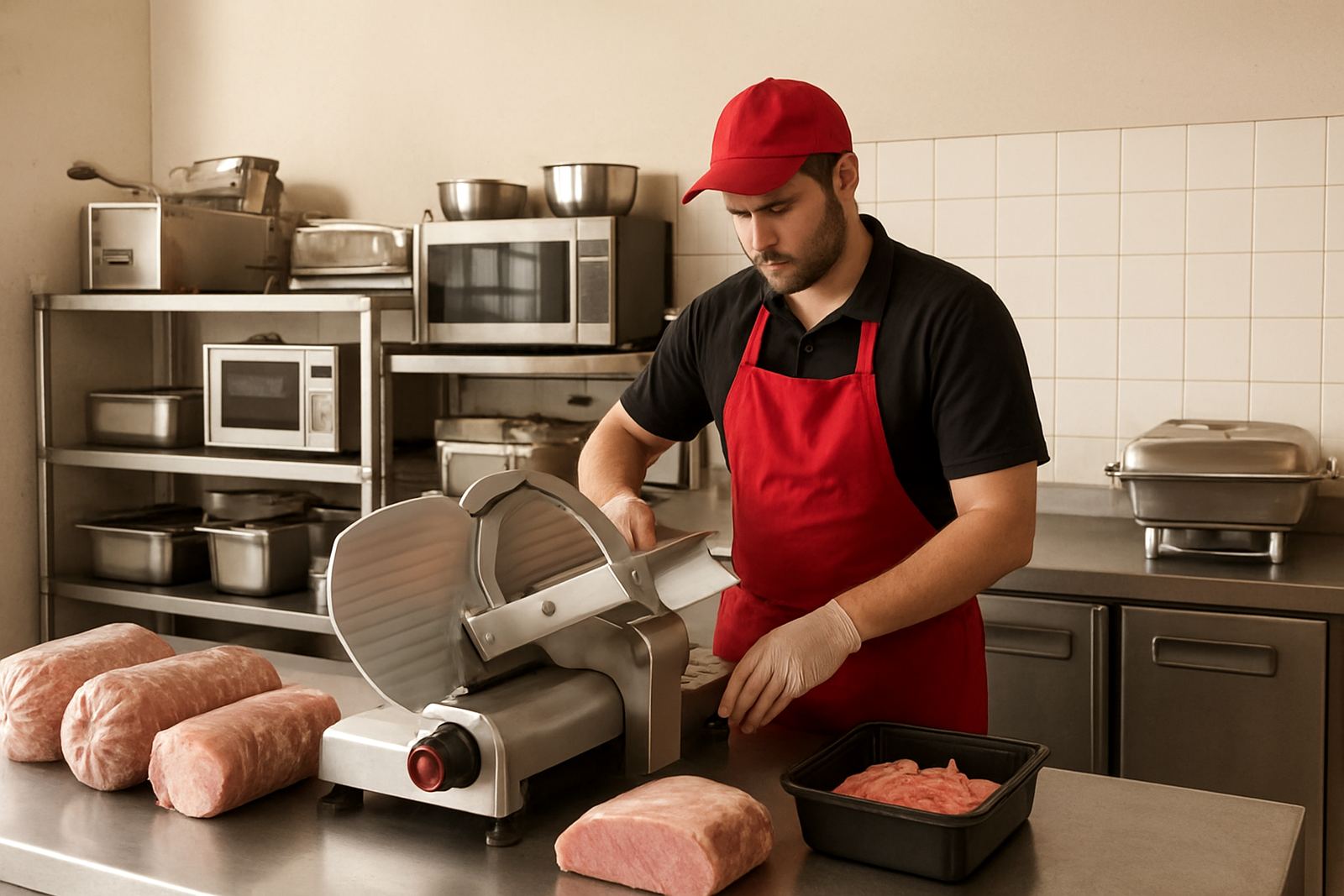
We first look at what is being taught. Baking, hot kitchen work, front-of-house plating or snack production all need different kit. A room for basic cookery may only need a few hot tops and preparation tables, while a skills centre for larger classes may need multiple fryers, toasters, microwaves and a bank of mixers.
Typical equipment set for teaching kitchens
The right mix depends on the course, but most training centres use a combination of heavy duty appliances and smaller work tools. We supply new and used equipment, and we can quote for single items or full room fit-outs.
- Electric or gas fryers for hot kitchen drills and batch cooking
- Toasters and grills for breakfast service training
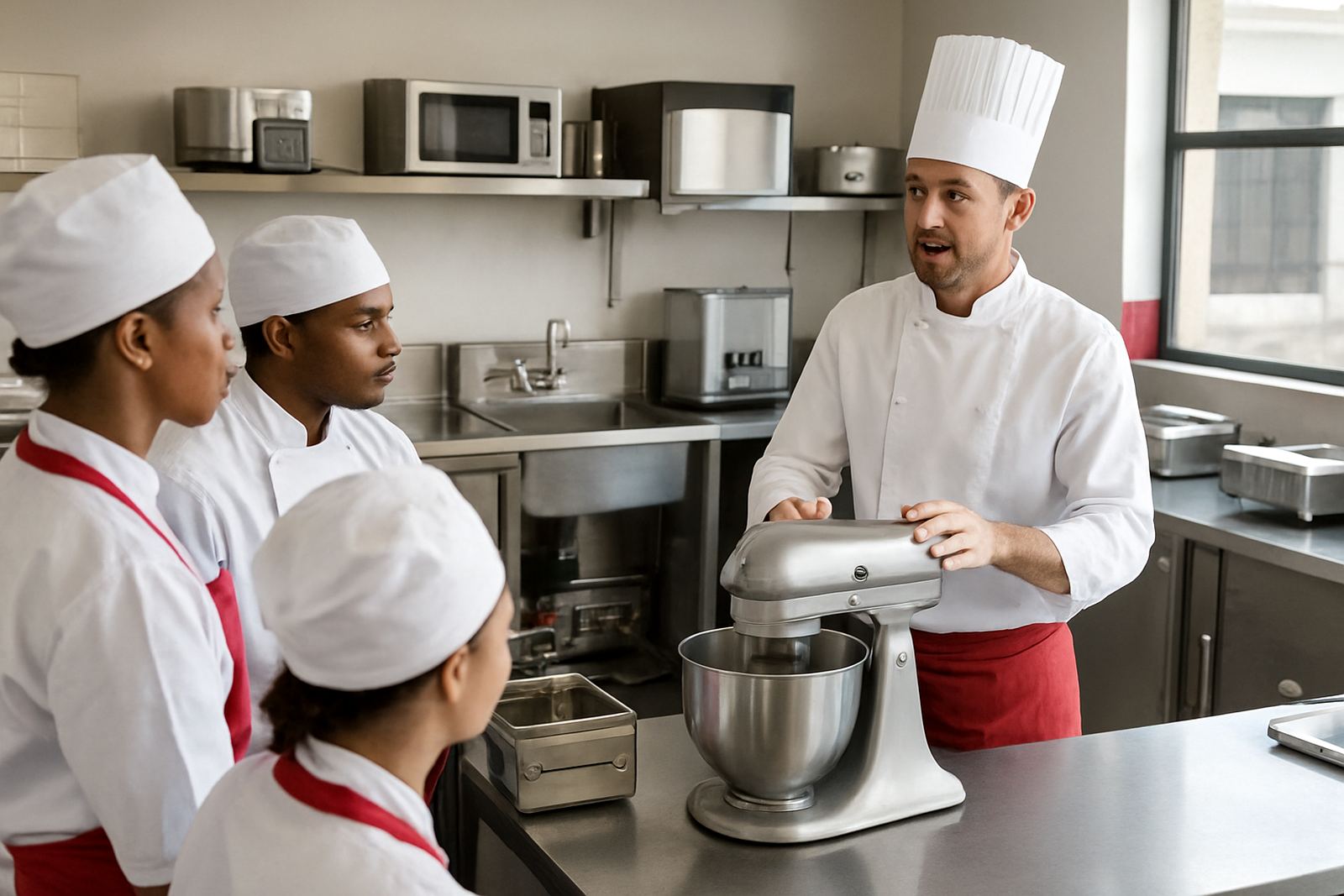
- Mixers for dough, batters and pastry work
- Microwaves for speed cooking and reheating lessons
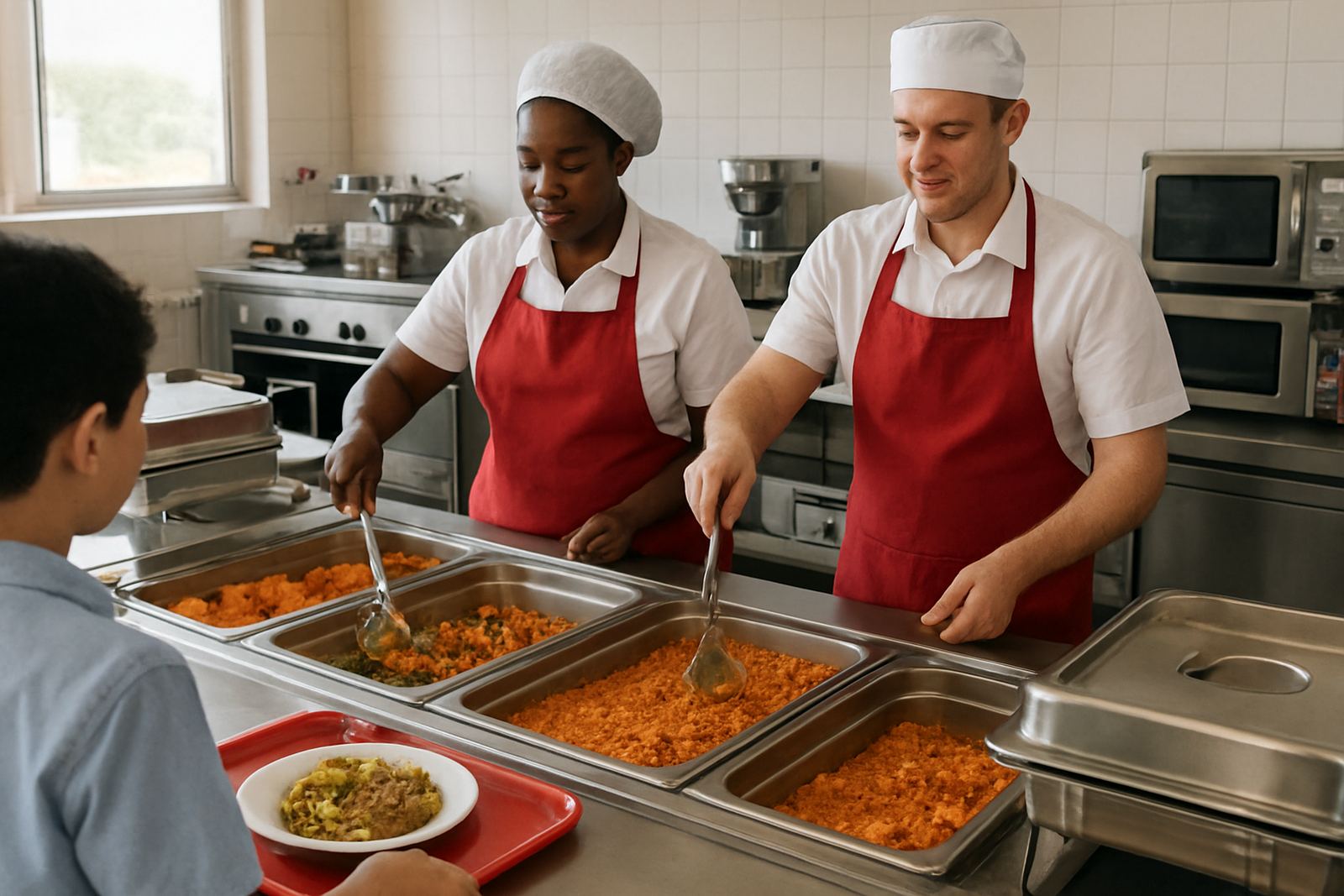
- Chafing dishes for buffet and banqueting practice
- Stainless steel prep tables and undercounter storage
- Extraction and ventilation where heat build-up is expected
- Fridges and freezers for ingredient control and food safety teaching
Used equipment can work well in a training centre when budgets are tight, but it must be checked properly before it goes into a classroom. A learner room that fails mid-session wastes time and affects the lesson, so we only recommend used units that are suitable for steady use. Where possible, we match equipment across the room so the trainer can show one process and every station behaves the same.
Layout planning for clear supervision and safe movement
A good teaching kitchen lets the instructor move around the room without creating congestion. The most common mistake is packing too many items into the space. When that happens, learners bump into each other, cables cross walkways and cleaning becomes hard.
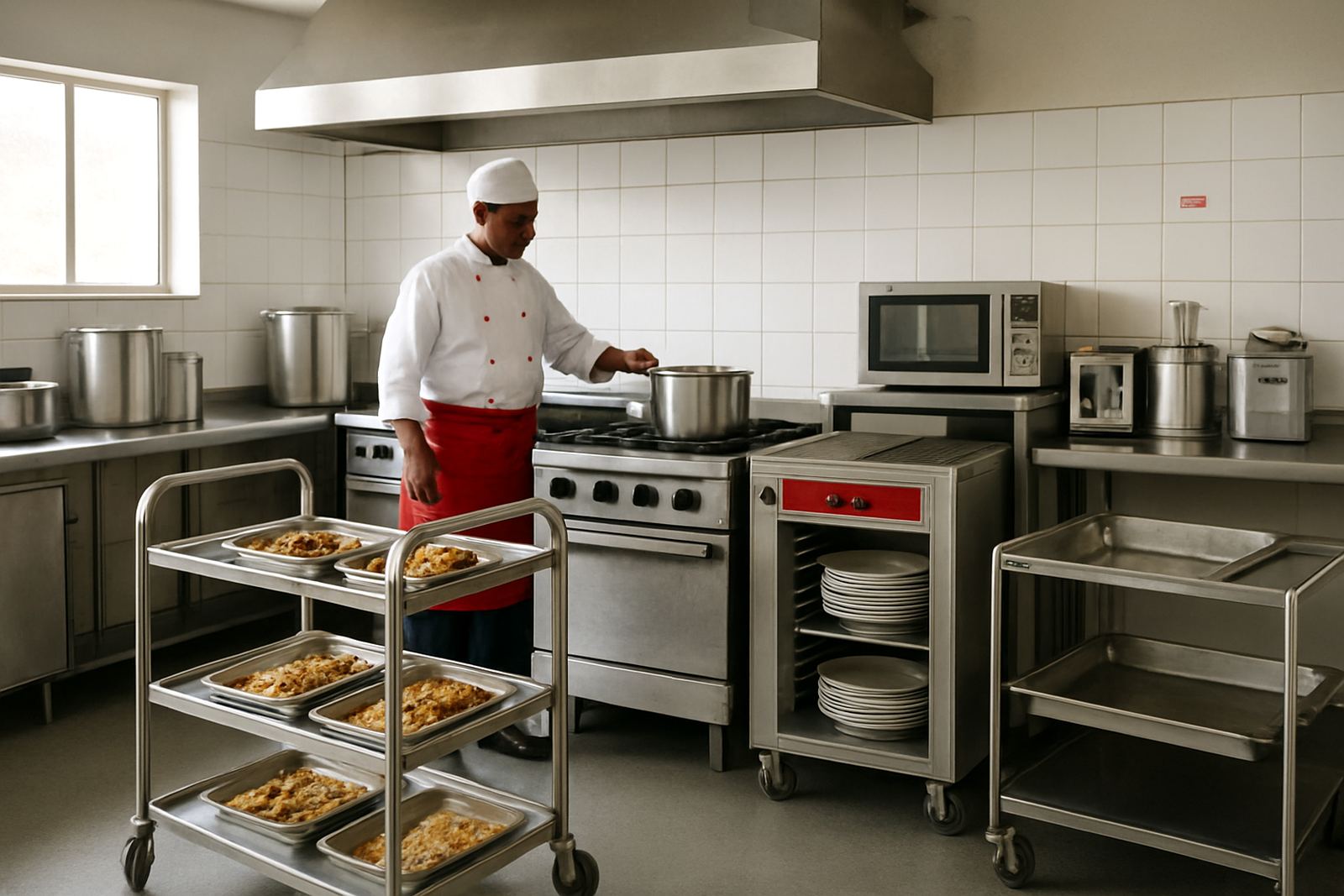
We normally plan for separate zones: dry storage, cold storage, washing, hot cooking and plating or presentation. The trainer should be able to see all workstations from one or two points in the room. In larger rooms, a centre island can help with demos, but only if there is enough clearance for learners to pass safely behind it.
- Allow enough aisle space for two people to pass with trays or pans
- Keep hot equipment away from main doorways and learner bags
- Place water points and sinks close to prep and wash areas
- Give each station its own plug points, with protection against overloads
- Leave space for storage of pots, trays, ingredients and cleaning gear
Load shedding is another practical issue. If the centre relies on electric equipment, the layout should make it easy to run selected items on backup power or to switch off non-essential loads. In some sites a gas and electric mix is the better choice, especially where classes continue through the afternoon and evening.
Common mistakes we see in training centre projects
Training rooms often fail because the planning starts with the equipment list rather than the teaching method. A centre can spend money on appliances and still end up with a poor room if the flow is wrong. Another problem is buying equipment that suits a commercial kitchen but not a classroom, such as oversized units that students cannot reach safely.
Another mistake is forgetting service access. If a mixer, fryer or microwave is wedged into a corner, basic servicing becomes awkward and small faults take longer to fix. We also see rooms with no clear plan for spill control and cleaning, which is a problem for food safety and for municipalities where inspections may look at drainage and general hygiene.
- No allowance for learner movement around hot surfaces
- Too few sockets, then extension leads get used all over the room
- Weak ventilation in rooms with repeated frying or boiling
- Storage placed too far from worktops, causing clutter
- No spare space for equipment repairs or temporary swaps
In the older buildings around Pretoria Central and parts of Randburg, floor levels and wall finishes can also affect the final plan. A small slope, a damaged drain or a weak wall mounting point can slow the whole setup if it is not checked early.
Budget ranges in Rand for different room sizes
Every training centre has its own budget, but it helps to work with broad ranges. A small practical room for demonstrations and short courses may start from about R45,000 to R120,000 depending on how much equipment is already in place. That range can cover a few small appliances, basic stainless steel items and minor installation work.
A mid-sized teaching kitchen for regular classes often sits between R120,000 and R350,000. That level usually includes several stations, stronger prep furniture, cooking equipment, cold storage and proper positioning of items. If the centre needs a full room fit-out with extraction, reconfiguration, delivery and installation, the budget can move higher, especially where electrical work or plumbing changes are needed.
For larger skills centres, budgets above R350,000 are common, particularly where multiple learners work at once and the room needs durable finishes. We can also phase the purchase so the centre opens with the essentials and adds extra items later. That helps when funding is released in stages or when a school wants to test enrolment first.
How we support quotes, delivery and servicing
Afchain Catering Equipment works from Silverton, Pretoria and supports training centres across Pretoria Central, Centurion, Midrand, Kempton Park, Boksburg and Randburg. We handle equipment quotes, site assessments, delivery and positioning, installation, preventive servicing, breakdown repairs and workshop refurbishment.
For a training centre, the first step is usually a site assessment and a clear list of what the classes will cover. From there we can quote for new or used equipment, suggest the correct layout and advise on the practical points that matter on the floor. If the room must be handed over with training support, we can also include handover training so staff know how to use and maintain the units from day one.
If you are setting up a new teaching kitchen or upgrading a food service room, email quotes@afchain.co.za. The more detail we have about class size, room measurements and the type of training, the easier it is to plan equipment that fits the space and the budget.