What a church kitchen really has to handle
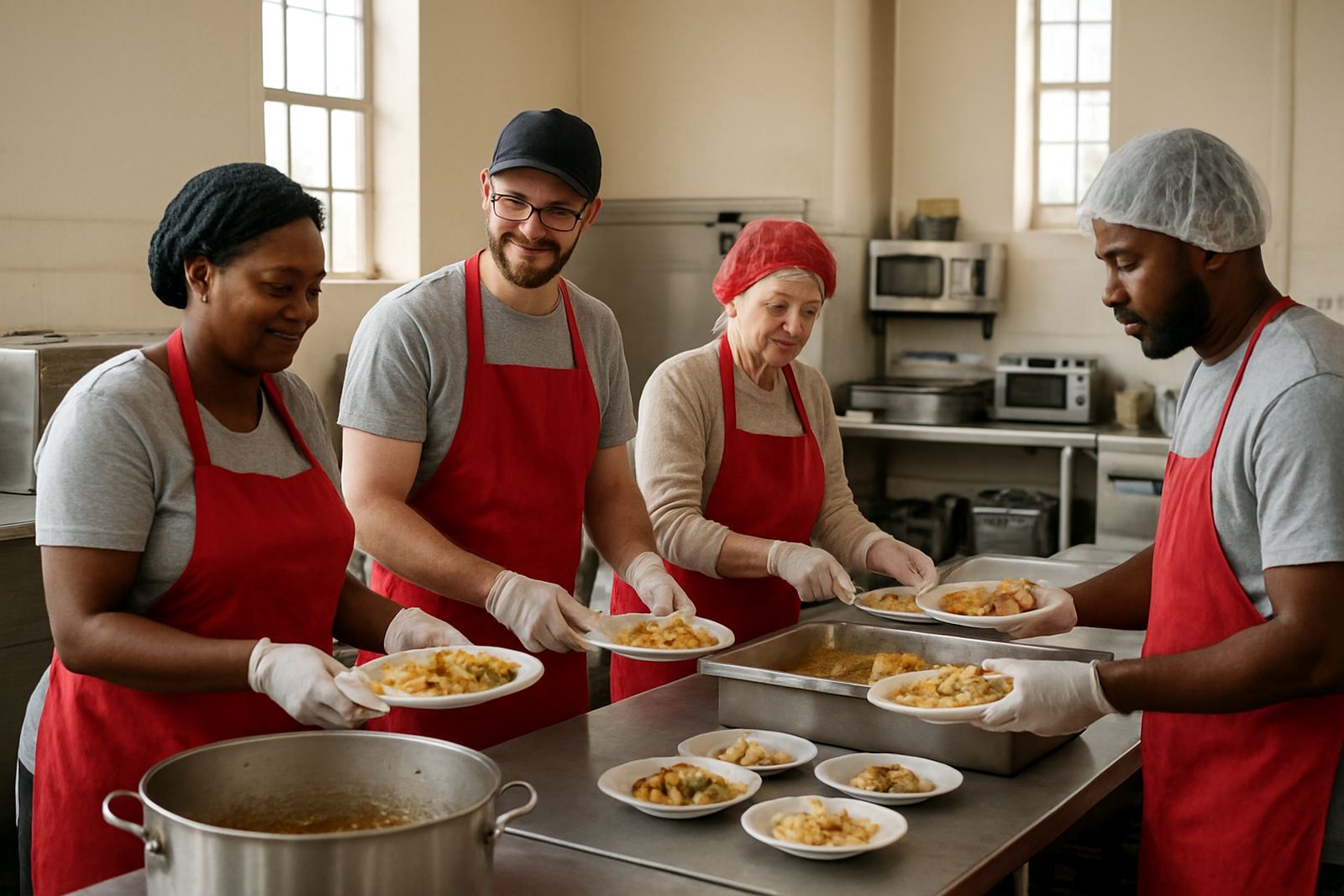
A church kitchen is often asked to do more than one job. On a normal week it may only need tea, coffee and light serving. On a busy Sunday or special event, the same space might have to produce 80 to 300 meals, hold food safely, and keep volunteers moving without confusion. That is why the equipment has to match the real use, not just the wish list.
We work with churches in Pretoria Central, Centurion, Midrand, Kempton Park, Boksburg and Randburg that need a practical setup for meal prep, catering to visitors, or supporting feeding schemes. The aim is simple: enough capacity for peak days, but not so much equipment that the room becomes hard to use or expensive to run.
Typical equipment for services and feeding schemes
The right set-up depends on the menu and the number of people, but most church kitchens start with a mix of cooking, holding and serving equipment. If the kitchen is also used by the ladies' ministry, youth group or soup kitchen, it helps to keep the layout plain and durable.
- 2 or 4 slice toasters for tea and breakfast runs
- Single or double fryers for vetkoek, chips and fried snacks
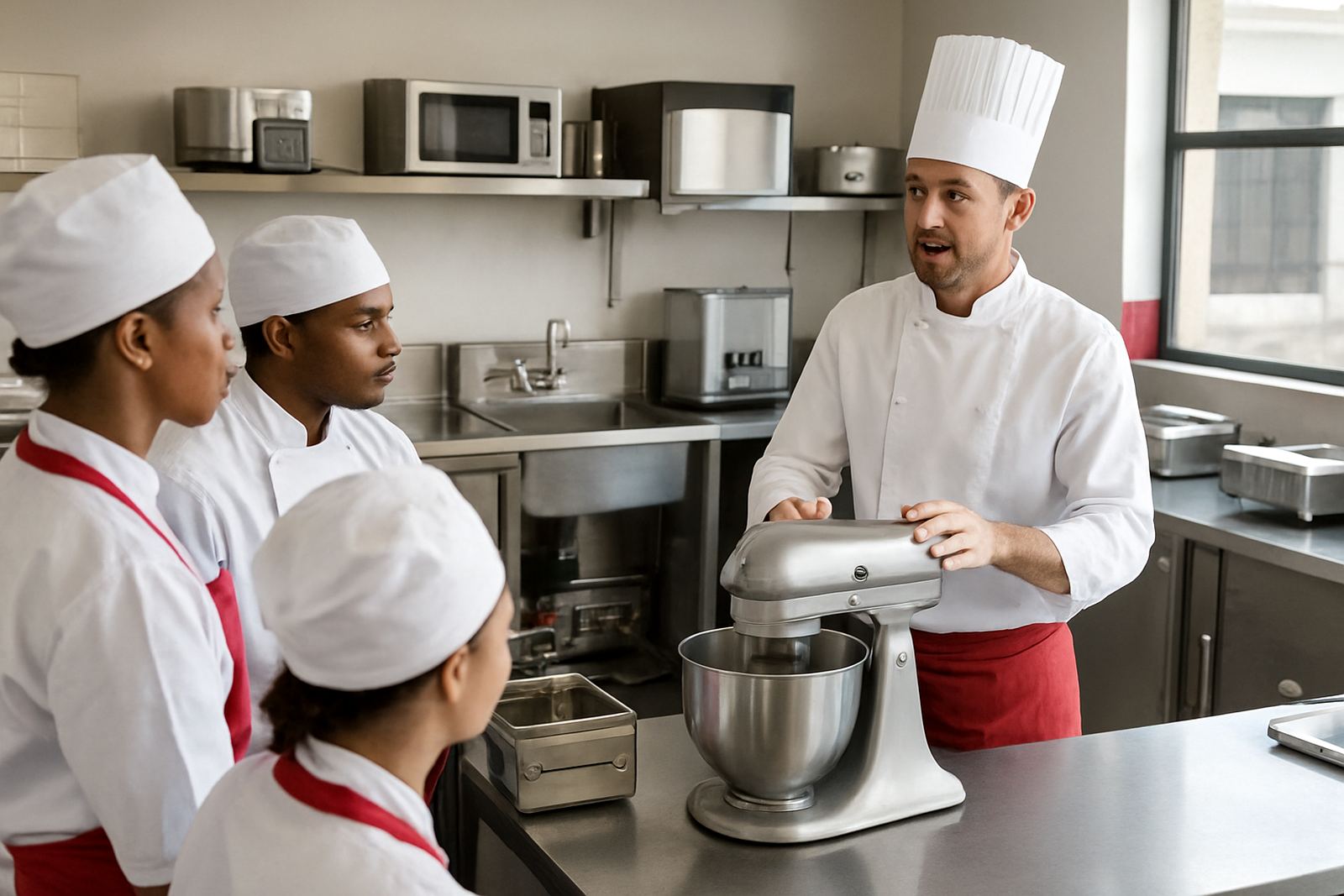
- Stand mixers or planetary mixers for dough, batter and large batches
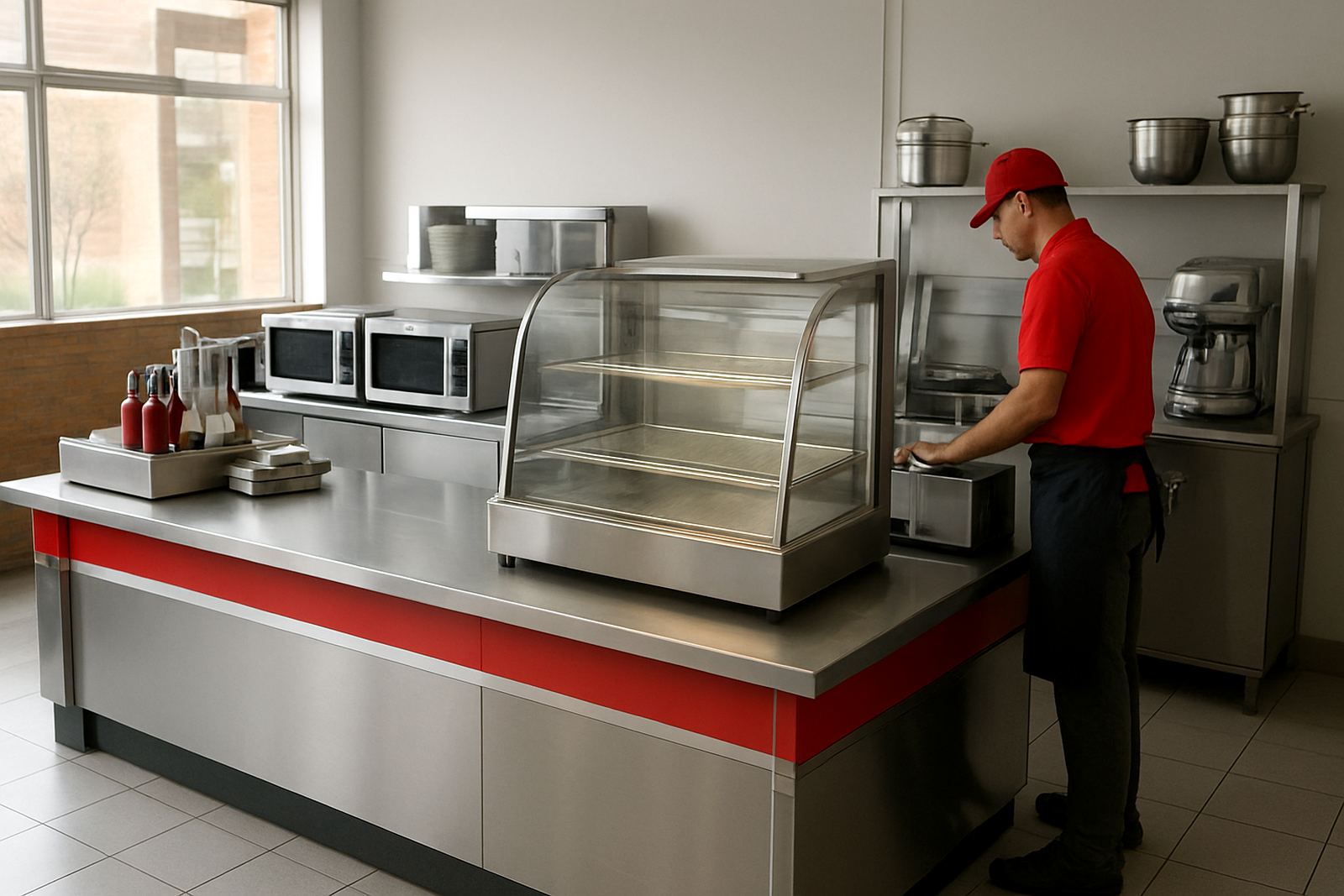
- Microwaves for quick reheating and small prep support
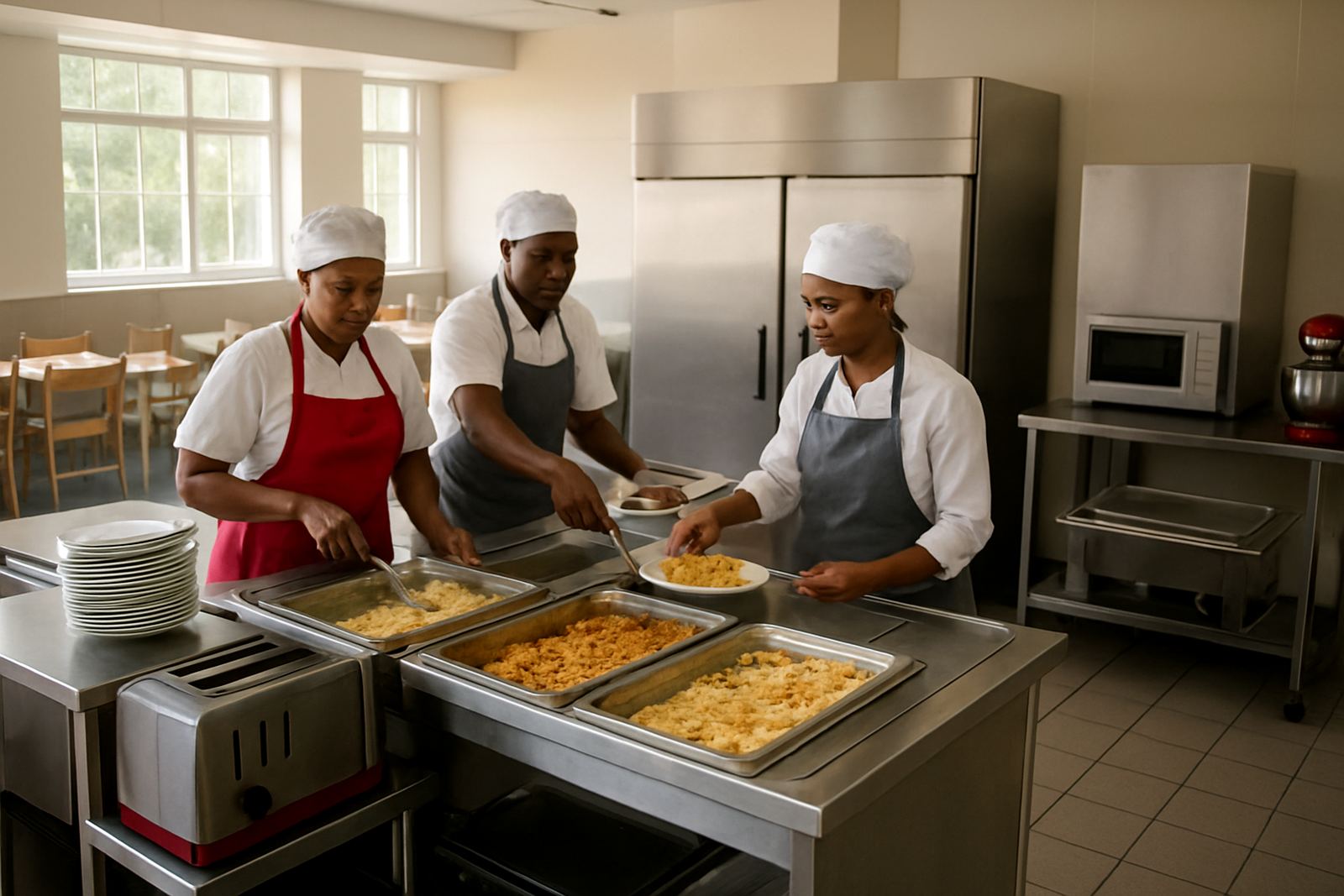
- Chafing dishes for buffets, funeral teas and fellowship meals
- Stainless prep tables, sinks, racks and hot cupboards where needed
- Used equipment where the budget is tight but the unit is still serviceable
For many churches, used equipment is the difference between a bare kitchen and one that can actually work every week. We inspect, source and, where needed, refurbish items so they can be put back into service with confidence. That said, a cheap fryer with a tired thermostat will cost more later in gas, oil and repairs.
Layout planning that saves time on busy Sundays
A church kitchen should move in one direction: receiving, washing, prep, cooking, holding, serving and cleanup. If people cross over each other, food takes longer and the chance of spills goes up. Even a small room can work well if the counters and equipment are placed in the correct order.
In most cases we look at door width, power points, gas safety, ventilation and how volunteers actually walk through the room. In Pretoria and Gauteng, power cuts still matter, so we often plan around gas fryers, insulated holding and equipment that restarts quickly after load-shedding. In humid coastal-style weather or when a church hall is near open windows, stainless finishes and proper drying space help prevent rust and grime build-up too.
- Keep hot equipment close to the serving point
- Leave space for one person to plate and another to pass food
- Do not place fryers where foot traffic can brush past the handles
- Allow a clear route from sink to prep area to reduce bottlenecks
- Plan storage for trays, lids, utensils and cleaning chemicals
Common mistakes churches make when buying equipment
The biggest mistake is buying for a one-off event instead of the weekly reality. A church may need to feed 150 people only once a month, but it still needs equipment that can be cleaned and put away quickly every week. Another problem is choosing units that are too small for the volunteer team, or too large for the room and electrical supply.
We also see kitchens where the serving side is set up before the cooking side has been thought through. That causes delays and waste. A fryer can be fine, but if there is no landing space for draining baskets or no safe route to the buffet, the kitchen becomes awkward fast. Another mistake is not planning for breakdown repairs. A church that relies on one mixer or one microwave should have a service plan or at least know where spares and back-up units will come from. A small fault can stop the whole team, and that is avoidable.
Budget ranges for church kitchen projects
Church kitchen budgets vary widely, but a proper plan helps prevent overspending on the wrong items. For a small fellowship room or youth kitchen, a basic setup can start around R15 000 to R35 000 if you use a mix of new and used equipment. This may cover a toaster, microwave, basic prep items and one or two serving units.
For a medium church kitchen that serves weekly meals or a feeding scheme, a more practical budget is often R40 000 to R120 000. That can include fryers, mixers, chafing dishes, holding equipment, prep counters and installation. Larger church halls or multi-purpose kitchens may sit from R125 000 upwards, especially if you need gas work, ventilation changes, workshop refurbishment or a full reconfiguration of the room.
Quotes are useful here because the same budget can go much further if the layout is correct and the equipment list is trimmed to what the church will actually use. We can also split a project into phases so the kitchen grows in steps instead of all at once.
Quotes, servicing and help after installation
Church kitchens do not only need supply. They need follow-up. We assist with equipment quotes, site assessments, delivery and positioning, installation, preventive servicing, breakdown repairs and handover training for volunteers. That is especially useful where the kitchen is run by a committee and the people using it may change every few months.
Our base in Silverton, Pretoria allows us to support churches across Gauteng, from Pretoria Central to Centurion, Midrand, Kempton Park, Boksburg and Randburg. If a church is planning a new feeding scheme, upgrading an old hall kitchen, or replacing worn equipment before a major event, we can help with a practical list and a clear price. Send an email to quotes@afchain.co.za and we can take it from there.