What our equipment installation covers
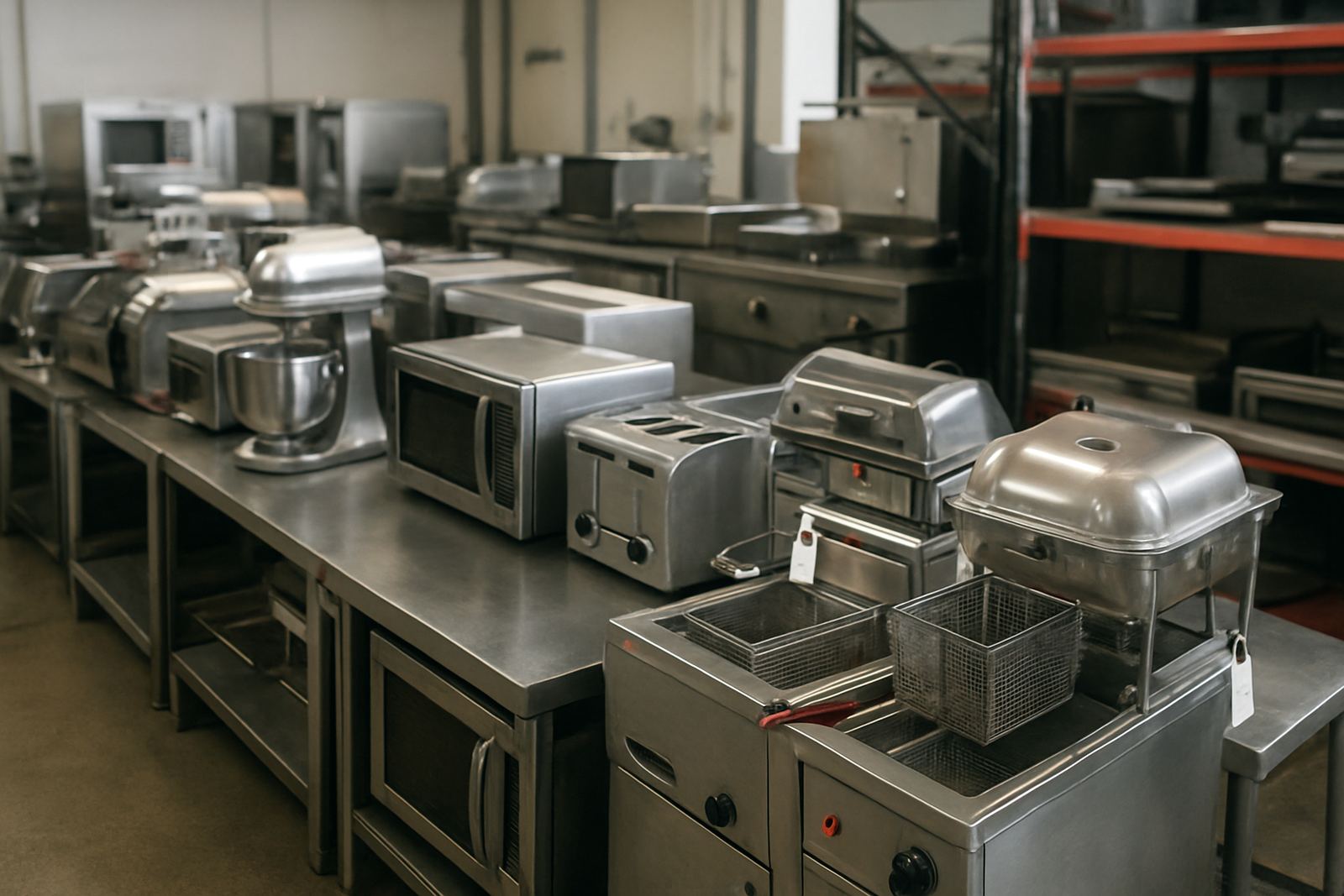
Our installation service is for catering equipment that has already been selected or supplied through Afchain, or that needs to be fitted into an existing kitchen. We handle fryers, toasters, mixers, microwaves, hot cupboards, chafing units and selected used equipment. The aim is simple: get the unit in place, connected correctly and ready for staff to use with less back and forth on opening day.
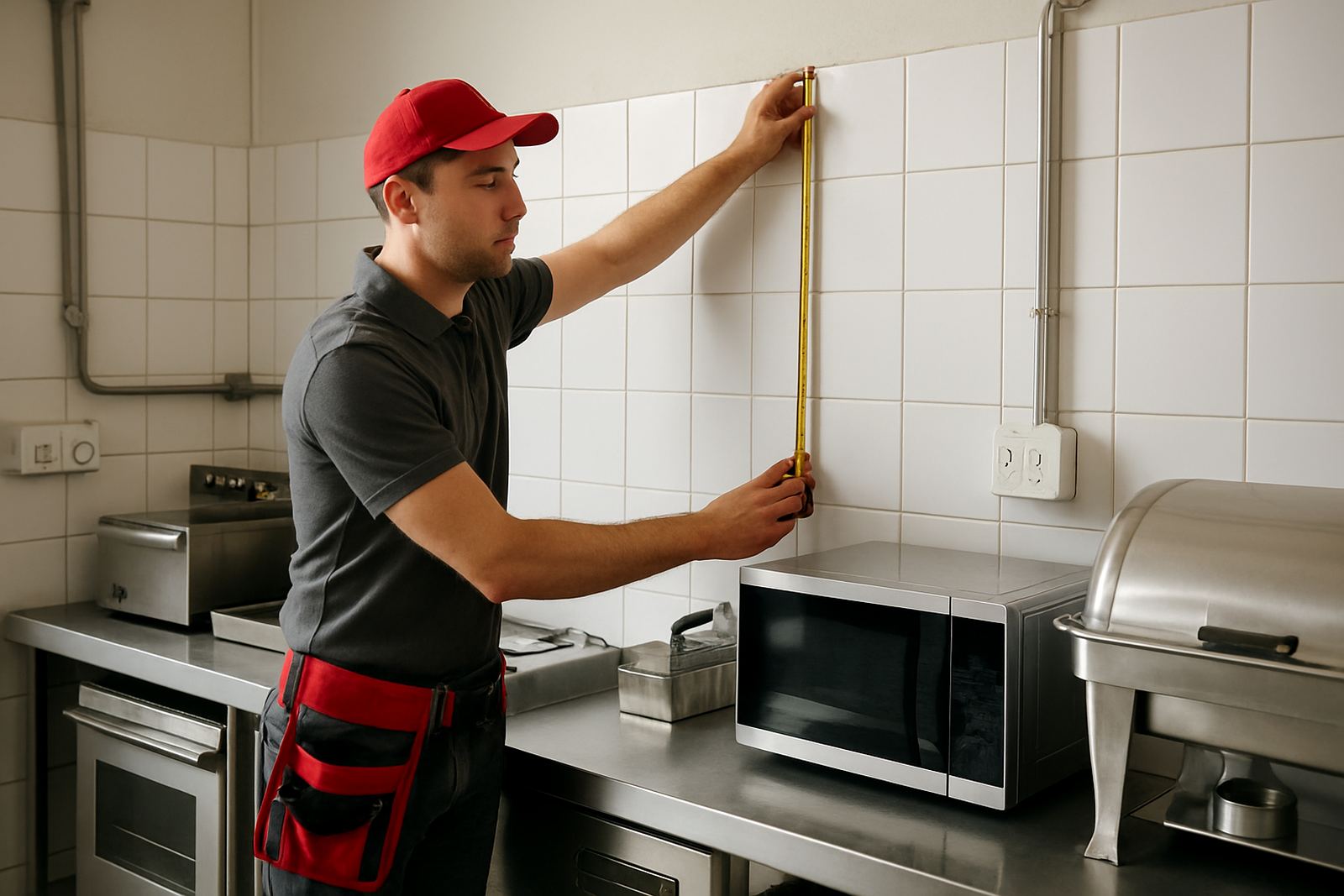
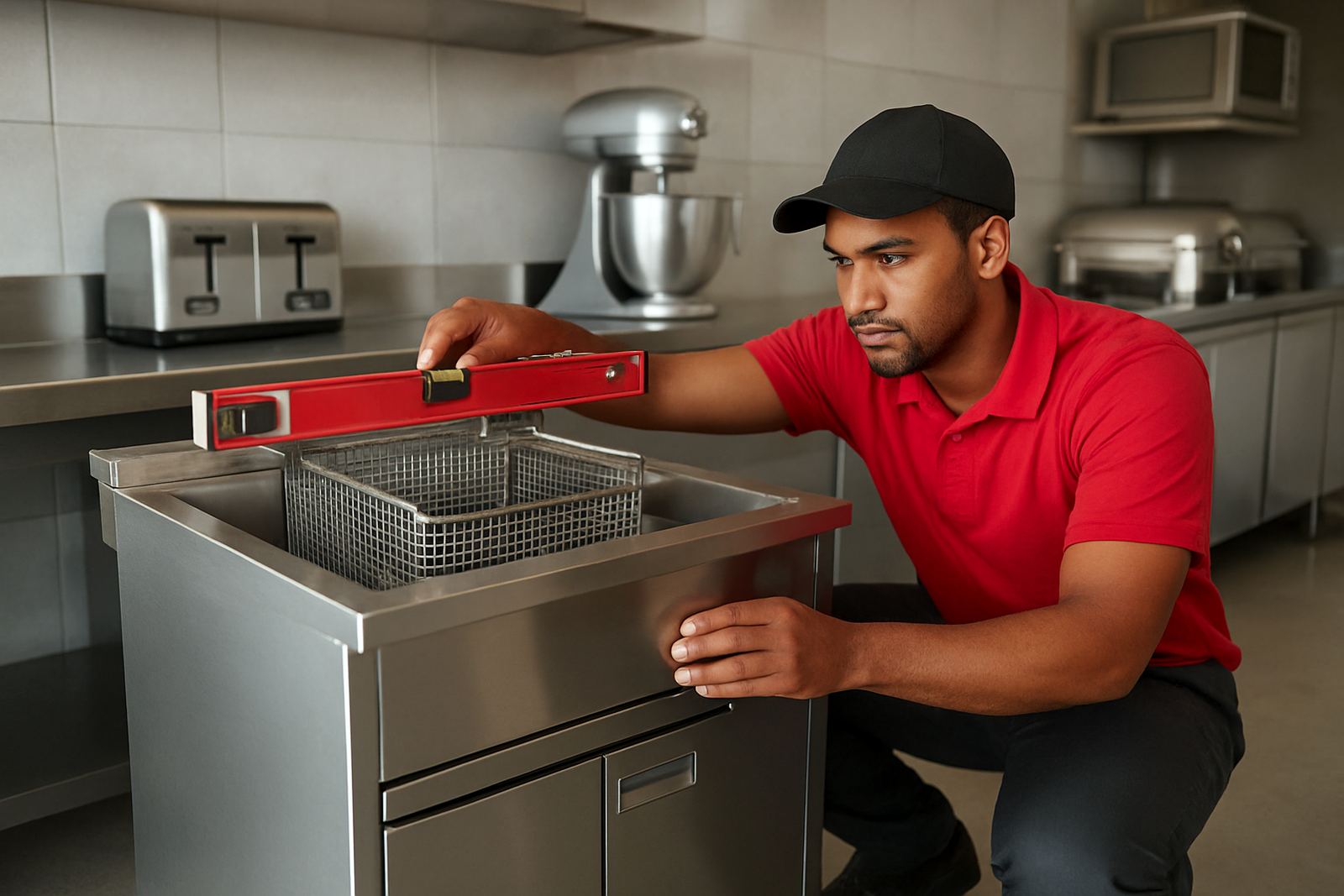
We check the space, confirm access routes, position the machine, level it, connect the required services where allowed, and test the basic function before handover. If the site needs small adjustments such as better spacing around heat generating units or a safer loading area for staff, we flag it during the visit so the kitchen is easier to work in. It saves time later and cuts the chance of avoidable faults.
What is included on site
Every installation is different, but most jobs in Pretoria, Centurion, Midrand and surrounding areas follow the same practical steps. We arrive with the equipment schedule, check the delivery condition, and confirm that the floor, power points and service points are suitable for the unit. For larger or heavier items we also plan the route from the truck to the final position so walls, tiles and door frames are protected.
- Positioning and final placement of the unit
- Levelling and stability checks on uneven floors
- Connection of electrical equipment where the site is ready and compliant
- Basic operational test and start-up check
- Staff handover on day-to-day use and cleaning points
- Removal of packaging where agreed in advance
We do not just drop a machine and leave. A proper handover matters, especially in busy kitchens where staff change often and the first week sets the tone for future use.
How the installation process works
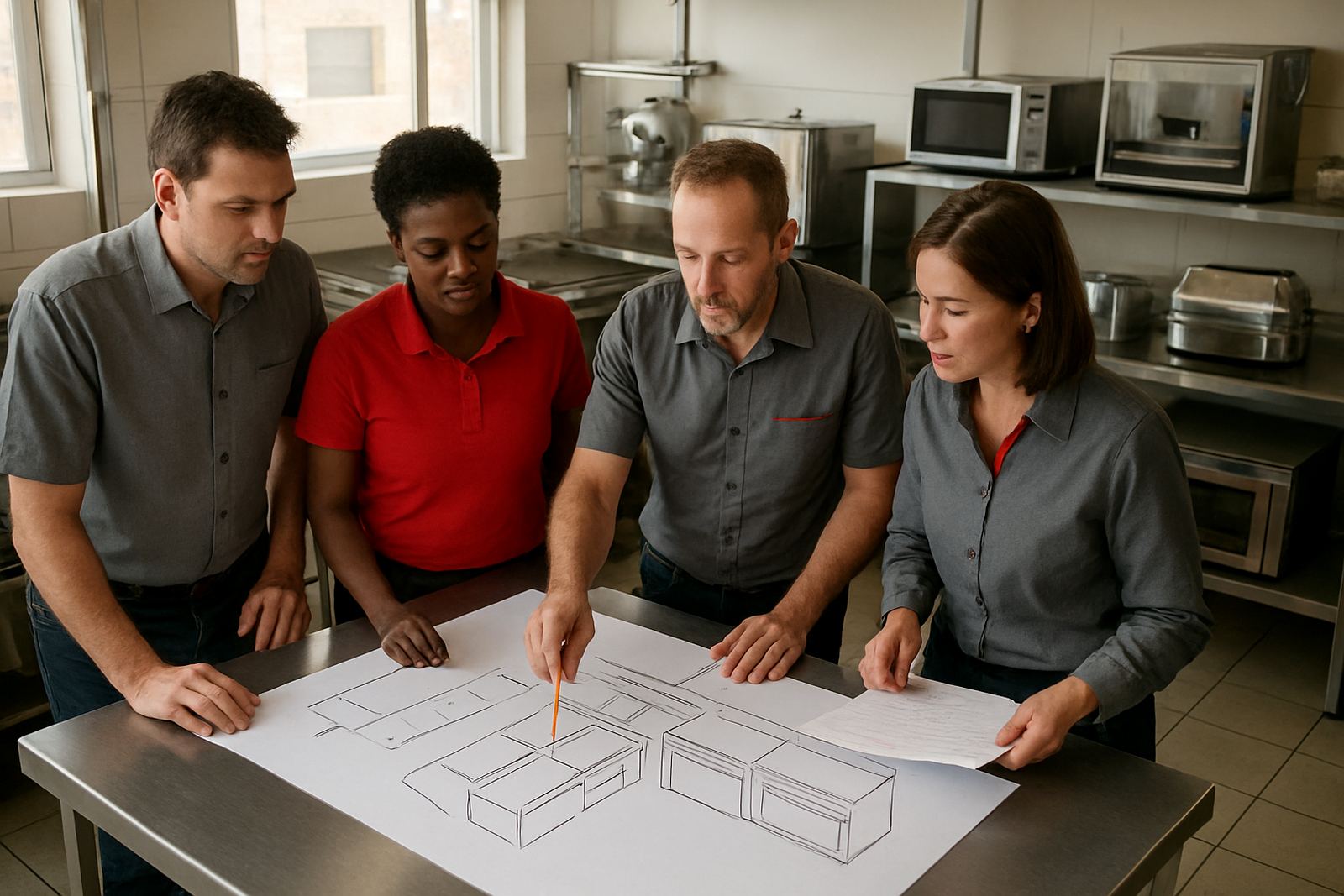
Step one is the site assessment or a detailed phone discussion with measurements. We confirm the unit type, size, power needs and access limits before the visit. If the kitchen is in a shopping centre, school, church hall or municipal facility, we also work around access times and building rules so there is no delay at the gate.
Step two is delivery and positioning. Our team plans the placement so the unit sits with enough clearance for ventilation, cleaning and safe movement by staff. Step three is installation and testing. We switch on, check function, inspect cables or controls, and make sure the unit is working as expected before it is signed over. Step four is handover training, which covers simple operation, cleaning routines and what to do if something does not sound or feel right.
For used equipment, this process is even more important because older units may have different footprints, service points or heating patterns. A fryer or mixer that worked well in one kitchen may need small site changes in another, so we take the time to fit it properly, not just quickly.
Turnaround time and scheduling
Most single-unit installations can be arranged within a short lead time once stock is ready and the site is prepared. Straightforward jobs in Pretoria Central, Silverton, Boksburg or Randburg are often completed in one visit. Larger kitchen fit-outs, or work that needs several items placed together, may take longer because the sequence matters. It is better to install the cooking line in the right order than to rush and have staff moving heavy units twice.
We also account for load-shedding and after-hours access where needed. If a venue can only be accessed early morning, late afternoon or on a day when the kitchen is closed, we plan accordingly. In some buildings the practical issue is not the installation itself but the permit or booking system, so we always ask about that upfront and keep the job moving.
- Single unit setup: usually same week when ready stock and access are in place
- Multiple units: scheduled by kitchen sequence and site readiness
- Urgent replacement installs: handled subject to stock and travel time
- Commercial sites: booked to suit trading hours and access control
Pricing approach and quote detail
We quote according to the actual job, not a flat one-size-fits-all rate. The main factors are the type of equipment, the size and weight of the unit, the access conditions, how far the site is from Silverton, and whether the installation needs extra setup time or coordination with other trades. That way the quote reflects the work on the ground, which is fairer for both sides.
Where a site is simple and the equipment is standard, the price stays tighter. If the work includes multiple units, kitchen reconfiguration, wall clearances, or a tight access route through a basement or narrow passage, the quote will show the extra labour and planning required. We are happy to break the quote down so procurement teams can see delivery, installation and handover as separate line items if needed.
For customers comparing new and used equipment, we can also advise whether the installation cost is justified by the expected duty cycle. A lower-cost used unit may still be the right choice, but if it needs frequent servicing or special fitting, you should know that before you commit.
Maintenance intervals after installation
A good installation reduces problems, but it does not remove the need for regular care. Heat, steam, grease and dust all build up in busy kitchens. In Gauteng, where many sites run long hours and switch power on and off during load-shedding, it is worth planning a basic maintenance cycle from the start.
We normally recommend a quick visual check weekly, a full cleaning routine daily for high-use equipment, and a more formal service interval every 3 to 6 months depending on use. Fryers and toaster lines in high-volume venues may need attention sooner, while microwaves and mixers in lighter-use kitchens can often run longer between checks. Coastal humidity is less of a factor in Pretoria than it is elsewhere, but steam and food residue still shorten the life of switches, seals and moving parts if ignored.
- Daily: clean food contact areas and wipe exterior surfaces
- Weekly: check fittings, cable condition and heat build-up
- 3 to 6 monthly: preventive servicing and safety inspection
- Immediately: call for support if there is burning smell, tripping or unusual noise
Local coverage and support from Silverton
Our base in Silverton, Pretoria keeps us close to clients across Pretoria Central, Centurion, Midrand, Kempton Park, Boksburg and Randburg. That helps when a kitchen needs a fast return visit after installation, or when a second unit must be fitted into the same line once the first one is live. We work with restaurants, schools, caterers, guest houses, takeaways and institutional kitchens that need practical support, not guesswork.
The team behind the service includes Mpho Sekgobela, Annelie van Wyk, Sibusiso Dlamini, Kagiso Molefe, Nadia Petersen and Tshepo Mokoena. That mix of quotes, procurement, workshop and site work means the job is handled from enquiry through to handover with fewer gaps. If you need installation for a new unit, a replacement machine or a used item that must be fitted into an older kitchen, we can quote and schedule it properly.
Email quotes@afchain.co.za with the equipment list, site suburb, floor level and any access details, and we will come back with the next step. A clean installation makes the first service easier too.
Key facts
| Service area | Pretoria, Gauteng and nearby commercial sites |
|---|---|
| Equipment handled | Fryers, toasters, mixers, microwaves, chafing dishes and selected used units |
| Typical visit length | About 1 to 4 hours for standard single-unit jobs |
| Planning inputs | Unit size, power needs, access route, floor level and site readiness |
| Maintenance guide | Daily cleaning, weekly checks, 3 to 6 monthly servicing |
| Quote basis | Equipment type, labour, access conditions and travel from Silverton |