When a kitchen no longer matches the work
A fryer moved too far from the prep counter, a toaster jammed into a narrow pass, or a mixer that blocks the wash-up route can slow an entire shift. We help restaurants, takeaways, canteens, school kitchens and catering operations in Pretoria Central, Centurion, Midrand, Kempton Park, Boksburg and Randburg rework the kitchen around current demand rather than the old plan.
Kitchen reconfiguration is practical planning, not guesswork. We look at the equipment you already have, what should be replaced, what can be repositioned, and what extra units may be needed for a bigger menu or shorter service times. In many sites the fix is simple, but if the wrong pieces are kept in the wrong place, staff waste steps and heat builds up quickly, especially in summer and during load-shedding when backup cooking has to be managed carefully.
What we include in a reconfiguration project
Each job starts with a site assessment at your premises in Silverton, Pretoria or on site anywhere in Gauteng. We measure door widths, walkways, power points, drainage, gas positions and the clear working space around each unit. We also check whether your floor can handle the weight of heavy equipment and whether extraction, splash zones and fire access are in the right place.
- Equipment relocation planning for fryers, microwaves, mixers, toasters and chafing dishes
- Replacement planning for worn or undersized units
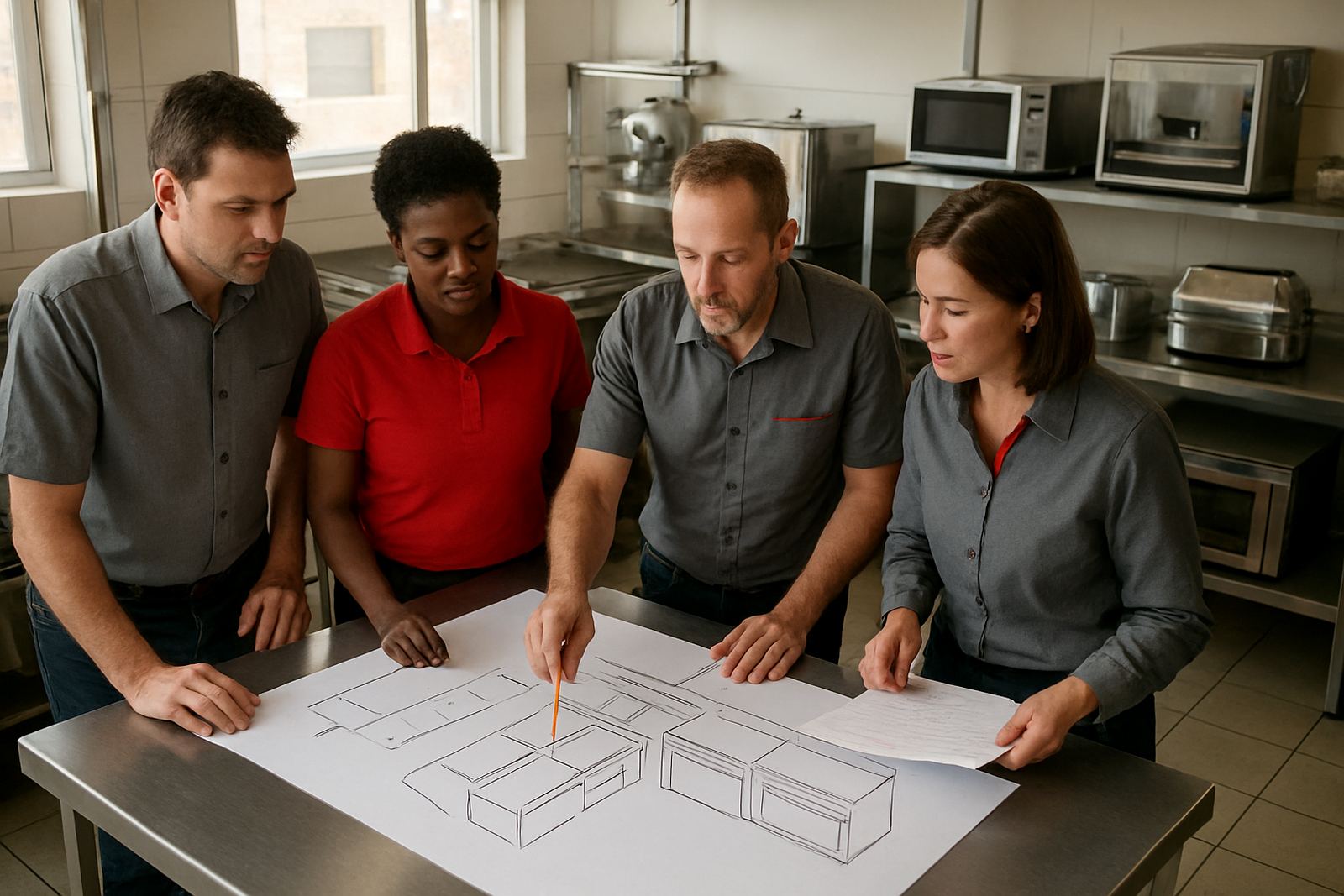
- Workflow mapping from receiving to prep, cooking, holding and service
- Power and socket checks for single phase and three phase units
- Positioning advice for hot equipment, cold storage and wash-up areas
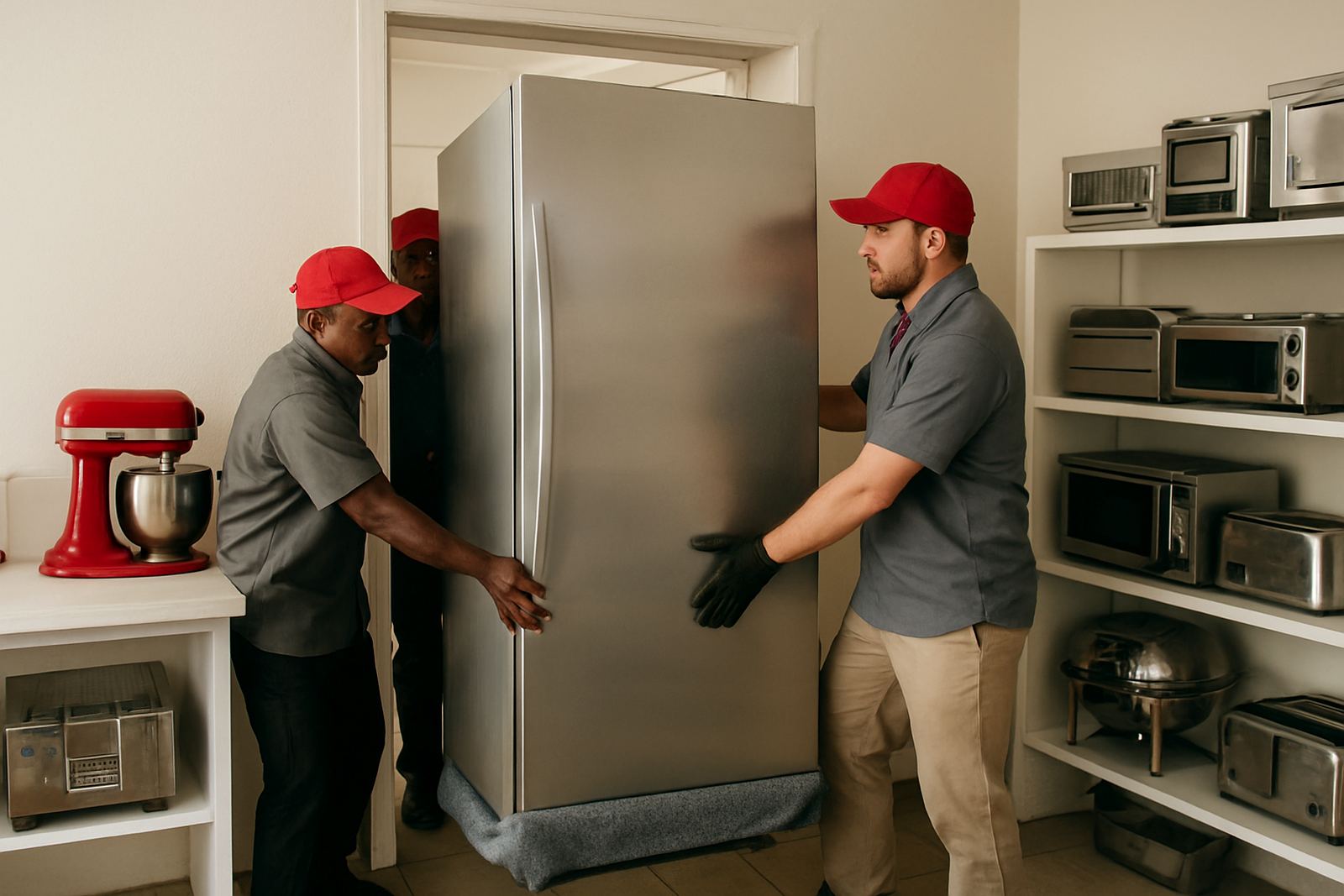
- Delivery and positioning of new or used equipment where required
- Handover training so the team knows the new layout and operating order
We also review access for servicing later on, because a tight fit today can become an expensive delay when a heating element, thermostat or motor needs attention later.
How the process works from first visit to sign-off
Most jobs follow five clear steps. First, Nadia Petersen prepares the quote after the site assessment and equipment list are checked. Second, Sibusiso Dlamini and Kagiso Molefe confirm what can stay, what must move and what must be isolated for installation work. Third, we agree on the sequence so the kitchen is out of action for as little time as possible. Fourth, we carry out the repositioning, replacement or workshop refurbishment needed. Finally, Mpho Sekgobela and the team confirm the handover and any maintenance intervals needed for the new setup.
If your operation cannot stop for a full day, we can plan the work in phases. For example, a lunch trade site may have hot equipment moved after service and commissioned again before the next service window. For a school or canteen, work is often done during holiday periods or over a weekend. We keep the plan practical and we do not overcomplicate it.
- Step 1: Site assessment and measurements
- Step 2: Quote and layout proposal
- Step 3: Equipment movement or sourcing
- Step 4: Installation, testing and positioning
- Step 5: Training and aftercare
Turnaround times and how pricing is worked out
Turnaround depends on the size of the kitchen and whether equipment must be sourced, repaired or refurbished first. A small change such as moving a toaster line, replacing one fryer and adjusting the prep area may take one to two working days. A larger reconfiguration with multiple units, service clearances and workshop work can take several days to a week, especially if the site must remain partly operational.
Pricing is based on the site assessment, labour, transport, installation work, any electrical or gas related preparation, and the condition of existing equipment. If you need used equipment sourced, the quote reflects the condition and suitability of each unit rather than just the purchase price. That way you know what it will cost to get the kitchen working properly, not just what it costs to buy the machine.
For Gauteng clients we often combine assessment, delivery and positioning into one visit to save time and fuel. If your site is in a busy area like Midrand or Randburg, access times and loading space may also affect the planning a bit.
Typical equipment changes when menus shift
A kitchen that moves from light breakfast service to heavier lunch trade usually needs more holding space, faster cooking capacity and better traffic flow. A site that adds takeaway items may need a second fryer, extra prep counters or a different toaster arrangement. Where a menu drops certain items, unused equipment can be removed to free space and improve cleaning access.
- Fryers: often moved closer to plating and away from dry goods
- Toasters: positioned near breakfast or snack assembly points
- Mixers: placed where bulk prep can happen without blocking passage
- Microwaves: grouped for quick reheating with safe ventilation space
- Chafing dishes: set for service access and clean refilling movement
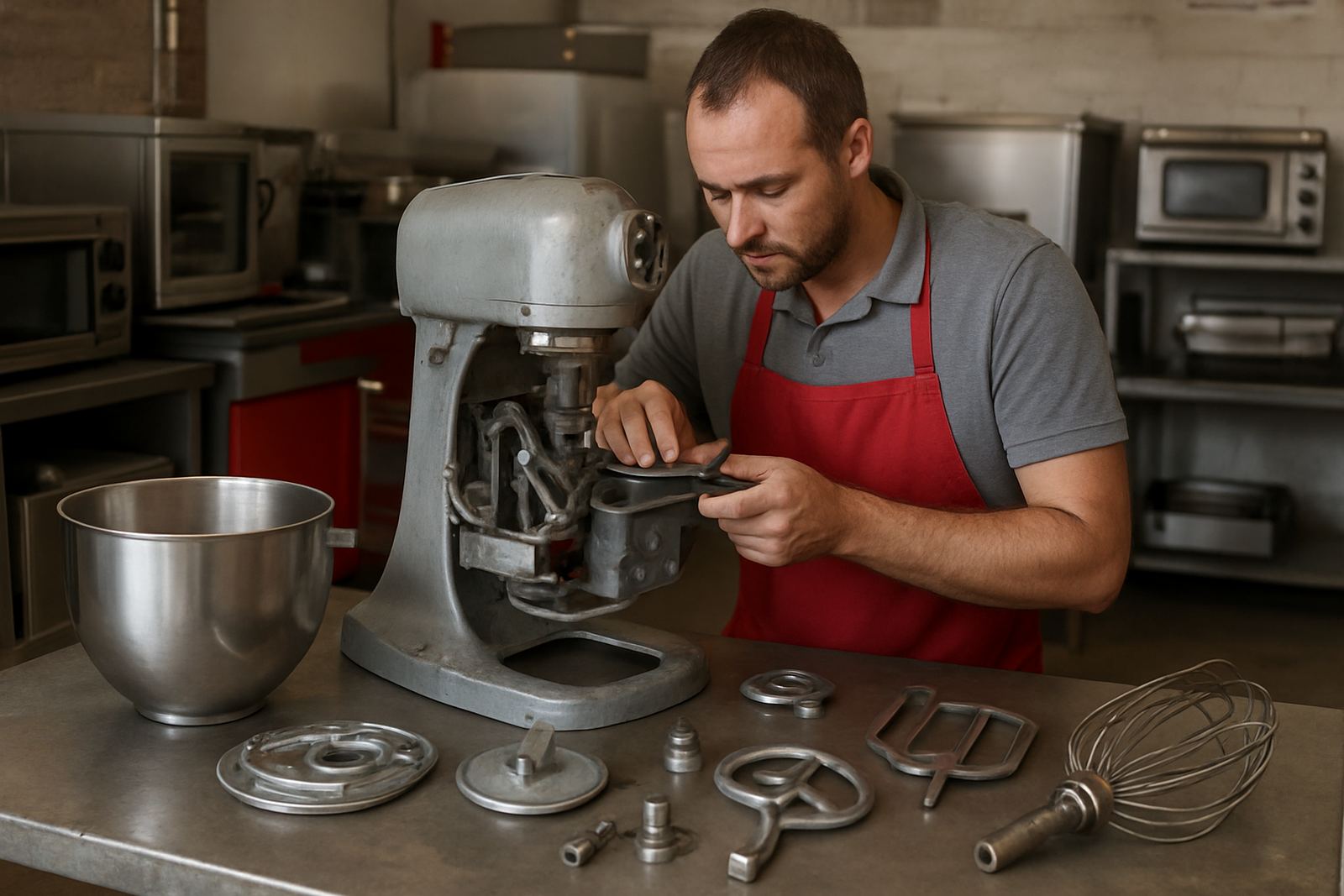
We also check the condition of older units. A used fryer or toaster may still be worth keeping, but only if the power draw, heating performance and footprint suit the new layout. In some cases a workshop refurbishment gives you another year or two from a machine that is not yet ready to replace.
Maintenance intervals after the new layout is in place
Once the kitchen is reconfigured, servicing becomes easier if the layout has been planned properly. As a guide, high use fryers and toasters should be checked every 3 to 6 months, mixers and moving parts every 6 months, and holding or service equipment at least once a year. Sites with heavy daily use, coastal humidity or long operating hours may need shorter intervals.
We recommend a follow-up visit after the first few weeks of trading in the new layout. That is when small issues show up, such as a hot zone that is too tight, a cable run that crosses a walkway, or a unit that needs a better position for cleaning. Catching those early saves time and keeps staff safer. It also makes it easier to schedule preventive servicing before a breakdown interrupts trade.
If your operation is in a municipal area with strict compliance requirements, we can help you keep access clear for inspection and make sure the kitchen remains practical for daily cleaning and maintenance.
Key facts
| Base area | Silverton, Pretoria |
|---|---|
| Service region | Pretoria Central, Centurion, Midrand, Kempton Park, Boksburg and Randburg |
| Assessment coverage | On site measurements, workflow review and equipment condition check |
| Typical equipment handled | Fryers, toasters, mixers, microwaves, chafing dishes and used equipment |
| Typical turnaround | 1 to 7 working days depending on scope and sourcing |
| Maintenance guidance | 3 to 6 months for high-use units, 6 to 12 months for general checks |