What a spiral dough mixer does in a working kitchen
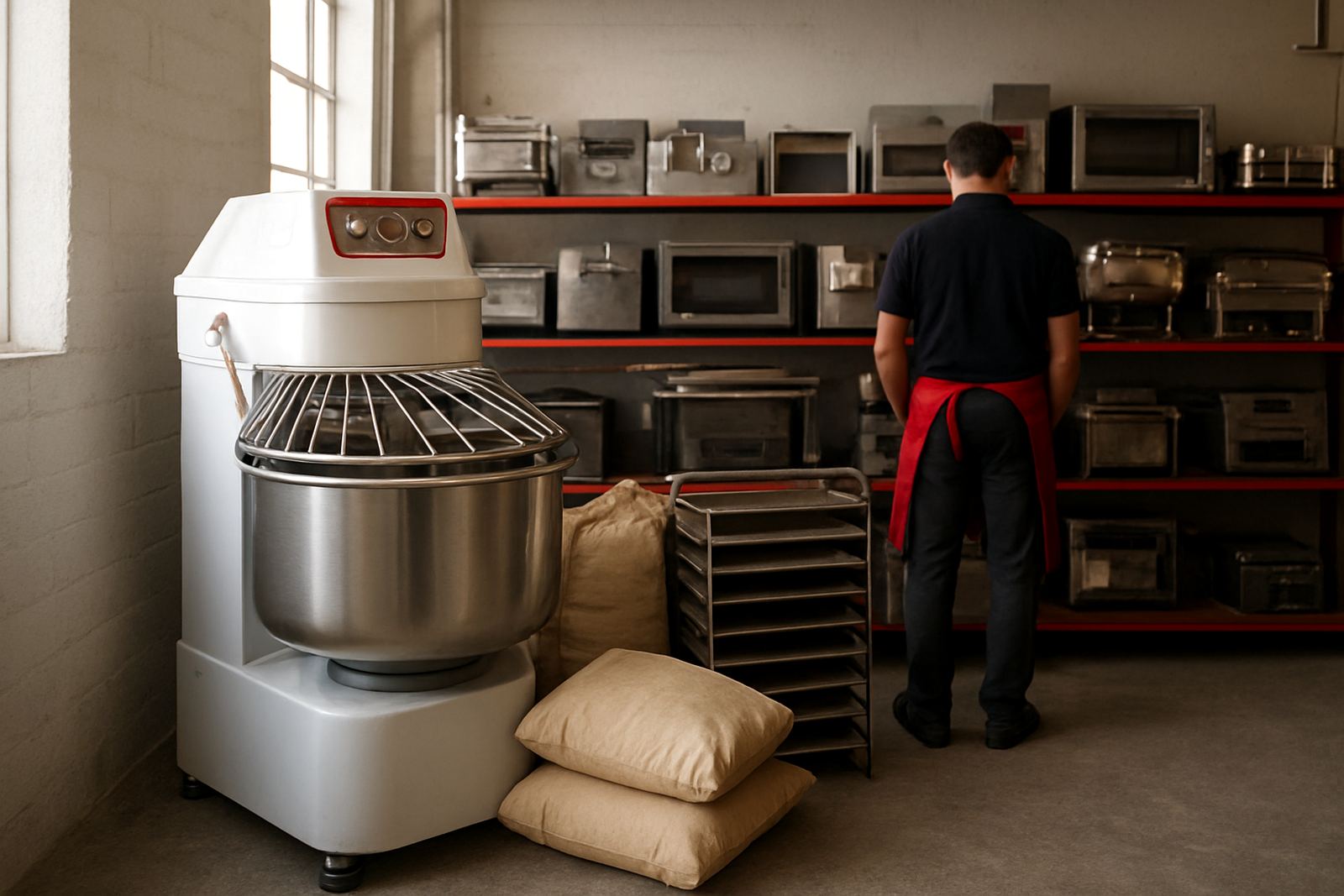
A spiral dough mixer is made for dough, not general mixing. The spiral hook works with a turning bowl to develop gluten properly, which gives you better stretch, stronger structure and more even bake results. That matters when you are making bread rolls, pizza bases, vetkoek dough or similar mixes day after day.
For bakeries, takeaways, school kitchens and restaurants with repeated dough production, this type of mixer is the safer choice than a light duty table mixer. It handles heavier batches, keeps the dough cooler than many other mixer types, and gives more consistent results when staff change shifts or work under pressure. In Gauteng where power interruptions and rushed prep are part of daily life, consistency saves time and waste.
We often supply these units for kitchens that need a dependable machine for regular use, not just once-off pastry work. If you are mixing dough several times a week, a spiral mixer is usually the right fit.
Sizes and options we can supply
Spiral dough mixers are usually selected by bowl capacity and batch size. The right choice depends on how many loaves, pizza bases or rolls you make per shift, and whether the mixer will run once a day or throughout the morning rush. We can quote on new or used equipment and match the unit to your kitchen space.
- Small units for compact kitchens and light production
- Medium units for bakeries, cafés and takeaway shops
- Large floor models for higher volume bread and pizza work
- Fixed bowl or lift and removable bowl configurations
- Single speed or multi speed drive options, depending on the model
- Timed controls and safety guards on many units
Typical bowl sizes range from about 20 litres up to 100 litres and more, with finished dough output varying by mix, hydration and flour type. A 20 to 30 litre machine suits small batch production, while 40 to 60 litres is more practical for steady daily service. Bigger operations often need 80 litres plus, especially where dough is mixed in more than one shift.
Where a spiral mixer suits best
This machine suits businesses that need dough with repeatable quality and no drama around the prep table. We commonly see it used in bakeries, school tuck shops, restaurants, takeaways, canteens, hotels and church kitchens. It also works well for contract caterers that prepare bread dough in advance for service later in the day.
If your site is in Pretoria Central, Centurion, Midrand, Kempton Park, Boksburg or Randburg, we can help you plan the right placement before delivery. On tighter sites, door widths, turning space and floor loading matter. A mixer that looks manageable on paper can be a headache if it cannot pass through the kitchen entrance or sit level on the floor.
For coastal or humid conditions the stainless surfaces and regular wiping become more important, because flour dust and moisture can build up quickly. In Gauteng, the main issue is usually reliable power planning and making sure the mixer is fitted where staff can work safely around it.
Power, installation and site requirements
Before ordering, check what power is available on site. Smaller spiral mixers may run on standard single phase supply, while larger models often need three phase power. Some kitchens have the electrical capacity but not the right outlet or isolator, so it helps to confirm this early. If the unit includes a motor drive and timer controls, stable wiring and correct protection are important.
We handle delivery and positioning, and where needed we can assist with installation planning and kitchen reconfiguration. A mixer should sit on a level surface with enough space around it for loading flour, adding water and cleaning safely. If the bowl lifts or the head raises, allow extra clearance overhead and in front of the machine.
- Confirm single phase or three phase supply before ordering
- Check available amps and the condition of the distribution board
- Allow space for bowl access, cleaning and staff movement
- Ask whether a floor anchor or levelling feet are needed
- Make sure the machine can be positioned near the dough prep area
If your premises are in a municipal building or shared kitchen, it is worth checking any local electrical or occupancy rules first. A proper site assessment avoids delays on delivery day.
How to keep the mixer working properly
Regular care makes a big difference to mixer life. Wipe the bowl, spiral hook and guards after use, and do not leave wet dough on the machine overnight. Flour dust can get into moving parts and wear components faster if it is not cleaned out. The gearbox, belts and bearings should be checked during servicing, especially on machines that run every day.
We provide preventive servicing and breakdown repairs in Pretoria and nearby areas. If the machine starts making unusual noise, struggles under load, trips the power or leaves dough unevenly mixed, it should be checked quickly. A small issue can become a full stoppage during your busiest trade time, which is when you least want it.
Used mixers should be tested for bowl wear, hook alignment, drive condition and control function before they are put into regular service. We also help with workshop refurbishment where a unit has good structure but needs attention to the mixing assembly or electrics.
What to check before you send for a quote
When you ask for a quote, the more detail you give, the better the match. It helps us recommend the right size and avoid under buying or overspending on capacity you will not use. If you are replacing an old machine, send the make, bowl size and any photos of the nameplate if available.
- Product type: bread, pizza bases, rolls or mixed dough use
- Expected batch size per mix and per day
- Available power: single phase or three phase
- Space available for delivery and final position
- Whether you want new, used or refurbished equipment
- Any need for installation, training or servicing after delivery
We can also assist with handover training so your team understands loading, mixing times and basic cleaning. If you are reworking the kitchen layout, we can look at how the mixer fits with your prep table, oven line and storage area. That saves time on the floor and helps keep production moving in a practical way.
Key facts
| Equipment type | Spiral dough mixer for repeated dough production |
|---|---|
| Typical bowl sizes | 20 litres to 100 litres plus, depending on model |
| Batch use | Bread dough, pizza bases, rolls and similar doughs |
| Power options | Single phase or three phase, model dependent |
| Construction | Steel frame with mixing bowl, spiral hook and safety guard |
| Services available | Quotes, delivery, positioning, installation, servicing and repairs |