What a conveyor toaster does in a busy kitchen
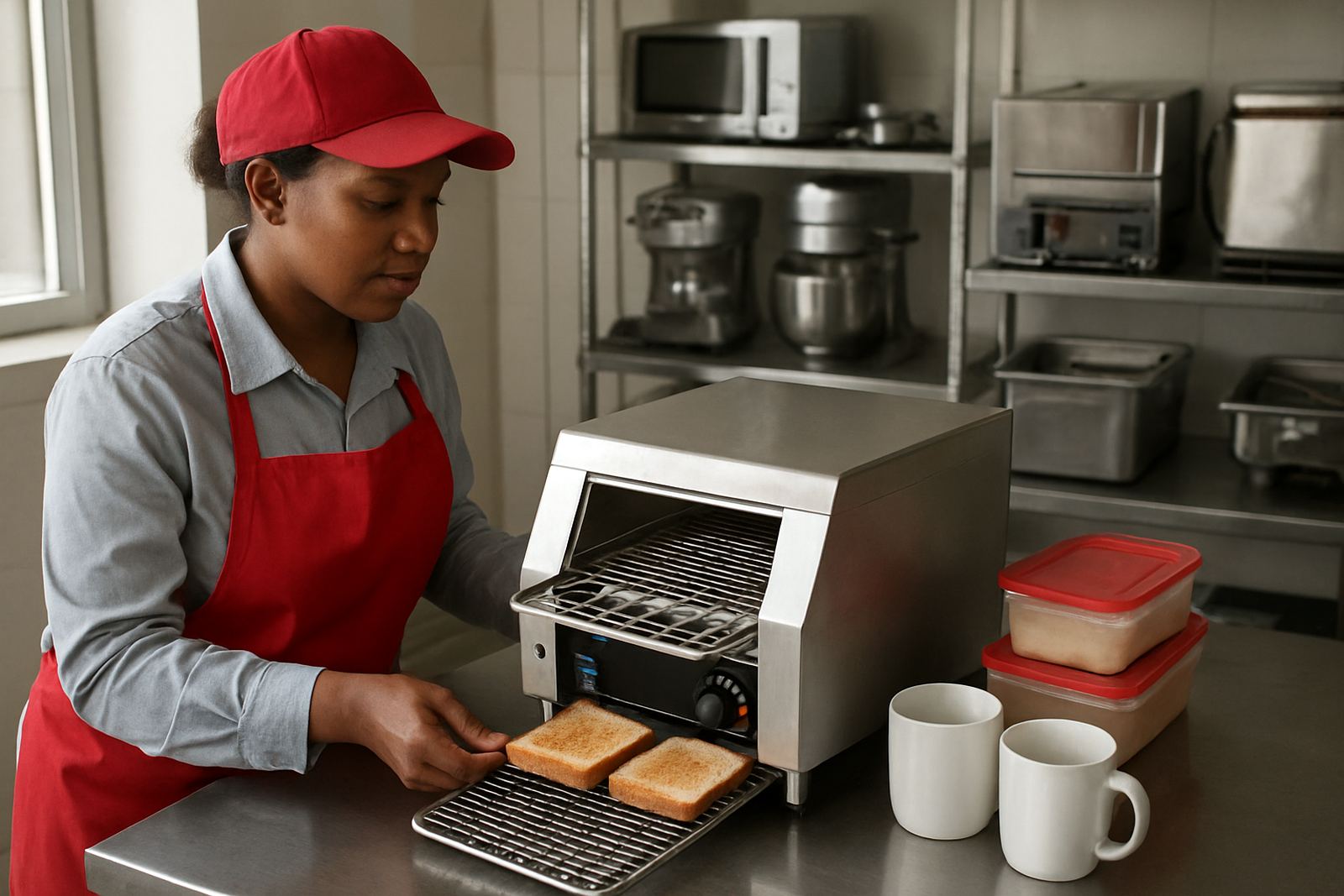
A conveyor toaster feeds bread through heated elements on a moving belt, so staff can produce consistent toast without standing over a pop-up unit. It suits breakfast service where you need a regular flow of toast for buffets, plated breakfasts, school canteens and forecourt counters. The operator sets the heat and belt speed, then the machine keeps moving product through with very little handling.
For kitchens in Pretoria Central, Centurion, Midrand and Randburg, this matters when service starts early and the same station must handle toast, buns and sometimes sliced rolls. A good unit keeps the toaster line moving even when the grill area, eggs and hot trays are all running at once.
Conveyor toasters are usually electric and designed for counter use. They are practical for indoor sites with stable power, although like most heated kitchen gear they still benefit from surge protection and a proper socket point, especially where load-shedding and voltage dips are common.
Sizes and options to match your breakfast volume
The right size depends on how much toast you need per hour and what type of bread you serve. Smaller counter units are suited to coffee shops and small guest houses. Medium and wider belt machines work better in hotel kitchens, canteens, sport clubs and institutional food service where the demand is steady from early morning.
Typical options include variable heat control, speed control, top and bottom heating zones, crumb tray access and adjustable exit height. Some units are made for bread only, while others can also handle buns and thicker items. If your team serves different bread sizes, it helps to confirm the opening height and belt width before ordering.
- Single lane units for lighter breakfast service
- Wider belt units for higher output and bulk runs
- Adjustable heat and speed settings for different toast colours
- Front or rear discharge depending on counter space
In kitchens with limited counter depth, it is worth checking the footprint carefully. Leave enough room behind the unit for airflow and on the discharge side for safe collection, otherwise staff end up crowding the station and slowing service.
Where a conveyor toaster fits best
This equipment works well in places where breakfast is repeated every day and time matters. Hotels use it at buffet stations, canteens use it for staff meals and schools use it where large numbers must be served in a short window. It is also a strong fit for bakeries, takeaways and forecourt kitchens that serve toasted sandwiches or bun runs in the morning.
In Gauteng, the common challenge is not only demand but space. Kitchens in older Pretoria Central buildings, shopping centre food areas and converted offices often have tight prep lines. A conveyor toaster can be positioned on a stainless steel counter close to the bread storage point and service pass, which keeps movement short and reduces spill or breakage.
If the site is near the coast, the risk shifts to humidity and corrosion, but even inland kitchens need regular cleaning because flour dust and crumbs build up quickly. A machine that is easy to wipe down will stay in service longer and will be simpler to hand over to new staff.
- Hotels and guest houses with buffet breakfast
- Canteens serving staff, learners or clinic visitors
- Takeaways, cafes and forecourt convenience kitchens
- School and hostel dining rooms with fixed meal times
Power, placement and installation needs
Most conveyor toasters run on electricity and should be connected to the correct voltage and plug type for the model supplied. Before installation, check the amperage, socket position and whether the kitchen has enough spare capacity on the circuit. In older premises, especially where multiple heaters and kettles share one line, a site assessment is useful before the order is placed.
The unit must stand on a firm, level surface with clear airflow around it. Do not push it hard against a wall or place it below hanging cupboards that trap heat. Positioning also matters for the belt discharge side, because toast must land into a tray, basket or service area without staff reaching across the heat source.
- Confirm voltage, plug type and circuit capacity before delivery
- Allow free air movement around the toaster body
- Place the unit on a stable counter, not a shaky table
- Keep paper goods and plastic items away from the hot discharge area
Afchain can assist with delivery and positioning in Pretoria, Centurion, Midrand, Kempton Park, Boksburg and Randburg, and where needed we can help with a full kitchen check so the toaster is placed where it will work properly from day one.
Care, cleaning and servicing that keep output steady
Routine care is simple but important. Crumbs must be removed daily because they collect under the belt and around the trays. The exterior should be wiped with a damp cloth once the machine is cooled down, and any food spills should be cleared before they harden. If the toaster is used for buns or buttered items, the grease build-up will be faster so cleaning needs to be more regular.
Good servicing protects the heating elements, motor and belt alignment. A service check can pick up worn rollers, uneven heating, noisy movement or parts that are getting tired before the machine stops in service. For sites running breakfast seven days a week, preventive servicing often saves more money than waiting for a breakdown and replacing parts under pressure.
Our workshop team in Silverton can inspect used units, carry out repairs and help with refurbishment where the frame and main structure are still sound. For kitchens dealing with heavy demand, that is often a better option than replacing the whole machine straight away.
What to check before you ask for a quote
When you request a quote, give as much detail as possible so the correct machine can be matched to your kitchen. Mention how many slices per hour you need, whether the unit will toast bread only or also buns, and how much counter space is available. If you are replacing an old machine, a photo of the existing setup helps a lot.
Also confirm the power point position, whether the kitchen has single phase supply, and if the site is a hotel, school, or contract catering space with fixed serving times. If the machine must be moved through narrow passages, lifts or stairways, the delivery path should be checked in advance.
- Expected breakfast volume per hour
- Bread type, bun use, or mixed product use
- Available counter space and clearance
- Voltage, plug point and circuit capacity
- Delivery access, stairs or lift restrictions
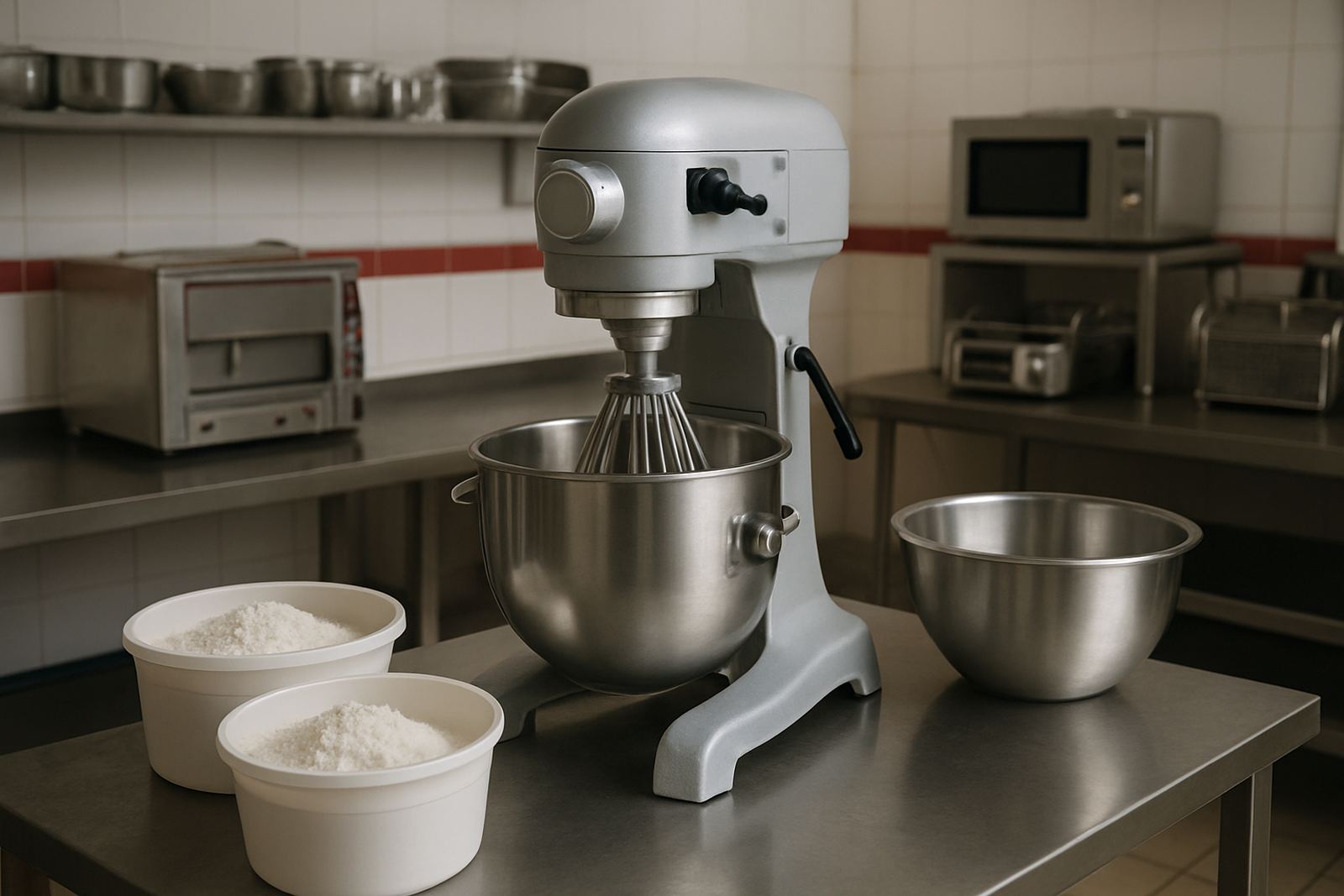
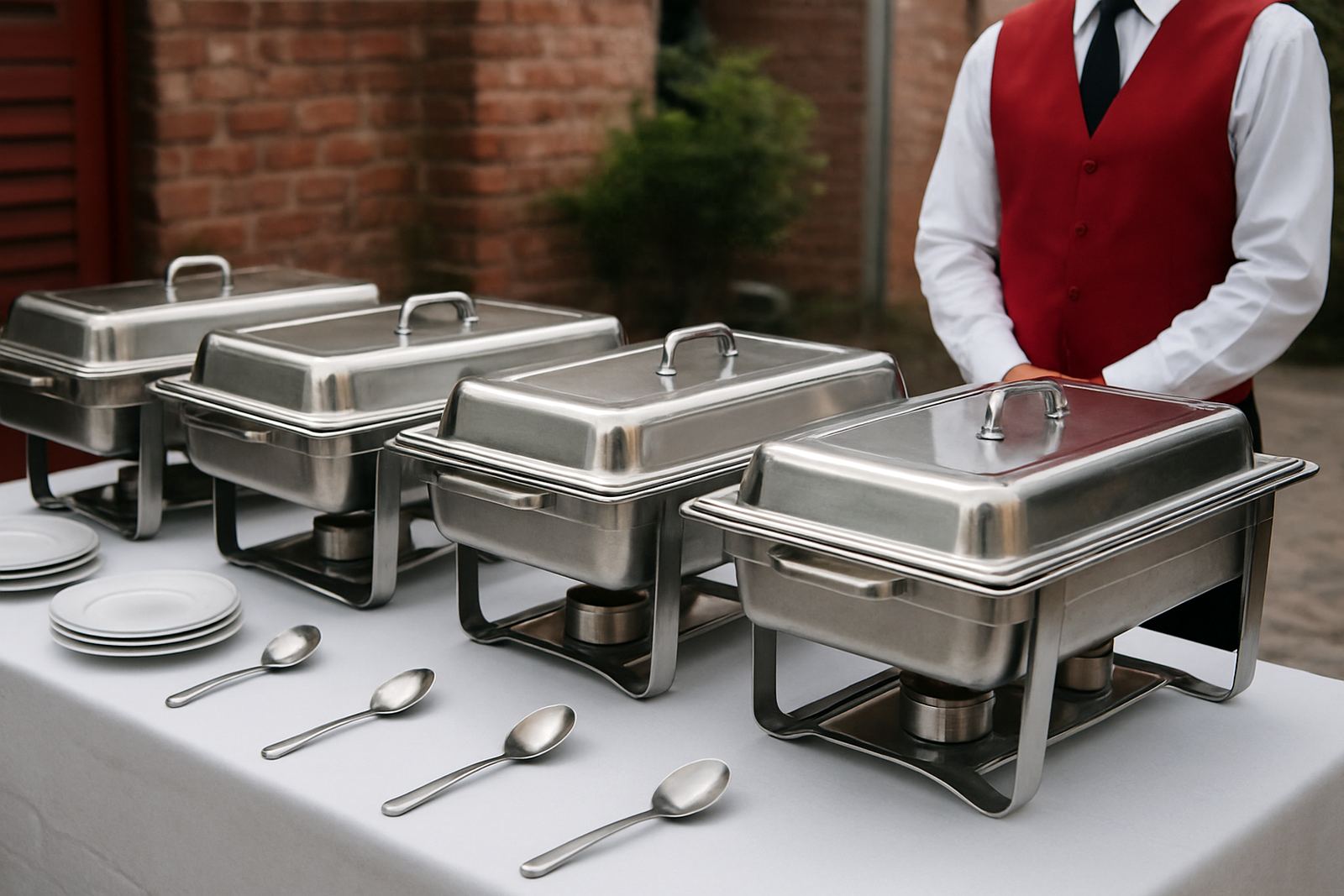
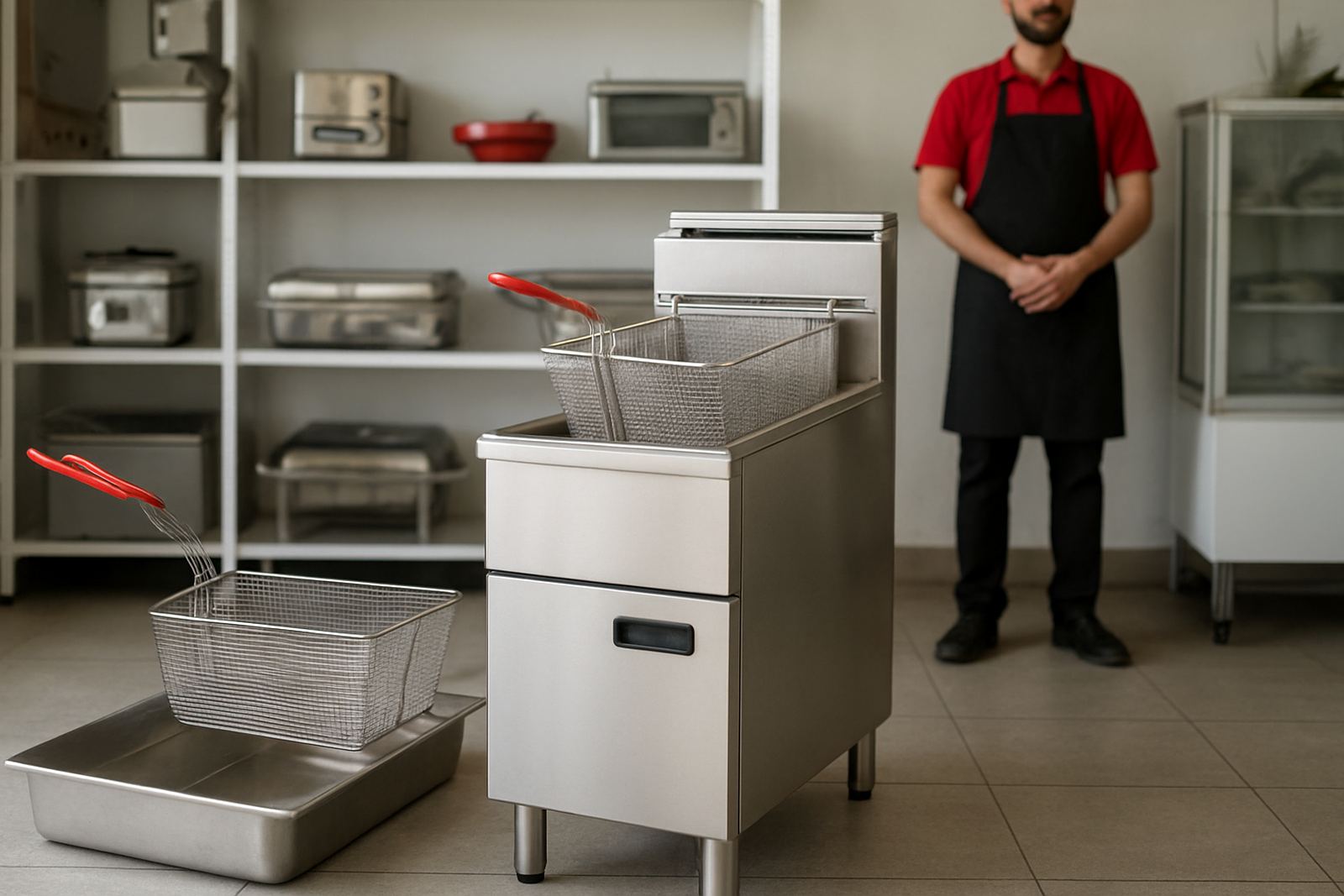
Afchain issues quotes for new and used conveyor toasters, and can also source matching equipment for the rest of the breakfast line, such as fryers, mixers, microwaves and chafing dishes if your kitchen is being set up or reconfigured.
Local supply for Pretoria and Gauteng kitchens
Afchain Catering Equipment has been supplying commercial kitchen equipment since 2011 from Silverton, Pretoria. We work with hotels, canteens, lodges, schools and food service operators across Pretoria Central, Centurion, Midrand, Kempton Park, Boksburg and Randburg. Our team can assist with quotes, site assessments, delivery and positioning, installation, preventive servicing, breakdown repairs and workshop refurbishment.
If you need a conveyor toaster for a new breakfast counter or a replacement for an older unit that is no longer keeping up, send your requirements to quotes@afchain.co.za. We will check the load, space and supply needs with you, then advise on the best option for your kitchen and budget.
Key facts
| Product type | Commercial conveyor toaster |
|---|---|
| Power | Electric, model dependent on voltage and amperage |
| Output | Continuous feed for sliced bread and selected buns or rolls |
| Controls | Variable heat and belt speed on most models |
| Installation | Countertop placement with clear ventilation space |
| Use areas | Hotels, canteens, cafes, takeaways and breakfast buffets |