Open-burner heat for pots, sauces and stock pots
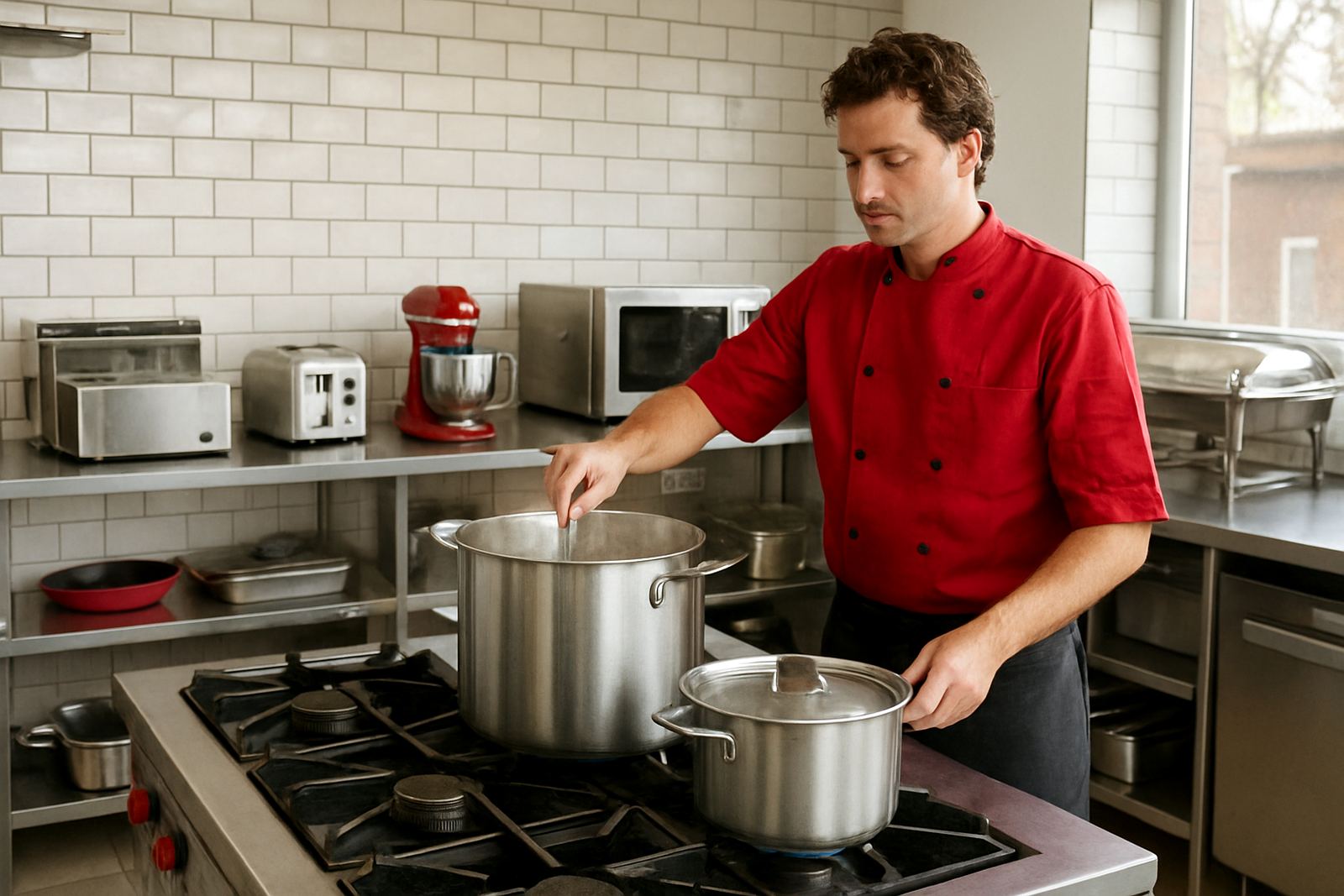
A gas boiling table is an open burner cooking line made for direct flame cooking under heavy pots and pans. It is commonly used for sauces, soups, gravies, stock, vegetables and bulk prep where electric plates can take too long to recover. In a Pretoria kitchen, that quick response matters when service starts early and the gas bottle or fixed line must carry the rush without tripping on power cuts.
Most units are built in stainless steel for easier cleaning and better life in warm kitchens. The top is usually raised enough to keep pots stable, with heavy pot stands or pan supports above each burner. A proper boiling table should give even flame spread, solid control and enough working space around the burners so staff can move safely.
- Suitable for simmering, boiling and fast reheating
- Good back-up cooking when load shedding hits
- Useful in central prep areas and production kitchens
Sizes and burner layouts for different kitchen volumes
Gas boiling tables are normally supplied in single, double, triple or four-burner layouts, depending on the amount of batch cooking needed. Smaller operations often choose a 600 mm or 900 mm unit for sauces and daily prep, while busier canteens, hospitals and contract kitchens may need 1200 mm or 1500 mm lengths with more than one operator working at the same time. Width and height can vary, but many units sit around standard stainless kitchen working height for practical use.
When ordering, it helps to think about pot sizes as much as burner count. A table with four burners may be fine for medium stock pots, but if your team uses 30 litre to 50 litre pots you need enough clearance, burner spacing and pan strength. In some kitchens, a lower frame is preferred for extra stability, while others need castors for cleaning and kitchen reconfiguration. Tell us if you need fixed feet or wheels, because that changes positioning and service access.
- Common lengths: 600 mm, 900 mm, 1200 mm and 1500 mm
- Typical burner options: 1, 2, 3 or 4 burners
- Frame choices: fixed legs or lockable castors
Where a gas boiling table fits best in Gauteng kitchens
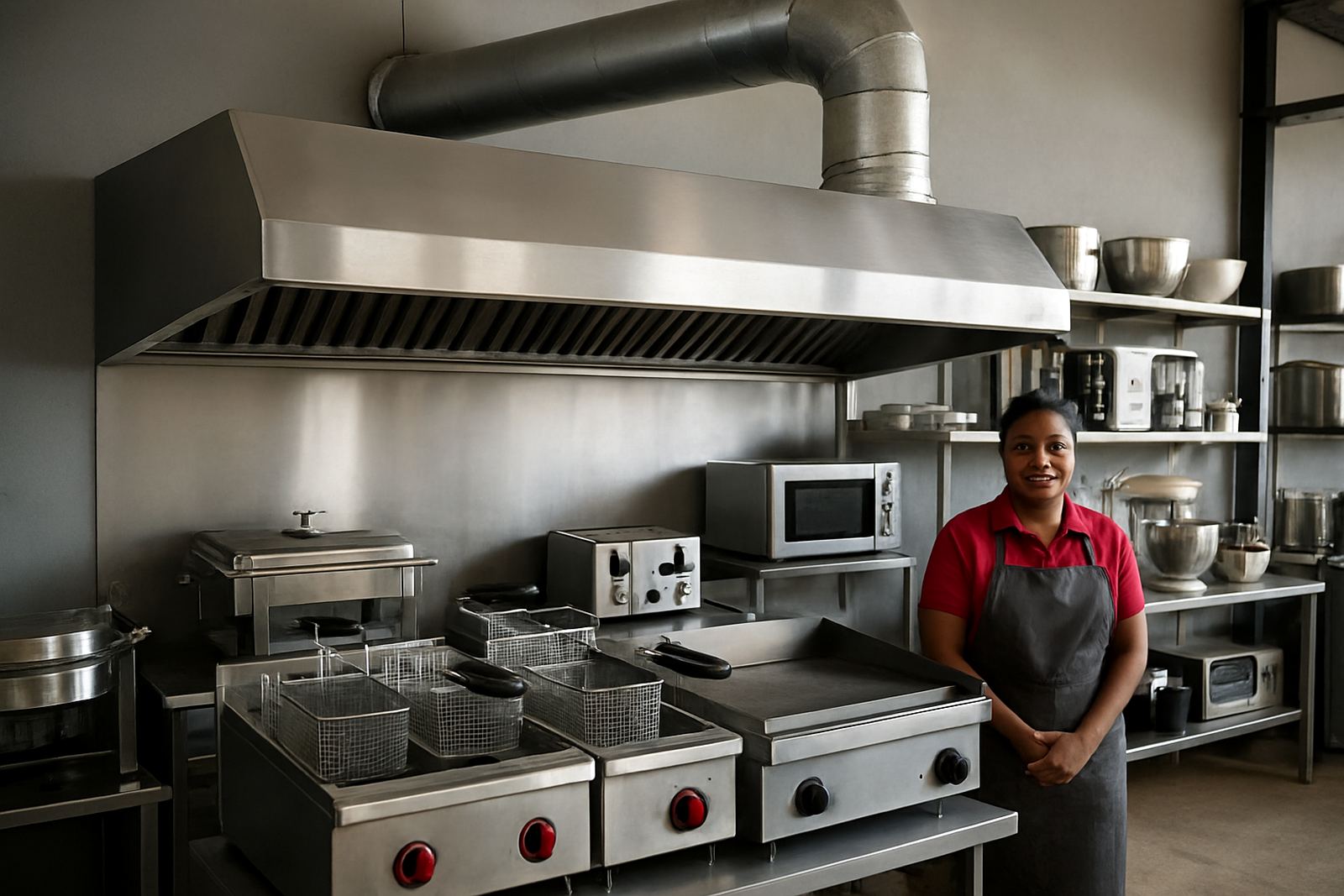
This equipment suits takeaway shops, school kitchens, hotels, contract caterers, butcheries with hot-food sections and institutions that do regular batch cooking. In Centurion, Midrand and Kempton Park, we often see boiling tables used in prep rooms where staff need reliable heat before lunch rush. In Randburg or Boksburg, the same unit may sit beside a fryer or mixer line to keep soups and sauces moving while other equipment handles the rest of the menu.
It also works well in kitchens that need to stay open during power outages. Gas gives you better control during load shedding, but ventilation still matters and so does safe spacing from fridges, combustible wall finishes and stored packaging. If the unit will sit near a wall, under a canopy or in a tight prep bay, the site layout should be checked first so the flame is not fighting poor airflow or awkward traffic. That sort of planning saves trouble later.
- Good for batch cooking and holding sauces at temperature
- Handy in kitchens with regular load shedding
- Best placed where staff can move pots safely
Gas connection, ventilation and installation checks
A gas boiling table needs the correct gas supply, a safe regulator setup and enough ventilation for steady combustion. Depending on the model and site setup, it may run from cylinders or a fixed gas manifold. The installer should check hose routing, isolation valves and the position of gas bottles so the arrangement stays compliant and practical for daily use. In many Gauteng premises, the biggest issue is not the appliance itself but poor placement, bad gas runs or not enough airflow in the room.
For installation, the floor must be level and able to carry the loaded weight of the table plus full pots. If the kitchen has tight corners, the unit may need to be delivered and positioned before final gas connection. We also recommend checking the nearby extraction and grease build-up, because open burners produce heat and odours that should not linger over the cooking line. If the gas line is long, or there are multiple appliances sharing supply, the pressure drop must be tested before handover.
- Confirm cylinder or fixed-line supply before delivery
- Check extraction, clearances and floor level
- Allow space for safe shut-off and servicing
Care, daily cleaning and preventive servicing
Daily care is simple but it must be done properly. Turn off the gas supply, let the burners cool and wipe spills before sugar, starch or sauce hardens on the top. Burner ports should be kept clear and pan supports should sit correctly after every clean. Stainless steel can stain if harsh chemicals are left on the surface, so a food-safe cleaner and soft cloth are usually enough for normal work. In coastal humidity, even inland kitchens can still see light surface marks if the unit is not dried after washing.
Preventive servicing helps avoid weak flames, blocked jets and ignition problems. Over time, gas hoses harden, seals loosen and burner parts need inspection. Our service team handles breakdown repairs, workshop refurbishment and routine checks for kitchens in Pretoria Central, Silverton, Centurion and surrounding areas. If the flame is uneven, yellow or lifting off the burner, stop using it and have it checked before the issue grows into a bigger fault.
- Clean burner areas daily to prevent blockages
- Inspect hoses, valves and flame colour regularly
- Book servicing before peak trading periods
What to check before you ask for a quote
Before you request a quote, measure the available wall length, note the gas supply type and estimate the size of the pots you use most often. It also helps to know whether the table must fit through a narrow doorway, passenger lift or back entrance at delivery. If you need old equipment removed, or the kitchen layout changed, mention that at the start so the installation plan can be matched to the space. Small details save time and reduce costly rework.
Send through the site location, the number of burners you need, whether the unit is for a takeaway, school, hotel or staff kitchen, and whether you want new or used equipment. If you are planning for future growth, say so, because a slightly longer table can be worth it when menu volumes increase. Our team can assist with equipment quotes, site assessments, delivery and positioning, handover training and kitchen reconfiguration, so the unit arrives ready for work, not just dropped at the door.
- Measure the floor space and doorway width
- Confirm gas supply type and pot sizes
- Tell us if you need delivery, installation or training
Key facts
| Product type | Gas boiling table, open burner cooking line |
|---|---|
| Typical sizes | 600 mm, 900 mm, 1200 mm, 1500 mm |
| Burner options | 1, 2, 3 or 4 burners |
| Construction | Stainless steel body with heavy pot supports |
| Gas supply | Cylinder or fixed gas line, depending on site |
| Use case | Soups, sauces, stock, batch prep and load shedding back-up cooking |