Community meal prep in Sunnyside needed proper flow
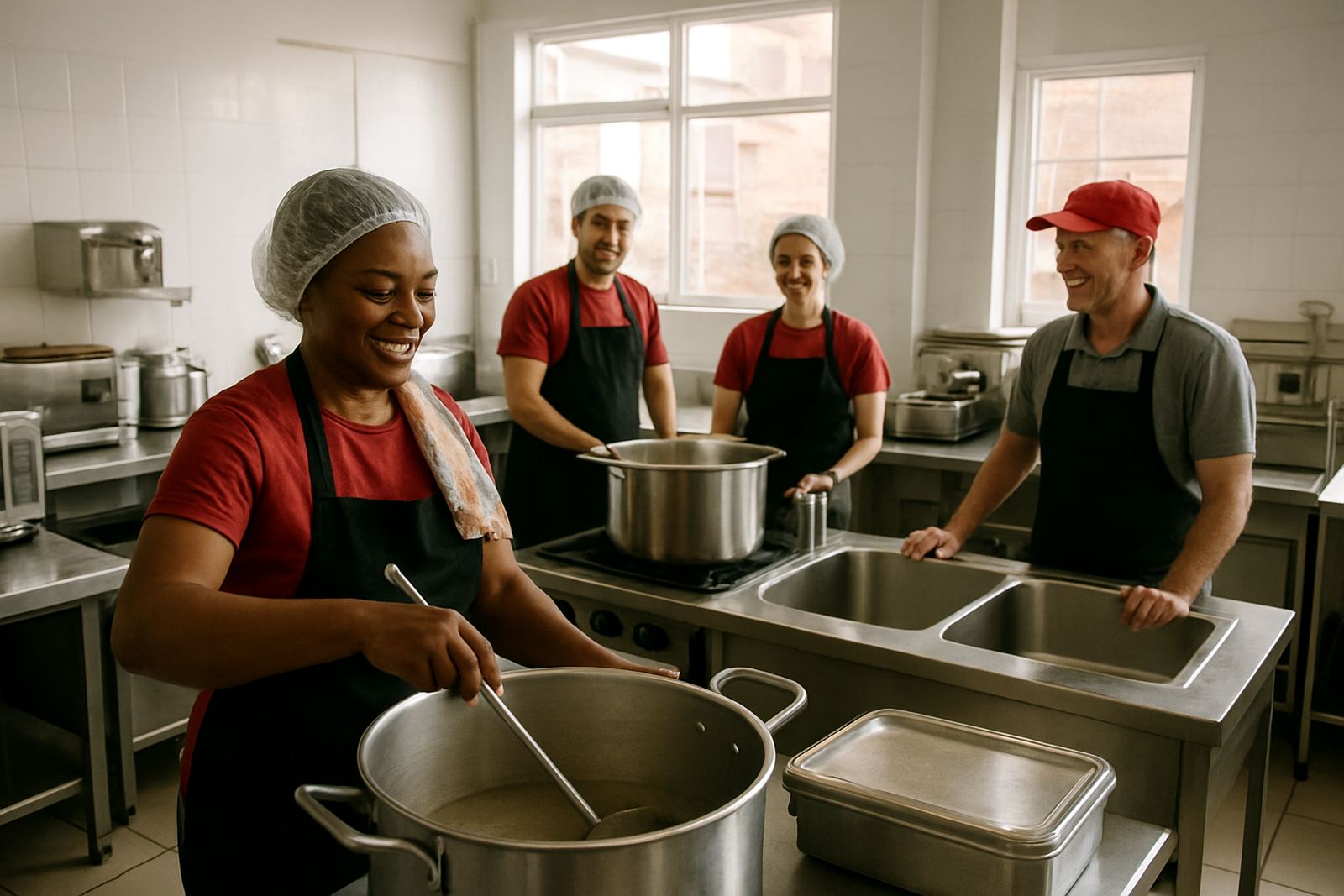
The client was a community feeding kitchen in Sunnyside, serving daily meals from a busy inner-city property with limited room and constant foot traffic. Their team needed equipment that could handle bulk cooking, quick washing down, and safe holding of food without turning the kitchen into a bottleneck.
The brief focused on practical output rather than fancy features. They needed a layout that let one team cook while another team washed pots, drained trays, and reset the station for the next service. Space was tight, power supply was not always steady, and the kitchen had to stay easy to clean at the end of each shift.
We inspected the site first and measured the room, the door widths, the drain points, and the available electrical load. That visit showed where the old layout was slowing everyone down and which items could be grouped together to save steps.
What the kitchen had to cope with every day
The feeding kitchen had a few hard limits that shaped the job. There was one main prep room, a wash-up area, and a serving point that had to stay clear during busy periods. Storage was also limited, so every item supplied had to earn its place.
- Limited floor space with narrow access points for delivery and positioning
- High daily volume of pots, trays, utensils and hot boxes
- Load-shedding risk, so cooking gear needed to recover quickly after power interruptions
- Regular water use, which meant proper drainage and splash control mattered
- Steam and humidity from nonstop cooking, plus cleaning with strong detergents
The client also wanted equipment that local volunteers could use without special training. That meant clear controls, sturdy handles, easy-to-read temperature settings, and surfaces that could be wiped down fast. We kept the specification practical, with no unnecessary add-ons that would only create more maintenance.
Cooking and washing stations we supplied
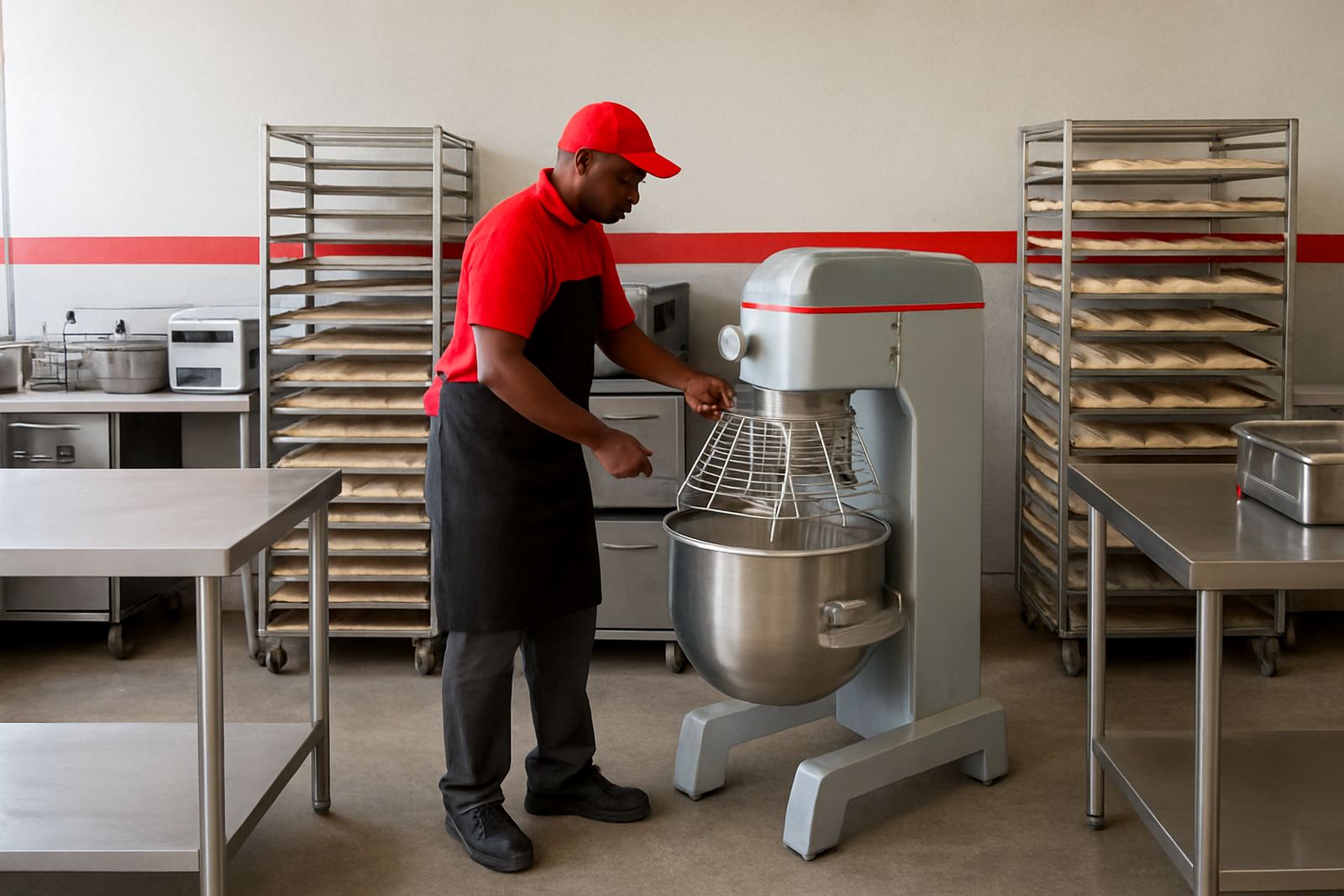
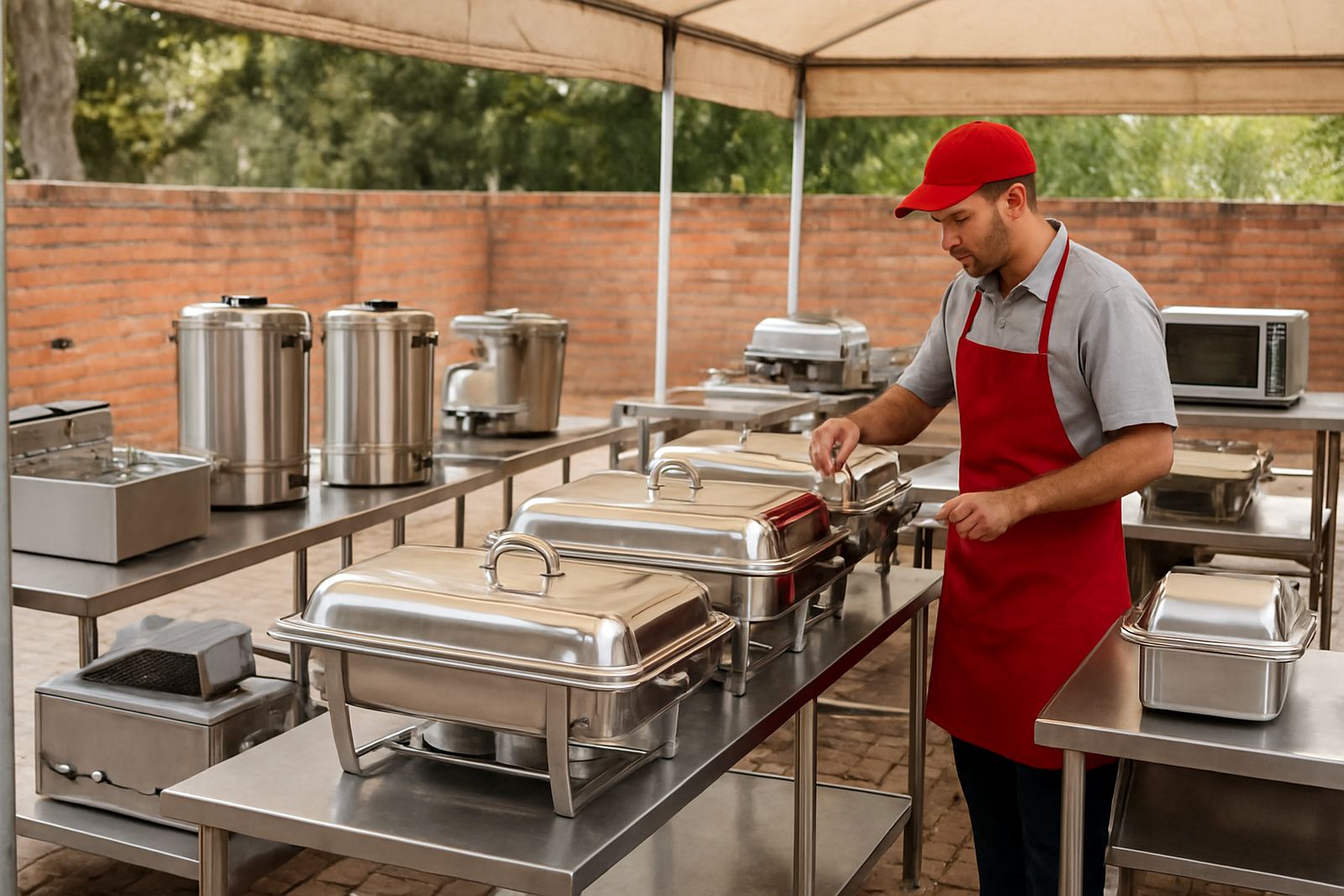
We supplied a set of cooking and washing stations matched to the actual volume on site. The package included commercial fryers for fast batch work, countertop toasters for breakfast service, a mixer for food prep, a microwave for quick reheating, and chafing dishes for holding food at serving temperature. We also supplied used equipment where it made sense, after checking condition and making sure the items were fit for the job.
The bigger items were chosen for durability and easy cleaning. Stainless steel work surfaces were used where the team needed daily wipe-downs, and the hot holding equipment was arranged so serving lines would not cross over the washing area. That kept movement simple and reduced the chance of spills or delays.
- Commercial fryers sized for repeated daytime batches
- Countertop toaster units for quick breakfast and bread service
- Food mixer for bulk prep and batter work
- Microwave for fast reheating and last-minute plate-up
- Chafing dishes for safe serving and short-term holding
- Used equipment sourced and checked before supply
Installation, positioning and handover training
Once the equipment was ready, our team delivered to Sunnyside and positioned each unit to suit the workflow on site. The main goal was to keep the cook line, wash-up point, and holding area separate enough for safety, but close enough for volunteers to move quickly between them.
Kagiso Molefe handled the installation work on site, with the workshop team preparing the equipment before dispatch. Sibusiso Dlamini coordinated service checks so the units would be ready for daily use, and Nadia Petersen handled the quote detail and procurement side. Mpho Sekgobela signed off the final setup with the team after the kitchen walk-through.
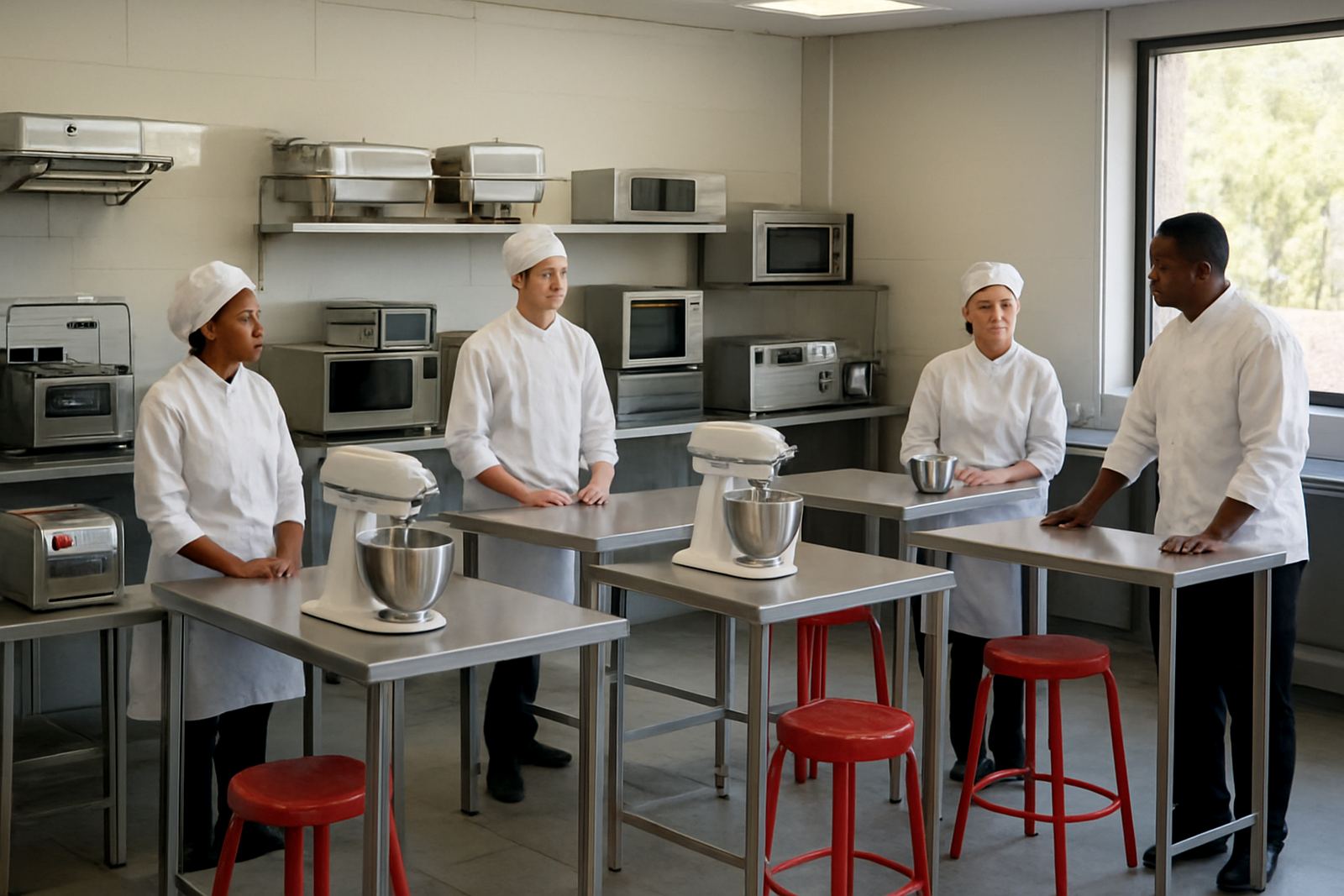
We also did handover training with the staff and volunteers. That covered start-up checks, safe heating, basic cleaning, and what to do if a unit tripped during load-shedding. It sounds simple, but in a busy feeding kitchen the first ten minutes of every shift matter a lot.
Timeline from site visit to first service week
The full project ran over three weeks from first visit to handover. Week one was the site assessment and equipment list. Week two covered sourcing, testing, and workshop preparation. Week three was delivery, installation, and training on site.
The pace worked because we kept the scope focused. There were no unnecessary changes mid-job, and the client confirmed the priority was to get the kitchen functional before the next service cycle. The team also appreciated that we could supply both new and used items, which helped stretch the budget without dropping the standard of the working spaces.
- Week 1: site visit, measurements and equipment selection
- Week 2: sourcing, workshop checks, refurbishing and prep
- Week 3: delivery, positioning, handover and staff training
Results after the kitchen started running daily
After installation, the team reported faster turnaround between cooking, washing and serving. Food could be prepared in batches without crowding the wash-up side, and the holding setup made service smoother during peak meal times. The layout also reduced walking back and forth, which mattered because the volunteers were often working with limited time and a small team.
The client’s main win was control. They now had clearer stations, better use of the floor area, and equipment that could take daily use without constant adjustment. Cleaning was easier too, because the surfaces and positions were planned with wash-down in mind. In a kitchen like this, that saves time every single day.
If we were doing the job again, we would use the same approach: measure first, simplify the workflow, and match the equipment to real volunteer numbers rather than theoretical capacity. We would also keep the same focus on service access, because a kitchen that can be maintained properly lasts longer and costs less to run over time.
Key facts
| Project | Sunnyside Feeding Kitchen, Pretoria |
|---|---|
| Client type | Community meal preparation kitchen |
| Timeline | 3 weeks from site visit to handover |
| Key equipment | Fryers, toasters, mixer, microwave and chafing dishes |
| Services included | Site assessment, delivery, installation, training and servicing |
| Base area | Silverton, Pretoria with Gauteng delivery and support |