A temporary kitchen for a busy event programme
The client was an events team in Rocherville, Pretoria, working from a hired venue with limited kitchen space and only a short window for bump-in. They needed a practical support area for plated service, staff refreshments and light prep for a multi-day function, not a full permanent kitchen. The service area had to stay neat for front-of-house, and the equipment needed to be simple enough for temporary staff to use without slowing the line.
The main challenge was space. The venue had one narrow access route, a shared loading bay and a power supply that could not be treated as stable throughout the day. There was also no room for large built-in counters, so we planned the package around mobile units and plug-in equipment that could be positioned quickly and moved if needed.
What the brief asked us to solve
The brief was clear: supply holding, prep and beverage units that could keep food safe, speed up service and reduce pressure on the caterer’s own team. The client wanted equipment sized for an event kitchen rather than a restaurant, with enough capacity for a few hundred guests across the programme. They also asked for quote support upfront, because the final layout had to fit a fixed event budget.
- Keep hot food in holding condition during peak service windows
- Provide clean prep space for sandwiches, garnishes and plated items
- Support tea, coffee and cold beverage service from one compact station
- Allow for power interruption planning during load-shedding
- Make the setup easy to clean and pack down after the event
We also had to think about municipal and venue rules. The site allowed temporary catering gear only, with no drilling into floors and no loose cables across walkways. That meant cable routing, drip trays and safe placement mattered as much as the equipment itself.
Holding, prep and beverage units supplied
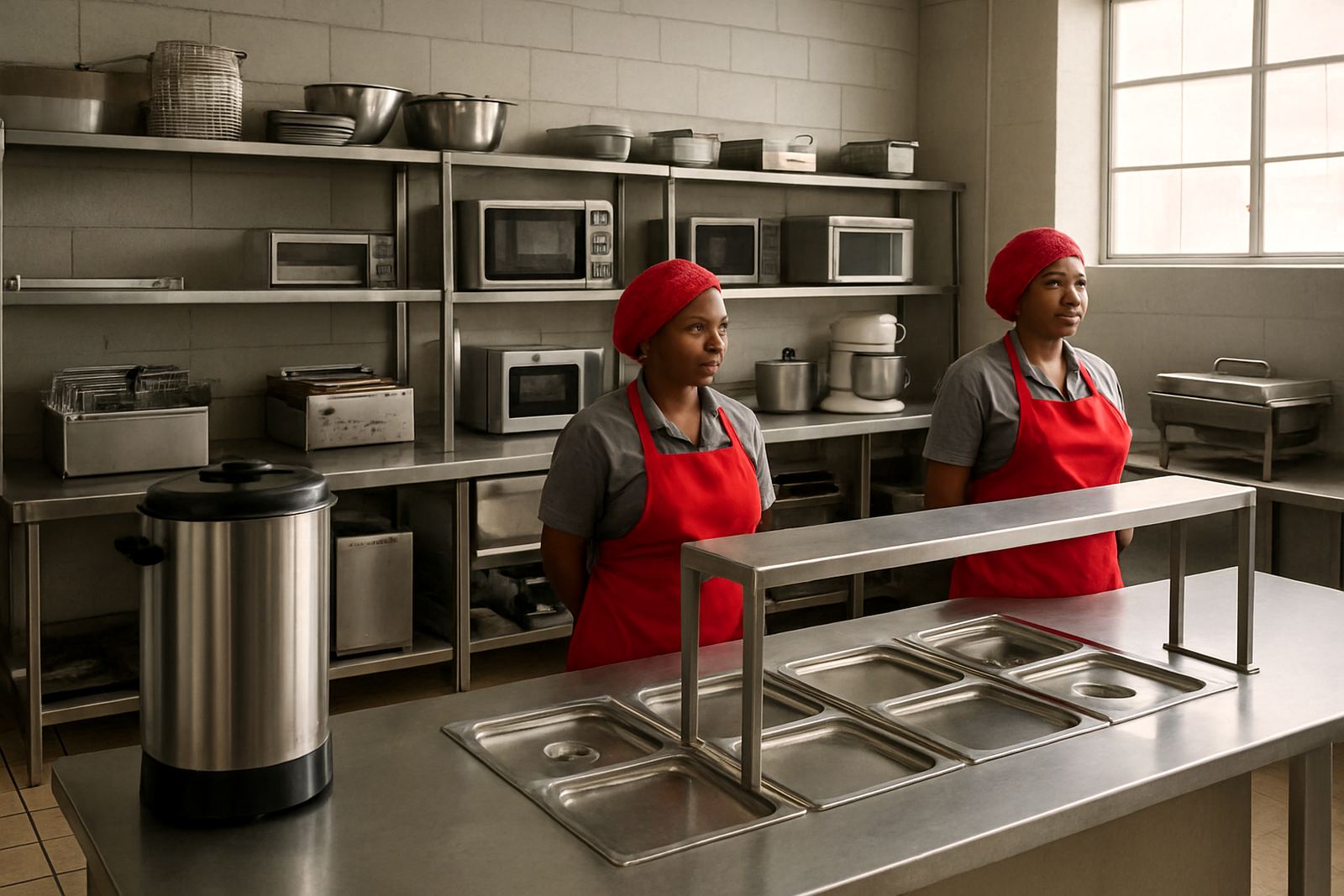
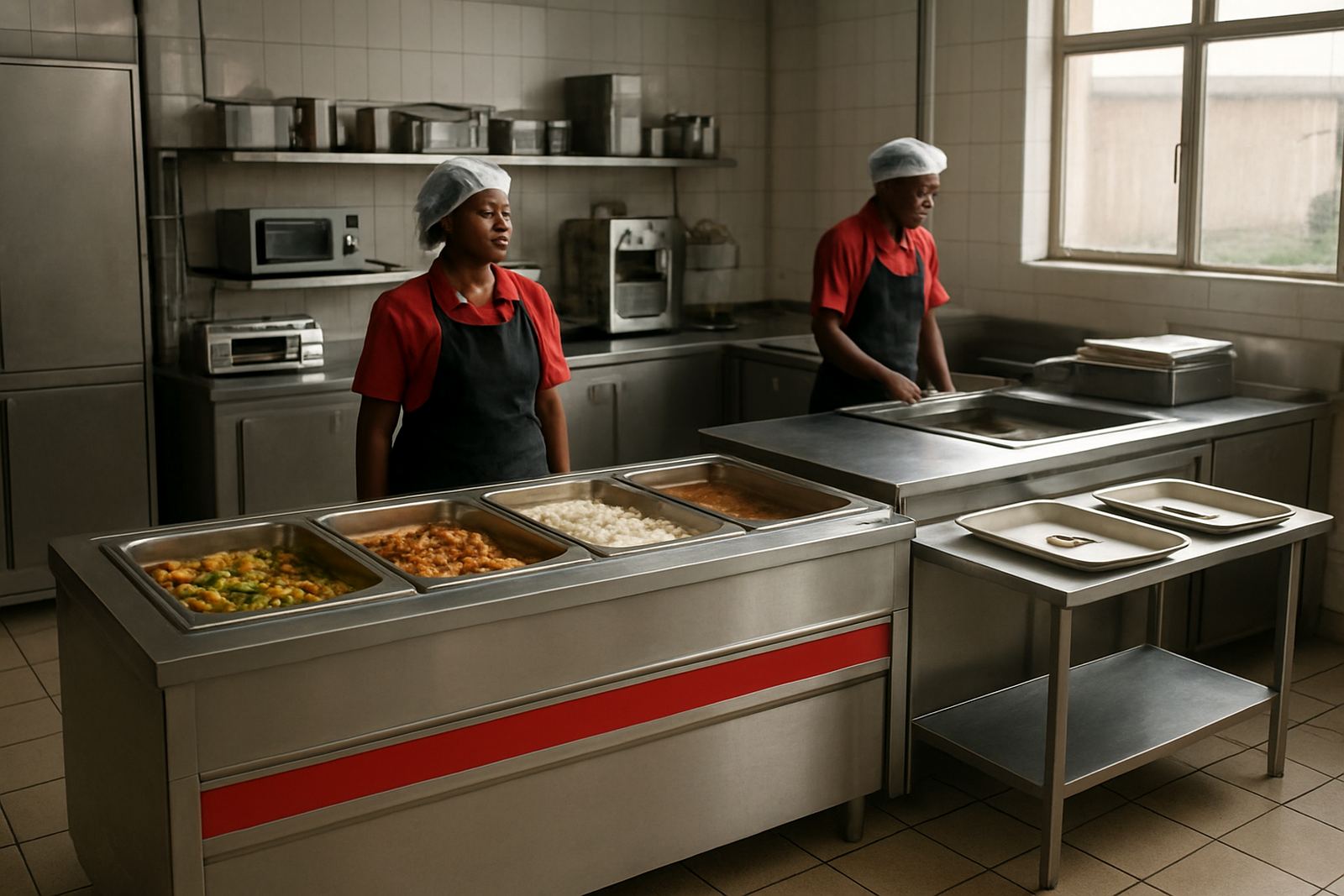
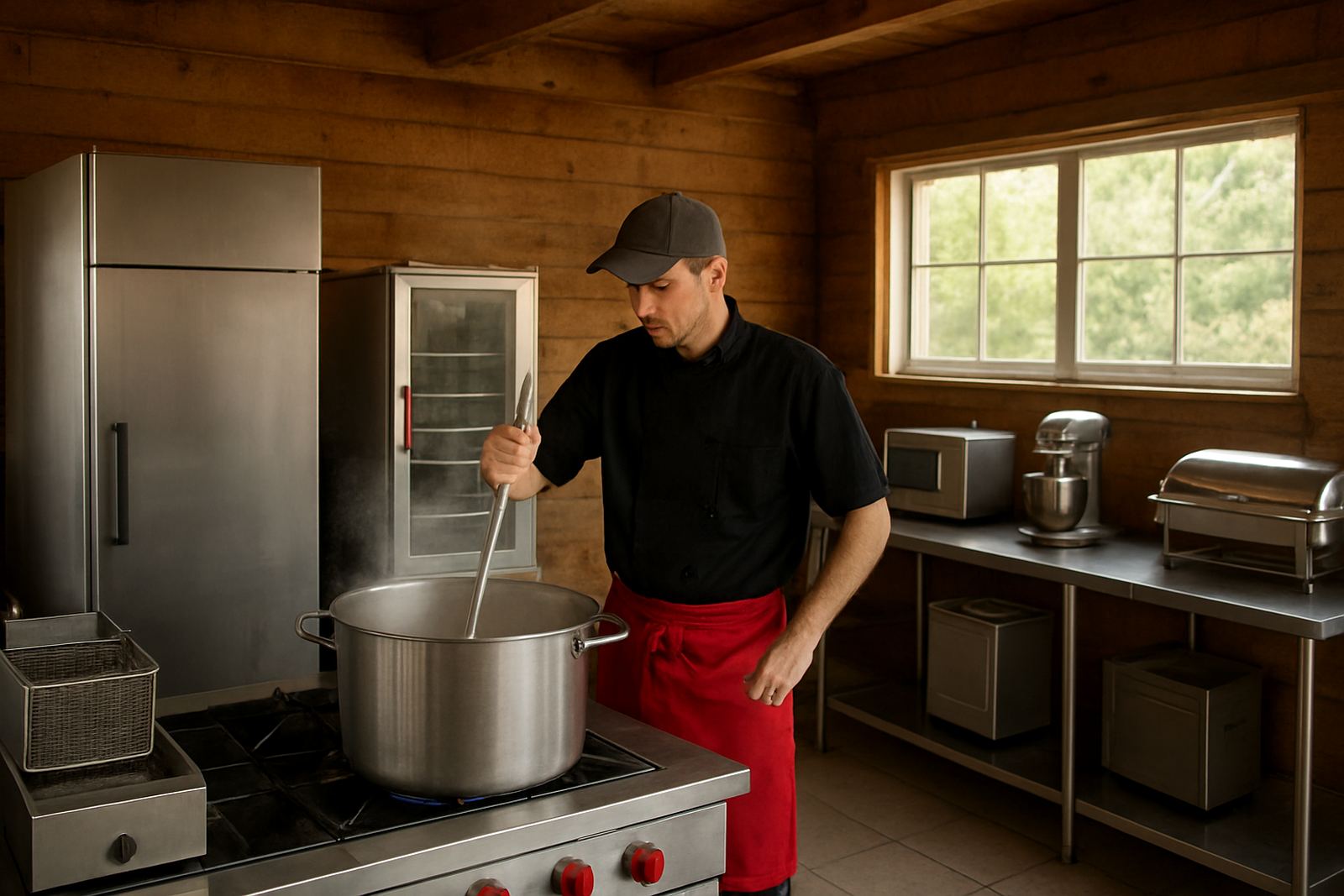
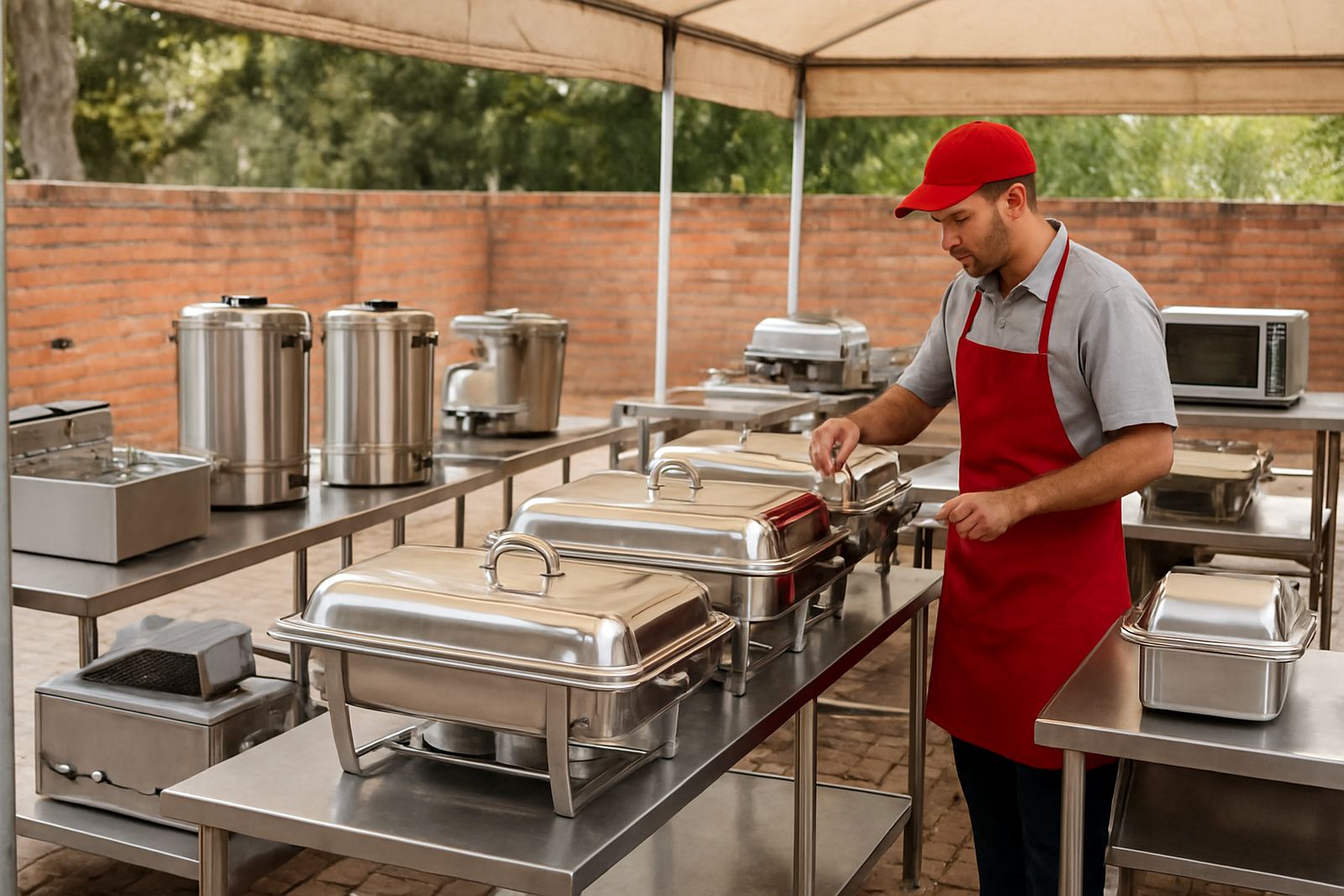
We supplied a temporary package built around countertop and mobile equipment that could work together in a small footprint. The holding side included heated units for plated food and covered pans for staggered service. For prep, we added chilled and dry working surfaces sized for short turnaround tasks. The beverage area included hot water support, a compact warming unit and space for cups, milk and stock rotation. Nothing over-complicated, just equipment that could keep pace with the event.
- 2 hot holding units for plated and batch service
- 1 prep station with clean working surface and undercounter storage
- 1 beverage unit for tea and coffee support
- Mobile trolley-style positioning for easier movement during setup
- Extension and distribution planning for the venue’s available sockets
The holding units were selected for even heat distribution, which helped avoid dry edges and cold centres during long service periods. The prep section was kept separate from the hot side so the team could move efficiently without crowding each other. On the beverage point, we kept the layout simple, because at events like this people queue faster than expected and every extra movement slows service.
How we managed the timeline and setup
The project ran over two weeks from first enquiry to final handover. In week one we did the quote, discussed the venue plan and checked the power load. We also confirmed access times, door widths and the position of the holding area so there would be no surprises on delivery day. In week two we delivered, positioned and tested the units before the client’s own team started preparation.
Our service coordinator set the sequence so the installer could place the equipment first, then the workshop team checked each unit before sign-off. The whole point was to avoid last-minute scrambling. A temporary event kitchen can go from calm to chaotic very quickly, especially when suppliers arrive at the same time and the caterer is already plating food.
- Week 1: site assessment, quote and layout planning
- Week 2: delivery, positioning, setup and function testing
- Event days: standby support for quick checks and advice
The team in Rocherville appreciated that we kept communication direct. They knew what was arriving, where it would sit and how it would be powered. That reduced pressure on the event manager and saved time for the kitchen crew.
Service, training and support during the event
Once the equipment was in place we gave handover training to the event staff. That covered start-up, safe operation, cleaning points and what to do if a unit tripped during a power interruption. We also explained how to keep the holding units loaded correctly so the heat stayed consistent. Small details matter here, because a crowded pan and a rushed refill can undo the best setup.
Our service approach did not stop at delivery. We stayed available for breakdown advice, and the client knew who to call if anything needed adjusting during the run. That matters on temporary work, because event kitchens often change by the hour. One tray runs low, a beverage point gets busier than planned, or a prep area needs to be moved 300 mm to create better flow. We try to leave enough flexibility for that.
What changed for the client after handover
The result was a cleaner, faster support area that let the caterer focus on food and guest service. The holding units kept service moving, the prep station reduced congestion and the beverage point handled traffic without crowding the main cooking area. The client said the biggest win was control, they could see exactly where stock was, who was using which unit and how long each part of the line would take.
If we were to do this job again, we would keep the same layout logic and probably add a second small prep surface if the guest count moved up. For a function of this type, the right answer is usually not more equipment for the sake of it, but the right mix in the right places. That is especially true in Pretoria, where event venues can vary a lot from one suburb to the next and every site has its own quirks.
Afchain has been doing catering equipment work from Silverton since 2011, so these temporary kitchen requests are part of our day-to-day. We are used to working with quotes, servicing and practical equipment choices for Pretoria and Gauteng, from Centurion and Midrand to Kempton Park, Boksburg and Randburg. Rocherville was a good example of how a temporary event package should be handled: simple, tidy and ready for service.
Key facts
| Project type | Temporary event kitchen support package |
|---|---|
| Location | Rocherville, Pretoria |
| Timeline | 2 weeks from enquiry to handover |
| Equipment supplied | Holding units, prep station, beverage unit, mobile trolleys |
| Power context | Planned for intermittent load-shedding and limited sockets |
| Afchain base | Silverton, Pretoria |