What the Centurion school needed
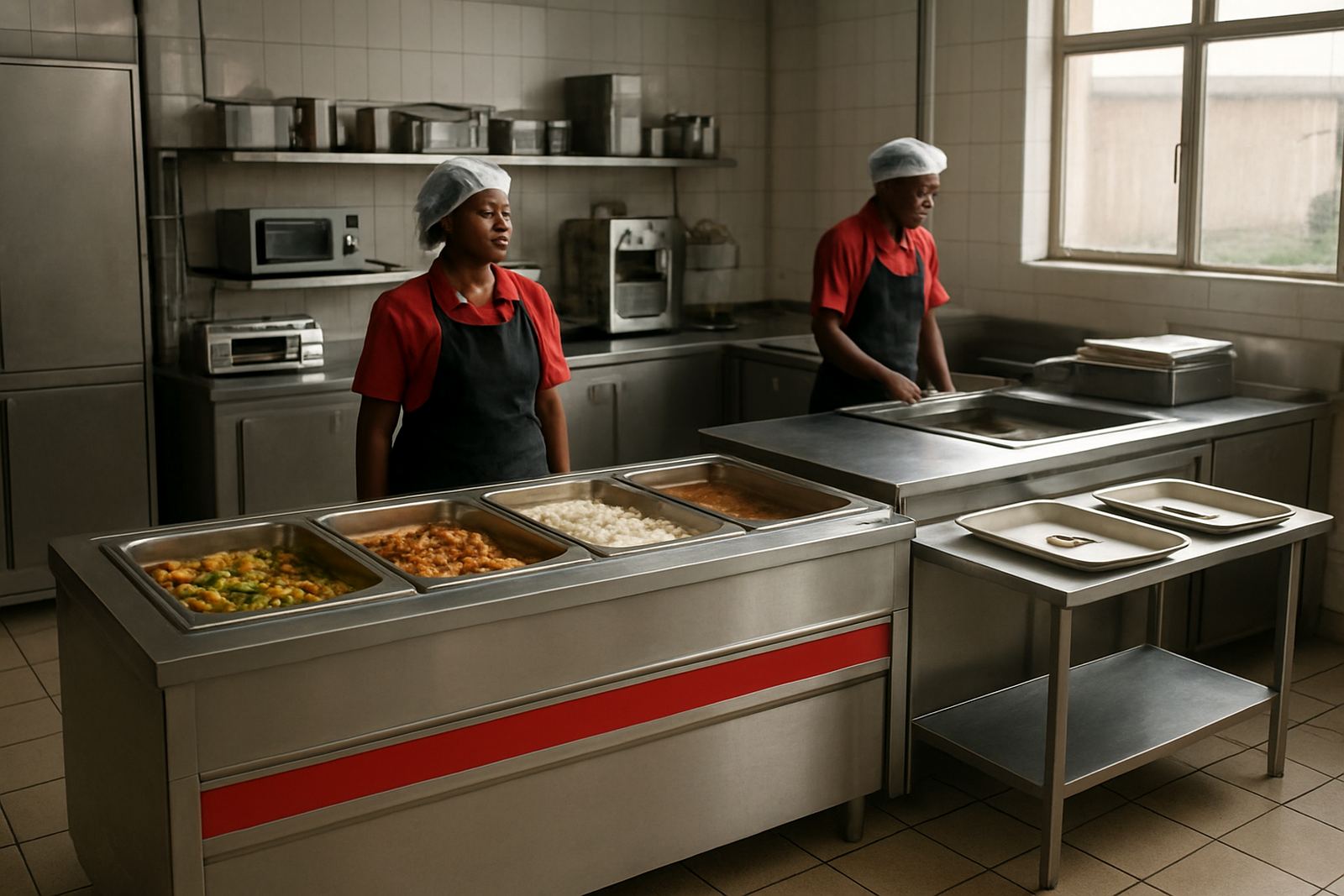
The brief came from a school kitchen team in Centurion that had to prepare and serve meals for learners every day without interruption. The existing setup was slow at peak time, short on holding space and not suited to the volume of trays, pans and bread service required before first break.
The team needed equipment that could handle repetitive use, stay easy to clean and fit into a kitchen that already had fixed service counters and a narrow delivery route. We also had to work around service times, as the kitchen could not be shut down for long during term time. That meant planning each stage properly, with clear handover and testing at the end.
- Daily meal service for a school environment
- Limited floor space behind the servery
- Need for quick heat-up and steady holding temperatures
- Safe operation during power interruptions and generator changeover
The equipment and layout we supplied
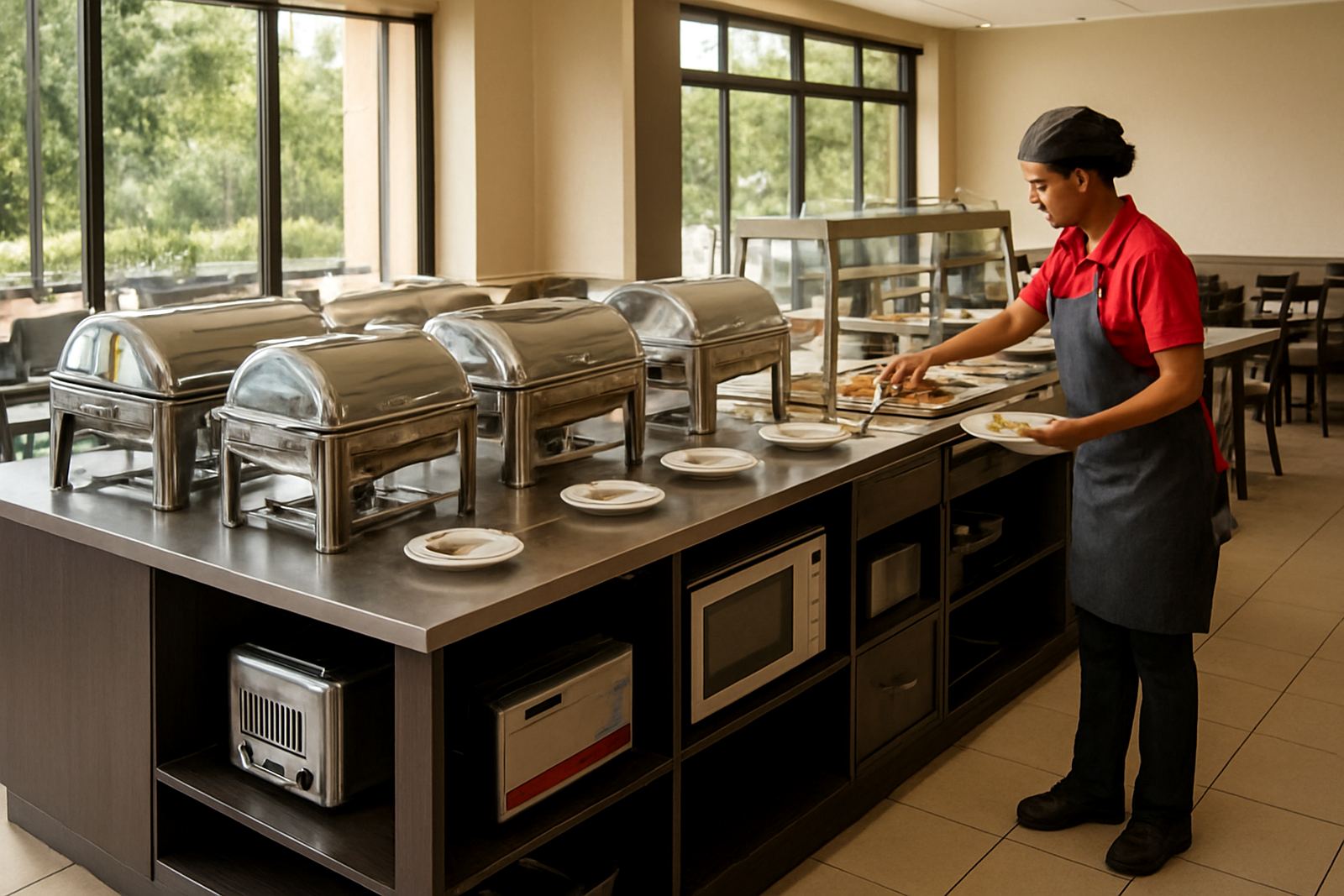
We supplied a practical mix of new prep and serving equipment to improve speed, temperature control and workflow. The package included a commercial fryer for menu items that needed quick turnaround, a heavy duty toaster for bread service, a mixer for bulk prep, a microwave for fast reheating, and chafing dishes for hot holding on the serving line.
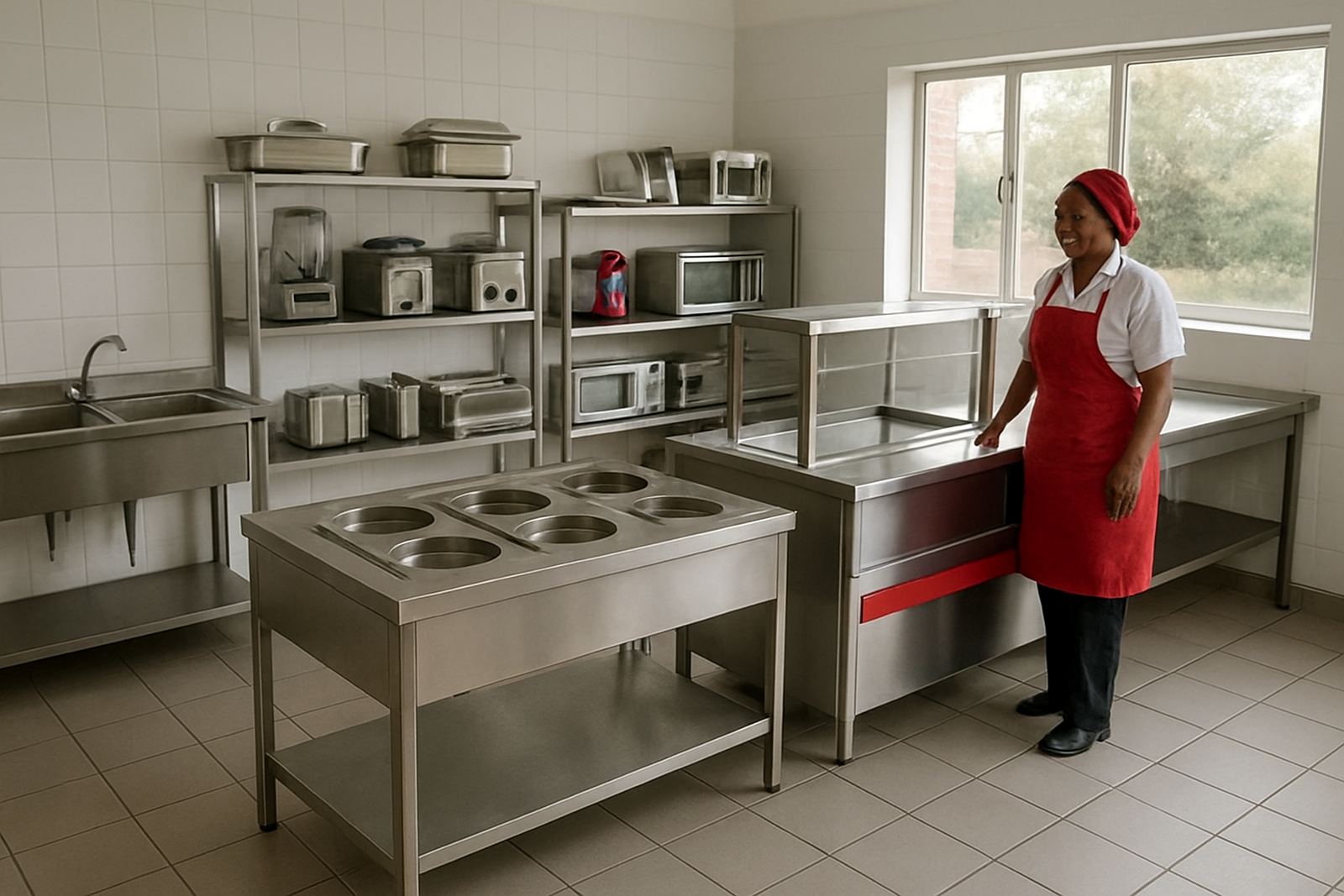
We also assisted with positioning so that the hot side stayed separate from the prep side, which helps reduce cross movement when learners arrive all at once. The layout was set out so staff could move from prep to holding to service with fewer steps and less spill risk. In a school kitchen that matters a lot, because every minute counts at lunchtime.
- Commercial fryer sized for repeated batch cooking
- Heavy duty toaster for bread and breakfast service
- Bulk mixer for sauces, batters and starch preparation
- Microwave for quick finishing and reheating
- Chafing dishes for hot display and short term holding
How we handled the site constraints
The kitchen had to remain orderly and compliant with basic safety and municipal expectations for food service spaces. We checked access widths, electrical points, ventilation paths and working clearances before installation, because a tight room with too many cables or wrong equipment positions becomes a daily problem very quickly.
Centurion kitchens also have to deal with power dips, load-shedding and occasional surge issues. We therefore paid attention to plug points and changeover practicality, and made sure the final arrangement did not overload one section of the kitchen. The school also wanted equipment that staff could wipe down quickly between service periods, especially on humid days when moisture builds up on stainless surfaces.
- Measured the available floor area and service counter openings
- Confirmed electrical supply and safe plug point locations
- Checked movement routes for deliveries and future maintenance
- Allowed enough clearance for cleaning and heat dissipation
Installation, testing and handover
The installation was planned over a short programme of two weeks, including delivery, positioning, connection checks, testing and staff handover. Our technician team worked with the school to keep disruption low and to make sure the equipment was ready before the next busy service cycle.
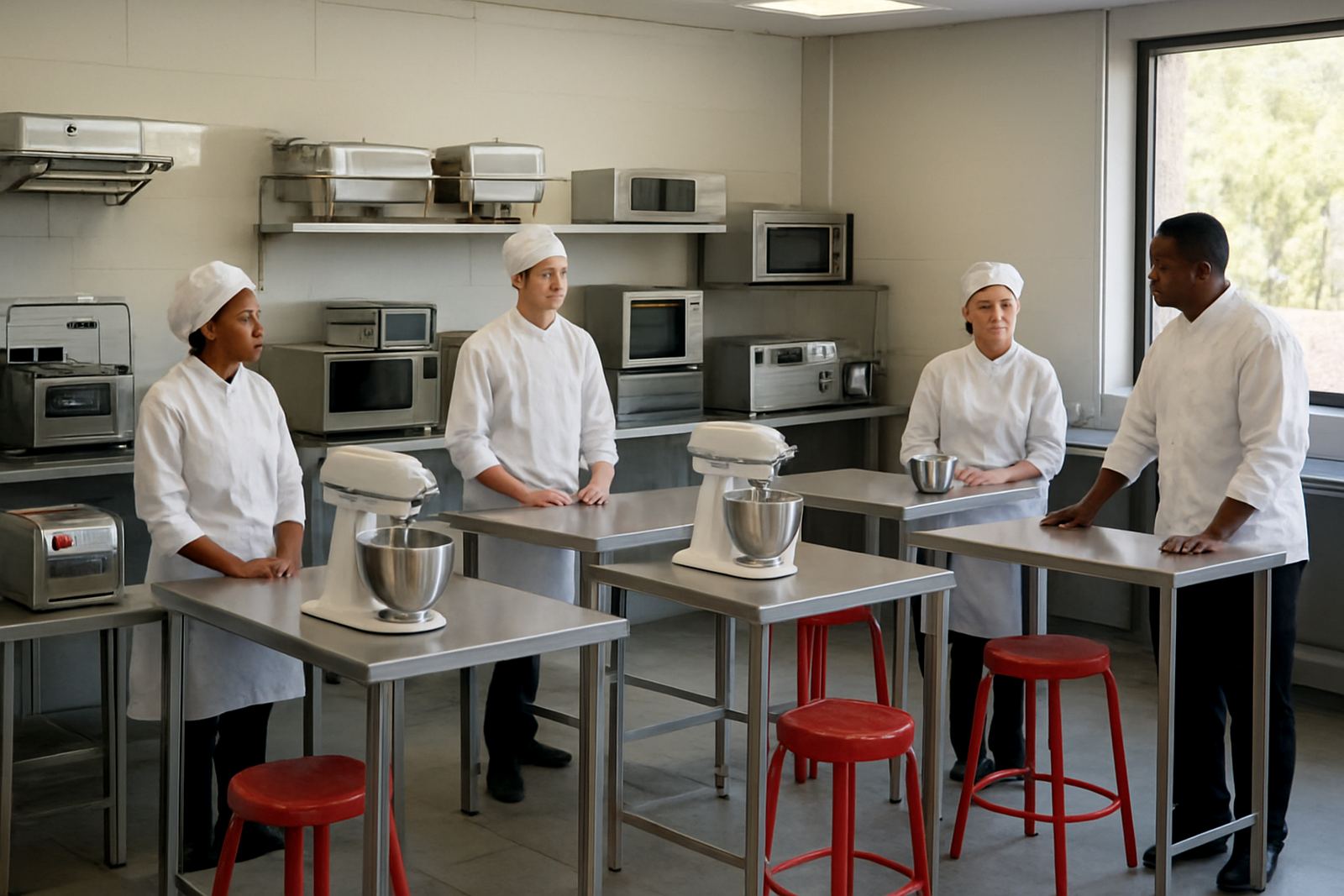
Once everything was in place we tested heat-up times, holding performance and operating sequence with the kitchen staff. The team also received practical handover training on cleaning routines, switch on and shut down order, and basic do's and don'ts for extending service life. It is small things like not overfilling pans or forcing lids that prevent unnecessary wear.
- Week 1: site check, final measurements and equipment allocation
- Week 2: delivery, installation, testing and staff handover
Results for the daily meal service
The new setup gave the school a better flow from prep to service and helped the kitchen team keep pace during busy meal windows. Food could be prepared, held and served with less backtracking, and the staff had clearer work areas for each task.
Because the equipment was matched to the actual serving pattern, the kitchen now heats faster, holds more effectively and is easier to keep clean after service. The staff also reported less pressure on the line during peak periods, which matters when learners arrive in groups and lunches must go out on time. There was a visible improvement in consistency, and fewer hold ups at the serving point.
For schools, a good kitchen is not about fancy extras, it is about getting meals out safely every day. This project did that and left the team with a setup they could work with immediately.
What we would repeat on the next school project
If we were doing the same type of school kitchen again, we would keep the same sequence: proper site assessment first, then equipment selection, then installation and training right at the end. That order keeps surprises down and helps the client budget correctly from the start.
We would also recommend a maintenance plan from day one, especially for busy school kitchens in Gauteng where equipment runs hard and cleaning is done under time pressure. Preventive servicing keeps fryers, toasters and mixers working better for longer, and it helps avoid unexpected downtime in the middle of term.
For Centurion and surrounding areas, this approach has worked well because it balances budget, durability and practical use. The result is a kitchen that can keep up with a daily learner meal programme without constant rework.
Key facts
| Project location | Centurion, Gauteng |
|---|---|
| Client type | School kitchen |
| Scope | Prep and serving equipment supply, installation and handover |
| Timeline | 2 weeks from assessment to completion |
| Key equipment | Fryer, toaster, mixer, microwave, chafing dishes |
| Support included | Quotes, delivery, positioning, testing and staff training |