What We Refurbish in the Workshop
We work on selected used fryers, toasters, mixers, microwaves, chafing dishes and other catering units that still have service life left in them. The aim is to return equipment in a condition that is practical for commercial use, with attention to safety, function and ease of cleaning. Some units come in from restaurants upgrading their line, others from canteens, takeaways and small food service sites that need equipment back in service quickly.
Each unit is assessed on its own merits. If the frame is sound and the main working parts are worth saving, refurbishment can make more sense than buying new. For Gauteng operators, that can be a useful option when budgets are tight and the site still needs reliable equipment on the floor by Monday morning.
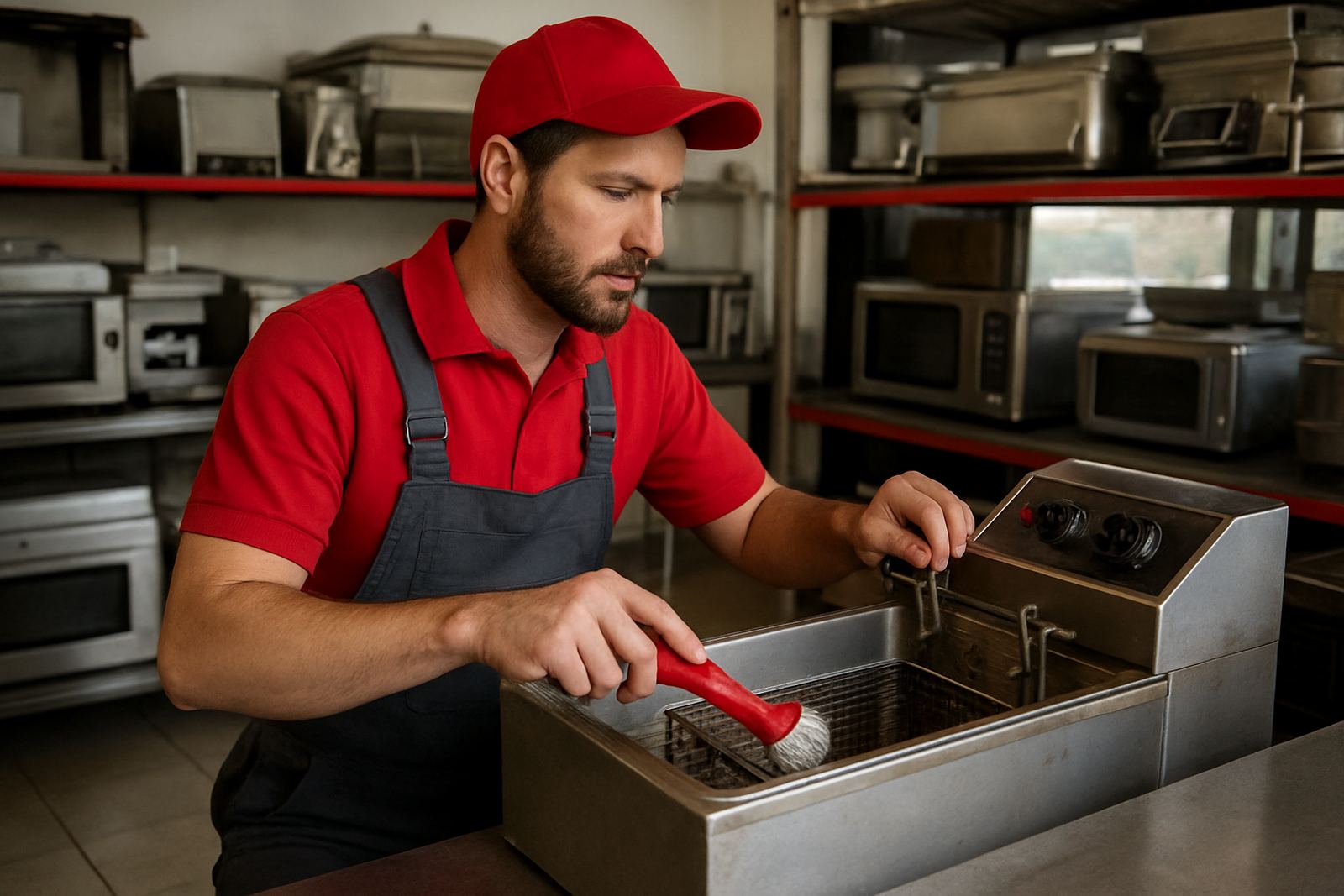
- Gas and electric fryers
- 3 slice and 6 slice toasters
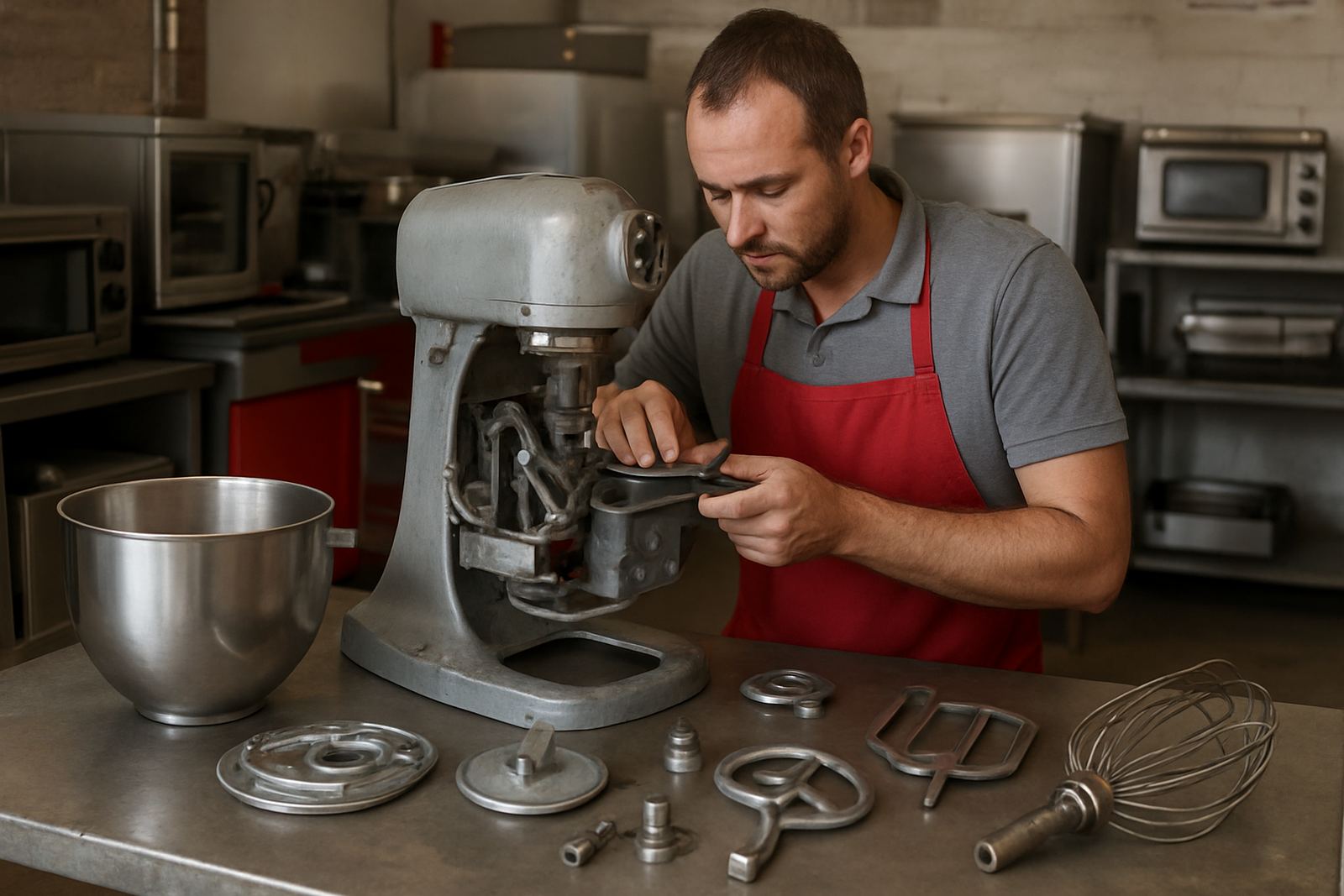
- Planetary mixers and food mixers
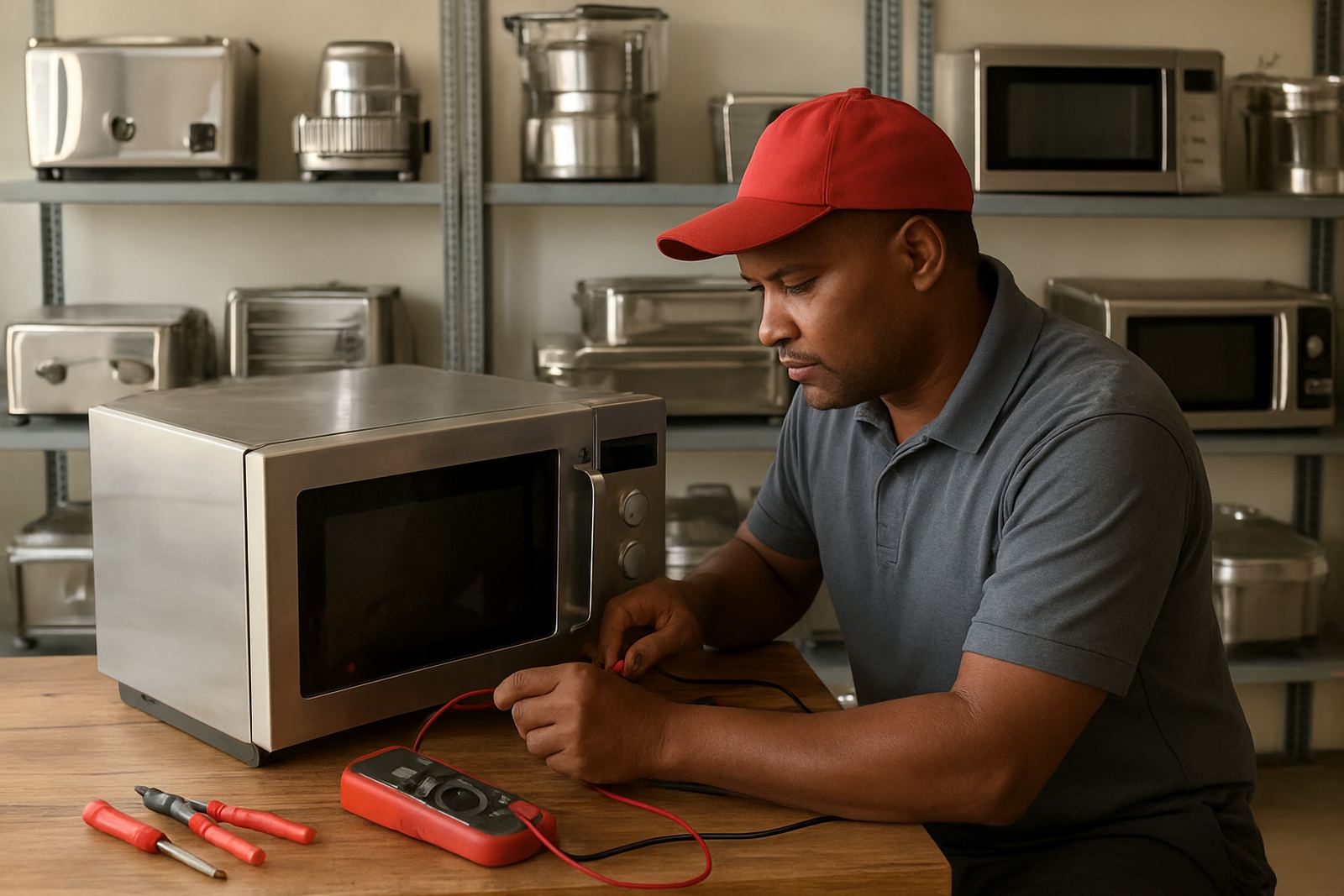
- Domestic and light commercial microwaves
- Chafing dishes, bain marie parts and serving gear
What the Refurbishment Includes
Refurbishment usually covers strip down, deep cleaning, fault finding, component replacement where needed, reassembly and testing. We also look at wiring, thermostats, switches, plugs, seals, trays, baskets, handles, feet and any heat affected parts. On stainless steel items, we remove grease build-up and check for pitting or corrosion, especially on units that have worked in coastal humidity or in kitchens with poor extractor flow.
Where possible we keep the original structure and replace only the worn parts. That keeps costs under control and helps maintain a sensible turnaround. If a unit has a major safety issue or the repair cost will push it beyond practical value, we will say so rather than dressing it up as a bargain.
- Electrical safety inspection and function checks
- Replacement of worn elements, switches, cords and seals
- Mechanical repairs on motors, gears and moving parts
- Surface cleaning, de-greasing and stainless touch-up work
- Final run test and basic operating check before release
How the Workshop Process Works
The process starts with a quick conversation about the unit, its age, fault history and what the kitchen needs from it. If the machine is in Silverton we can often assess it sooner, and for Pretoria Central, Centurion, Midrand, Kempton Park, Boksburg and Randburg we can arrange collection or site viewing where needed. Once the unit reaches the workshop, we log it, test it and list what must be repaired before any work begins.
After inspection, we send a quote for approval. When the job is confirmed, the unit moves into the workshop queue and the repair team works through the parts list. Before handover, each refurbished unit is run and checked again. If the item is being redeployed on a live site, we can also discuss positioning and installation basics so the handover is cleaner and quicker.
- Step 1: Initial assessment and condition report
- Step 2: Quote for parts, labour and any extra work
- Step 3: Refurbishment and component replacement
- Step 4: Testing, cleaning and sign-off
- Step 5: Collection, delivery or fit back into your kitchen
Turnaround Times and What Affects Them
Simple jobs can move fast, especially where only a few parts need replacing and the body of the machine is in decent shape. More involved work, such as motor repairs, heating faults, or multiple worn components, naturally takes longer. Turnaround also depends on parts availability, the condition of the unit and how many items are booked into the workshop at the same time.
As a guide, light refurbishment can take a few working days, while a fuller rebuild may take longer. We will always rather quote honestly than promise a date we cant keep. If you are planning a kitchen reopening, a move, or a reconfiguration around load-shedding schedules, tell us early so we can plan the sequence properly.
- Light repairs: usually a few working days
- Moderate refurbishment: allow extra time for parts and testing
- Complex rebuilds: dependent on fault scope and component stock
- Urgent jobs: handled case by case when workshop space allows
How We Price Refurbishment Work
Pricing is based on the condition of the unit, the parts required and the labour involved. We do not use a flat rate for every machine because a clean fryer with one failed part is very different from a mixed batch of older equipment that needs wiring, seals and mechanical work. You will get a clear quote before repair work starts, so you can decide whether refurbishment or replacement makes better commercial sense.
For businesses in Gauteng, refurbishment often works well when the base unit is still strong and only selected parts need attention. That can be a practical way to stretch the budget without compromising on everyday use. If the item is part of a larger kitchen plan, we can also quote on related work such as servicing, delivery, positioning or a reconfigured layout.
- Quoted per item after inspection
- Parts and labour shown separately where needed
- Discounts may apply to multiple units booked together
- Used parts are only fitted where suitable and safe
Service Intervals After Refurbishment
Once a unit is back in use, maintenance should not be left until it fails again. In a busy kitchen, light cleaning and daily checks matter just as much as the workmanship done in the workshop. For fryers and heating equipment, we normally suggest a short internal check every 1 to 3 months, depending on volume and grease exposure. Mixers, toasters and microwaves may need less frequent servicing, but they still benefit from planned inspections.
If the unit runs in a hot kitchen, near steam or in an area with voltage fluctuation, the service interval should be shorter. Coastal moisture can also shorten the life of switches and exposed metal parts. We can help set a sensible servicing schedule so the equipment stays in use longer and does not catch you off guard during a rush.
- Heavy use kitchens: inspect every 1 to 3 months
- Medium use operations: inspect every 3 to 6 months
- Storage and standby units: check before re-use
- Keep vents, seals and cords clean and undamaged
When Refurbishment Makes the Most Sense
Refurbishment is ideal when the unit has good bones and the fault is mainly in wear parts, controls or cleaning damage. It is also useful when a site needs to keep a matching line of equipment, or when a replacement model would mean extra changes to counters, power points or workflow. For schools, churches, tuck shops, guest houses and takeaways, a carefully refurbished unit can be the difference between delaying service and getting moving again.
If you are unsure whether to repair, refurbish or replace, send through the details and we will give straight feedback. Sometimes a unit is worth saving, sometimes it is better to source another used item instead. The right answer depends on the condition, the budget and how quickly you need it back on site.
- Best for sound units with worn parts
- Useful for budget-conscious replacements
- Suitable when kitchen layout must stay the same
- Good option before resale or redeployment
Key facts
| Workshop base | Silverton, Pretoria |
|---|---|
| Typical equipment | Fryers, toasters, mixers, microwaves, chafing dishes |
| Refurbishment scope | Cleaning, repairs, part replacement, testing and sign-off |
| Turnaround | From a few working days, depending on fault and parts |
| Pricing | Quoted per item after inspection |
| Service area | Pretoria Central, Centurion, Midrand, Kempton Park, Boksburg and Randburg |