What a bain marie does in a busy kitchen
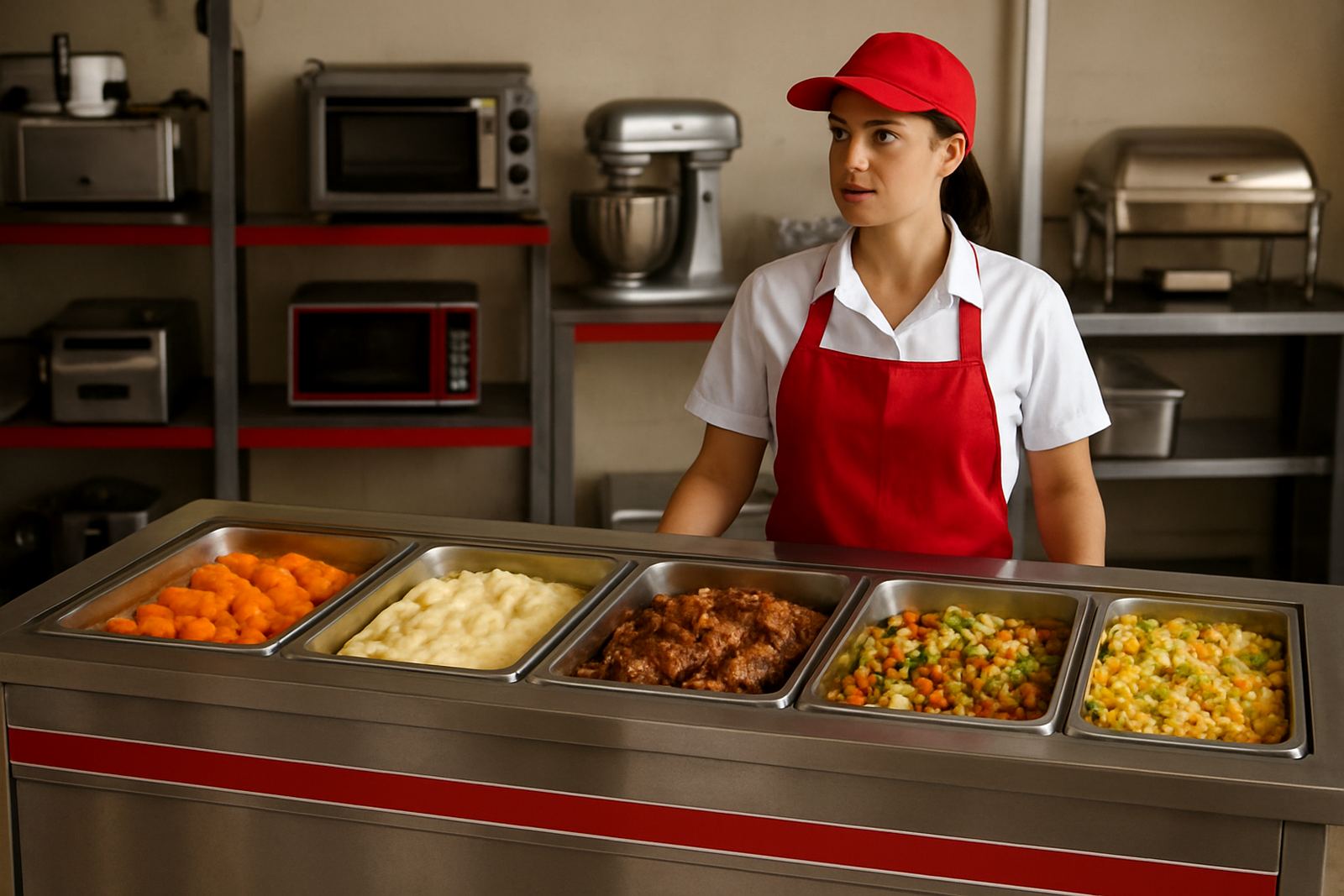
A bain marie is a wet heat holding unit that uses hot water beneath the pans to keep food warm in a gentler way than direct dry heat. It is commonly used for gravies, tomato based sauces, curries, samp, vegetables, rice and other items that must stay in service for hours without burning or going hard on the edges.
In practical terms, the water bath helps hold heat evenly, so the food on top stays at a safe serving temperature while the texture remains better for longer. That makes it a good fit for restaurant kitchens, school feeding areas, canteens, takeaways, hotels and function venues where service times change and the pace can be heavy.
For Pretoria and Gauteng kitchens, a bain marie is especially useful during load-shedding planning, lunch rushes and buffet service. If your team is plating food in batches, it gives you a stable holding point next to the pass or service line.
Sizes, pan layouts and heating options
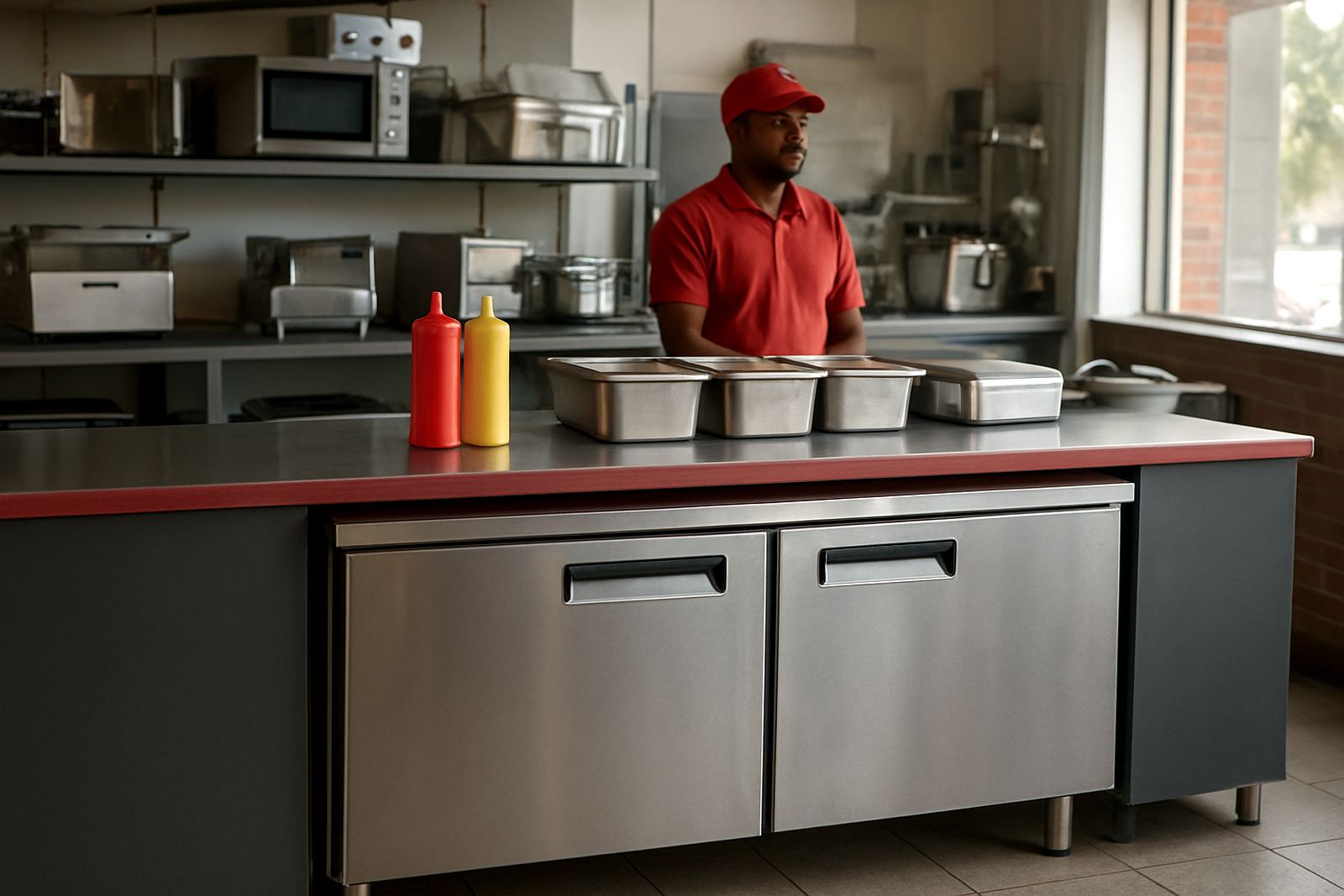
Bain maries are supplied in several lengths and pan combinations, from compact countertop units to larger multi-pan service line models. The right size depends on how many dishes you need to hold at once and how much counter space you have available. A small unit may suit a deli or lunch counter, while a longer multi-pan unit is better for hotels, institutions and high-volume caterers.
Common configurations include 2, 3, 4, 5 or more gastronorm pan openings, with lids, inserts and drain points depending on the model. Some are built for wet operation only, while others are made for both wet and dry use, though wet operation is usually better for sauces and curries.
- Countertop units for compact kitchens and service counters
- Drop-in or built-in units for fixed serving lines
- Floor standing units for full buffet or canteen use
- Electric heated units for sites with reliable power supply
- Gas heated units for mobile catering or where electricity is limited
If your site has uneven power or you need backup planning, we can advise on the best option for the building and the way your kitchen is set up.
Where a bain marie suits best
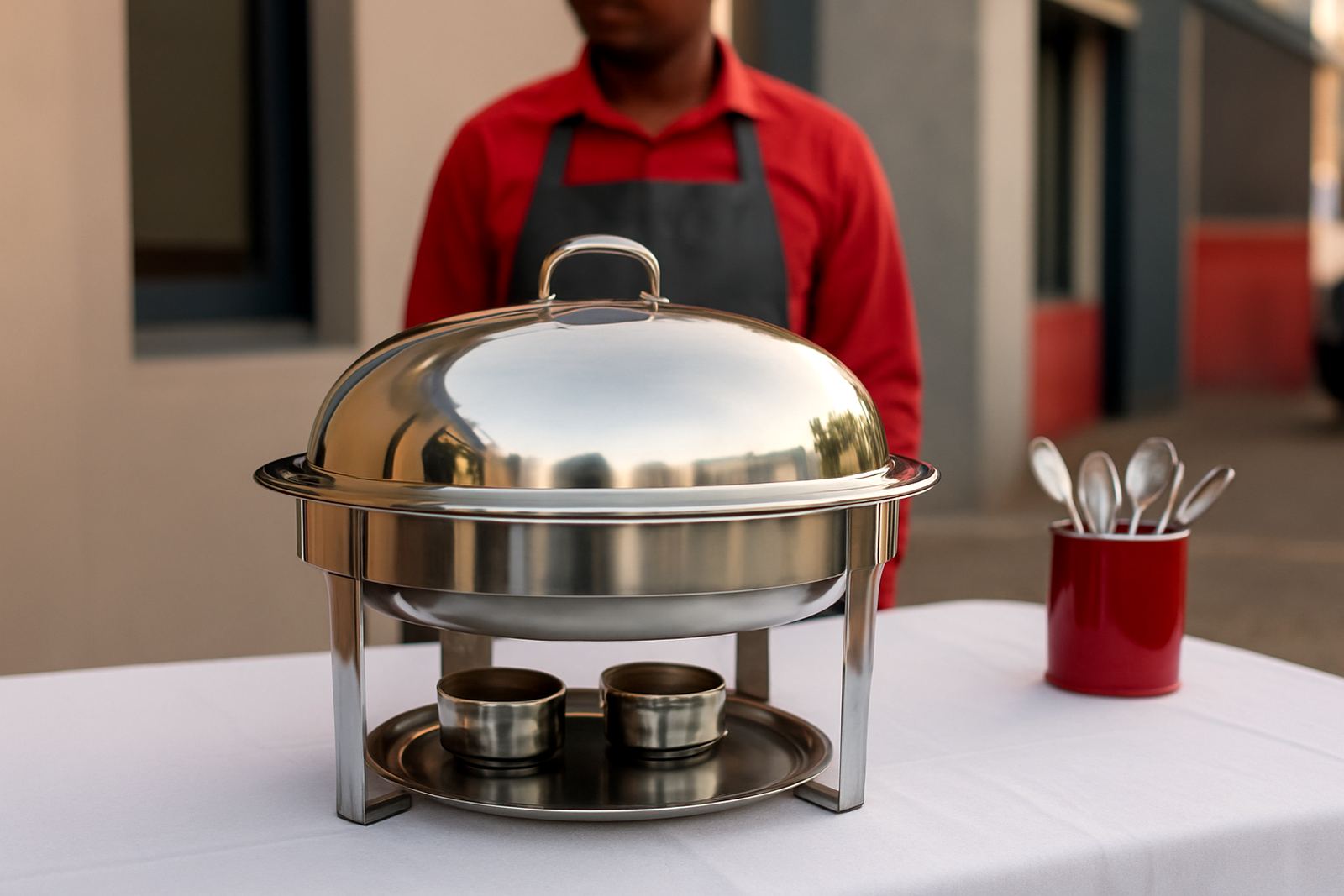
This equipment suits any operation that serves food over a longer period and needs it to stay hot without constant reheating. In Pretoria Central, Centurion, Midrand, Kempton Park, Boksburg and Randburg we see it used in service lines, tuck shops, contract catering kitchens, guesthouses and venue prep areas.
A bain marie works well when food needs to remain presentable and safe while staff portion it out through a service window or self-service line. It is also useful in kitchens that prepare food in batches, because it gives the cook a place to hold one pan while the next tray is being finished. That helps with timing and reduces waste.
If you run a business near the coast or in a humid kitchen, the frame and pan quality matter. Stainless steel handles cleaning better and resists corrosion more effectively, so it is worth checking the finish before ordering, especially for long term use.
- Restaurants and takeaways with lunchtime service peaks
- Buffet venues, lodges and conference centres
- Schools, churches and feeding programmes
- Butcheries, delis and hot food counters
- Catering trailers and temporary event kitchens
Power, water and installation needs
Before installation, check whether the unit is electric or gas, and confirm the supply point on site. Electric bain maries need the correct plug point and circuit rating, while gas models need proper gas connections, ventilation and safe positioning away from heat sensitive surfaces. If the unit is fitted into a serving line, there must be enough clearance for water filling, pan removal and cleaning access.
For wet heat models, the water bath must be filled to the correct level before switching on. Running the unit dry can damage elements and cause uneven heating. The team should also confirm where the drain is located, because a unit that is awkward to empty becomes a daily nuisance and slows down close-up at night.
Our installation team can assist with site assessments, positioning, kitchen reconfiguration and handover training. That helps avoid common problems like poor cable runs, awkward service height or a unit being placed too far from the prep area. In busy Gauteng kitchens, a few centimetres can make a real difference.
- Check the voltage, plug type and circuit load before ordering
- Confirm gas bottle or gas line access if the unit is gas heated
- Allow space for filling, draining and routine cleaning
- Keep the unit away from splashing points and heavy foot traffic
- Ask for positioning help if the unit forms part of a larger line
Care, cleaning and servicing that keep it reliable
A bain marie lasts longer when it is emptied and wiped down daily, then descaled and checked on a routine basis. The water bath should never be left standing for long periods, especially in hard water areas, because scale build-up affects heat transfer and can lead to slow recovery times. If your kitchen runs every day, a preventive service schedule is worth setting up early.
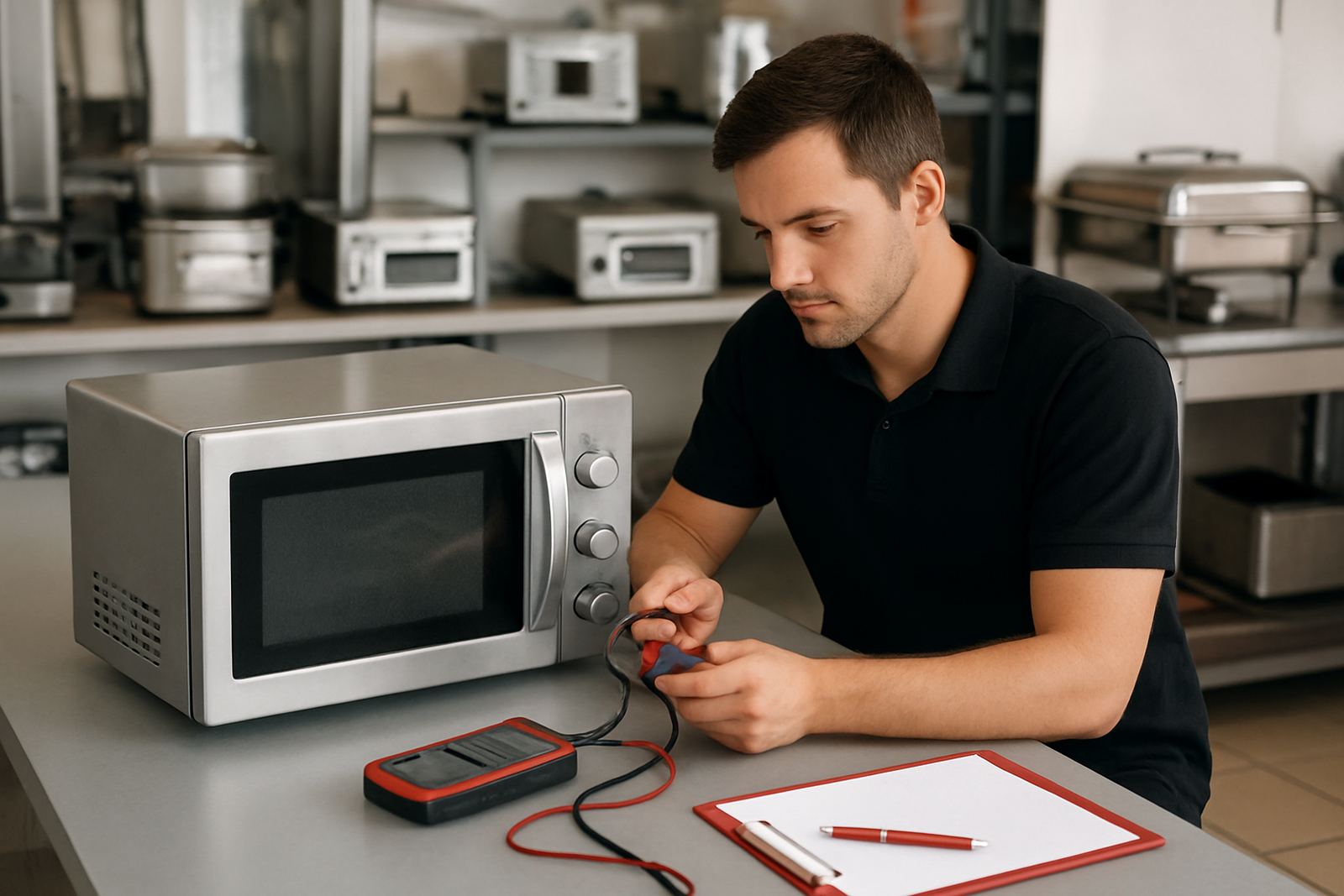
Keep an eye on the heating element, thermostat, taps, drain points and pan support rails. If the unit starts taking too long to heat or the temperature drifts, it may need repair before the problem gets worse. We handle breakdown repairs, workshop refurbishment and servicing for used and new equipment, so damaged units can often be brought back into service instead of replaced immediately.
For operations in Pretoria and the surrounding areas, regular servicing is especially useful where equipment is working through lunch rushes, evening functions and load-shedding cycles. A planned maintenance visit is often cheaper than emergency downtime.
What to check before you order
To quote accurately, we need to know exactly how the bain marie will be used, where it will stand and what food it will hold. A sauce station for a small takeaway needs different specification from a six pan buffet line in a hotel kitchen. The more detail you give us up front, the easier it is to match the unit to your site and avoid later changes.
When requesting a quote, check the working width available, the preferred pan layout, whether lids are needed, and whether the unit must fit under an extraction canopy or into a fixed counter. It also helps to mention whether you need new or used equipment, delivery and positioning, and whether handover training is required for staff.
- Number of pans or dishes to be held at once
- Electric or gas supply available on site
- Countertop, built-in or floor standing preference
- Drainage and cleaning access requirements
- Delivery address and access for offloading
If you are replacing an older unit, send us the measurements and a photo of the existing setup. That makes it easier for Nadia and the team to prepare the right option and advise on installation, quotes and any service work that may be needed.
Key facts
| Product type | Wet heat holding unit for sauces, curries and service line dishes |
|---|---|
| Typical sizes | 2 pan, 3 pan, 4 pan, 5 pan and larger multi-pan layouts |
| Heating options | Electric heated or gas heated, depending on site needs |
| Construction | Stainless steel body and pan support areas for easier cleaning |
| Installation needs | Correct power or gas connection, water fill and safe working clearance |
| Service options | Quotes, delivery, positioning, installation, servicing and repairs |